How Much Does a Necklace Cost? 2026 Trend & Pricing Analysis
Discover how much a necklace costs in 2026. We analyze material grades, designer markups, and style trends to help you evaluate true jewelry value.

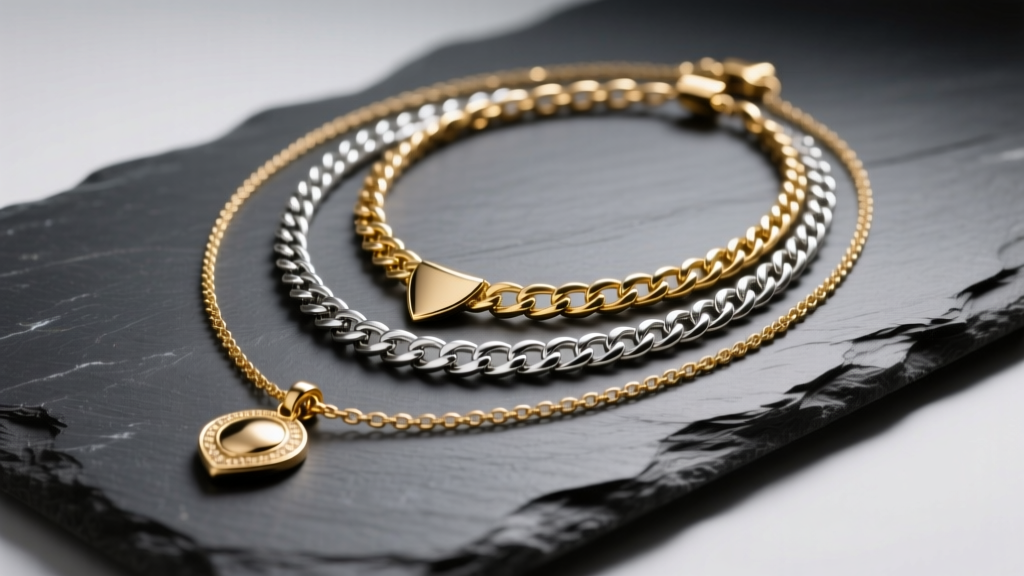
When consumers ask, "how much does a necklace cost?" the answer in 2026 is more bifurcated than ever. The modern jewelry market has split into distinct tiers driven by material scarcity, advanced manufacturing techniques like PVD coating, and the enduring dominance of the "quiet luxury" aesthetic. A necklace can cost anywhere from $25 for a highly durable, mass-produced stainless steel chain to over $15,000 for a high-jewelry piece featuring natural, unheated gemstones. However, price alone no longer dictates quality or style relevance. To truly understand necklace pricing, we must deconstruct the intersection of metallurgy, brand positioning, and current trend trajectories.
The 2026 Necklace Pricing Landscape: Beyond the Sticker Tag
Historically, necklace pricing was a simple calculation of raw material weight plus a standard retail markup. Today, the calculus has shifted. The rise of lab-grown diamonds has drastically reduced the cost of carat weight, effectively transferring the financial burden from the stone to the complexity of the setting and the prestige of the brand. Simultaneously, the demand for "everyday fine jewelry" has forced brands to optimize their supply chains, offering solid 14k gold pieces at entry-level price points that were previously reserved for heavy gold-plated brass.
According to historical precious metal tracking by Kitco, the baseline cost of gold continues to experience macro-economic fluctuations, meaning the intrinsic value of solid gold necklaces remains a moving target. Consequently, smart buyers in 2026 are looking past the brand name and scrutinizing the exact metallurgical composition and structural integrity of the chain links and pendant bails.
Material Grade Breakdown: What You Are Actually Paying For
To accurately gauge how much a necklace should cost, you must first identify its core material grade. The market is currently saturated with misleading terminology. Below is a definitive pricing and durability matrix for the most common necklace materials available this year.
| Material Grade | Typical Price Range | Durability & Lifespan | Best Use Case |
|---|---|---|---|
| PVD-Coated 316L Stainless Steel | $25 - $75 | Highly durable; waterproof; 3-5 years before minor wear | Statement pieces, heavy chains, daily wear on a budget |
| Gold Vermeil (Sterling Silver Base) | $85 - $220 | Moderate; requires dry storage; 1-3 years of regular wear | Delicate layering, trend-driven pendant styles |
| Solid 14k Gold (Yellow/White/Rose) | $450 - $2,500+ | Lifetime; can be polished and soldered indefinitely | Heirloom pendants, permanent jewelry, high-value staples |
| Platinum 950 | $1,200 - $5,000+ | Extreme; develops a patina but loses no metal mass | Diamond/gemstone security, hypoallergenic needs |
The Vermeil Distinction
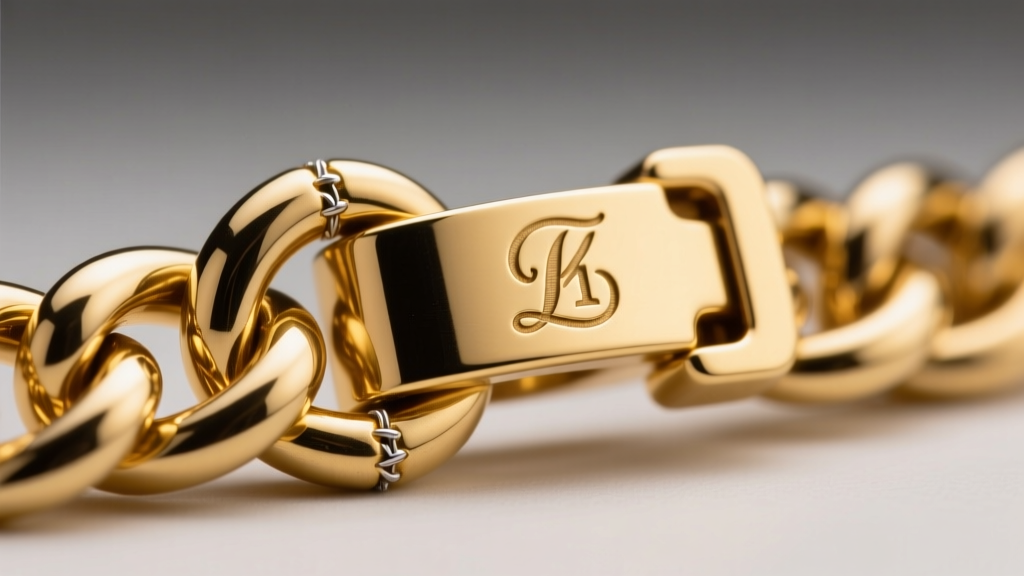
It is critical to note the legal distinction between "gold plated" and "gold vermeil." According to the Federal Trade Commission (FTC) Jewelry Guides, vermeil must consist of a sterling silver base coated with a minimum of 2.5 microns of gold (usually 14k or 18k). If a brand charges $150 for a necklace but uses a brass base with 0.5 microns of flash plating, you are overpaying by approximately 80%. Always demand material transparency before purchasing in the mid-tier price bracket.
The "Quiet Luxury" Tax vs. Fast Fashion Depreciation
Style trends heavily influence necklace pricing through what industry analysts call the "Quiet Luxury Tax." In 2026, minimalist, unbranded solid gold pieces with impeccable finishing command a premium not because of their weight, but because of the precision of their manufacturing. A seamless, hand-soldered 14k gold herringbone chain from an independent artisan might cost $900, while a mass-produced, hollow-link version from a fast-fashion mall brand costs $120.
"The true cost of a necklace isn't just its purchase price; it's the cost of its eventual failure. A hollow-link chain will crush under the weight of a pendant within six months, rendering the entire piece worthless."
Fast fashion necklaces suffer from rapid depreciation. The moment a brass-based, gold-plated chain is exposed to the natural pH of human skin and environmental humidity, the galvanic corrosion process begins. The copper and zinc in the brass react, causing the thin gold layer to flake and the wearer's skin to turn green. Conversely, the "quiet luxury" approach favors solid metals that can be passed down, effectively making their cost-per-wear negligible over a decade.
Cost-per-Wear Framework: Evaluating True Necklace Value
Instead of asking how much a necklace costs upfront, style-savvy consumers in 2026 utilize the Cost-Per-Wear (CPW) framework. This metric strips away emotional marketing and reveals the actual financial utility of the piece.
The Formula:
(Total Purchase Price - Estimated Resale Value) ÷ Expected Number of Wears = CPW
- Scenario A (Trend Chaser): A $180 gold-plated brass pendant worn 15 times before the plating degrades and the style feels dated. Resale value is $0. CPW = $12.00 per wear.
- Scenario B (The Investment Staple): A $1,200 solid 14k gold rope chain worn 300 times a year for 5 years (1,500 wears). Resale value (melt + craftsmanship premium) is conservatively $600. CPW = $0.40 per wear.
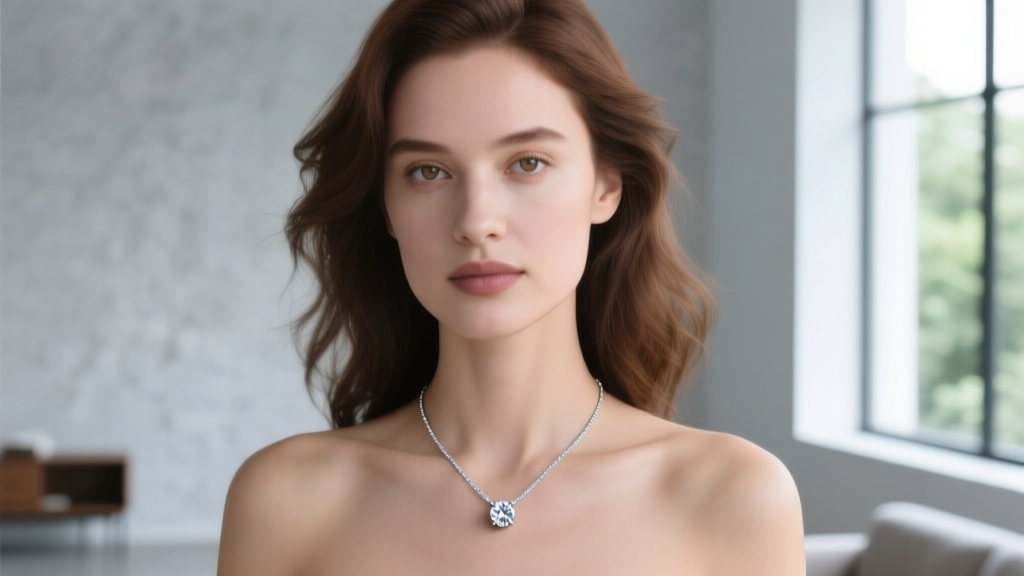
When viewed through this lens, the higher initial cost of solid precious metals is mathematically justified for foundational wardrobe pieces like solitaire pendants, classic cable chains, and permanent jewelry.
Red Flags: When a High Price Tag Masks Poor Quality
Even within the luxury sector, pricing anomalies exist. When evaluating how much a designer necklace costs, be wary of the following structural red flags that indicate you are paying for a logo rather than craftsmanship:
- Cast-in-Place Jumps: High-quality chains feature individually soldered links. If the links are cast as a single, continuous piece or lack visible solder joints, they are brittle and will snap under tension.
- Friction-Only Bails: The bail (the loop connecting the pendant to the chain) should be securely soldered. If it relies on friction or a weak glue bond, the pendant will eventually slide off and be lost.
- Undisclosed Alloy Mixes: Some brands market "10k gold" or proprietary "gold blends" at 14k prices. 10k gold contains only 41.7% pure gold, making it highly susceptible to tarnishing and lacking the rich luster of 14k (58.5%) or 18k (75%) gold.
Final Verdict: Budgeting for Your 2026 Necklace Wardrobe
Ultimately, how much a necklace costs depends entirely on your stylistic goals and wearability requirements. If you are experimenting with bold, avant-garde 2026 trends like oversized mixed-metal layering or modular charm chokers, PVD-coated stainless steel and heavy silver vermeil offer the best return on investment. However, if you are building a permanent, signature look anchored by a diamond solitaire or a heritage gold chain, allocating $500 to $2,000 for solid 14k or 18k gold is not an expense—it is a wearable asset acquisition. Demand transparency, check the hallmarks, and invest in the metallurgy that matches your lifestyle.


