Necklace Rash Neck Relief: Causes, Cures, and Metals
Discover the root causes of a necklace rash on your neck. Learn expert troubleshooting, metal allergy fixes, and hypoallergenic jewelry tips.


There are few things more frustrating than taking off your favorite pendant only to discover an angry, red, and intensely itchy ring around your collarbone. A necklace rash on your neck is not just a cosmetic nuisance; it is a biological distress signal. Whether you are dealing with a sudden breakout after wearing a new chain or a chronic irritation that flares up every summer, understanding the exact mechanism behind the rash is the first step toward permanent relief. As jewelry material science has evolved, so too has our understanding of contact dermatitis. This comprehensive troubleshooting guide will help you diagnose the root cause of your necklace rash, treat the immediate symptoms, and curate a truly hypoallergenic jewelry collection.
The Anatomy of a Necklace Rash on Your Neck
To effectively troubleshoot the problem, we must first distinguish between the two primary culprits of jewelry-induced skin reactions: Allergic Contact Dermatitis (ACD) and Irritant Contact Dermatitis (ICD). According to the American Academy of Dermatology, ACD is an immune system response triggered by a specific allergen—most commonly nickel—leaching from the metal alloy into the skin. The body identifies the metal ions as foreign invaders, launching a localized histamine response that results in blistering, severe itching, and scaling.
Conversely, ICD (often referred to as friction or sweat dermatitis) does not involve the immune system. Instead, it is a mechanical breakdown of the skin barrier. Heavy chains, sharp pendant bales, or tight chokers can trap sweat, dead skin cells, and sebum against the delicate skin of the neck. The resulting friction and bacterial overgrowth create a raw, chafed rash that mimics an allergy but requires an entirely different treatment protocol.
The Usual Suspects: Metals and Materials to Blame
The jewelry industry frequently uses the term "hypoallergenic" as a marketing buzzword, but it carries no legal or medical definition. A piece stamped "hypoallergenic" can still contain up to 8% nickel, which is more than enough to trigger a severe necklace rash on your neck. Below is a diagnostic breakdown of common necklace materials and their actual allergy risk profiles.
| Metal / Material | Nickel Content | Allergy Risk Profile | Best Use Case |
|---|---|---|---|
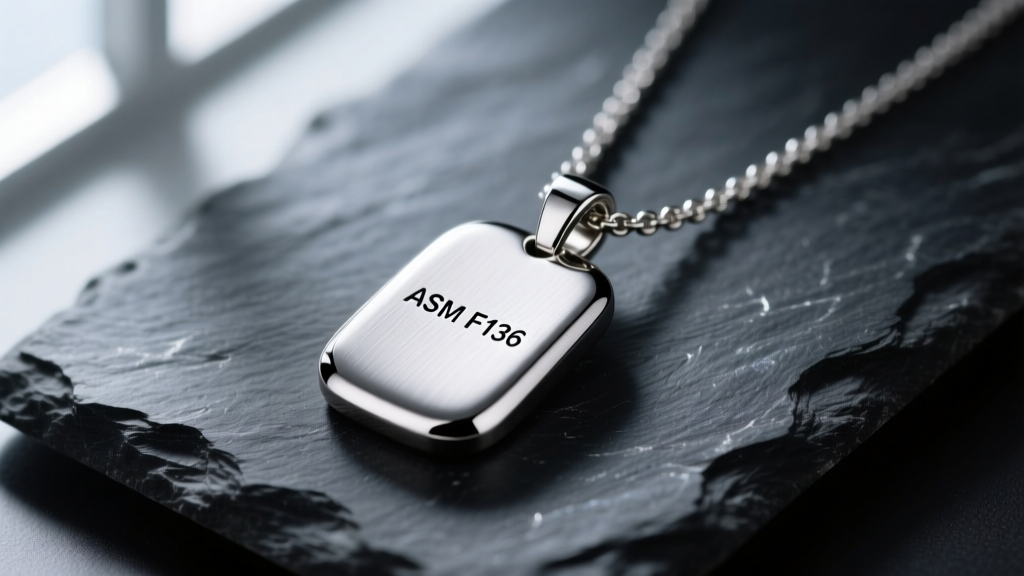
| ASTM F136 Titanium | 0% | Extremely Low (Implant Grade) | Severe allergies, 24/7 wear |
| Niobium | 0% | Extremely Low (Highly Inert) | Statement pendants, sensitive skin |
| 950 Platinum | 0% (Usually alloyed with Ruthenium) | Very Low | Heirloom pieces, luxury daily wear |
| 18k Yellow Gold | Trace (0-2%) | Low | Fine jewelry, occasional wear |
| 14k White Gold | High (5-15%) | Very High (unless rhodium plated) | Avoid for sensitive necks |
| Surgical Steel (316L) | 8-12% | Moderate to High | Body jewelry (not recommended for ACD) |
| Brass / Bronze | Variable (Often contains Nickel) | High (Also causes green oxidation) | Costume jewelry (wear over clothes) |
The Rhodium Plating Trap: Why White Gold Fails
One of the most common troubleshooting scenarios we see involves white gold necklaces. Many consumers assume white gold is safe because it looks like platinum. In reality, white gold is created by alloying yellow gold with white metals—frequently nickel or palladium. To achieve a bright, silvery finish, the piece is flash-plated with rhodium. When you first buy the necklace, the rhodium barrier protects your skin. However, necklaces endure constant friction against the neck and collarbones. Within six to twelve months, the rhodium plating wears thin, exposing the nickel-rich alloy beneath and triggering a delayed-onset necklace rash on your neck. If you love the look of white gold, insist on palladium-alloyed white gold or switch to 950 platinum.
Step-by-Step Troubleshooting: Is It an Allergy or Friction?
If you are unsure why your skin is reacting, use this clinical checklist to narrow down the cause:
- The Timeline Test: Allergic reactions typically take 24 to 72 hours to manifest after exposure. If the rash appeared immediately after sweating heavily at the gym, it is likely mechanical irritation (ICD).
- The Visual Inspection: ACD often presents with tiny, fluid-filled vesicles (blisters) and intense, localized itching exactly where the metal touched. ICD usually looks like a broad, red, chafed patch that may extend slightly beyond the jewelry's contact zone due to sweat spread.
- The Clearance Test: Remove the necklace. If the rash begins to dry out and flake within 48 hours, it is likely an allergy. If it remains raw and stings when exposed to water, it is a compromised skin barrier from friction.
Immediate Treatment Protocol for Jewelry Dermatitis
Once you have identified a necklace rash on your neck, immediate intervention is required to halt the inflammatory cascade. The National Center for Biotechnology Information (NCBI) recommends a multi-phase approach to contact dermatitis. First, wash the area with a gentle, fragrance-free syndet (synthetic detergent) cleanser to remove any lingering metal salts, sweat, or bacteria. Avoid harsh scrubbing, which will exacerbate micro-tears in the epidermis.
For allergic reactions, apply an over-the-counter 1% hydrocortisone cream twice daily for no more than seven days to suppress the histamine response. For friction rashes, skip the steroids and opt for a barrier repair cream containing ceramides and colloidal oatmeal. In both cases, the golden rule of recovery is zero metal contact until the skin is 100% healed—meaning no necklaces, not even "safe" metals, for at least two weeks.
Long-Term Prevention: Building a Hypoallergenic Collection
Preventing future breakouts requires a fundamental shift in how you purchase and maintain your jewelry. When shopping for chains and pendants, ignore front-of-package marketing and look for specific metallurgical certifications. For titanium, demand ASTM F136 (implant-grade) rather than generic "titanium," which may be mixed with cheaper alloys. For gold, stick to 18k or 24k yellow gold, as the higher gold content leaves less room for allergenic filler metals.
Furthermore, consider the architecture of the necklace. Intricate cable chains with hundreds of tiny links trap dead skin and lotion, creating a breeding ground for bacteria that leads to irritant rashes. Opt for smooth, solid surfaces like snake chains, box chains, or seamless herringbone designs that are easy to wipe down with an alcohol pad after wearing. Finally, always remove your necklace before swimming in chlorinated pools or applying chemical sunscreens, as these compounds can degrade metal alloys and accelerate the leaching of nickel ions.
When to See a Dermatologist
If your necklace rash on your neck spreads beyond the contact area, weeps yellow fluid, or fails to improve after a week of over-the-counter hydrocortisone, seek professional medical care. A dermatologist can perform a patch test to identify your exact metal allergies and prescribe topical calcineurin inhibitors or oral corticosteroids to resolve severe, stubborn dermatitis.
Ultimately, your jewelry should bring you joy, not physical discomfort. By understanding the science of metal alloys, recognizing the difference between friction and allergy, and investing in certified biocompatible materials, you can wear your favorite necklaces with absolute confidence and zero irritation.


