The Necklace Ring Meaning: Symbolism, Styles, and Chain Pairings
Discover the necklace ring meaning, from promise rings to memorial bands. Learn how to choose the right chain, bail, and length for your ring pendant.

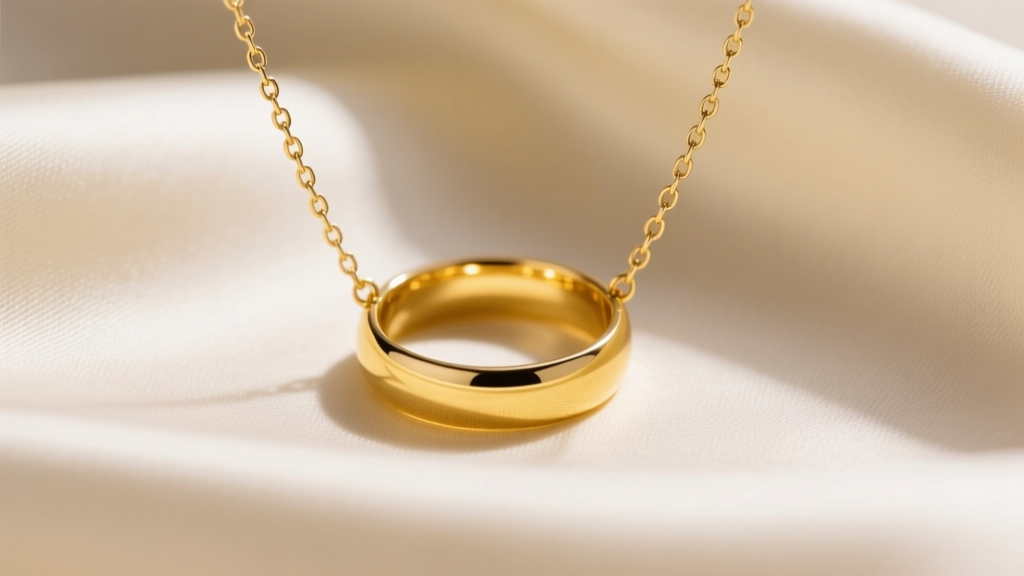
Wearing a ring on a chain is a practice that bridges deep emotional symbolism with everyday practicality. Whether you are repurposing a family heirloom, safeguarding a wedding band during physical labor, or displaying a promise ring, the necklace ring meaning is as diverse as the individuals who wear them. However, threading a ring onto a necklace is not as simple as it seems. The wrong chain gauge or metal pairing can lead to severe friction damage, snapped links, or lost sentimental treasures.
In this comprehensive guide, we will decode the cultural and personal symbolism behind ring pendants, explore the metallurgical realities of metal-on-metal friction, and provide a jeweler-approved framework for selecting the perfect chain, bail, and length for your ring.
The Core Necklace Ring Meaning: Why Wear a Band on a Chain?
The decision to move a ring from the finger to the neck usually stems from one of three primary motivations: emotional preservation, occupational safety, or physical comfort. Understanding the root of your necklace ring meaning will dictate how you style and secure the piece.
1. Emotional Preservation and Memorialization
For many, a ring pendant is a tangible connection to a loved one. Wearing a late spouse’s wedding band or a grandparent’s signet ring close to the heart is a universal gesture of grief, love, and remembrance. Unlike finger rings, which are removed for sleeping or bathing, a necklace keeps the memory in constant physical contact with the wearer.
2. Occupational Safety Hazards
According to the CDC and NIOSH guidelines, wearing metal rings in industrial, medical, or electrical environments poses a severe risk of 'degloving' injuries or electrical burns. Mechanics, nurses, and electricians frequently adopt the ring necklace to keep their marital symbols close while adhering to strict workplace safety protocols.
3. Sizing and Physical Changes
Pregnancy, weight fluctuations, and conditions like arthritis can make wearing finger rings painful or impossible. Threading a beloved ring onto a chain allows the wearer to keep their jewelry in their daily rotation without the discomfort of a tight band or the anxiety of a loose ring slipping off.
Decoding the Symbolism: What Your Ring Pendant Says
The specific type of ring you choose to wear on a chain carries its own distinct subtext within the broader necklace ring meaning.

- The Promise Ring: Often worn by younger couples or those in long-distance relationships, a promise ring on a necklace signifies a commitment that is deeply personal but not yet a formal engagement. It keeps the promise close to the heart.
- The Memorial Band: Typically a plain gold, platinum, or tungsten band. When worn on a black leather cord or a heavy silver chain, it serves as a quiet, powerful indicator of widowhood or enduring love for a departed family member.
- The Divorce or Rebirth Ring: A growing trend in modern jewelry is repurposing a wedding band post-divorce. By adding a new gemstone bail or melting the band into a new pendant shape, the wearer reclaims the metal's narrative, transforming a symbol of an ended marriage into a talisman of personal rebirth.
- The Heritage Signet: Wearing a heavy family crest or signet ring on a thick rope chain is a classic menswear staple, denoting lineage, family pride, and historical continuity.
'A ring on the finger is a statement to the world; a ring on the neck is a secret kept with the heart.' — Traditional Jewelry Adage
The Mechanics: How to Safely Thread a Ring on a Necklace
This is where most beginners make critical errors. The Gemological Institute of America (GIA) frequently notes that improper jewelry storage and wear lead to premature metal degradation. When a ring slides back and forth on a chain, it acts as a pendulum. If the metals are similar in hardness, they will essentially sand each other down over time.
The Danger of Metal-on-Metal Friction
If you thread a 14k yellow gold wedding band directly onto a 14k yellow gold cable chain, the inner shank of the ring will slowly file away the chain's links. Within two to three years of daily wear, the chain will snap, and you may lose both the chain and the ring. Furthermore, the ring's inner engraving or hallmarks will be rubbed completely smooth.
The Solution: Use a Ring Bail or Leather Cord
To prevent friction, you must separate the ring from the chain.
Option A: Use a soldered ring bail or a tubular bail. A jeweler can attach a small platinum or titanium loop to the top of the ring. The chain threads through this bail, completely eliminating contact with the ring's shank.
Option B: Use a non-metallic cord. A 2mm to 3mm leather, suede, or woven silk cord provides a soft, frictionless surface that will not degrade precious metals.
Chain Gauge and Tensile Strength Guide
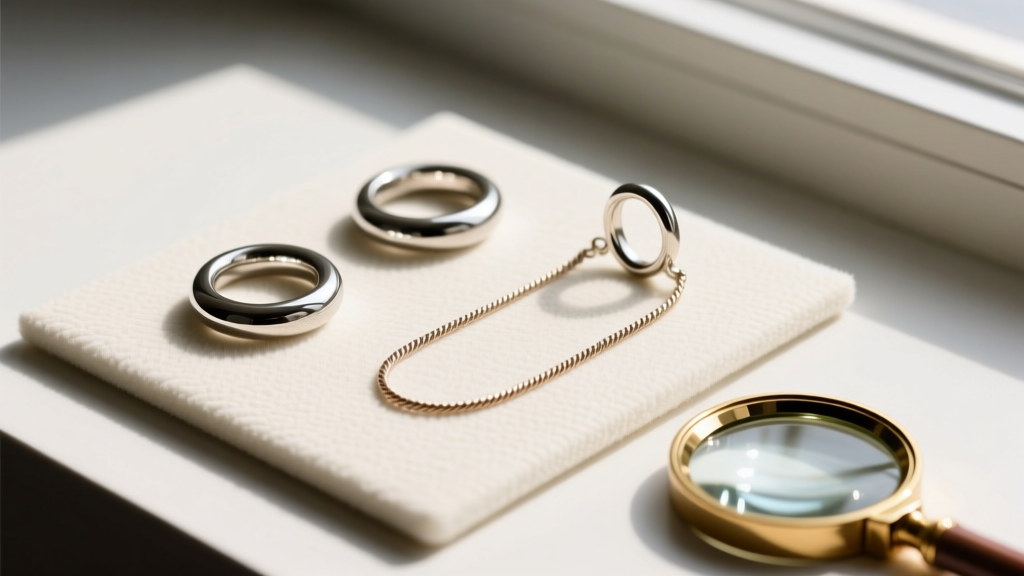
Not all chains can support the concentrated weight of a ring. A standard wedding band weighs between 4 to 8 grams, while a thick tungsten or signet ring can exceed 15 grams. Below is a structural guide for pairing chains with ring pendants.
| Chain Style | Recommended Gauge (Thickness) | Best For Ring Type | Durability & Kink Resistance |
|---|---|---|---|
| Box Chain | 1.2mm - 1.8mm | Standard Gold/Platinum Bands | Excellent. High tensile strength; resists kinking and snapping under pendulum weight. |
| Rope Chain | 1.5mm - 2.5mm | Heavy Signets, Tungsten Bands | Very Good. Extremely strong, but the twisted links can catch on rough inner ring engravings. |
| Cable Chain | 1.5mm+ | Lightweight Promise Rings | Fair. Classic look, but the oval links can stretch and pull apart if the ring is too heavy. |
| Snake Chain | Avoid for Rings | N/A | Poor. The smooth, micro-linked tubes will permanently kink and snap under the shifting weight of a ring. |
| Leather Cord | 2.0mm - 3.0mm | All Rings (Friction-Free) | Excellent for metal preservation. Requires replacement every 1-2 years due to sweat and oil degradation. |
Styling Your Ring Necklace: Lengths and Necklines
The visual impact of your ring necklace depends heavily on the chain length and how it interacts with your wardrobe. According to The Knot's jewelry styling guidelines, the placement of a sentimental pendant changes its visibility and intimacy.
16-Inch (Choker / Collarbone Length)
At 16 inches, the ring rests directly on the collarbone. This length is highly visible and works best with smaller, lighter rings like promise rings or delicate vintage bands. It pairs beautifully with V-neck tops, scoop necks, and off-the-shoulder garments. Warning: Do not use this length for heavy bands, as the constant bouncing against the collarbone can cause bruising or discomfort.
18-Inch (Princess Length)
The universal standard for pendant necklaces. An 18-inch chain allows the ring to rest just below the clavicle, in the upper chest area. This is the ideal length for wedding bands and memorial rings, as it sits close to the heart but remains visible when wearing unbuttoned collars or open cardigans.
20 to 24-Inch (Matinee Length)
This length drops the ring to the sternum or upper abdomen. It is the preferred choice for men wearing signet rings over t-shirts, or for individuals wearing large, heavy rings that need the visual balance of a longer, heavier chain (like a 2.5mm rope chain). It is easily tucked under a shirt for occupational safety while remaining accessible.
Common Maintenance Mistakes to Avoid
To ensure your ring and chain survive years of daily wear, avoid these common pitfalls:
- Ignoring the Clasp: A heavy ring will put immense stress on a standard spring-ring clasp. Always upgrade to a lobster claw clasp or a box clasp with a safety figure-eight for any chain supporting a ring pendant.
- Sleeping in the Necklace: The tossing and turning of sleep can cause the chain to wrap around the ring, creating torque that can snap even a 1.5mm box chain. Always remove the necklace before bed.
- Exposing Leather to Moisture: If you opt for a leather cord to prevent metal friction, remember that showering or swimming will cause the leather to rot, stretch, and eventually snap. Swap to a silicone or waterproof woven cord if you refuse to take the necklace off in water.
- Using Jump Rings as Bails: A simple jump ring (a circle of wire with a slit) will eventually be pried open by the swinging weight of the ring. If you must use a jump ring, ensure it is soldered shut by a professional jeweler.
Final Thoughts on the Necklace Ring Meaning
The necklace ring meaning is ultimately defined by the wearer. It is a versatile, deeply personal way to honor a commitment, remember a loved one, or adapt to the physical demands of your lifestyle. By respecting the mechanics of jewelry design—choosing the correct chain gauge, utilizing a protective bail, and matching the length to your wardrobe—you can ensure that your most sentimental metals remain safe, secure, and beautifully displayed for a lifetime.


