The 2026 Necklace Size Gift Guide for Every Occasion
Discover the ultimate 2026 necklace size gift guide. Learn how to match chain lengths, gauges, and pendant scales to specific occasions and recipients.

Why Necklace Size Dictates the Success of Your Gift
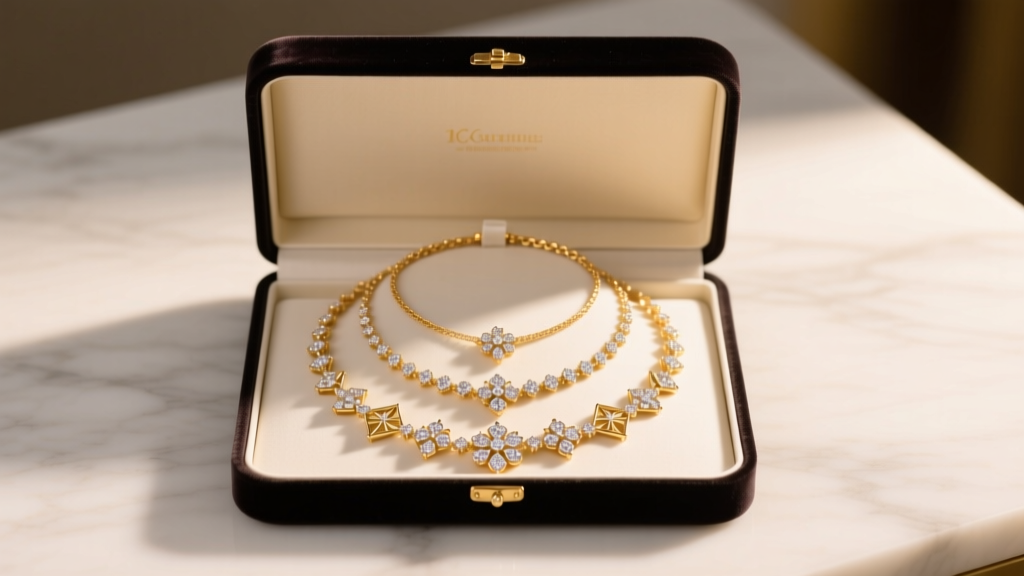
Gifting jewelry is an inherently intimate gesture, but even the most exquisite gemstone or precious metal can lose its impact if the proportions are wrong. When buyers focus solely on the carat weight or metal purity, they often overlook the most critical wearable metric: necklace size. A chain that sits too high might feel like a restrictive choker, while one that drops too low can get lost beneath the lapels of a winter coat or the neckline of a professional blouse.
According to industry data from Jewelers of America, fit and comfort are the primary reasons recipients either wear a gifted necklace daily or relegate it to a jewelry box. In 2026, the trend has shifted heavily toward personalized, occasion-specific gifting. Understanding how to map necklace size—both the linear length and the physical gauge of the chain—to the recipient's lifestyle and the specific milestone you are celebrating is the hallmark of an expert gift-giver.
The Anatomy of Necklace Size: Length vs. Gauge
Amateurs think of necklace size strictly as length (e.g., 16 inches vs. 20 inches). Experts know that true sizing is a two-dimensional matrix involving chain length and chain gauge (thickness). A 0.6mm delicate cable chain will snap under the weight of a 15mm brass pendant, while a 3.0mm Cuban link chain will look comically oversized holding a 4mm diamond solitaire.
Standard Lengths and Visual Placement
The visual anchor point of a necklace changes dramatically with every two-inch increment. Here is how standard lengths translate to the body, which is vital for matching the recipient's typical wardrobe.
| Length (Inches) | Industry Term | Visual Placement | Ideal Wardrobe Match |
|---|---|---|---|
| 14" - 16" | Collar / Choker | Base of the throat | Off-shoulder, V-neck, evening wear |
| 16" - 18" | Princess | Collarbone | Crew necks, button-downs, daily wear |
| 20" - 24" | Matinee | Center of bust / Sternum | Blazers, business attire, turtlenecks |
| 28" - 36" | Opera / Rope | Below the bust / Navel | Maxi dresses, high-neck sweaters |

Occasion-Matching Framework: Which Size for Which Event?
To select the perfect necklace size, you must cross-reference the occasion with the recipient's daily environment. Below is a strategic framework for the most common gifting milestones.
Milestone Anniversaries & Engagements (The 16-18 Inch Sweet Spot)
For romantic milestones, the 16-to-18-inch Princess length is the undisputed champion. This size rests perfectly on the collarbone, drawing the eye to the face and neck. When gifting a diamond or sapphire solitaire pendant for an anniversary, pair a 5mm to 8mm gemstone with a 0.8mm to 1.0mm box or cable chain. This gauge is thick enough to prevent kinking but thin enough to remain visually subordinate to the center stone. The Gemological Institute of America (GIA) frequently notes that proportionality between the gemstone's millimeter spread and the chain's visual weight is what separates high-end jewelry from costume pieces.
Graduations & Professional Milestones (The 20-24 Inch Power Length)
Gifting a necklace for a law school graduation or a major corporate promotion requires a different approach. The recipient will likely be wearing blazers, silk blouses, and structured dresses. A 16-inch chain will be completely hidden by a lapel. Instead, opt for a 20-to-22-inch Matinee length. For these sizes, you must increase the chain gauge to 1.2mm - 1.8mm to support the longer span of metal without tangling. Geometric pendants, sleek gold bars, or bezel-set birthstones work beautifully here, sitting squarely in the sternum area and projecting quiet confidence.
Casual Birthdays & Holidays (Layering 14-20 Inch Sets)
If the occasion is less formal, gifting a pre-matched layering set is a highly sought-after present in 2026. The golden rule of layering is a minimum two-inch gap between chains to prevent the clasps from tangling and the pendants from overlapping. A perfect gift set includes a 14-inch delicate choker (0.6mm gauge), a 16-inch Princess chain with a small coin pendant (0.9mm gauge), and an 18-inch chain with a slightly larger drop pendant (1.2mm gauge).
Troubleshooting the "Unknown Size" Dilemma
The most common point of failure in jewelry gifting is guessing the recipient's preferred necklace size. If you cannot ask them directly, employ these covert measurement tactics to ensure your gift fits flawlessly.
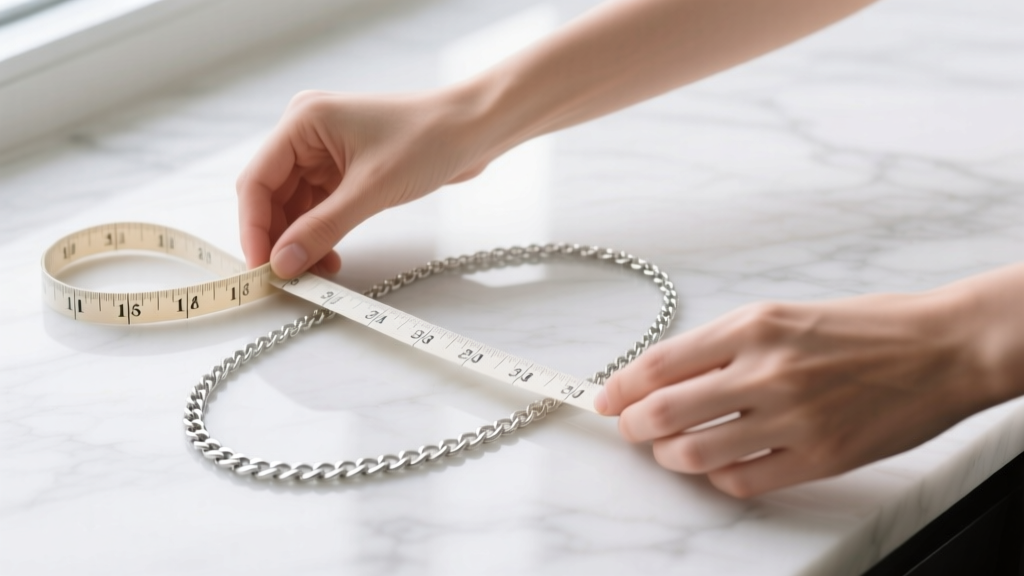
- The Jewelry Box Audit: Wait until the recipient is out of the house and measure their most-worn necklace. Lay it flat on a table, fully extended, and measure from the end of the clasp to the end of the jump ring. Do not include the pendant in your measurement.
- The String Proxy: If you only have access to a necklace they wear frequently but cannot measure it, use a piece of string to trace the exact curve of the chain while it is hanging on their jewelry stand or dress form, then measure the string later.
- The Extender Chain Safeguard: If you are forced to guess, purchase a necklace that includes a 2-inch extender chain. A 16-inch chain with a 2-inch extender effectively becomes a 16-18 inch adjustable necklace, covering the two most popular Princess sizes and drastically reducing your risk of a poor fit.
Hardware and Material Failure Points by Size
As necklace size increases, so does the physical stress on the hardware. A 30-inch opera chain weighs significantly more than a 14-inch choker, meaning the clasp and jump rings must be upgraded accordingly. According to manufacturing standards outlined by jewelry suppliers like Rio Grande, mismatching clasp strength to chain gauge is the leading cause of jewelry loss.
Expert Rule of Thumb: Never use a standard spring-ring clasp on any chain thicker than 1.0mm or longer than 20 inches. The internal tension spring inside a spring-ring is too weak to support the swinging momentum of a longer, heavier chain, leading to accidental unclasping.
For Matinee (20-24") and Opera (28-36") lengths, always ensure the necklace is finished with a lobster clasp or a box clasp with a figure-eight safety catch. Furthermore, check the soldered jump rings connecting the clasp to the chain. If the gap in the jump ring is wide enough to catch a fingernail, it will eventually snag on a sweater and pull apart, regardless of the metal's karat weight. For 14k and 18k gold chains over 22 inches, insist on laser-welded or fully soldered closed jump rings at the clasp connection points.
Final Gifting Checklist
Before wrapping your gift, run through this rapid E-E-A-T checklist to guarantee your necklace size and hardware choices are bulletproof:
- Does the chain length match the recipient's most common neckline (e.g., crew neck vs. V-neck)?
- Is the chain gauge (in millimeters) proportionate to the weight and millimeter size of the pendant?
- Is the clasp appropriate for the total weight and length of the metal?
- Did you include a 2-inch extender if you were uncertain about their exact collarbone measurement?
By treating necklace size as a precise technical specification rather than an afterthought, your gift will transition from a temporary surprise to a permanent, everyday staple in their wardrobe.


