Why You Need a Necklace Stabilizer for Tennis Necklace Styles
Discover how a necklace stabilizer for tennis necklace styles prevents flipping. Expert guide on counterweights, silicone grips, and chain mechanics.

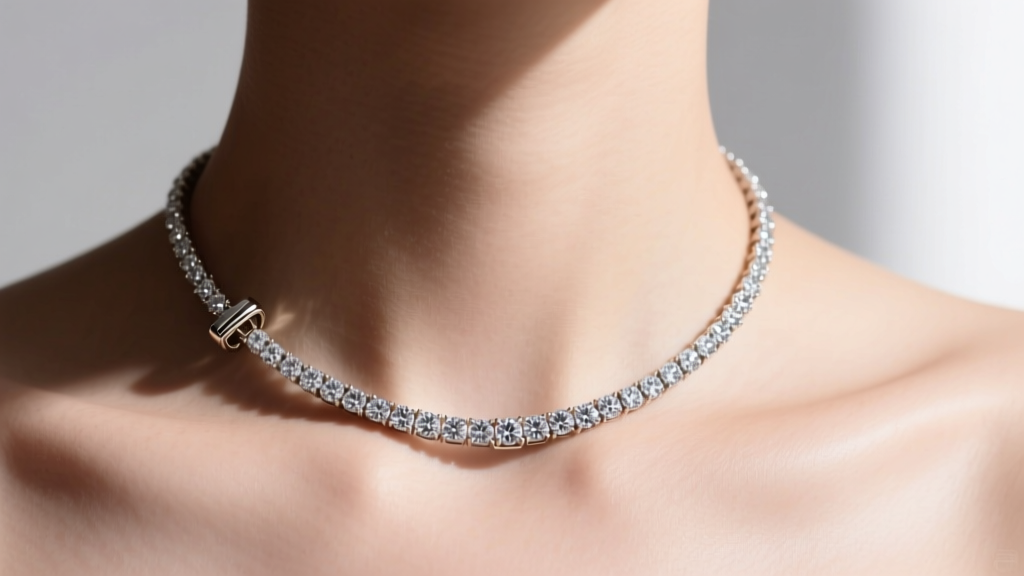
The Physics of the Flip: Why Tennis Necklaces Rotate
The tennis necklace is a cornerstone of fine jewelry, celebrated for its continuous line of diamonds or gemstones. However, wearers frequently encounter a frustrating mechanical failure: the necklace constantly flips, sliding the clasp to the front while the diamonds shift to the back. To understand why a necklace stabilizer for tennis necklace designs is not just a luxury but a structural necessity, we must examine the physics of asymmetrical mass distribution.
A standard 16-inch, 5.00-carat diamond tennis necklace weighs approximately 9 to 12 grams. Because diamonds possess a specific gravity of 3.52 and are set in dense precious metals, the frontal drape (the anterior 8 inches) holds roughly 70% of the total mass. Conversely, the posterior chain and the standard spring-ring or lobster clasp account for less than 1.5 grams. This severe center-of-gravity imbalance creates a pendulum effect. With every subtle movement of the wearer's neck, the heavier frontal section pulls downward and forward, causing the lighter posterior chain to rotate upward. According to manufacturing principles documented by Ganoksin, resolving this torque requires introducing a mechanical counterbalance or increasing the friction coefficient at the nape of the neck.
Types of Necklace Stabilizers: Technical Breakdown
Jewelers and materials engineers have developed several stabilizer mechanisms to combat this rotational force. Selecting the correct necklace stabilizer for tennis necklace configurations depends on the chain's gauge, the total carat weight, and the wearer's skin chemistry.
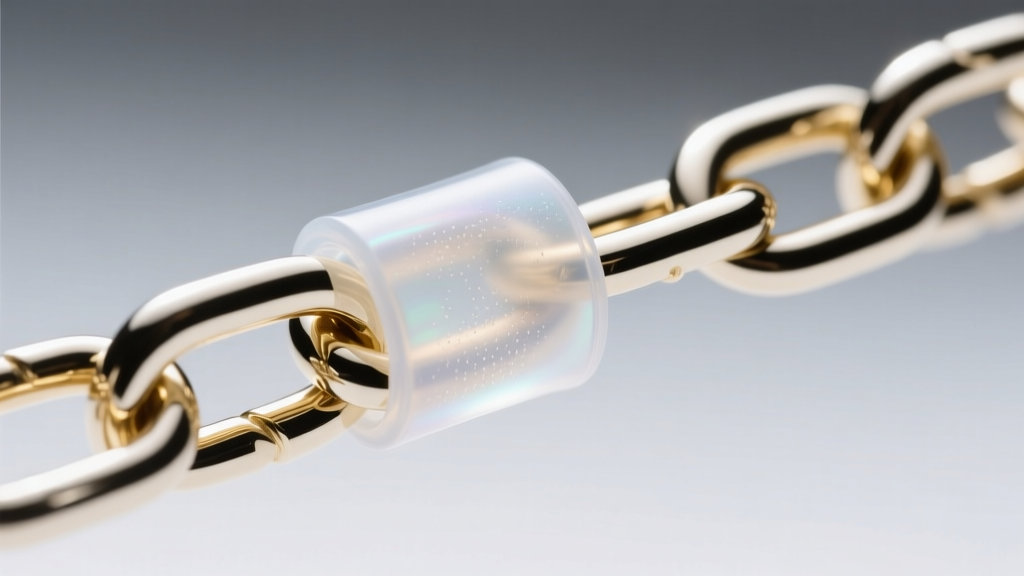
1. Silicone Friction Sleeves (The Quick Fix)
The most accessible stabilizer is a micro-sleeve crafted from platinum-cured, medical-grade silicone. These sleeves slide over the chain links or the clasp itself, resting against the skin at the cervical spine. The efficacy of this method relies on the material's durometer rating. A Shore A hardness of 40 to 50 provides the optimal balance between flexibility and surface friction. The high-tack surface of the silicone grips the skin, creating enough static friction to counteract the rotational torque of a 3-carat to 5-carat diamond drop. However, silicone is porous and susceptible to degradation from sebum, sweat, and cosmetic lotions, requiring replacement every 6 to 12 months.
2. Weighted Counterbalance Clasps (The Permanent Solution)
For high-carat tennis necklaces (8.00 CTW and above), friction is insufficient; mass must be countered with mass. Master jewelers fabricate custom counterbalance clasps featuring a hollowed-out 18k gold or platinum housing that conceals a high-density core, typically tungsten carbide or a tungsten-nickel alloy. Tungsten boasts a specific gravity of 19.25, nearly identical to gold, allowing a compact clasp to carry an additional 3 to 5 grams of weight. By matching the posterior weight to the anterior drape, the necklace achieves neutral equilibrium, effectively eliminating the flip without relying on skin friction.
3. PTFE-Coated Tension Wires (The Invisible Stabilizer)
For ultra-delicate micro-pave tennis chains (under 2.00 CTW) where a heavy clasp would distort the neckline, structural engineers utilize polytetrafluoroethylene (PTFE) tension wires. Instead of a traditional linked chain, the diamonds are bezel-set or prong-set into a continuous, flexible titanium or nitinol memory wire coated in PTFE. The inherent 'memory' of the nitinol wire forces the necklace to maintain a rigid collar shape, preventing rotation entirely. As noted in gemological and jewelry design research by the Gemological Institute of America (GIA), maintaining structural integrity in flexible diamond lines is critical to preventing prong fatigue and stone loss.
Material Grades and Failure Modes
When integrating a necklace stabilizer for tennis necklace styles, understanding material failure modes is critical to preventing catastrophic chain breaks or stone loss.
- Silicone Degradation: Exposure to isopropyl alcohol or chlorine causes platinum-cured silicone to swell and micro-tear, reducing the friction coefficient by up to 60%.
- Galvanic Corrosion in Counterweights: If a tungsten core is not properly sealed within a gold or platinum housing, moisture ingress can cause galvanic corrosion, leading to a seized clasp mechanism.
- Nitinol Fatigue: PTFE-coated memory wires will snap if bent past a 45-degree angle repeatedly. They must be stored flat or on a wide-radius velvet bust, never crumpled in a jewelry box.
Comparative Analysis of Stabilizer Mechanisms
| Stabilizer Type | Mechanism of Action | Material Grade | Max Supported CTW | Est. Cost Range (USD) |
|---|---|---|---|---|
| Silicone Friction Sleeve | Surface tension / Skin grip | Platinum-cured Silicone (Shore A 45) | Up to 5.00 CTW | $15 - $35 |
| Weighted Counterbalance | Mass equilibrium / Torque cancellation | 18k Gold housing, Tungsten core | 5.00 - 15.00+ CTW | $250 - $600+ |
| Magnetic Locking Clasp | Neodymium magnetic lock + mechanical catch | N52 Neodymium, 14k/18k Gold | Up to 8.00 CTW | $120 - $300 |
| Nitinol Memory Wire | Structural rigidity / Collar tension | Nitinol core, PTFE outer coat | Up to 3.00 CTW | $400 - $900 (Integrated) |
Step-by-Step Installation and Tension Calibration
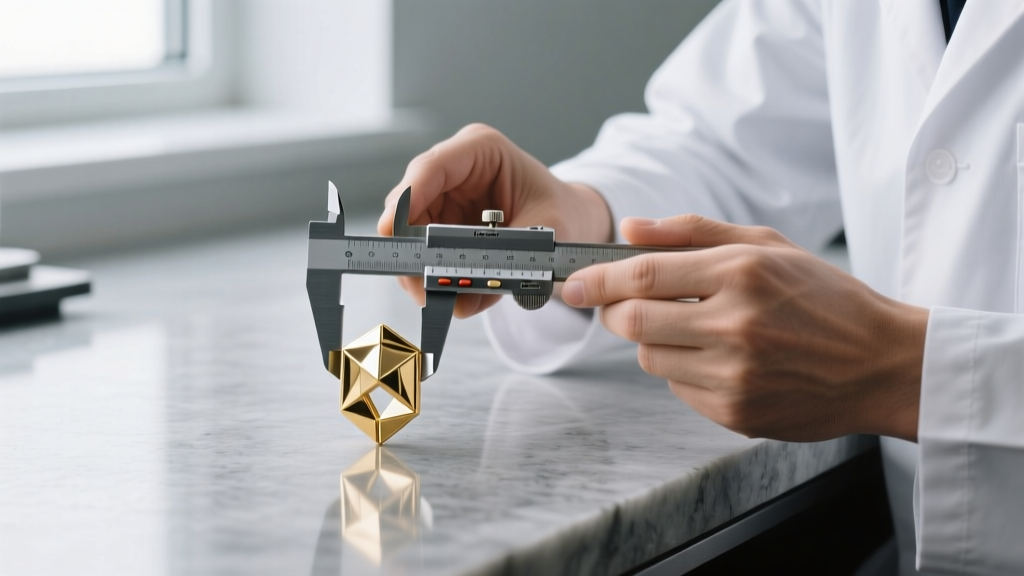
If you are retrofitting an existing tennis necklace with a weighted counterbalance clasp, the process requires precision bench jewelry work. Here is the standard operating procedure for professional calibration:
- Mass Calculation: The jeweler places the necklace on a digital scale, isolating the weight of the anterior diamond section versus the posterior chain.
- Clasp Milling: A custom box clasp is milled from a solid block of 18k gold, leaving a hollow posterior chamber.
- Core Insertion: A precision-cut tungsten cylinder is inserted into the chamber. The jeweler tests the necklace on a bust to verify neutral equilibrium.
- Laser Welding: Once the exact gram weight is achieved, the chamber is sealed using a laser welder to prevent heat damage to the adjacent diamond prongs (a risk when using traditional torch soldering).
- Safety Catch Integration: A figure-eight safety wire is soldered across the hinge to prevent accidental unspooling if the primary lever fails.
Maintenance and Long-Term Wear Considerations
A necklace stabilizer for tennis necklace designs requires specific maintenance protocols to ensure longevity. If utilizing a silicone sleeve, remove the necklace before swimming or applying aerosol cosmetics. Clean the silicone weekly using a mild, phosphate-free dish soap and a soft microfiber cloth; never use ultrasonic cleaners, as the high-frequency cavitation will degrade the polymer matrix.
For weighted clasps and magnetic locks, the primary maintenance concern is the accumulation of ferrous dust and skin cells within the locking mechanism. Use a soft-bristled brush and a gentle degreaser to clear the crevices monthly. Furthermore, the introduction of a stabilizer alters the tensile stress points on the chain. Have your jeweler inspect the two links immediately adjacent to the counterbalance clasp every six months, as the increased posterior weight can accelerate metal fatigue and link elongation over time.
"The integration of counterbalance mechanics in high-carat flexible jewelry is not merely an aesthetic choice; it is a critical structural intervention that prevents localized stress fractures on diamond prongs caused by continuous chain rotation."
By understanding the underlying physics and material science of jewelry mechanics, you can select the precise necklace stabilizer for tennis necklace styles, ensuring your diamonds remain perfectly positioned and structurally secure for decades of wear.


