How to Choose and Wear a Necklace Talisman for Everyday Protection
Discover how to choose, style, and care for a necklace talisman. Learn about protective symbols, durable metals, and chain pairings for daily wear.
What Exactly is a Necklace Talisman?
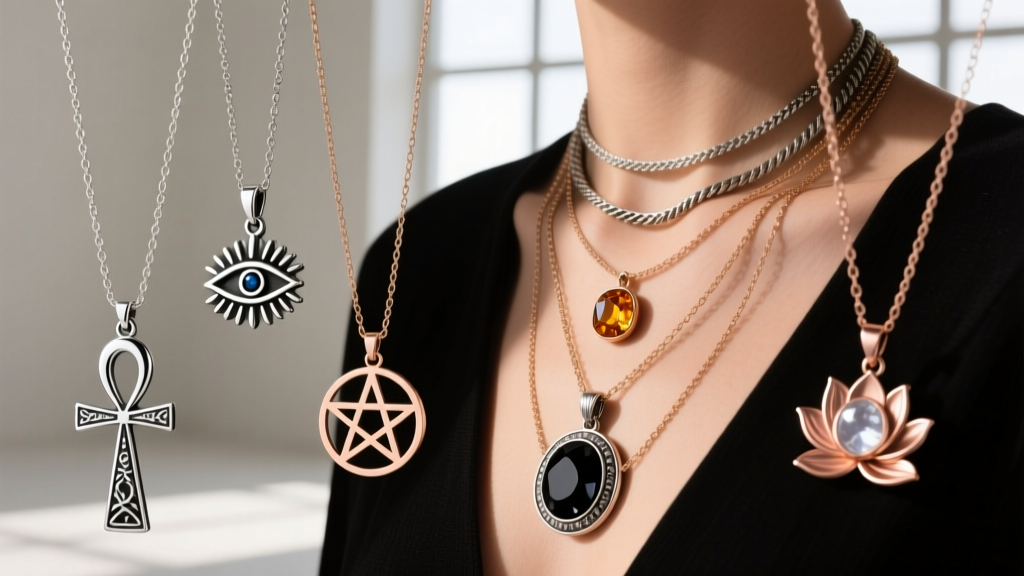
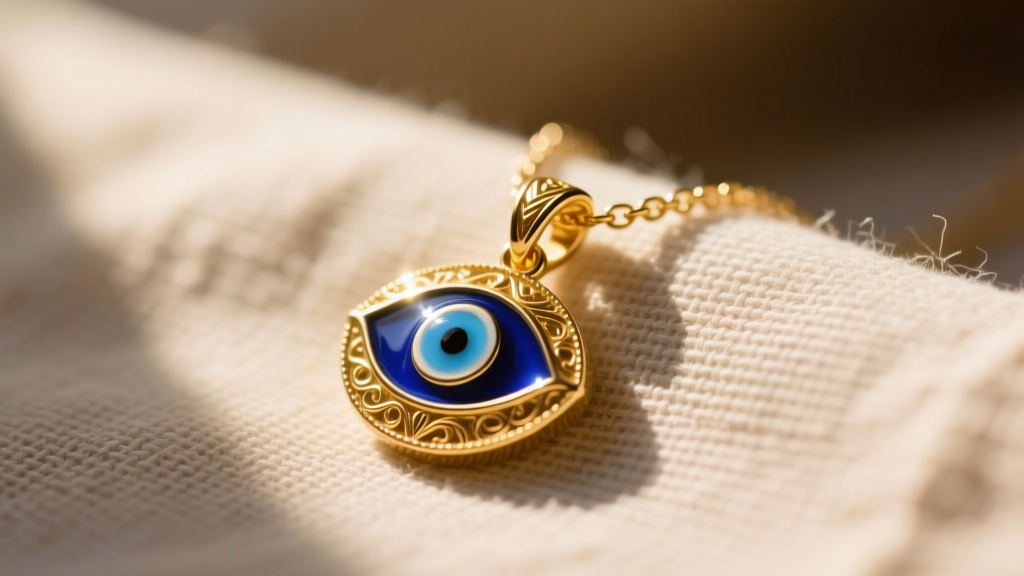
While often used interchangeably with amulets, a necklace talisman is specifically designed to attract positive energy, grant power, or bring luck to the wearer, whereas amulets are meant to repel evil. For centuries, humans have worn these symbolic pendants close to the heart. Today, the modern talisman necklace bridges the gap between ancient spiritual practices and contemporary 2026 jewelry styling. Whether you are drawn to the protective gaze of an evil eye, the grounding energy of a raw crystal, or the directional focus of a compass rose, choosing the right piece requires an understanding of both symbolic meaning and material science.
Because talismans are meant to be worn daily as a constant source of comfort or intention, they must withstand the rigors of everyday life. This means looking past the initial design and evaluating the metal grade, the gemstone hardness, and the structural integrity of the chain. This beginner-friendly guide will break down exactly how to select, pair, and care for your daily protective jewelry.
Popular Talisman Symbols and Their Meanings
Before diving into metals and chains, it is essential to choose a symbol that aligns with your personal intentions. Here is a breakdown of the most sought-after talisman motifs in contemporary jewelry design:
| Symbol | Origin / History | Core Intention | Best Metal Pairing |
|---|---|---|---|
| Evil Eye (Nazar) | West Asia / Mediterranean | Deflecting jealousy and negative energy | 14k Yellow Gold (enhances the blue enamel contrast) |
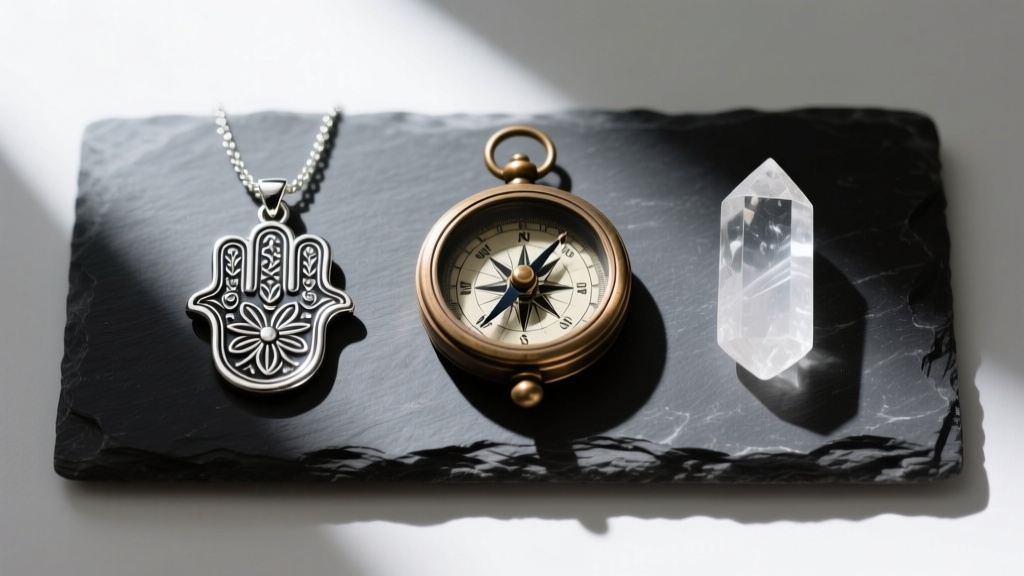
| Hamsa Hand | Middle East / North Africa | Protection, health, and happiness | Sterling Silver or Oxidized Bronze |
| Tree of Life | Celtic / Norse / Universal | Grounding, family roots, and growth | Rose Gold or Copper |
| Compass Rose | Maritime / Navigational | Guidance, finding one's path, safe travels | White Gold or Platinum |
| Seed of Life | Sacred Geometry | Creation, new beginnings, and harmony | High-Polish 18k Gold |
Choosing the Right Metal for Daily Wear
A necklace talisman is only as durable as the metal it is cast in. Since you will likely wear this piece through showers, workouts, and sleep, material selection is critical.
The Gold Standard: 14k vs. 18k
Pure 24k gold is far too soft (rating a mere 2.5 on the Mohs hardness scale) for a daily-wear pendant bail, which experiences constant friction against the chain. 14k solid gold (58.5% pure gold alloyed with metals like copper and zinc) is the ultimate sweet spot for talismans. It offers excellent tarnish resistance and the structural rigidity needed to keep the bail from bending open. 18k gold (75% pure) is richer in color but slightly softer, making it better suited for heavier, thicker-cast pendants rather than delicate filigree work.
Sterling Silver and the Tarnish Factor
925 Sterling Silver is a classic choice, especially for intricate Hamsa or Pagan-inspired talismans. However, the 7.5% copper content makes it prone to oxidation when exposed to the sulfur in human sweat and environmental humidity. If you choose silver, look for pieces that feature a rhodium flash—a microscopic plating (usually 0.1 to 0.5 microns thick) that acts as a transparent barrier against tarnish while giving the silver a bright, white-gold-like finish.
Gemstone Considerations: Porosity and Hardness
Many talismans feature cabochon gemstones. According to the Gemological Institute of America (GIA), stones like Turquoise (Mohs 5-6) and Malachite (Mohs 3.5-4) are highly porous and sensitive to acids. Natural turquoise can absorb skin oils and darken over time. For a daily-wear talisman, seek out stabilized turquoise, which has been treated with a clear epoxy resin under pressure to harden the stone and lock out moisture, ensuring the vibrant blue color remains permanent.
Chain Pairings: Matching the Pendant to the Chain
A common beginner mistake is pairing a heavy, meaningful talisman with a flimsy chain that eventually snaps. The relationship between the pendant's bail (the loop at the top) and the chain's gauge (thickness) dictates the longevity of your necklace.
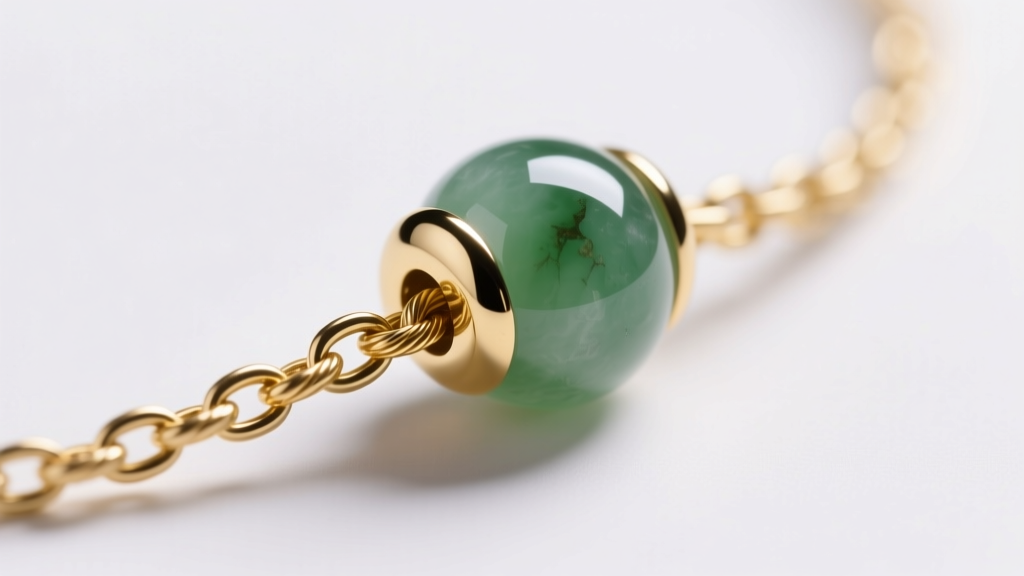
- Lightweight Talismans (Under 5 grams): Pair with a 1.2mm to 1.5mm cable chain or a delicate 1.0mm box chain. These chains slide easily through standard 3mm bails and offer a minimalist look that lets the symbol take center stage.
- Medium Talismans (5 to 15 grams): Opt for a 1.8mm to 2.2mm rope chain or a 2.0mm Figaro chain. The twisted links of a rope chain provide exceptional tensile strength and resist kinking, which is vital for pendants that move around frequently.
- Heavy Amulets (Over 15 grams): You need structural integrity. Choose a 3.0mm to 4.0mm Cuban link or wheat chain. Ensure the pendant has a soldered, heavy-duty bail (preferably 5mm or larger in inner diameter) to accommodate the thick links without causing abrasive wear to the metal.
Always check the inner diameter of the pendant's bail before purchasing a chain. A good rule of thumb is to leave at least 0.5mm to 1.0mm of clearance between the chain's thickness and the bail's inner width to allow the pendant to lay flat against your chest.
Layering Your Talisman: A Beginner's Framework
In 2026, the trend of the 'curated neckmess' remains dominant, but layering a meaningful talisman requires a strategic approach so the symbol doesn't get lost in the clutter. Use the Two-Inch Rule to create visual separation:
- The Anchor (16 inches): Start with a simple, lightweight chain or a small pearl choker sitting at the base of the neck.
- The Focal Point (18 to 20 inches): This is where your necklace talisman lives. It should rest on the upper chest, drawing the eye directly to the symbol.
- The Elongator (22 to 24 inches): Finish with a longer, heavier chain, perhaps featuring a simple geometric bar or a raw, unpolished crystal point to frame the central talisman.
By varying the chain textures (e.g., a smooth box chain for the anchor, a twisted rope for the talisman, and a beaded chain for the elongator), you create depth and prevent the chains from tangling together throughout the day.
Care and Cleansing Rituals
Because talismans are deeply personal, maintaining them goes beyond basic jewelry cleaning. From a material standpoint, avoid ultrasonic cleaners if your talisman features porous stones like lapis lazuli or opal, as the high-frequency vibrations can cause internal fracturing. Instead, use a soft-bristled baby toothbrush with a drop of mild dish soap and lukewarm water. For the energetic upkeep of your piece, many jewelers and wearers recommend periodically resting the necklace on a slab of selenite or leaving it under the light of a full moon to 'reset' the stone's energetic properties, ensuring your daily armor remains as vibrant as the day you first clasped it.


