Necklace Tree of Life: 2026 Trend & Style Analysis
Discover how the necklace tree of life motif is evolving in 2026. Explore modern metals, styling techniques, and what to avoid in this trend analysis.

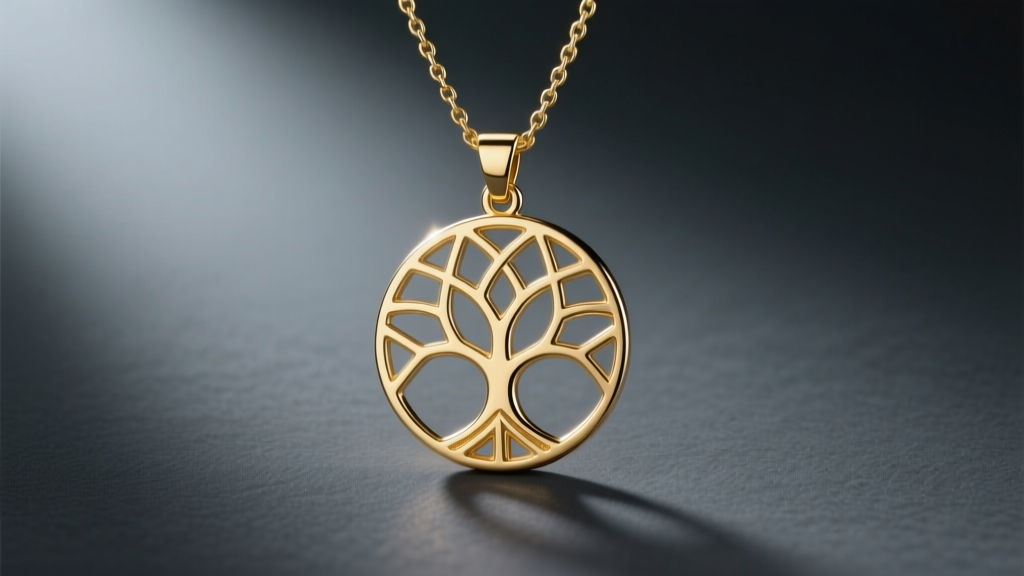
The tree of life has been a cornerstone of jewelry symbolism for centuries, representing connection, growth, and ancestral roots. However, if you are still picturing the chunky, wire-wrapped crystal pendants that dominated the boho-chic era of the 2010s, it is time to update your visual database. As we navigate the jewelry landscape of 2026, the necklace tree of life has undergone a radical transformation. Today’s iterations are defined by architectural minimalism, botanical accuracy, and advanced metallurgy. This comprehensive style and trend analysis breaks down exactly how this ancient motif is being reimagined for the modern wardrobe, what materials to invest in, and how to avoid the mass-market pitfalls that plague this popular category.
The 2026 Shift: From Wire-Wrapped to Architectural
The most significant shift in the 2026 market is the move away from手工 wire-wrapping toward precision CAD (Computer-Aided Design) casting and laser sintering. Modern jewelers are treating the tree of life not just as a spiritual symbol, but as a study in structural engineering and negative space. According to trend forecasts from Vogue Business, consumers are increasingly gravitating toward 'quiet luxury' and 'architectural nature'—designs that mimic the fractal geometry of real trees rather than relying on generic, symmetrical templates.
In 2026, the most coveted designs feature asymmetrical branch structures, micro-pavé root systems, and open-work canopies that allow the wearer's skin or clothing to become part of the design. The silhouette has also elongated; rather than the traditional circular medallion, contemporary pieces often take the form of vertical, elongated pendants that follow the natural line of the sternum, creating a slimming and elegant visual effect.
Material Grades & Metallurgy: What to Buy in 2026
The base metal of your pendant dictates its longevity, skin compatibility, and overall value. The market is currently saturated with cheap brass alloys masked by flash plating, making material literacy essential for the modern buyer.
The Rise of Argentium 935 Silver
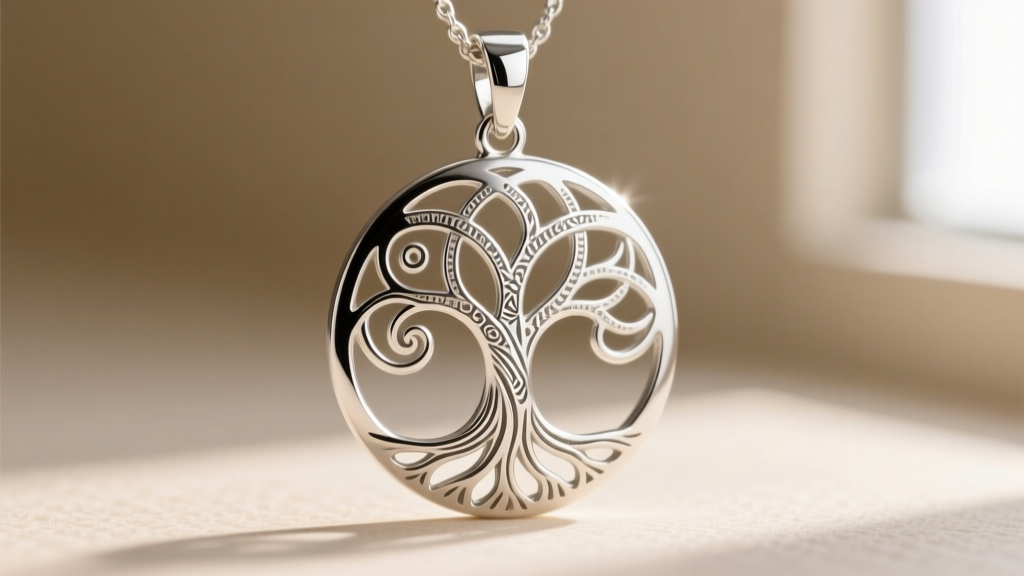
Standard 925 sterling silver is prone to tarnishing due to its copper content. In 2026, high-end artisans and progressive brands are switching to Argentium 935 silver, an alloy that replaces some of the copper with germanium. This creates a highly tarnish-resistant, hypoallergenic metal that maintains a brilliant white luster for years without requiring constant polishing. When shopping for a silver tree of life, always look for the '935' stamp or explicit Argentium branding.
Recycled 14k and 18k Gold
Sustainability is no longer a niche demand; it is a baseline expectation. The finest tree of life pendants are now cast in 100% recycled gold. 14k gold (58.5% pure gold) remains the sweet spot for everyday wear due to its superior tensile strength, which is crucial for the thin, delicate branches of the tree motif. 18k gold offers a richer, warmer hue but requires slightly thicker branch structures to prevent bending.
| Metal Grade | Tarnish Resistance | Durability (Branch Strength) | Average Price Range |
|---|---|---|---|
| Argentium 935 Silver | Excellent | High (Requires 1.2mm+ thickness) | $120 - $280 |
| Recycled 14k Yellow Gold | Perfect | Very High (Ideal for micro-details) | $450 - $900 |
| Recycled 18k Rose Gold | Perfect | Moderate (Requires thicker casting) | $600 - $1,200 |
| Grade 5 Titanium | Excellent | Extreme (Lightweight, unbreakable) | $80 - $150 |
Gemstone Integration: Beyond the Tumbled Bead
The days of gluing irregular, tumbled quartz beads into the branches are over. The Gemological Institute of America (GIA) notes a massive surge in the use of precision-cut, lab-grown stones integrated directly into the metalwork. Look for rose-cut lab-grown sapphires nestled in the roots, or flush-set (gypsy-set) lab diamonds along the trunk. Flush setting ensures the stones sit perfectly level with the metal, preventing them from snagging on knitwear or silk.
Styling the Tree of Life: Necklines & Layering Frameworks
A tree of life pendant is inherently intricate, meaning it requires strategic styling to prevent it from looking cluttered. The chain you choose is just as important as the pendant itself.
The Solo Statement: Length and Proportion
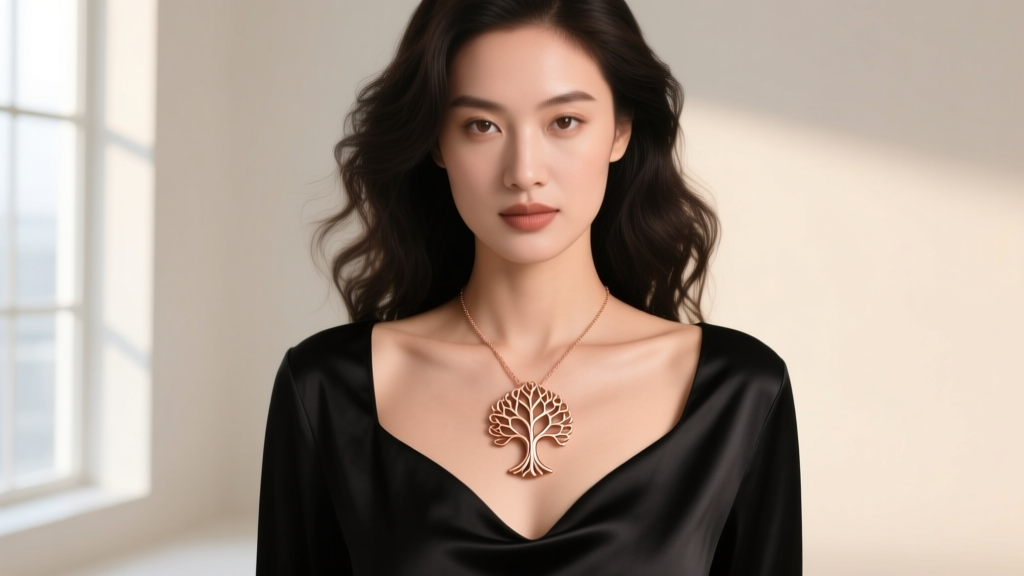
For a standalone piece, the ideal chain length is 18 inches. This places the pendant precisely at the hollow of the collarbone, framing the face and allowing the intricate branch details to catch the light. Pair this with a 1.2mm to 1.5mm cable chain or a sleek box chain. Avoid thick, chunky chains (like heavy Cuban links), as they will visually overpower the delicate nature of the tree motif and create a disjointed aesthetic.
The 2026 Layering Protocol
Layering remains a dominant trend, but the approach has become much more disciplined. If you are layering a necklace tree of life, adhere to the 'Rule of Three' with strict length separation:
- Layer 1 (14-16 inches): A simple, unadorned 1.0mm snake chain or herringbone chain that sits tight against the neck.
- Layer 2 (18 inches): Your tree of life pendant on a delicate cable chain. This is the focal point.
- Layer 3 (22-24 inches): A heavier, textured chain (like a paperclip or rolo chain) featuring a simple geometric drop or a single solitaire diamond.
"The key to layering symbolic pendants in 2026 is negative space. You need at least two inches of bare skin or fabric between each chain to allow the eye to parse the individual designs. Crowding them together turns a curated look into a tangled mess." — Senior Jewelry Stylist, Jewel Style Radar.
Matching Necklines
The tree of life motif thrives on contrast. It looks exceptionally striking against a deep V-neck, which naturally draws the eye down to the pendant. It also pairs beautifully with structured blazers and crisp button-down shirts left unbuttoned at the top two buttons. Avoid high, ruffled collars or heavily patterned tops, which will compete with the intricate metalwork and cause the pendant to get lost in the visual noise.
Red Flags: Identifying Low-Quality Pendants
Because the tree of life is such a popular motif, the market is flooded with poorly manufactured pieces. When evaluating a potential purchase, inspect the following critical failure points:
- Branch Thickness (The Snap Test): If the terminal branches (the thinnest tips) are cast at less than 0.8mm in base metals like silver, they are highly susceptible to snapping under minor lateral pressure. High-quality pieces will taper gracefully but maintain a structural core of at least 1.0mm.
- Jump Ring Integrity: The jump ring connecting the pendant to the chain is the most common point of failure. Ensure the jump ring is soldered shut or is a heavy-gauge split ring (minimum 18-gauge). Thin, unsoldered jump rings will inevitably pull apart when the pendant catches on clothing.
- Flash Plating Deception: Be deeply suspicious of 'gold-plated' tree of life pendants priced under $40. These are typically cast from cheap zinc or brass alloys and coated with a microscopically thin layer of gold via flash plating. The friction from the chain will wear through this plating in weeks, exposing the reactive base metal which will turn your skin green and trigger contact dermatitis.
Expert Verdict & Market Pricing
The necklace tree of life has successfully shed its dated, mass-market reputation to become a sophisticated staple of the modern jewelry wardrobe. By prioritizing architectural designs, advanced alloys like Argentium silver, and precision-set lab-grown gemstones, today's jewelers have elevated this ancient symbol into a masterclass of contemporary metallurgy.
When budgeting for a high-quality piece, expect to invest between $150 and $400 for premium artisan silver and titanium designs, and $600 to $1,500 for solid 14k or 18k gold iterations from reputable fine jewelers. Avoid the $20 to $50 mass-market tier entirely; the cost of replacing a broken, poorly cast pendant far outweighs the initial savings. Choose a piece with structural integrity, botanical elegance, and metallurgical transparency, and your tree of life will remain a resilient, timeless fixture in your collection for decades to come.


