How Much Is a Necklace Worth? Care & Value Preservation
Wondering how much is a necklace worth? Learn expert cleaning and storage tips to preserve your fine jewelry's appraisal and resale value over time.

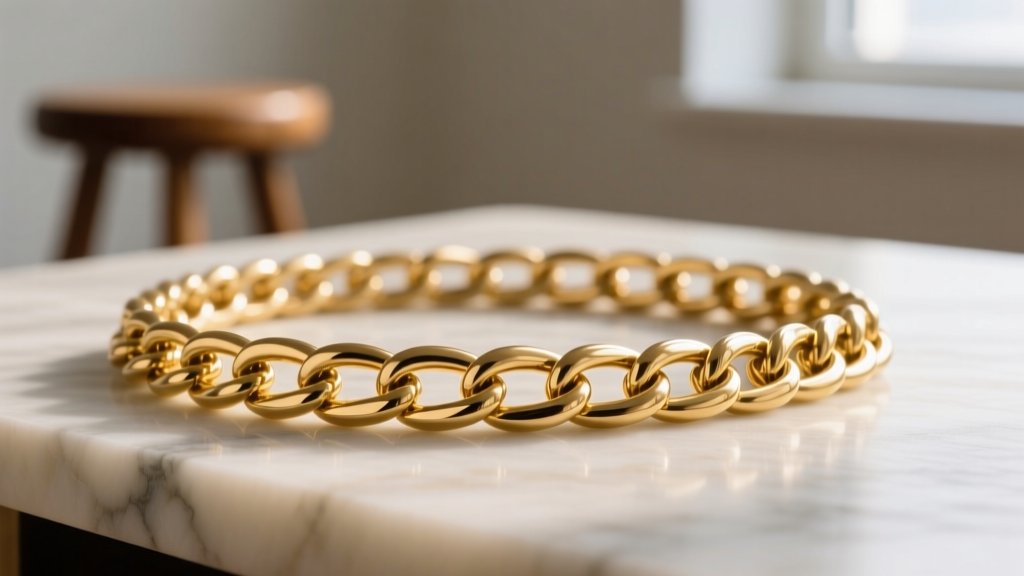
The True Cost of Neglect: Condition and Appraisal Value
When evaluating estate jewelry, preparing for an insurance update, or considering a resale, the most common question we hear is, how much is a necklace truly worth? The answer goes far beyond the current spot price of gold or the carat weight of a diamond pendant. In the 2026 fine jewelry market, condition is the ultimate multiplier. A poorly maintained necklace can lose 20% to 40% of its fair market value due to micro-abrasions, degraded gemstone treatments, and weakened structural links.
Understanding how to properly clean, maintain, and store your necklaces is not just about keeping them shiny; it is a critical financial strategy to protect your investment. Whether you own a delicate 14K gold cable chain or a heavy platinum pendant set with high-color diamonds, the maintenance protocols differ drastically. Below, we break down the exact, professional-grade care techniques required to preserve the appraisal value of your most prized necklaces.
Decoding Metal Alloys: Why Your Chain Tarnishes
To clean a necklace properly, you must first understand its metallurgical composition. Pure 24K gold is too soft for chain links, so it is alloyed with other metals. These secondary metals are the culprits behind tarnish and structural degradation.
14K and 18K Gold Chains
An 18K gold necklace contains 75% pure gold, while 14K contains 58.3%. The remaining percentage consists of alloys like copper, zinc, and silver. Copper provides strength but reacts with oxygen and sulfur to create dark tarnish. Zinc can cause whitish oxidation. To clean gold chains without stripping their natural luster, avoid commercial "dip" cleaners, which often contain thiourea—a harsh chemical that can cause micro-pitting over time.
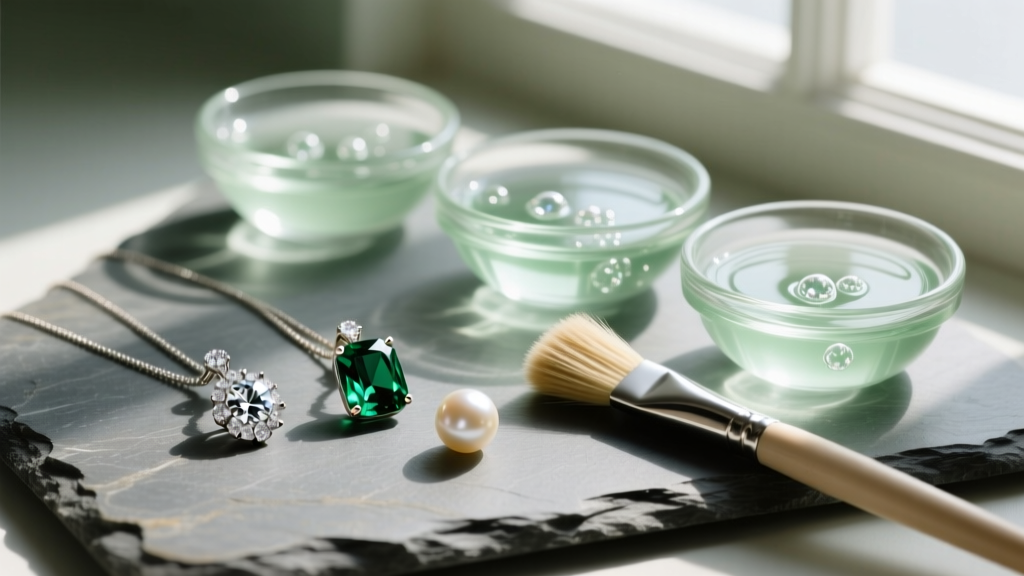
- The Safe Method: Mix three drops of phosphate-free dish soap (like Dawn) into a bowl of lukewarm distilled water. Soak for 15 minutes.
- The Agitation: Gently agitate with a baby-soft toothbrush. Standard toothbrushes have bristles that can trap debris and scratch high-polish gold links.
- The Drying: Pat dry with a lint-free microfiber cloth. Never use paper towels, as the wood pulp fibers will leave micro-scratches on 18K gold.
Platinum and Palladium
Platinum (usually 95% pure, marked Pt950) does not tarnish or lose metal when scratched; instead, the metal is displaced, creating a soft, matte finish known as a patina. While some collectors love this look, a high-polish finish commands a premium in resale. To maintain platinum's mirror finish, professional buffing with a specialized rouge is required every 2-3 years. At home, simply wash with mild soap and water to remove skin oils that dull the surface reflection.
Sterling Silver (925)
Sterling silver is 92.5% silver and 7.5% copper. The copper makes it highly susceptible to hydrogen sulfide in the air, resulting in black silver sulfide. Never use toothpaste to clean silver; the Relative Dentin Abrasivity (RDA) of toothpaste is far too high and will permanently scratch the silver, lowering its numismatic and jewelry value.
Expert Warning: If your sterling silver necklace is rhodium-plated to prevent tarnish, aggressive polishing cloths will strip the rhodium layer, exposing the raw silver beneath and necessitating a $40-$60 professional re-plating.
Gemstone and Pendant Care: Avoiding Value-Destroying Mistakes
The pendant attached to your chain often holds the bulk of the necklace's monetary value. Gemstones require highly specific care based on their Mohs hardness and internal treatments. Using the wrong cleaning method can instantly destroy a stone's clarity and value.
| Gemstone | Mohs Hardness | Ultrasonic Safe? | Steam Safe? | Primary Value Risk |
|---|---|---|---|---|
| Diamond | 10 | Yes (with caveats) | Yes | Girdle chipping; fracture-fill clouding |
| Emerald | 7.5 - 8 | NO | NO | Removal of cedar oil treatments, exposing fractures |
| Ruby / Sapphire | 9 | Usually Yes | Yes | Heat-treated stones are safe; glass-filled are not |
| Opal | 5.5 - 6.5 | NO | NO | Dehydration leading to crazing (cracking) |
| Pearl | 2.5 - 4.5 | NO | NO | Dissolution of nacre; silk thread stretching |
The Ultrasonic Trap
Ultrasonic cleaners use high-frequency sound waves to create microscopic cavitation bubbles that blast dirt from crevices. While excellent for plain gold chains, they are deadly for certain gems. According to the Gemological Institute of America (GIA), diamonds that have undergone fracture filling (such as the Yehuda process) will turn cloudy and white when exposed to ultrasonic vibrations and steam. Furthermore, emeralds are almost universally treated with oils or resins to mask natural inclusions; ultrasonic waves will vibrate these fillers right out of the stone, leaving it looking heavily included and dropping its appraisal value by thousands of dollars.
Organic Gems: Pearls and Coral
Pearl necklaces require entirely different maintenance. Pearls are organic and highly porous. Never submerge a pearl necklace in water. The water will seep into the drill holes, causing the internal silk thread to stretch, rot, and eventually snap. The GIA's pearl care guidelines recommend wiping pearls with a soft, damp cloth after every wear to remove acidic skin oils, which can slowly dissolve the nacre and destroy the pearl's orient (its unique iridescence).
Professional Maintenance: When to Call the Jeweler
Home cleaning only addresses surface dirt. To maintain the structural integrity—and therefore the insurable value—of a fine necklace, professional maintenance is mandatory. Here is what you should budget for annually:
- Prong Inspection and Retipping ($25 - $50 per prong): A worn prong can lose a center diamond. A jeweler will use a microscope to check for metal fatigue.
- Rhodium Re-plating ($45 - $85): Essential for white gold pendants and chains to maintain their bright, silvery-white appearance. Yellowing white gold significantly lowers perceived resale value.
- Clasp and Jump Ring Soldering ($30 - $60): The spring ring or lobster clasp on a chain is the most common failure point. If the jump ring connecting the clasp to the chain is open, it must be laser-welded or soldered shut to prevent catastrophic loss.
Strategic Storage: Preventing Micro-Abrasions and Tarnish
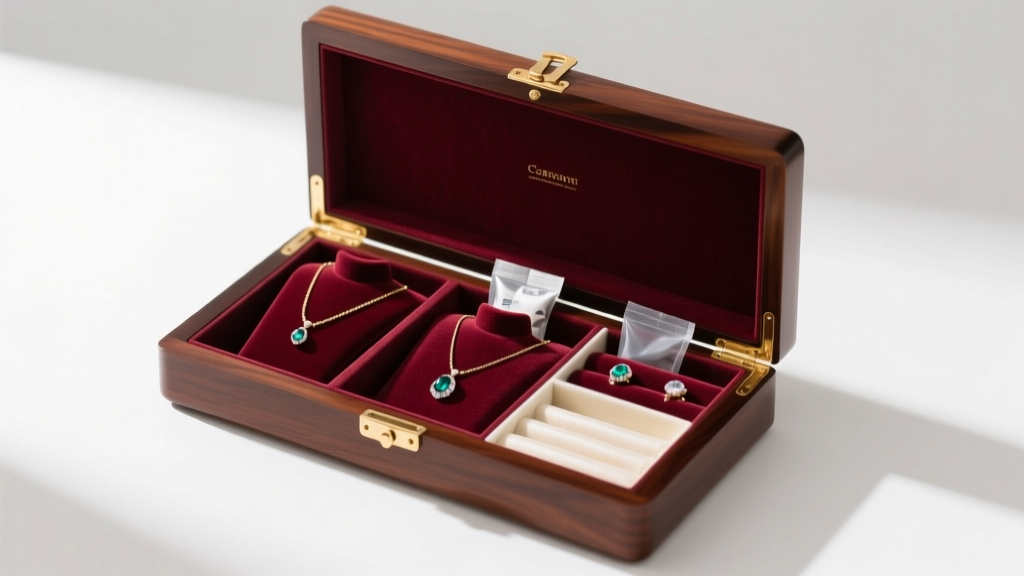
How you store your necklace when it is not around your neck directly impacts its long-term condition. Tossing multiple necklaces into a single drawer guarantees tangled chains and micro-scratches caused by diamonds rubbing against softer metals and stones.
Humidity and Sulfur Control
For silver and low-karat gold necklaces, environmental control is key. Store pieces in airtight ziplock bags with 3M anti-tarnish strips, which actively absorb airborne sulfur compounds. Alternatively, wrap necklaces in Pacific Silvercloth, a specialized cotton fabric embedded with microscopic silver particles that tarnish instead of your jewelry.
Suspension vs. Flat Storage
Heavy chain necklaces (like Cuban links or Figaro chains) should be laid flat or hung on a wide, padded hook to prevent the links from pulling and warping under their own weight. Delicate chains (like box or snake chains) are prone to kinking; they must be stored completely flat or suspended without any bends. A kinked snake chain is nearly impossible to repair perfectly and will permanently reduce the necklace's market value.
Final Thoughts on Preserving Value
So, how much is a necklace worth? Ultimately, its value is dictated by the intersection of its intrinsic materials and its physical condition. By avoiding abrasive DIY hacks, understanding the chemical vulnerabilities of your specific gemstones, and investing in routine professional inspections, you ensure that your necklace remains a pristine, appreciating asset for decades to come. Always keep your original appraisal documents updated every 3 to 5 years to reflect current market replacements, and never let poor maintenance be the reason your fine jewelry loses its financial luster.


