Ultimate Care Guide for Your Gold and Silver Chain Necklace
Learn expert techniques to clean, polish, and store your gold and silver chain necklace. Prevent tarnish and breakage with our detailed maintenance guide.

The Chemistry of Tarnish and Sebum Build-up
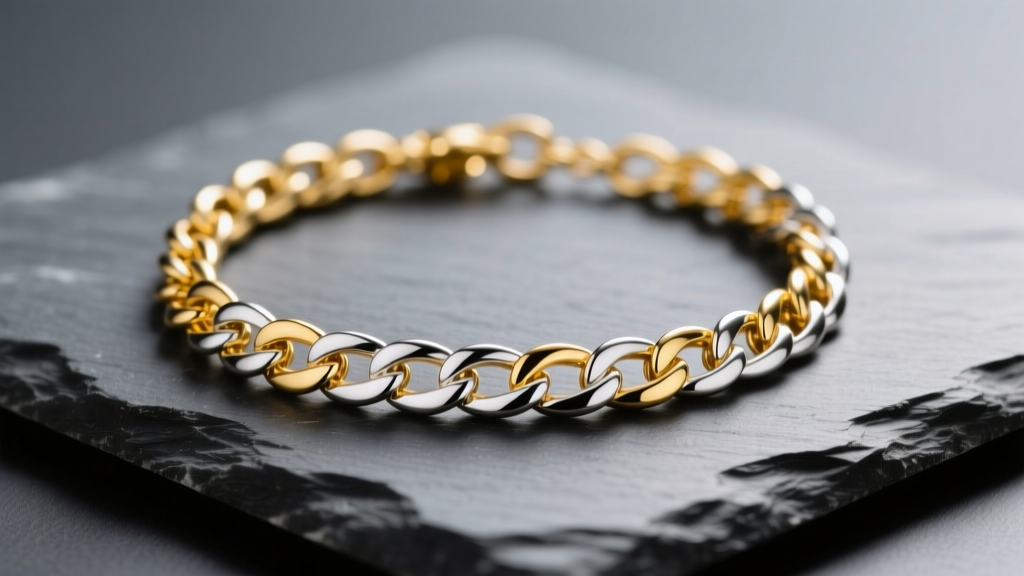
Maintaining a gold and silver chain necklace requires an understanding of the distinct metallurgical properties of both metals. Pure 24k gold is virtually immune to tarnish, but the chains we wear are typically 14k (58.5% gold) or 18k (75% gold). The remaining alloy metals—usually copper, zinc, and nickel—are highly reactive. When exposed to the sulfur compounds in human sweat, environmental pollution, and certain cosmetics, these alloys oxidize, leading to a dull, darkened film.
Sterling silver (92.5% silver, 7.5% copper) faces a more aggressive chemical reaction. Silver reacts with hydrogen sulfide in the air to form silver sulfide, the blackish layer we commonly call tarnish. According to the Gemological Institute of America (GIA), the accumulation of sebum, dead skin cells, and lotions creates a hydrophobic barrier on chain links, trapping these reactive sulfur compounds against the metal and accelerating the tarnishing process in the crevices of cable, rope, and figaro chains.
Step-by-Step Cleaning Protocols
Because a gold and silver chain necklace often features two-tone links or mixed-metal layering, you must use cleaning agents that are safe for both metals simultaneously. Harsh chemicals designed exclusively for silver can strip the polished finish from gold alloys or damage the solder points connecting the links.
Cleaning 14k and 18k Gold Alloys
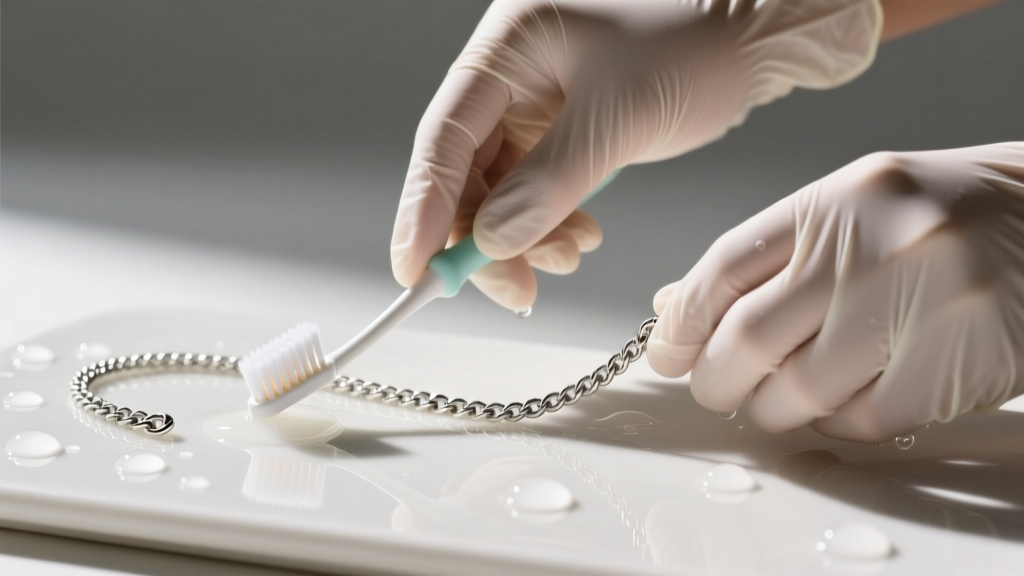
For routine maintenance of gold links, avoid commercial jewelry dips. Instead, use a pH-neutral surfactant. Mix three drops of mild dish soap (like Dawn) into a bowl of warm distilled water. Distilled water is critical; tap water contains chlorine and hard minerals that can leave microscopic calcium deposits on the gold links. Let the chain soak for 15 to 20 minutes to break down the sebum barrier. Gently agitate the chain, then use an ultra-soft baby toothbrush to sweep the bristles along the interlocking links. Rinse thoroughly in a separate bowl of distilled water and pat dry with a lint-free microfiber cloth.
Restoring Sterling Silver (925)
Silver requires a slightly more abrasive approach to remove existing silver sulfide. Never use toothpaste; its high Relative Dentin Abrasivity (RDA) score will scratch the silver, creating micro-grooves that actually attract tarnish faster in the future. Instead, use a specialized silver polishing cloth impregnated with jeweler's rouge and mild anti-tarnish agents. For heavy tarnish on a silver chain, a paste made of Wright's Silver Cream and water applied with a damp sponge is highly effective. According to the Assay Office London, always rub in the direction of the metal's grain or the chain's structural pattern to avoid cross-scratching.
Chemical Compatibility Matrix
When dealing with mixed-metal jewelry or layering a gold and silver chain necklace, choosing the wrong chemical agent can cause irreversible galvanic corrosion or discoloration. Refer to this compatibility chart before applying any commercial cleaner:
| Cleaning Agent | 14k/18k Gold Safe? | Sterling Silver Safe? | Expert Notes & Risks |
|---|---|---|---|
| pH-Neutral Dish Soap | Yes | Yes | Best for routine sebum removal. Safe for all chain styles. |
| Thiourea Silver Dips | No | Use with Caution | Strips silver tarnish instantly but leaves microscopic pits. Can dull gold alloys. |
| Baking Soda & Aluminum | No | No | Electrochemical reaction is too harsh for delicate chain solders and antique patinas. |
| Jeweler's Rouge Cloth | Yes | Yes | Mildly abrasive. Excellent for final polishing and restoring high-shine finishes. |
| Ammonia Solutions | Yes (Briefly) | No | Can cause stress-corrosion cracking in silver alloys and weaken gold jump rings. |
The Ultrasonic Cleaner Debate
Ultrasonic cleaners use high-frequency sound waves (typically 40 to 45 kHz) to create cavitation bubbles in a liquid solvent, which implode and blast dirt from microscopic crevices. While this technology is miraculous for cleaning diamond pendants, it poses severe risks to a gold and silver chain necklace. The intense micro-vibrations can fatigue the metal at the solder points of the links, leading to chain breakage. Furthermore, if your silver chain features intentional oxidation (blackened crevices for contrast) or is plated with black rhodium, an ultrasonic cleaner will strip the finish entirely, leaving the piece looking flat and uneven. Reserve ultrasonic cleaning only for solid, unsoldered chain styles like heavy curb chains, and never use it on hollow-core ropes.
Storage and Prevention Framework
Preventing tarnish is vastly superior to constantly polishing your jewelry, which slowly wears away the metal over decades. The primary enemy of silver is sulfur, and the primary enemy of gold alloys is moisture and friction.
- Ditch the PVC: Never store your chains in polyvinyl chloride (PVC) plastic bags or cheap vinyl jewelry rolls. PVC off-gases sulfur and acidic compounds that will rapidly blacken sterling silver. Always use archival-quality polyethylene ziplock bags.
- Anti-Tarnish Strips: Place a 3M anti-tarnish strip inside your storage container. These strips utilize copper-based polymers to absorb and neutralize airborne sulfur compounds before they reach your silver links.
- Pacific Silvercloth: For long-term storage, wrap your gold and silver chain necklace in Pacific Silvercloth. This specialized cotton fabric is embedded with microscopic silver particles that act as a sacrificial anode, tarnishing themselves so your jewelry does not.
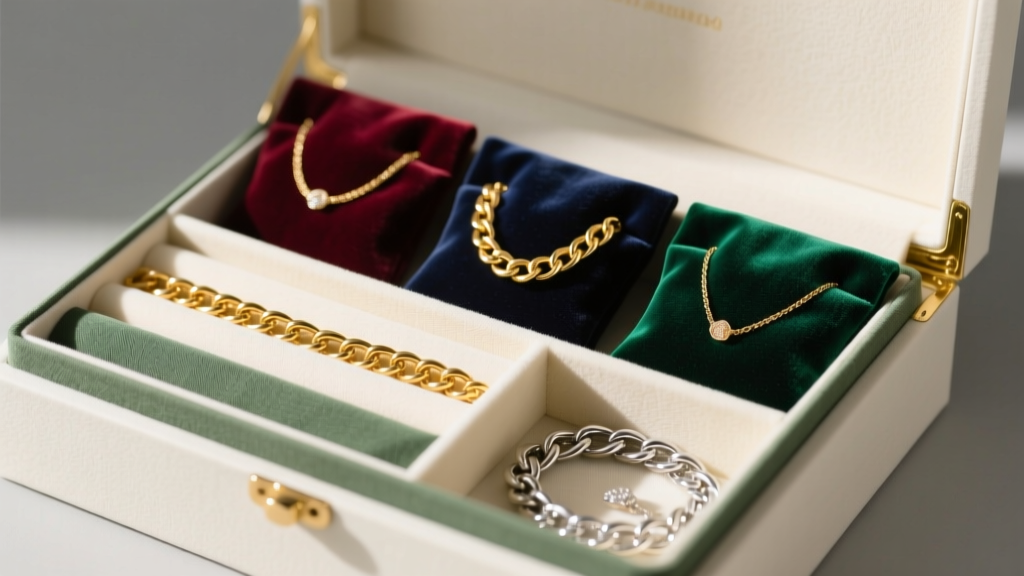
- Isolate by Hardness: Gold and silver have different Mohs hardness ratings. Storing them tangled together in a communal jewelry box will result in the harder gold links scratching the softer silver links. Store each chain in a separate soft flannel pouch.
Mechanical Wear and Clasp Maintenance
Beyond chemical cleaning, mechanical failure is the leading cause of lost necklaces. The clasp and the connecting jump rings endure the most kinetic stress. If your necklace utilizes a spring ring clasp, be aware that the internal steel spring can rust if exposed to shower moisture, causing the mechanism to seize. Lobster clasps are generally more secure but rely on a tiny tension spring that can fatigue over time.
Inspect the jump ring connecting the clasp to the chain once a month. Use a jeweler's loupe to check for a visible gap in the solder joint. If the gap is open, the chain is one sharp tug away from snapping. For high-value gold and silver chains, have a professional jeweler laser-weld the jump rings shut annually. Laser welding provides a localized, high-heat bond that secures the ring without exposing the surrounding delicate links to the broad heat of a traditional jeweler's torch, which can melt thin chains or alter the temper of the metal.


