Technical Guide to Choosing a Necklace with Magnetic Clasp
Discover the engineering behind a necklace with magnetic clasps. Learn about neodymium grades, safety catches, and galvanic corrosion risks.
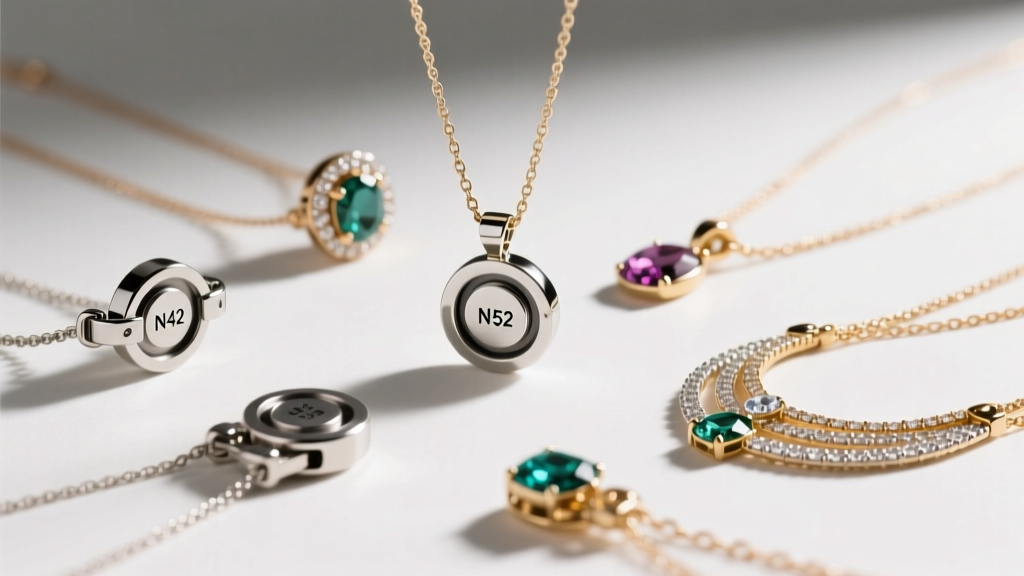
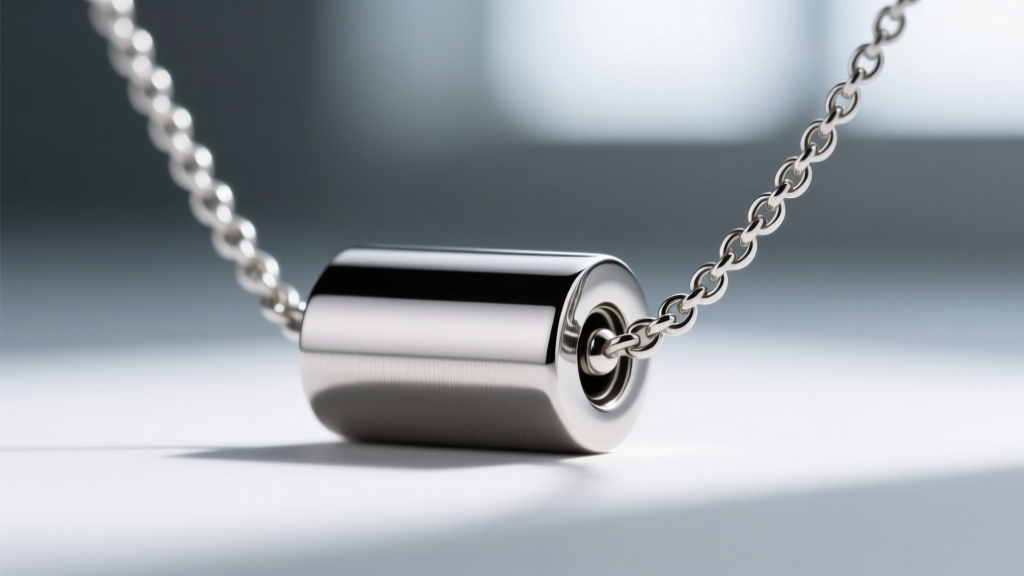
The modern jewelry market has seen a massive surge in accessibility-focused designs, and the necklace with magnetic clasp hardware is at the forefront of this movement. While traditional lobster or spring-ring clasps require fine motor skills that can be challenging for individuals with arthritis or neuropathy, magnetic findings offer an elegant, one-handed solution. However, not all magnetic clasps are engineered equally. As a jewelry technician, I frequently see high-end chains ruined by poorly specified magnetic findings that fail under lateral shear force or succumb to galvanic corrosion. This expert deep dive explores the metallurgy, physics, and structural engineering you must evaluate when selecting or designing magnetic necklace hardware.
The Engineering of Neodymium (NdFeB) Jewelry Clasps
The vast majority of premium magnetic jewelry findings utilize Neodymium-Iron-Boron (NdFeB) magnets. Unlike older ceramic ferrite magnets, NdFeB offers an exceptionally high maximum energy product (BHmax), allowing for a massive magnetic pull force in a miniature form factor. A standard 8mm x 12mm tubular clasp can easily house an N42 grade magnet, generating over 15 pounds of direct axial pull force. This is more than sufficient to support heavy gemstone pendants and thick Cuban link chains without accidental detachment.
Understanding Magnet Grades and Pull Force
Neodymium magnets are graded by their magnetic energy output, typically ranging from N35 to N52 in jewelry applications. The higher the number, the stronger the magnetic field. However, stronger is not always better in jewelry design.
- N35 to N38: Ideal for delicate chains (1.0mm - 1.5mm) and lightweight pearls. The lower pull force prevents the clasp from violently snapping together, which can pinch the skin or damage fragile silk knotting.
- N42 to N45: The industry standard for medium-weight chains (2.0mm - 4.0mm). Offers a secure hold with a manageable release force.
- N50 to N52: Reserved for heavy statement pieces and thick metallic chains. The sheer force required to separate an N52 clasp laterally can actually bend fine jump rings if not properly engineered.
Galvanic Corrosion and Plating Vulnerabilities
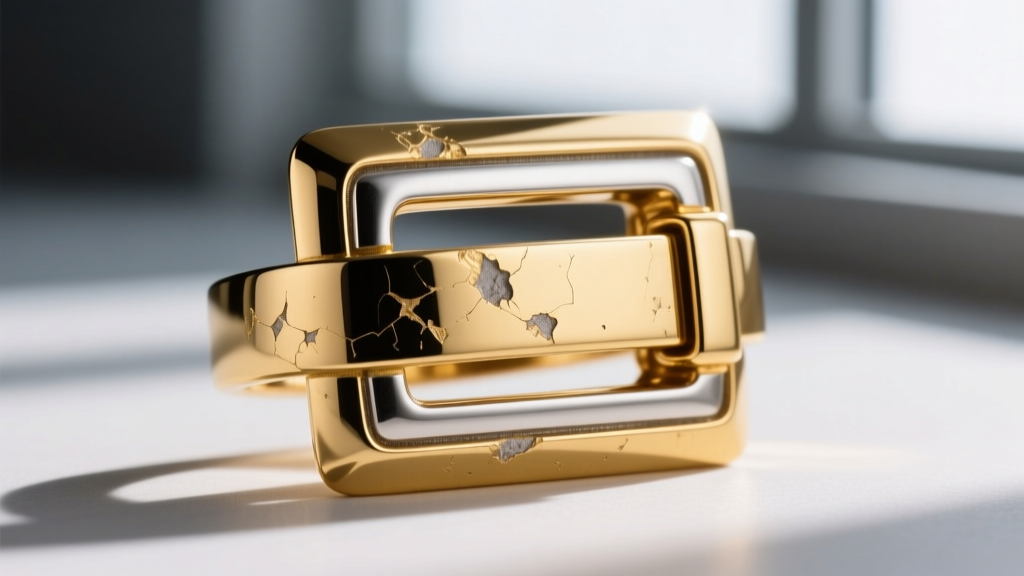
The Achilles heel of any necklace with neodymium components is the metal's extreme susceptibility to oxidation. Bare NdFeB will rapidly corrode and flake when exposed to ambient humidity, let alone the acidic environment of human skin. To prevent this, manufacturers apply protective coatings. Understanding these coatings is critical for longevity and skin safety.
The Ni-Cu-Ni Triple Plating Standard
Most commercial magnetic clasps use a Nickel-Copper-Nickel (Ni-Cu-Ni) triple-layer plating, often finished with a flash of gold or rhodium. While this provides a bright, jewelry-grade finish, human sweat (which typically has a pH between 4.5 and 6.0) can penetrate micro-abrasions in the plating. Once the sweat reaches the neodymium core, it triggers a rapid oxidation process that expands the metal, causing the outer gold plating to blister and flake off. According to jewelry care guidelines from the GIA, keeping plated findings away from prolonged moisture exposure is vital, but with magnetic clasps, the structural integrity of the plating is a matter of manufacturing quality.
Parylene-C: The Hypoallergenic Alternative
For clients with nickel allergies or those living in high-humidity coastal environments, Parylene-C conformal coating is the superior technical choice. Applied via chemical vapor deposition (CVD), Parylene creates a pinhole-free, biocompatible polymer barrier that is entirely impervious to sweat and saltwater. While it lacks the metallic luster of gold plating, it is often used as an undercoating or on matte-finished industrial-style clasps.
Data Table: Magnet Grade vs. Application Specs
| Magnet Grade | Axial Pull Force (lbs) | Max Op Temp (°C) | Ideal Chain Weight | Primary Failure Risk |
|---|---|---|---|---|
| N35 | 6 - 9 lbs | 80°C | Under 15 grams | Accidental drop from snagging |
| N42 | 12 - 16 lbs | 80°C | 15 - 45 grams | Jump ring deformation |
| N52 | 20+ lbs | 80°C | Over 45 grams | Lateral shear detachment |
| N42SH (High Temp) | 12 - 16 lbs | 150°C | 15 - 45 grams | Coating degradation from heat |
Safety Mechanisms: Mitigating Lateral Shear Failure
The most common reason consumers lose pendants when wearing a necklace with magnetic hardware is a misunderstanding of magnetic physics. Neodymium magnets possess incredible axial pull strength (resistance to being pulled straight apart), but remarkably low shear strength (resistance to lateral sliding). A clasp that requires 15 pounds of force to pull apart might slide open with just 2 pounds of lateral friction if it catches on a sweater or seatbelt.
Mechanical Interlocks and Tongue-and-Groove Designs
To counteract shear failure, premium jewelry findings manufacturers like those cataloged by Rio Grande integrate mechanical interlocks into the clasp housing. A tongue-and-groove or pin-and-sleeve design forces the magnetic halves to align perfectly while physically blocking lateral movement. When sourcing magnetic clasps, always look for housings machined from 316L surgical stainless steel or Grade 5 titanium that feature these internal physical baffles.
Secondary Safety Catches
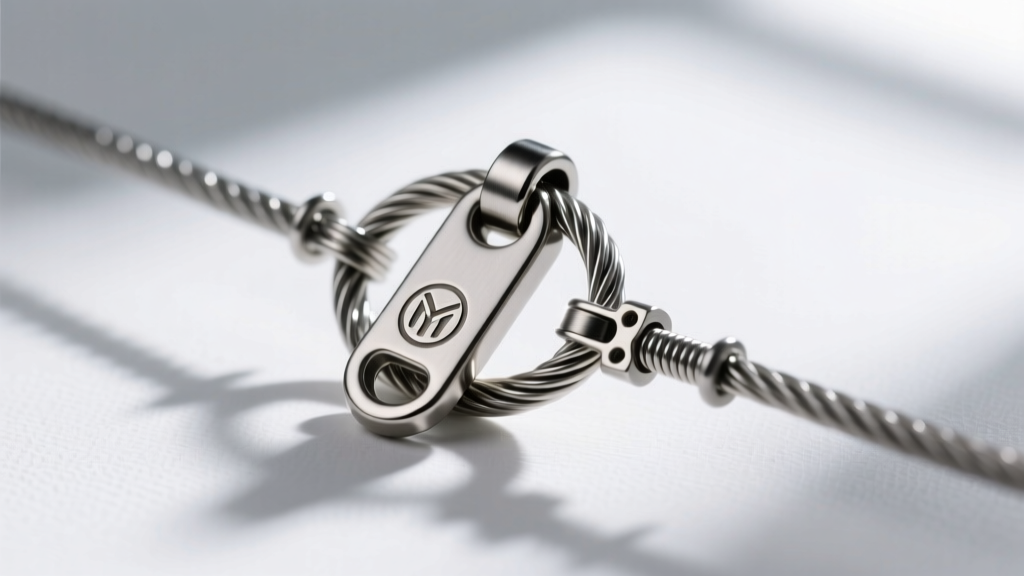
For high-value diamond or gemstone pendants, a mechanical interlock is not enough. A secondary safety chain or a figure-eight safety wire (commonly seen on luxury watch clasps) must be integrated. This mechanical backup ensures that even if a severe lateral impact overcomes the magnetic shear force and the physical baffle, the necklace remains tethered to the wearer.
Expert Troubleshooting Tip: If a magnetic clasp feels 'weak' after a few months of wear, it is rarely demagnetized. Instead, microscopic ferrous dust from the environment has likely become trapped in the magnetic field, embedding itself into the plating and creating a physical gap between the two halves. Clean the mating surfaces with a piece of jeweler's tack or sticky wax to restore full pull force.
Thermal Risks: Demagnetization and Jewelry Repair
Jewelry repair technicians must exercise extreme caution when working on a necklace with NdFeB clasps. Standard N-grade neodymium magnets have a Maximum Operating Temperature (MaxOpTemp) of around 80°C (176°F). Exceeding this threshold causes reversible thermal demagnetization. If the temperature reaches the Curie point (approx. 310°C / 590°F), the loss of magnetism becomes permanent.
This presents a massive risk during common jewelry repairs. Laser welding a broken jump ring near the clasp, or using a high-temperature steam cleaner to remove polishing compound, can easily push the local temperature past the 80°C threshold. Always remove the magnetic clasp assembly via the jump ring before applying heat, steam, or ultrasonic vibrations to the chain. Ultrasonic cleaners, in particular, can cause the magnetic halves to violently vibrate against each other, chipping the brittle NdFeB core beneath the plating and causing catastrophic structural failure.
Conclusion
Choosing the right necklace with a magnetic clasp requires looking past the convenience and evaluating the underlying engineering. By prioritizing the correct NdFeB grade for the chain's weight, demanding mechanical shear-protection baffles, and understanding the thermal and galvanic limitations of the plating, you can secure a piece of jewelry that is both highly accessible and structurally bulletproof. Always verify the metallurgical specs with your supplier, and never compromise on secondary safety catches for high-value pendants.


