The Perfect Necklace With Two Holes: 2026 Gift Guide
Discover the perfect necklace with two holes for every occasion. Our 2026 gift guide covers dual-aperture pendants, chain sizing, and metal grades.

Why the Dual-Aperture Design is 2026's Top Gift
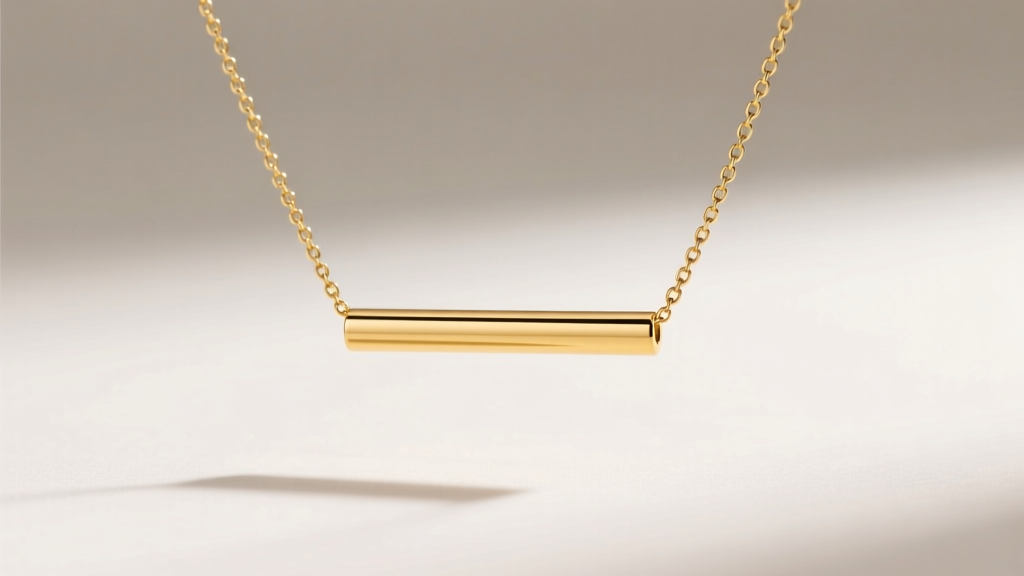
When it comes to gifting fine jewelry, the modern consumer is moving away from static, traditional pendants and gravitating toward interactive, architectural designs. Enter the necklace with two holes—a sophisticated category of jewelry where the chain threads directly through dual apertures drilled into the pendant body, entirely bypassing a traditional soldered bail. This design allows for adjustable lengths, asymmetric draping, and kinetic movement that static pendants simply cannot achieve.
Whether you are shopping for an anniversary, a graduation milestone, or a self-purchase, understanding the mechanics and aesthetics of dual-drilled pendants is crucial. A poorly sized chain can ruin the sliding mechanism, while the wrong metal grade can lead to premature friction wear. This comprehensive 2026 gift guide breaks down everything you need to know to select, size, and gift a dual-aperture necklace with absolute confidence.
Decoding the Designs: Types of Two-Hole Pendants
The term "necklace with two holes" encompasses several distinct structural designs, each offering a unique visual effect and functional benefit. Before purchasing, identify which architectural style best suits the recipient's wardrobe and lifestyle.
1. The Asymmetric Slide Bar
The most popular iteration in contemporary jewelry is the horizontal or vertical bar pendant featuring two parallel or slightly staggered drill holes. The chain weaves in one hole and out the other, allowing the bar to slide freely. This creates an effortlessly chic, asymmetric look where the bar rests off-center on the collarbone. It is highly favored by minimalists and pairs exceptionally well with tailored blazers and silk blouses.
2. The Adjustable Lariat Slider
In a Y-necklace or lariat configuration, the pendant features one primary hole for the main neck chain and a secondary hole for the vertical drop chain. This allows the wearer to adjust the depth of the plunge, making it a highly versatile piece that transitions from a high-neck choker style for the office to a deep, dramatic lariat for evening wear.
3. The Dual-Chain Layering Spacer
For the recipient who loves the layered look but hates tangled chains, the dual-hole spacer bar is a revelation. This horizontal bar features two distinct holes, each meant to thread a separate chain. This guarantees perfect, untangled spacing between a 16-inch choker and an 18-inch princess-length chain, locking the layered aesthetic into place.
Occasion Matching: Who to Gift and When
Matching the specific two-hole design to the occasion ensures your gift feels deeply personal and highly relevant. Use the framework below to guide your 2026 gifting strategy.
| Occasion | Ideal Design Style | Recommended Material | Budget Range (2026) |
|---|---|---|---|
| Anniversary | Asymmetric Slide Bar with bezel-set diamond accents near the apertures. | 18k Yellow Gold or Platinum | $1,200 - $3,500+ |
| Graduation | Minimalist Vertical Slide (matte finish, no stones). | 14k White Gold or Sterling Silver | $150 - $600 |
| Mother's Day | Dual-Chain Spacer Bar (representing connection and family bonds). | 14k Rose Gold | $400 - $950 |
| Milestone Birthday | Adjustable Lariat Slider with a gemstone drop (e.g., sapphire or emerald). | Platinum or 18k Gold | $2,000 - $5,000+ |
Technical Sizing: Matching Chain Gauges to Hole Diameters
The most common point of failure when gifting or wearing a necklace with two holes is friction and chain snagging. Unlike a standard bail that is soldered and smooth, a drill hole has an inner rim. If the chain's solder joints are wider than the hole's clearance, the chain will catch, fray, and eventually snap. According to manufacturing standards highlighted by the Gemological Institute of America (GIA), understanding metal tolerances is key to jewelry longevity.
Here is the definitive E-E-A-T sizing chart for matching chains to dual-aperture pendants:
- 1.0mm - 1.2mm Cable or Box Chains: Require a minimum hole diameter of 1.5mm. Ideal for delicate, lightweight slide bars.
- 1.5mm - 1.8mm Box or Wheat Chains: Require a minimum hole diameter of 2.2mm. The soldered links on wheat chains are bulky; never force them through a tight 2.0mm hole.
- 2.0mm+ Rope or Snake Chains: Require a minimum hole diameter of 3.0mm. Snake chains are particularly prone to kinking if bent sharply while threading through a tight dual-hole pendant.
Pro-Tip for Gifters: If you are buying the pendant and chain separately, always opt for a chain with a "flush" link design (like a seamless box chain or a smooth snake chain) to ensure it glides through the two holes without micro-abrasions.
Material Grades & Friction Wear
Because a necklace with two holes relies on a sliding mechanism, the interior of the apertures experiences constant kinetic friction against the chain. This makes the choice of metal grade far more critical than it is for a static pendant.
The 14k vs. 18k Gold Dilemma
While 18k gold (75% pure gold) offers a richer, warmer hue and is highly prized in luxury gifting, it is inherently softer than 14k gold (58.5% pure gold). If the recipient plans to wear an adjustable lariat slider daily—constantly pulling the chain back and forth through the holes to adjust the length—14k gold or platinum is the superior choice. The higher alloy content in 14k gold provides the structural rigidity needed to prevent the drill holes from warping or elongating over years of friction. Platinum, being exceptionally dense and durable, is the ultimate metal for high-friction sliders, though it commands a premium price.
Sterling Silver Considerations
Sterling silver (.925) is an excellent budget-friendly option for dual-hole pendants, but it is prone to oxidation. The inside of the drill holes is a prime location for tarnish buildup due to trapped moisture and skin oils. If gifting silver, ensure the pendant features rhodium plating on the interior of the holes to reduce friction and prevent tarnishing in those hard-to-reach crevices.
Care & Maintenance for Dual-Aperture Jewelry
Gifting a unique piece of jewelry also means educating the recipient on its care. The Jewelers of America emphasizes that hidden crevices require specific attention. The dual holes in these pendants act as traps for lotions, perfumes, and dead skin cells, which can create a gritty paste that damages the chain over time.
Actionable Care Routine:
- Weekly Wipe: Use a dry, lint-free microfiber cloth and thread it through the holes to remove daily oil buildup.
- Monthly Deep Clean: Soak the pendant (without the chain, if possible) in warm water with a few drops of mild dish soap. Use a soft-bristled baby toothbrush to gently scrub the interior rims of both holes.
- Avoid Ultrasonic Cleaners for Soft Stones: If the two-hole pendant features tension-set or bezel-set gemstones near the drill sites (like opals or emeralds), avoid ultrasonic cleaners, as the vibrations can loosen the settings compromised by the proximity of the drill holes.
Final Thoughts on Gifting Kinetic Jewelry
A necklace with two holes is more than just a trend; it is a masterclass in functional, kinetic jewelry design. By offering adjustability, asymmetric styling, and modern architectural lines, it stands out in a sea of traditional solitaire pendants. By paying close attention to chain gauge tolerances, selecting the appropriate metal hardness for the sliding mechanism, and matching the specific design to the recipient's milestone, you elevate your gift from a simple accessory to a highly engineered, deeply personal treasure. As we move through 2026, the demand for interactive, customizable fine jewelry continues to peak, making the dual-aperture pendant an undeniable triumph in modern gift-giving.


