The Necklace Zipper Trend: 2026 Hardware & Clasp Guide
Discover the 2026 necklace zipper trend. Explore industrial zipper motifs and secure multi-strand zipper clasps for advanced layering.

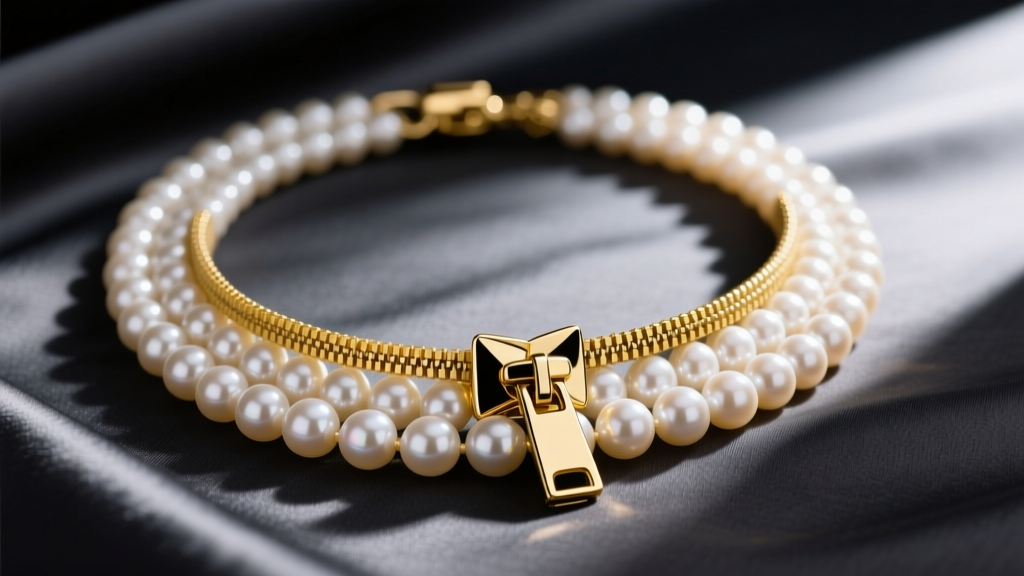
In the evolving landscape of 2026 jewelry design, the term necklace zipper has bifurcated into two distinct but equally fascinating categories. On one hand, it represents a pinnacle of functional engineering: the multi-strand zipper clasp that secures heavy, layered beadwork and pearls with unprecedented reliability. On the other, it has emerged as a dominant avant-garde motif, with brutalist and industrial zipper-tooth pendants taking over contemporary runways. Understanding both the mechanical utility and the aesthetic rebellion of the necklace zipper is essential for any serious collector or stylist this year.
According to Vogue's Jewelry Shopping Guide, the revival of Y2K hardware and industrial motifs has pushed functional components into the spotlight as standalone decorative elements. Meanwhile, the demand for complex, multi-strand gemstone layering has forced metallurgists to refine the micro-mechanics of the zipper clasp. This comprehensive guide breaks down the anatomy, styling protocols, and maintenance of the necklace zipper in all its 2026 iterations.
The Anatomy of a Functional Zipper Clasp
For multi-strand necklaces—particularly those featuring heavy freshwater pearls, lapis lazuli beads, or intricate seed-bead weaving—a standard lobster clasp is a structural liability. The necklace zipper clasp solves the issue of tension distribution. Unlike traditional clasps that pull from a single soldered ring, a zipper clasp utilizes a V-shaped yoke and an interlocking teeth mechanism to distribute the weight of up to seven individual strands across a wide surface area.
Key Mechanical Components
- The V-Yoke: This is the base plate where the individual strands are soldered or crimped. The V-shape naturally funnels the strands into the central track, preventing torsion and twisting.
- The Interlocking Teeth: Precision-milled from solid metal, these teeth mesh together when the slider is pulled upward. High-end 2026 models feature a microscopic friction-fit groove that produces a satisfying 'click' upon closure.
- The Slider Pull: Often finished with a small cabochon or diamond accent, the slider must be ergonomically designed to allow single-handed operation while maintaining enough tension to prevent accidental unfastening.
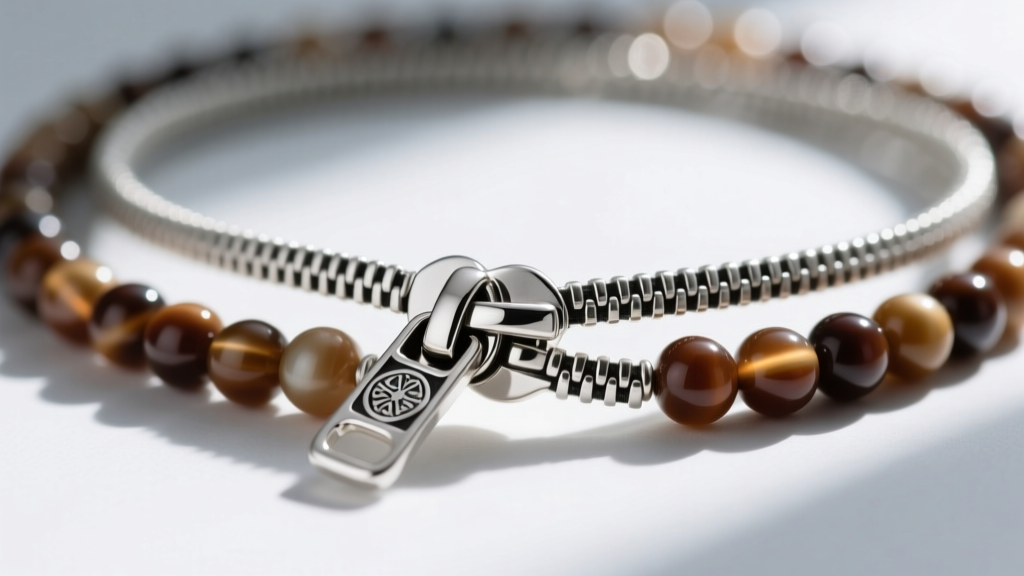
When evaluating a functional necklace zipper, the metallurgical integrity of the slider track is paramount. According to GIA News & Research, the stress placed on clasp mechanisms by heavy gemstone strands can cause lower-grade alloys to warp over time. For strands exceeding 45 grams, solid 14k or 18k gold is non-negotiable, as sterling silver can suffer from track deformation under sustained tensile stress.
The Industrial Motif: Zipper Pendants in Avant-Garde Fashion
Beyond its functional role, the necklace zipper has been reclaimed as a powerful visual motif in 2026. The 'industrial brutalism' trend has transformed the humble zipper tooth into a symbol of deconstruction and urban edge. Designers are utilizing lost-wax casting to create hyper-realistic, oversized zipper pulls and articulated teeth that mimic actual garment hardware, but scaled up for dramatic collarbone placement.
The modern zipper pendant is not merely a nod to punk; it is an exploration of kinetic jewelry. The articulated pull-tab, swinging freely on a 0.8mm micro-hinge, introduces movement and sound to fine jewelry, bridging the gap between sculpture and wearability.
These motif-driven necklaces are frequently paired with heavy, oxidized rolo chains or blackened titanium ropes. The juxtaposition of a highly polished 18k gold zipper pull against a matte, darkened chain creates a striking visual contrast that defines the current neo-industrial aesthetic.
Material Grades & Pricing Tiers (2026 Market Data)
| Material / Finish | Average Price Range | Best Application | Durability & Notes |
|---|---|---|---|
| Sterling Silver (Oxidized) | $120 - $350 | Everyday industrial pendants | Prone to tarnish in the teeth crevices; requires regular brushing. |
| 14k Yellow Gold (Polished) | $800 - $2,200 | Functional multi-strand clasps | Excellent tensile strength; resists warping under heavy bead loads. |
| 18k Gold with Pave Diamonds | $3,500 - $8,000+ | High jewelry motif pieces | Softer metal; functional sliders may wear down if used daily. |
| Grade 5 Titanium (Anodized) | $250 - $600 | Avant-garde kinetic pendants | Extremely lightweight; allows for oversized motifs without neck strain. |
How to Style and Layer with Zipper Components
Integrating a necklace zipper into your wardrobe requires an understanding of both weight distribution and visual hierarchy. Whether you are utilizing a functional clasp for a multi-strand pearl piece or wearing a brutalist zipper pendant, the neckline of your garment dictates the success of the look.

Styling Frameworks for 2026
- The High-Contrast Turtleneck: A polished gold zipper pendant (approximately 40mm to 60mm in length) rests perfectly against the ribbed texture of a black or charcoal turtleneck. The rigid geometry of the zipper teeth contrasts beautifully with the soft, vertical lines of the knitwear.
- The Multi-Strand Scoop Neck: When wearing a functional zipper clasp on a 5-strand seed bead or pearl necklace, opt for a wide scoop neck or off-the-shoulder top. This ensures the V-yoke of the clasp sits flat against the sternum, preventing the heavy strands from collapsing inward and tangling.
- Asymmetrical Layering: Pair a short, 16-inch industrial zipper choker with a longer, 24-inch minimalist box chain. The offset lengths prevent the heavy zipper pull from catching on the secondary chain, a common issue when layering kinetic pendants.
Maintenance and Troubleshooting Zipper Mechanisms
The primary failure mode of a functional necklace zipper is slider obstruction. Because the interlocking teeth feature microscopic tolerances (often less than 0.5mm of clearance), the accumulation of skin oils, cosmetic lotions, and environmental dust can quickly seize the mechanism. Proper maintenance is critical to preserving the lifespan of the piece.
Expert Troubleshooting Protocols
- The Graphite Trick: If your gold or silver zipper clasp becomes stiff, never use oil-based lubricants like WD-40, which will attract grit and permanently ruin the track. Instead, use a 0.5mm mechanical pencil to gently rub graphite lead along the inside of the teeth. Graphite is a dry lubricant that reduces friction without trapping dust.
- Ultrasonic Cleaning Warnings: While ultrasonic cleaners are excellent for removing lotion buildup from the V-yoke and solder points, you must ensure the slider is left in the open position during cleaning. If closed, the high-frequency vibrations can cause the teeth to grind against each other, dulling the friction-fit grooves.
- Alignment Correction: If the slider pulls to one side and jams, do not force it. Use a pair of nylon-jawed pliers to gently squeeze the base of the slider housing. Over time, the housing can flare outward, reducing the pressure required to mesh the teeth properly.
Conclusion
The necklace zipper in 2026 is a masterclass in duality. It is both an unsung hero of structural jewelry engineering and a bold, kinetic statement piece for the avant-garde collector. Whether you are investing in a multi-strand pearl masterpiece secured by a precision-milled 14k gold clasp, or adopting the neo-industrial aesthetic with an articulated titanium zipper pendant, understanding the mechanics and styling nuances of this hardware will elevate your jewelry curation to an expert level.


