How to Clean and Care for Your Neverending Story Necklace
Discover expert cleaning and care tips for your neverending story necklace. Learn how to safely polish silver, brass, and antiqued fantasy pendants.

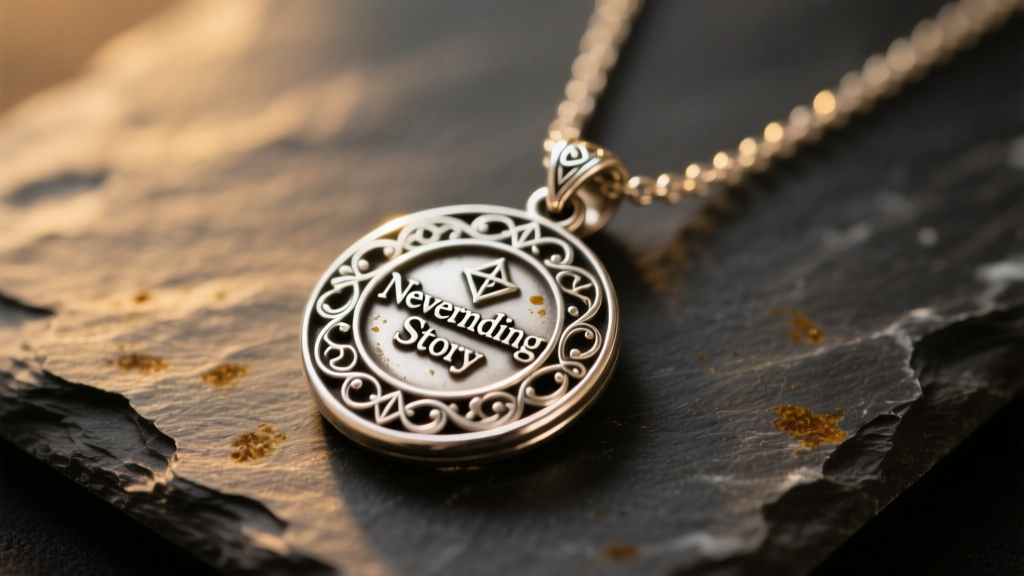
Few pieces of cinematic jewelry carry the emotional weight and intricate detail of a neverending story necklace. Whether you own a replica of the iconic Auryn medallion featuring the twin ouroboros snakes, or a delicate infinity knot pendant inspired by the film's themes of imagination and eternity, these pieces are often wearable works of art. However, the very details that make fantasy jewelry so captivating—deep recesses, intricate scales, and intentional oxidation—also make them notoriously difficult to clean without causing damage.
As a jewelry care specialist, I frequently see well-meaning collectors ruin the contrast of their fantasy pendants by using harsh chemical dips that strip away the dark patina. In this comprehensive guide, we will explore the exact metallurgy of these pendants and provide a step-by-step framework for cleaning, polishing, and storing your necklace to ensure it survives for generations.
The Material Breakdown: What Is Your Pendant Made Of?
Before applying any cleaning solution, you must identify the base metal of your neverending story necklace. Replicas and licensed merchandise typically fall into three categories:
- .925 Sterling Silver: The premium choice for high-end replicas. Silver is prone to tarnishing when exposed to hydrogen sulfide in the air, forming a black layer of silver sulfide. High-quality silver pieces usually feature 'antiquing'—a deliberate chemical darkening of the recesses using liver of sulfur to make the scales and knotwork pop.
- Solid Brass or Bronze: Common for mid-tier replicas. Brass develops a natural brownish-green patina over time due to oxidation and moisture. It is softer than silver and can scratch easily if abrasive polishes are used.
- Lead-Free Pewter or White Metal: Often used for budget-friendly costume jewelry. Pewter has a low melting point and a dull, matte gray finish. It does not tarnish like silver, but it can oxidize into a chalky white substance and is highly susceptible to scratching.
Understanding your metal dictates your cleaning protocol. According to the Gemological Institute of America (GIA), treating oxidized silver with standard silver dips will permanently destroy the intentional contrast, leaving the piece flat and lifeless.
Step-by-Step Cleaning Guide for Antiqued Silver & Brass
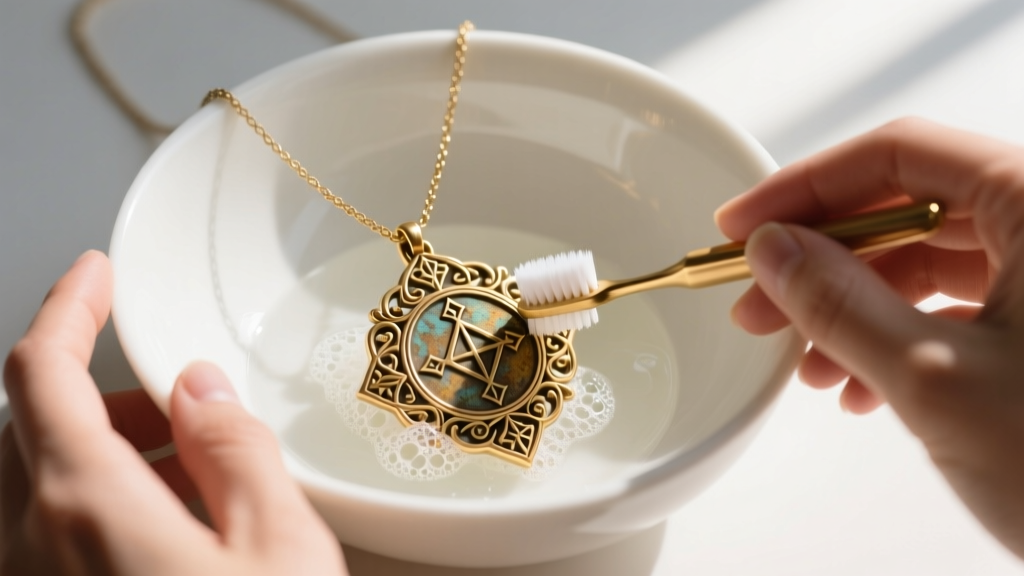
Phase 1: The Mild Soap Bath (Safe for All Metals)
The safest way to remove daily accumulations of skin oils, lotions, and environmental dust from the deep crevices of your pendant is a mild surfactant bath.
- Prepare the Solution: Mix three drops of pH-neutral dish soap (like Dawn) into a bowl of lukewarm distilled water. Avoid tap water, as the chlorine and heavy minerals can cause micro-spotting on polished brass and silver.
- Soak Briefly: Submerge the necklace for 3 to 5 minutes. Do not exceed 10 minutes, especially if your pendant features any enamel accents or glued-in gemstones, as prolonged water exposure can weaken adhesives.
- Agitate Gently: Using a brand-new, extra-soft baby toothbrush, gently sweep the bristles across the scales of the snakes or the weave of the infinity knot. Always brush in a single direction rather than using aggressive circular motions, which can cause micro-scratches on high-polish areas.
- Rinse and Dry: Rinse under a gentle stream of distilled water. Immediately pat dry with a lint-free microfiber cloth. Use a hairdryer on the 'cool' setting to blast water out of the deepest recesses to prevent water spots.
Phase 2: Targeted Polishing (For Sterling Silver Only)
If the raised, high-polish edges of your silver Auryn medallion have lost their shine, you need a targeted approach. Never use a liquid silver dip (which contains thiourea). Instead, use a specialized silver cream like Wright's Silver Cream or Hagerty Silversmiths' Polish.
Apply a microscopic amount of the cream to a cotton swab (Q-tip). Carefully trace the raised, polished edges of the necklace, deliberately avoiding the dark, recessed areas. The mild abrasives in the cream will lift the tarnish without stripping the deep oxidation. Buff the area immediately with a clean microfiber cloth. For a trusted, non-chemical alternative, a treated polishing cloth from the Jewelers of America recommended list can be folded and used to gently pinch and rub the raised edges.
What to Avoid: The Enemies of Fantasy Jewelry
The fastest way to devalue a collector's piece is by using the wrong cleaning technology. Below is a decision matrix to help you avoid catastrophic damage to your neverending story necklace.
| Cleaning Method | Sterling Silver (Antiqued) | Solid Brass | Pewter / White Metal | Why It Fails |
|---|---|---|---|---|
| Ultrasonic Cleaners | AVOID | AVOID | AVOID | High-frequency vibrations can fracture cast metal, loosen gemstones, and cause the dark oxidized patina to flake out of the crevices. |
| Silver Dip (Thiourea) | AVOID | Use with Caution | AVOID | Strips 100% of oxidation, including the intentional black antiquing, leaving the pendant looking flat and artificially white. |
| Baking Soda & Foil | Use with Caution | AVOID | AVOID | The electrochemical reaction can be too aggressive for delicate cast details and may leave a dull, matte finish on high-polish edges. |
| Mild Dish Soap Bath | SAFE | SAFE | SAFE | Surfactants lift oils and dirt without reacting chemically with the metal or the patina. |
Restoring Lost Patina: An Advanced Technique
What happens if you bought a vintage neverending story necklace from an estate sale, and the previous owner ruined the contrast by boiling it in a harsh silver dip? You can restore the depth and drama of the piece by re-oxidizing it yourself.
Jewelry professionals use Liver of Sulfur to create patina. According to metallurgical guidelines from Rio Grande, you can dissolve a small piece of liver of sulfur in warm water to create a weak solution. Dip the clean, grease-free silver pendant into the solution for just 5 to 10 seconds. It will turn a deep, iridescent black. Remove it, rinse it in cold water to stop the reaction, and then use a polishing cloth to gently buff only the raised edges. The recesses will remain black, instantly restoring the factory-fresh antiqued look.
Long-Term Storage and Maintenance
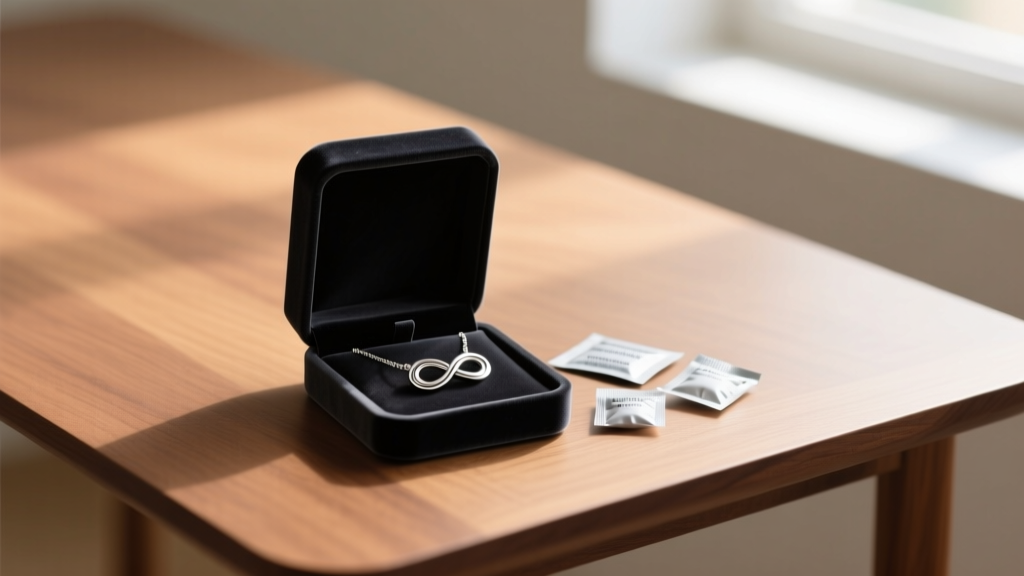
Prevention is always superior to restoration. Silver tarnishes primarily due to airborne sulfur compounds and high humidity. To protect your necklace when it is not being worn, implement the following storage protocol:
- Airtight Containment: Store the necklace in a sealed polyethylene ziplock bag. Avoid PVC plastics, as they can off-gas chemicals that accelerate tarnishing and degrade certain enamel finishes.
- Anti-Tarnish Strips: Place a 3M anti-tarnish strip inside the bag. These strips contain copper-based compounds that act as a sacrificial anode, absorbing sulfur and halogens from the air before they can reach your silver.
- Moisture Control: Include a small silica gel desiccant packet to keep the relative humidity inside the bag below 40%, drastically slowing the oxidation process for brass and bronze pieces.
- Separation: Never store your necklace in a tangled pile with other jewelry. The Mohs hardness of sterling silver is only 2.5 to 3, meaning it can be easily scratched by harder gemstones or steel clasps.
Troubleshooting Common Issues
The 'Green Skin' Effect on Brass Pendants
If your brass neverending story necklace is leaving a green or black smudge on your chest, this is not an allergy; it is a simple chemical reaction between the copper in the brass and the acids and salts in your sweat. To prevent this without altering the look of the pendant, apply a micro-thin layer of Renaissance Wax to the back of the medallion. This museum-grade microcrystalline wax creates an invisible, durable barrier that prevents skin acids from contacting the metal. Reapply every few months.
Loose Enamel or Painted Accents
Many fantasy replicas use cold enamel or acrylic paints to highlight the eyes of the snakes or the runes on the medallion. If you notice these accents chipping, do not attempt to glue them back with cyanoacrylate (Super Glue), as the fumes will create a permanent white haze on the surrounding metal. Instead, use a UV-curing jewelry resin applied with a fine needle tip, curing it under a UV lamp for 30 seconds for a factory-durable finish.
Conclusion
Your neverending story necklace is more than just an accessory; it is a talisman of imagination and a piece of cinematic history. By understanding the specific metallurgical needs of your pendant—whether it is antiqued sterling silver, solid brass, or cast pewter—you can avoid the destructive cleaning methods that ruin so many fantasy pieces. Stick to mild surfactants, utilize targeted polishing for high-relief areas, and control your storage environment. With these expert care techniques, your necklace will remain as timeless and captivating as the story it represents.


