Niihau Shell Necklace Trends: 2026 Style & Value Guide
Discover 2026 Niihau shell necklace trends, authentication tips, and valuation guides for kahelelani, momi, and laiki organic gems.

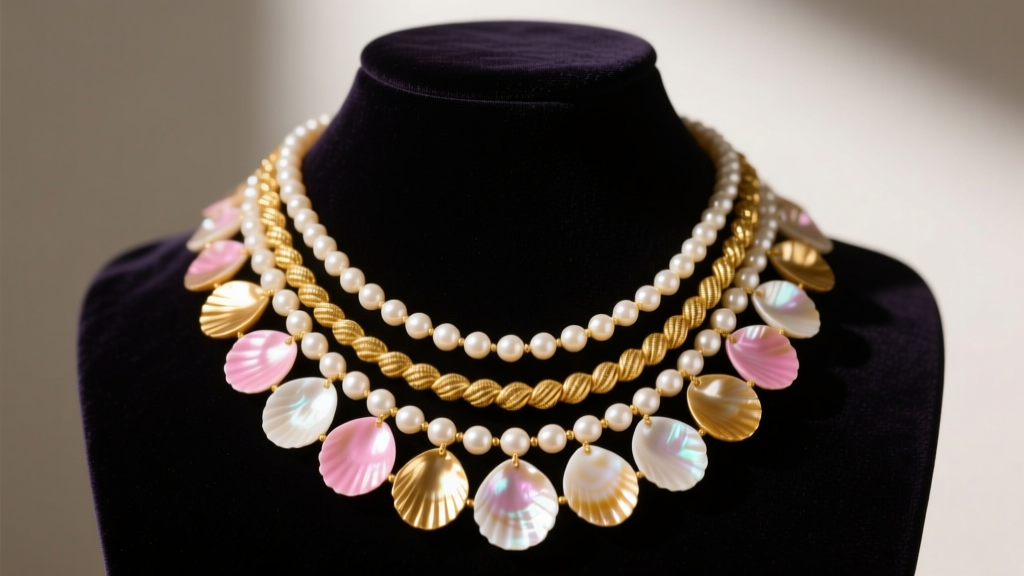
The Renaissance of the Niihau Shell Necklace in 2026
Often referred to as the "diamonds of Hawaii," the Niihau shell necklace has transcended its roots as a regional cultural artifact to become a globally recognized organic luxury investment. In 2026, the intersection of high fashion and sustainable, ethically sourced jewelry has propelled these intricate pieces into the spotlight of international collectors and style connoisseurs. Unlike mass-produced shell jewelry, authentic Niihau shell necklaces are meticulously hand-harvested from the shores of Niihau—Hawaii's privately owned "Forbidden Island"—and strung with a level of precision that rivals high jewelry maisons in Place Vendôme.
The 2026 market is defined by a distinct shift: buyers are no longer viewing these necklaces solely as traditional ceremonial wear. Instead, they are being integrated into modern, high-end wardrobes, layered with diamond tennis necklaces, and finished with bespoke 14k and 18k gold clasps. However, as demand surges, so does the proliferation of sophisticated counterfeits. Understanding the granular details of shell taxonomy, grading metrics, and stringing techniques is now mandatory for any serious collector or stylist navigating this exclusive market.
Decoding the Shells: Kahelelani, Momi, and Laiki
The value and aesthetic of a Niihau shell necklace are entirely dictated by the specific species of shell used, their color rarity, and their physical dimensions. According to historical archives maintained by the Bernice Pauahi Bishop Museum, the art of shell lei making is a deeply guarded cultural practice, with only a handful of master stringers capable of executing the highest grades of multi-strand necklaces.
Kahelelani (Leptothyra verruca)
The undisputed king of Niihau shells, the kahelelani is the smallest and most valuable. Ranging from a mere 1mm to 2mm in diameter, these tiny, turban-shaped shells are incredibly difficult to harvest and string. The most prized colors are the deep hot pink, vibrant gold, and rare midnight blue. A flawless, multi-strand kahelelani necklace requires thousands of perfectly matched shells, often taking a master artisan over a year to complete. Because of their microscopic size, they are frequently strung in continuous loops without knots between each shell, requiring immense tension control.
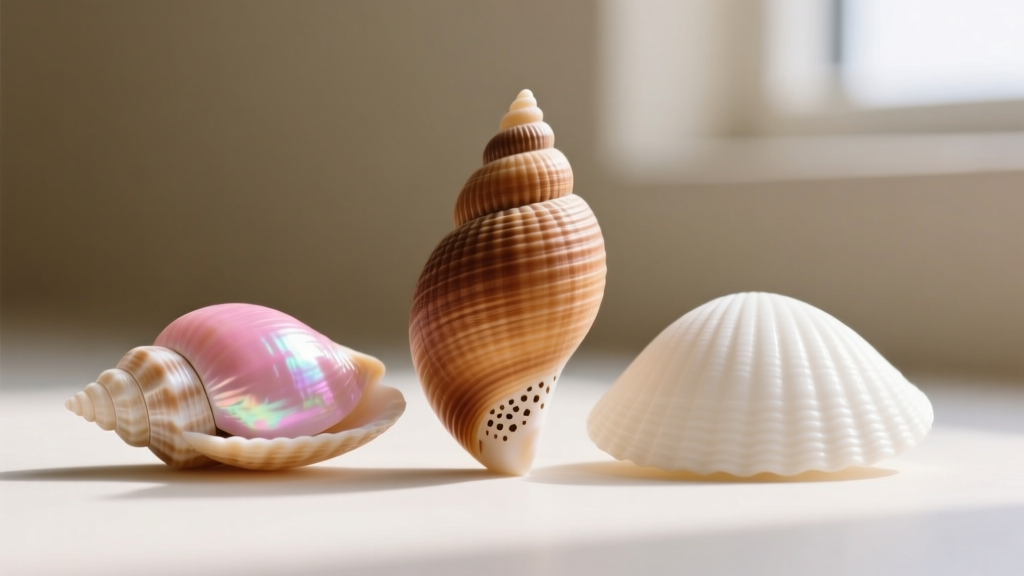
Momi (Erosaria caputserpentis)
Momi shells are oval, smooth, and typically range from 3mm to 12mm. They are celebrated for their striking "pua" (flower) patterns and diverse color palette, which includes creamy whites, rich browns, and mottled greys. In 2026, the "dark chocolate" and "silver-grey" momi variants have seen a 40% increase in wholesale pricing due to their versatility in pairing with both white gold and rose gold hardware. Momi necklaces are often knotted individually, similar to traditional pearl strands, to protect the shells from grinding against one another.
Laiki (Nerita plicata) and Kamoa
Laiki shells are distinctively white, rice-shaped, and heavily textured. They provide a brilliant, crisp contrast when used as accent strands in a mixed-shell necklace or worn alone for a minimalist, organic aesthetic. Kamoa shells, though less common in fine necklaces, are occasionally used for their unique ribbed texture and earthy tones, appealing to buyers seeking avant-garde, asymmetrical jewelry designs.
Valuation Matrix: Grading and Pricing in 2026
Pricing a Niihau shell necklace requires an understanding of the strict grading system established by Hawaiian jewelry appraisers. The market categorizes pieces into Extra Fine, Fine, and Commercial grades, based on shell uniformity, color saturation, luster, and the absence of chips or pitting. Recent market reports from the Honolulu Star-Advertiser indicate that Extra Fine kahelelani pieces have outpaced traditional gold investments in regional appreciation over the last five years.
| Shell Type & Grade | Strand Count | Clasp Material | 2026 Estimated Retail Price Range |
|---|---|---|---|
| Kahelelani (Extra Fine) | Multi-Strand (5-9) | 14k/18k Gold, Diamond Accents | $35,000 - $85,000+ |
| Kahelelani (Fine) | Single / Double | 14k Gold, Magnetic | $8,000 - $18,000 |
| Momi (Extra Fine, Dark) | Multi-Strand (3-5) | 14k Rose Gold | $12,000 - $25,000 |
| Momi (Fine, Mixed Color) | Single Strand | Sterling Silver / Gold-filled | $2,500 - $6,000 |
| Laiki (Fine, Pure White) | Single / Double | 14k Gold | $1,200 - $3,500 |
Note: Provenance significantly impacts value. Necklaces accompanied by a certificate of authenticity from a recognized Niihau artisan family (such as the Amana or Poni families) command a 20-30% premium on the secondary auction market.
Modern Styling: Beyond the Traditional Silhouette
The styling of Niihau shell necklaces in 2026 reflects a broader trend of "quiet luxury" mixed with organic textures. The days of reserving these pieces strictly for formal muumuus or wedding ceremonies have passed. Today's style radar highlights three dominant wearing techniques:
- The Asymmetrical Layer: Pairing a delicate, single-strand white laiki necklace (16 inches) with an off-center 18k gold lariat and a chunky freshwater pearl choker. This creates a dynamic, textured neckline perfect for silk blouses and structured blazers.
- Mixed Metal Integration: Master stringers are now incorporating micro-pavé diamond rondelles between clusters of momi shells, bridging the gap between organic beachwear and red-carpet glamour.
- The Choker Conversion: High-fashion stylists are requesting multi-strand kahelelani pieces designed at a strict 14-inch choker length, worn tightly against the collarbone to accentuate the golden and pink hues against the skin, often paired with deep V-neck evening gowns.
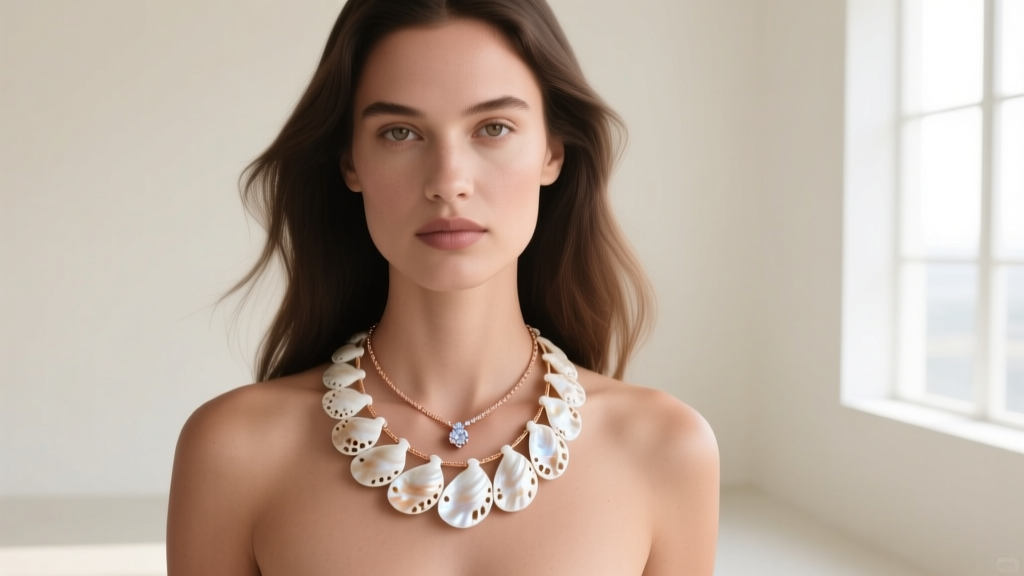
The Authentication Minefield: Spotting Fakes
With the average price of an Extra Fine kahelelani necklace exceeding the cost of a luxury vehicle, the market is flooded with counterfeit alternatives. In 2026, counterfeiters are using advanced resin casting and chemical dyeing to mimic rare shell colors. Here is your practical decision framework for authentication:
The UV Light Test
Authentic Niihau shells possess a natural, deep luster that reacts predictably to ultraviolet light. Dyed shells imported from the Philippines or Indonesia—often sold as "Hawaiian shells"—will typically show patchy, unnatural fluorescence or reveal dye pooling in the microscopic ridges of the shell under a 365nm UV flashlight.
The Thermal and Tactile Check
Genuine momi and kahelelani shells are dense calcium carbonate structures. When gently tapped against a glass surface, they emit a sharp, high-pitched "clink" distinct from the dull thud of plastic or resin imitations. Furthermore, authentic shells feel cool to the touch and take several seconds to warm to body temperature, whereas synthetic replicas warm almost instantly.
Drill Hole Precision
Examine the drill holes under a 10x jeweler's loupe. Master Niihau stringers use microscopic diamond-tipped bits, resulting in perfectly clean, cylindrical holes with zero chipping or blowout on the exit side. Mass-produced fakes often feature jagged, uneven holes with visible stress fractures radiating from the drill site.
"True Niihau shell jewelry is an exercise in extreme patience. When you hold a multi-strand kahelelani piece, you are holding thousands of hours of human labor, from the perilous coastal harvesting to the microscopic stringing. There is no shortcut to authenticity." — Master Artisan Appraisal Guidelines, 2025.
Archival Care and Restringing Protocols
Organic gems require specialized care to maintain their structural integrity and market value. Niihau shells are susceptible to degradation from prolonged UV exposure, which can bleach the vibrant pinks and golds of the kahelelani. Store your necklaces flat in a dark, climate-controlled environment, ideally lined with acid-free archival tissue paper.
Never wear your Niihau shell necklace in chlorinated pools or saltwater, as the chemicals will erode the calcium carbonate matrix and destroy the natural polish. Finally, if your necklace is strung on traditional cotton or early-generation nylon, it must be professionally inspected every three to five years. Humidity and skin oils degrade the internal fibers, leading to catastrophic strand failure. Always rely on certified Hawaiian shell stringers for restringing, as the specific tension and knotting techniques are vital to preserving both the drape and the appraisal value of the piece.


