Expert Care & Cleaning Guide for Your NY Gold Necklace
Learn how to clean, maintain, and protect your NY gold necklace. Expert tips on karat care, deep cleaning methods, and preventing city tarnish.

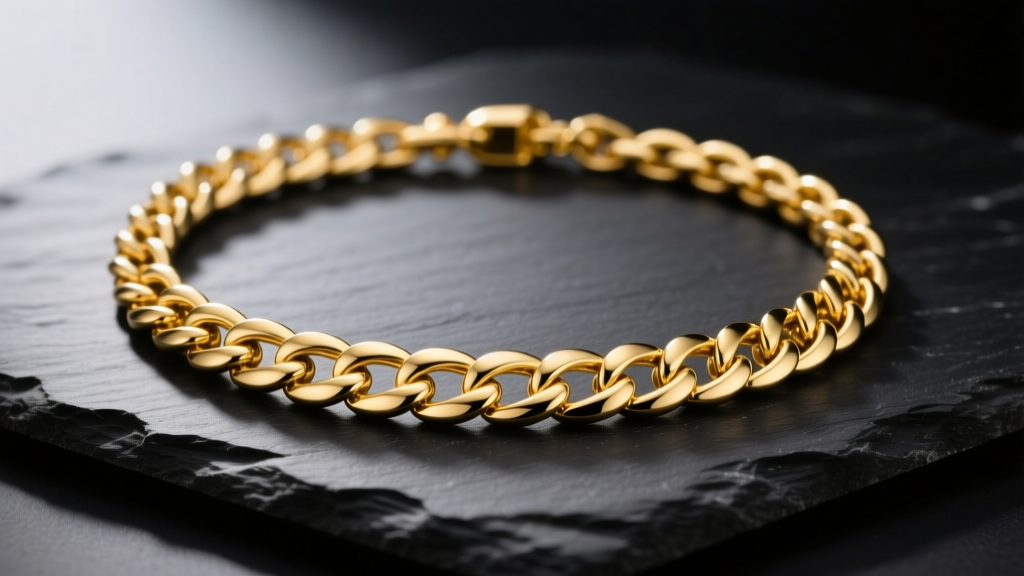
Whether you sourced it from a bustling Diamond District storefront or inherited a classic piece from the boroughs, an NY gold necklace is more than just jewelry; it is a cultural staple. From heavy Cuban links to intricate rope chains, New York-style gold chains are designed to make a statement. However, the reality of daily wear—especially in a city environment—exposes these precious metals to a relentless barrage of humidity, sweat, pollution, and cosmetic products. Over time, even the most brilliant gold can lose its luster, appearing dull, darkened, or coated in an invisible layer of grime.
To maintain the structural integrity and high-polish finish of your gold chains, you need a maintenance routine grounded in metallurgical science rather than internet hacks. In this comprehensive guide, we break down exactly how to clean, store, and protect your gold necklaces, ensuring they remain as iconic as the city itself.
Understanding Your Gold Karat and Durability
Pure 24-karat gold is virtually impervious to tarnish, but it is far too soft for daily wear, especially for heavy NY-style link chains. To achieve the necessary durability, gold is alloyed with metals like copper, silver, nickel, and zinc. The Gemological Institute of America (GIA) notes that it is these exact alloy metals that react with oxygen, sulfur, and the acids in your skin to create tarnish. Understanding your chain's karat is the first step in determining its cleaning frequency.
| Gold Karat | Gold Purity | Alloy Content | Tarnish Risk | Cleaning Frequency |
|---|---|---|---|---|
| 10K Gold | 41.7% | 58.3% | High (Prone to oxidation) | Bi-weekly |
| 14K Gold | 58.3% | 41.7% | Moderate (The NY Standard) | Monthly |
| 18K Gold | 75.0% | 25.0% | Low (Highly resistant) | Every 2-3 Months |
| 22K Gold | 91.6% | 8.4% | Very Low | As needed |
If your necklace is 10k or 14k gold, the higher copper content means it will naturally darken when exposed to the sulfur compounds present in urban air pollution and certain foods. This is not a sign of fake gold; it is a natural chemical reaction that requires regular, gentle removal.
The Daily Wear & Tear: What Damages City Gold?
Living an active lifestyle means your necklace is constantly interacting with environmental factors that degrade its finish. Before reaching for harsh chemicals, it is crucial to identify the culprits dulling your gold:
- Subway Humidity and Sweat: Human sweat is slightly acidic and contains salts. When trapped against the skin and within the tight links of a chain, it accelerates the oxidation of copper alloys.
- Cosmetics and Lotions: Body lotions, sunscreens, and liquid foundations create a sticky film that acts as a magnet for microscopic dust and dead skin cells, packing them tightly into the crevices of rope and Cuban links.
- Chlorine Exposure: If you swim in pools or use heavily chlorinated tap water, you risk 'chlorine stress corrosion.' Chlorine permanently weakens the alloy joints in gold chains, leading to microscopic fractures and eventual snapping.
Step-by-Step Deep Cleaning Method
Forget toothpaste, baking soda pastes, or bleach. Toothpaste contains hydrated silica, an abrasive that will leave thousands of micro-scratches on your gold, permanently dulling its mirror finish. Instead, rely on this jeweler-approved deep cleaning protocol.
The Mild Soap Soak (The Safest Bet)
Fill a glass bowl with warm distilled water. Avoid tap water, as it contains trace minerals and chlorine that can leave water spots or react with the alloys. Add three to four drops of a pH-neutral liquid dish soap (such as original Dawn). Submerge your NY gold necklace and let it soak for exactly 15 to 20 minutes. This allows the surfactants in the soap to break down the lipid bonds of body oils and lotions without attacking the metal.
The Soft Brush Technique (Crucial for Rope & Cuban Links)
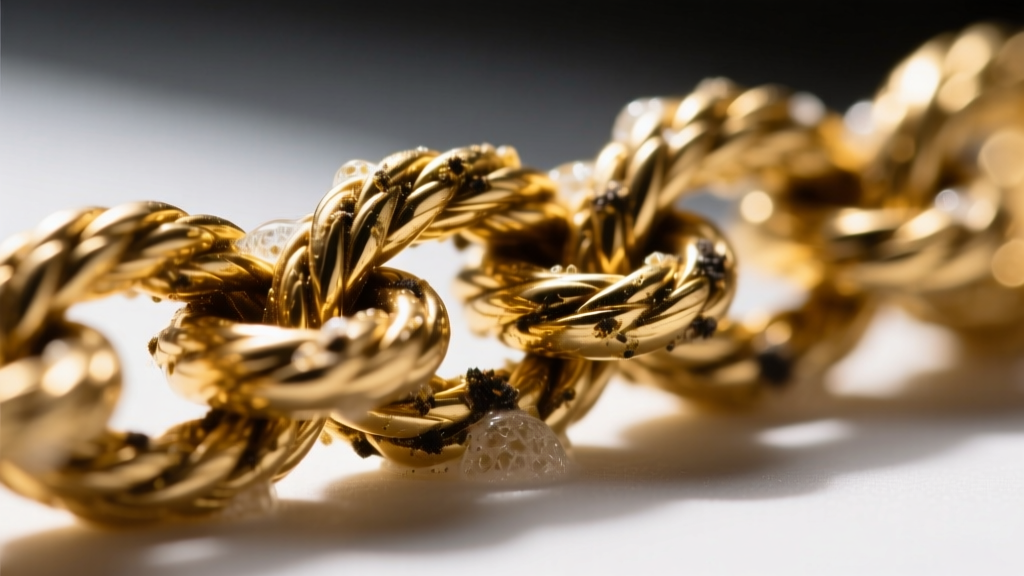
After soaking, remove the chain and place it on a clean, lint-free microfiber towel. Using a brand-new, extra-soft baby toothbrush (bristles should be under 0.1mm in thickness), gently agitate the links. For rope chains, brush in a circular motion following the twist of the metal. For Cuban links, brush along the flat surfaces and carefully dig into the interlocking joints where dead skin cells accumulate. Rinse thoroughly under a gentle stream of distilled water, ensuring all soap residue is evacuated from the clasp mechanism.
What to Avoid: Ultrasonic Cleaners and Chemical Traps
While ultrasonic cleaners are a staple in professional jewelry workshops, they pose a severe risk to many consumer-grade gold chains. Many large, impressive NY-style chains are manufactured as 'semi-hollow' or 'electroformed' to keep the weight and price manageable. High-frequency sound waves in an ultrasonic bath can cause hollow links to dent, collapse, or trap water inside the hollow chambers, leading to internal rot and irreversible structural failure.
Furthermore, if your gold necklace features diamond accents or gemstone settings, the vibrations can loosen the prongs, causing stones to fall out. According to Jewelers of America, mechanical cleaning should always be preceded by a professional prong inspection. For home care, stick to manual soaking and soft-bristle brushing to guarantee the safety of both solid and hollow constructions.
Proper Storage for Humid Climates
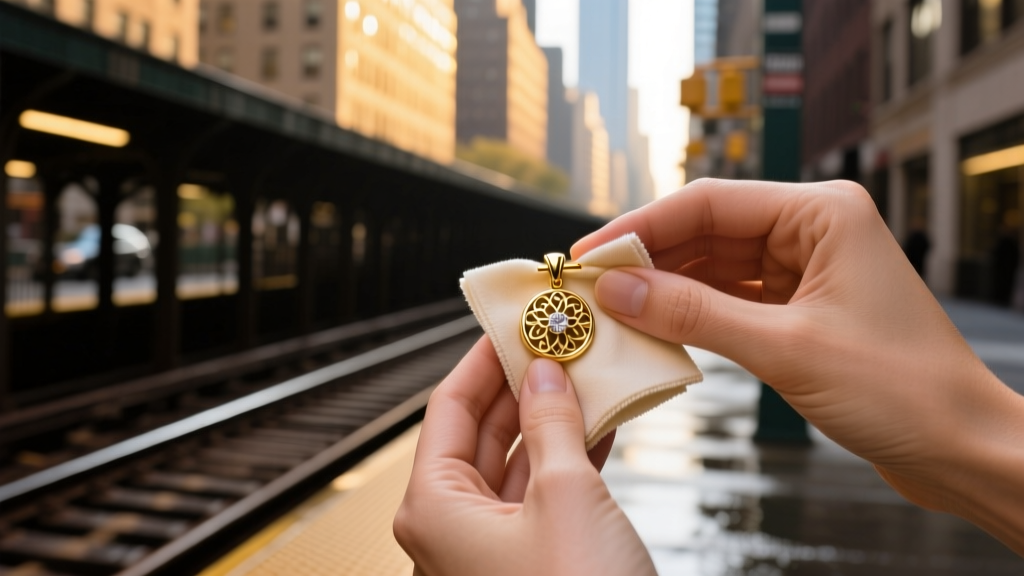
How you store your necklace when it is not around your neck is just as important as how you clean it. Tossing a gold chain into a communal jewelry box guarantees tangles and micro-scratches from other pieces rubbing against it. More importantly, exposure to ambient room humidity will accelerate tarnishing.
To properly store your NY gold necklace, follow these steps:
- Ensure Complete Dryness: Never store a chain while it is damp. Use a hairdryer on the 'cool' setting to blast water out of the clasp and tight links before storage.
- Use Anti-Tarnish Strips: Place a 3M anti-tarnish strip inside your storage bag. These strips absorb airborne sulfur compounds before they can react with the copper in your gold alloy.
- Individual Poly Bags: Store each necklace in its own resealable, zip-top polyethylene bag. Squeeze out as much air as possible before sealing to create a low-oxygen environment.
- Lay Flat or Hang: To prevent kinking, especially with delicate herringbone or snake chains, lay them perfectly flat or hang them from a velvet-lined jewelry stand.
By treating your gold with the respect its metallurgy demands, you ensure that your necklace remains a brilliant, enduring piece of your personal style for decades to come.


