Birthstone Necklace October: Opal & Tourmaline Care and Repair Fixes
Troubleshoot common issues with your birthstone necklace October gems. Learn expert repair, cleaning, and setting fixes for fragile opals and tourmalines.

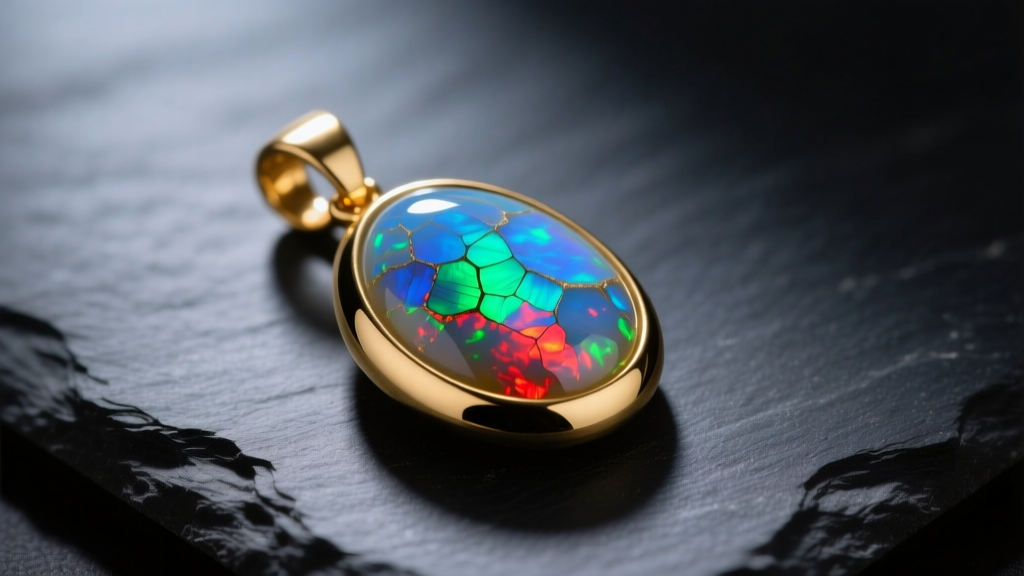
The Unique Vulnerabilities of October Birthstones
When you invest in a birthstone necklace october piece, you are choosing between two vastly different gemstones: the mesmerizing, water-bearing opal and the vibrant, electrically charged tourmaline. While both offer unparalleled aesthetic appeal, they present a unique set of structural vulnerabilities that generic jewelry care guides completely ignore. Understanding the mineralogical realities of these stones is the first step in troubleshooting common failures, preventing irreversible damage, and knowing exactly when to seek professional lapidary intervention.
According to the Gemological Institute of America (GIA), opals are not traditional crystals but rather amorphous silica gel containing anywhere from 3% to 21% water. This high water content makes them incredibly sensitive to thermal shock and rapid dehydration. Tourmaline, on the other hand, is a complex borosilicate mineral with a Mohs hardness of 7 to 7.5. While harder than opal, tourmaline is notorious for its pyroelectric properties and heavy internal inclusions, which dictate entirely different troubleshooting protocols for daily wear and tear.
Troubleshooting Opal Necklace Issues
Opals are the most fragile option for a birthstone necklace october design. Because they are frequently worn close to the skin, they are exposed to cosmetics, perfumes, and fluctuating body temperatures. Here is how to diagnose and address the most common opal pendant failures.
Problem: Crazing and Internal Cracking
The Diagnosis: If your Ethiopian Welo opal suddenly develops a network of fine, white internal fractures (known as crazing), it has likely experienced rapid moisture loss or thermal shock. Hydrophane opals absorb water and chemicals like a sponge. If an opal absorbs a chemical-laden lotion and is then exposed to dry, heated indoor air, the uneven evaporation rate causes internal tension, resulting in structural fracturing.
The Fix: Unfortunately, crazing is irreversible. The structural integrity of the silica grid has been compromised. However, you can prevent further degradation by storing the necklace in a sealed ziplock bag with a slightly damp (not wet) cotton ball to maintain a stable micro-humidity environment. Never attempt to oil or resin-seal a crazed opal yourself, as this will permanently alter its optical diffraction and ruin the play-of-color.
Problem: Cloudiness in Doublets and Triplets
The Diagnosis: If your opal pendant looks milky or the layers appear to be separating, you likely own a doublet (a slice of opal glued to a dark backing) or a triplet (an additional clear quartz cap glued on top). Prolonged exposure to water, ultrasonic cleaners, or harsh chemicals degrades the epoxy resin bonding the layers.
The Fix: This requires professional lapidary repair. A jeweler must carefully unseat the stone, dissolve the degraded epoxy using specialized solvents that won't melt the opal, and re-bond the layers using optically clear, UV-stable lapidary adhesive. At home, strictly limit cleaning to a barely damp microfiber cloth and never submerge a doublet or triplet in water.
Tourmaline Pendant Troubleshooting
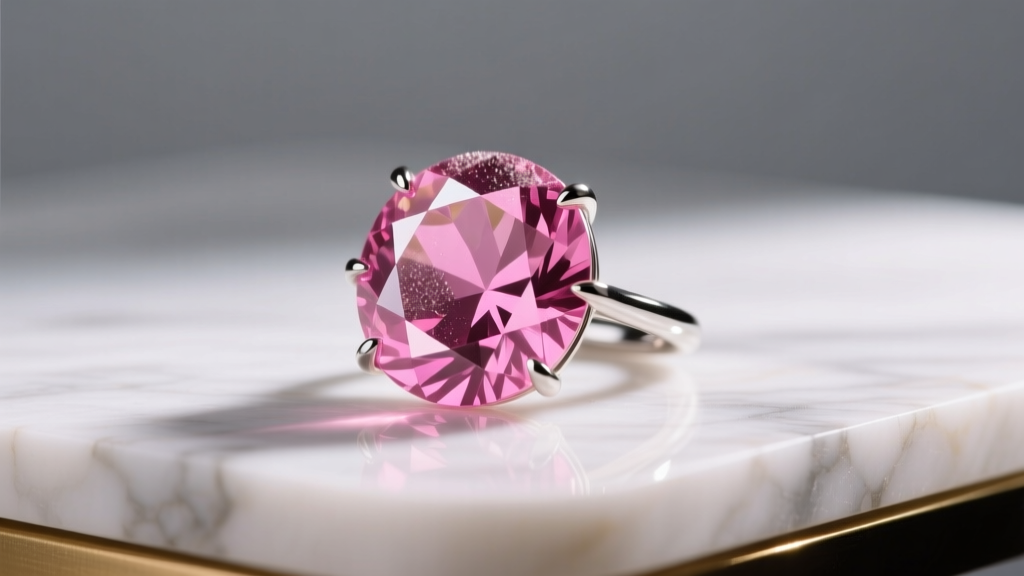
Tourmaline is a highly sought-after alternative for a birthstone necklace october pendant, prized for its pleochroism and vivid color saturation. However, its unique physical properties create specific maintenance headaches that frustrate many jewelry owners.
Problem: The Static Dust Magnet
The Diagnosis: If your pink or watermelon tourmaline constantly looks dull and dusty mere hours after cleaning, you are witnessing its pyroelectric and piezoelectric nature. When tourmaline is warmed by body heat or subjected to the friction of clothing, it generates a mild electrical charge that actively attracts airborne dust, lint, and skin oils to its surface.
The Fix: Avoid using standard jewelry polishing cloths, which can generate friction and exacerbate the static charge. Instead, use a specialized anti-static gem cleaning brush (often made with ultra-soft carbon-infused bristles) or a blast of compressed air to dislodge the dust without rubbing the stone. For deeper cleaning, use a few drops of ammonia-free, phosphate-free dish soap in distilled water, gently agitate with a soft baby toothbrush, and pat dry with a lint-free cloth.
Problem: Ultrasonic Shattering
The Diagnosis: Tourmaline crystals frequently contain liquid-filled tubes and needle-like inclusions. If a well-meaning jeweler places your tourmaline pendant into an ultrasonic cleaner, the high-frequency acoustic cavitation bubbles will collapse against these internal liquid pockets, causing the stone to shatter along its natural cleavage planes or fracture lines.
The Fix: Prevention is the only cure. Never allow a retail jeweler to use ultrasonic or steam cleaning on your tourmaline. If the stone has already fractured, a lapidary may be able to re-cut the largest surviving fragment into a smaller cabochon or faceted stone, though this will require a custom remake of your pendant setting.
Evaluating Setting Failures: Prongs vs. Bezels
The metalwork holding your birthstone necklace october gemstone is just as critical as the stone itself. The wrong setting type is the leading cause of lost gemstones in custom pendants. Below is a troubleshooting matrix to help you evaluate your current setting and determine if a jeweler needs to retrofit it for better security.
| Setting Type | Best For | Common Failure Mode | Troubleshooting Fix |
|---|---|---|---|
| Standard 4-Prong | Tourmaline (Round/Oval) | Prongs catch on knitwear and pull back, releasing the stone. | Have a jeweler re-tip the prongs with hard platinum or 18k white gold for maximum tensile strength. |
| V-Prong | Tourmaline (Emerald/Pear Cut) | Sharp corners chip due to inadequate metal coverage at the points. | Ensure the V-prong wraps fully over the corner facet; file down any sharp metal edges that abrade the skin. |
| Full Bezel | Opal (Cabochon) | Over-pressing the metal rim during setting cracks the delicate opal dome. | Request a 'rub-over' bezel with a slightly padded inner gallery to cushion the opal against the metal. |
| Semi-Bezel | Opal (Freeform/Boulder) | Exposed edges chip against collarbones or zippers. | Add small protective metal 'shoulders' or transition the design to a full bezel for daily wear. |
For comprehensive data on gemstone durability and setting recommendations, the GIA Tourmaline Quality Factors guide remains the industry standard for jewelers and gemologists alike.
Chain and Clasp Failures Specific to Heavy Pendants
A frequent oversight when purchasing or designing a birthstone necklace october piece is pairing a heavy, solid gemstone pendant with an inadequate chain. Opal cabochons and large tourmaline emerald-cuts can easily weigh between 4 and 8 grams. If this weight is suspended on a delicate 0.8mm (approx. 22-gauge) cable chain, structural failure is inevitable.
Diagnosing Chain Stretch and Clasp Fatigue
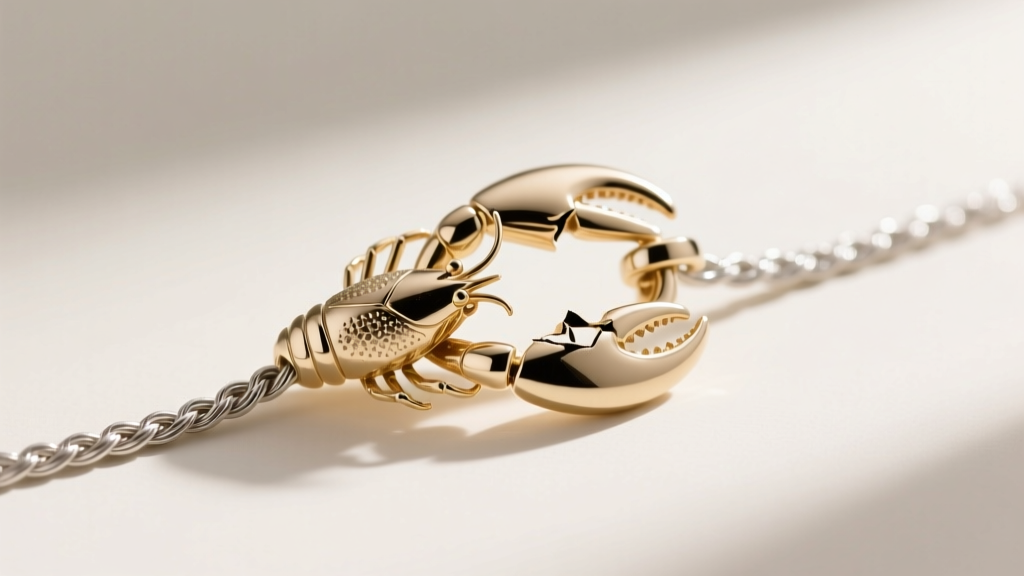
The Diagnosis: Inspect the links immediately adjacent to the clasp and the pendant bail. If the oval links appear elongated or if the lobster clasp lever feels spongy and fails to snap back with a crisp click, the metal has suffered from work hardening and fatigue due to the constant pendulum motion of a heavy pendant.
The Fix: Upgrade your chain to a minimum of 1.5mm to 2.0mm thickness (approx. 14-gauge to 12-gauge). Wheat chains, box chains, and rolo chains offer superior tensile strength compared to standard cable or figaro chains because of their interlocking geometric link structures. Furthermore, swap out standard spring-ring clasps for a heavy-duty lobster clasp or a magnetic neodymium clasp with a safety figure-eight catch to ensure the necklace remains secure even if the primary mechanism fails.
Professional vs. DIY Repair Matrix
Knowing when to intervene at home and when to hand your necklace over to a certified bench jeweler is crucial for preserving the value and integrity of your jewelry. Use this quick-reference list to guide your troubleshooting decisions:
- DIY Safe: Gentle surface cleaning of tourmaline with distilled water and mild soap; storing opals in humidity-controlled environments; untangling chains using a drop of baby oil and a sewing needle.
- Professional Required: Re-tipping worn prongs; re-glazing or polishing scratched opal cabochons (requires specialized cerium oxide and a low-speed lapidary wheel to avoid thermal fracturing); resizing chain lengths; repairing separated doublet/triplet layers; ultrasonic cleaning (only for unfractured, inclusion-free tourmaline, and never for opal).
- Never Attempt: Using toothpaste or baking soda to scrub opals (the abrasives will permanently scratch the 5.5 Mohs surface); using steam cleaners on any October birthstone; attempting to bend or tighten bezel walls with standard hardware pliers.
Final Thoughts on October Birthstone Longevity
Troubleshooting a birthstone necklace october piece requires a departure from standard jewelry care routines. By respecting the hydrophane nature of opals and the pyroelectric quirks of tourmaline, you can preemptively solve the most common structural and aesthetic failures. Regular inspections of your setting's prongs, upgrading to weight-appropriate chains, and strictly avoiding ultrasonic vibrations will ensure your October birthstone pendant remains a vibrant, intact heirloom for decades to come. For ongoing education on gemstone care, consult resources provided by Jewelers of America to find accredited professionals in your area who understand the nuanced needs of these spectacular, yet delicate, gemstones.


