Oktoberfest Pretzel Necklace: Material Guide & Buyer Tips
Discover the best metals and cords for your Oktoberfest pretzel necklace. Compare Zamak, sterling silver, and enamel for festival-ready durability.

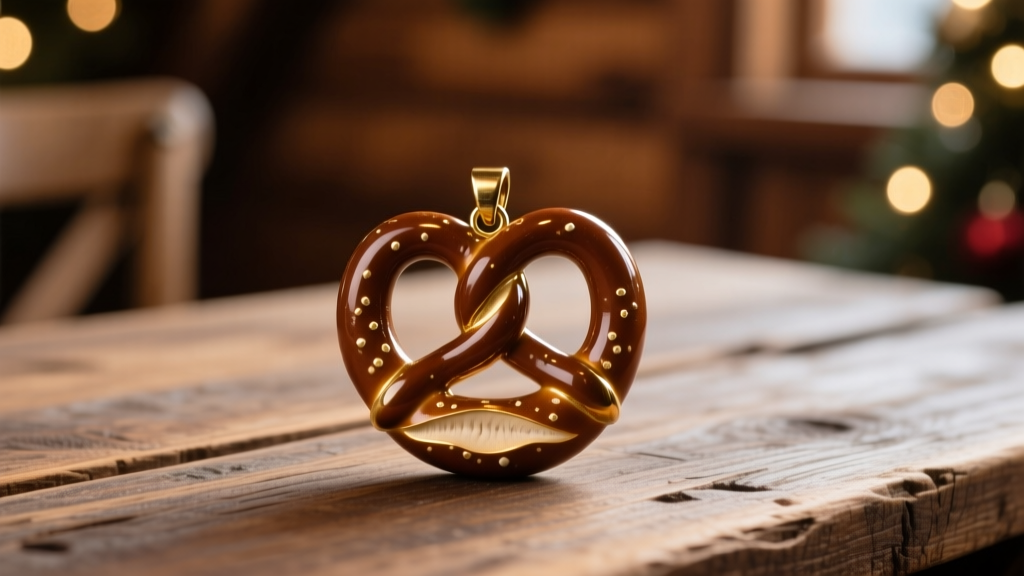
The Anatomy of a Festival-Ready Brezn Pendant
The oktoberfest pretzel necklace has evolved from a simple souvenir into a staple of festival fashion and Bavarian-themed streetwear. Whether you are navigating the crowded tents of the Theresienwiese in Munich or attending a local autumn brew fest, the material composition of your pendant and chain dictates its longevity. A pretzel (or Brezn) pendant features intricate, interlocking loops that present unique casting and finishing challenges. Cheap manufacturing leads to porous metals, trapped polishing compounds, and rapid tarnishing when exposed to the high-humidity, high-sweat environment of a beer hall.
Choosing the right metallurgical profile ensures your necklace survives spilled lagers, friction from traditional dirndls or lederhosen, and the natural acidity of human sweat. This guide breaks down the exact material properties, gauge requirements, and environmental vulnerabilities of pretzel necklaces available on the market today.
Core Pendant Materials: From Base Metals to Precious Alloys
The pendant is the focal point of the necklace. Because pretzel shapes require complex, multi-axis curves, manufacturers rely on specific casting methods and alloys. Here is how the most common materials perform in real-world festival conditions.
Zamak (Zinc Alloy)
Zamak 5 is the industry standard for budget novelty jewelry. Composed primarily of zinc with roughly 4% aluminum and 1% copper, it has a low melting point that allows for highly detailed, inexpensive die-casting of the pretzel’s twisted knot. However, Zamak is highly susceptible to intergranular corrosion. If the protective plating wears thin, the acidic environment of a beer festival will cause the pendant to pit and degrade rapidly.
Enameled Brass
Brass (an alloy of copper and zinc) offers superior structural integrity to Zamak. High-quality pretzel necklaces often use a brass base coated in a hard vitreous or epoxy enamel to achieve the iconic glossy brown crust and yellow dough colors. The primary failure mode here is impact chipping. If the enamel chips and exposes the brass, the copper will react with sweat and oxygen, forming copper carbonate and leaving a green residue on your skin.
925 Sterling Silver
For heirloom-quality festival jewelry, 925 sterling silver (92.5% silver, 7.5% copper) is the premier choice. According to the Gemological Institute of America (GIA), sterling silver is prized for its workability and luster. Artisans often mimic the coarse salt of a real pretzel by soldering tiny granules of fine silver onto the twisted loops. While it will tarnish when exposed to sulfur and moisture, it can be easily polished back to life and holds immense intrinsic value.
| Material | Base Composition | Sweat & Acid Resistance | Average Weight | Price Range (USD) |
|---|---|---|---|---|
| Zamak (Zinc Alloy) | Zinc, Aluminum, Copper | Poor (Requires intact plating) | 25g - 40g | $12 - $25 |
| Enameled Brass | Copper, Zinc | Moderate (Vulnerable to chipping) | 20g - 35g | $30 - $65 |
| 925 Sterling Silver | Silver, Copper | Good (Tarnishes but cleanable) | 15g - 30g | $85 - $250+ |
| Food-Grade Silicone | Polysiloxane | Excellent (Impervious to liquids) | 10g - 15g | $8 - $18 |
Chain and Cord Options: Durability Meets Bavarian Style
A heavy cast-metal pretzel pendant requires a suspension system that balances aesthetic tradition with tensile strength. The wrong chain will snap under the pendulum effect of a heavy pendant while dancing to brass band music.
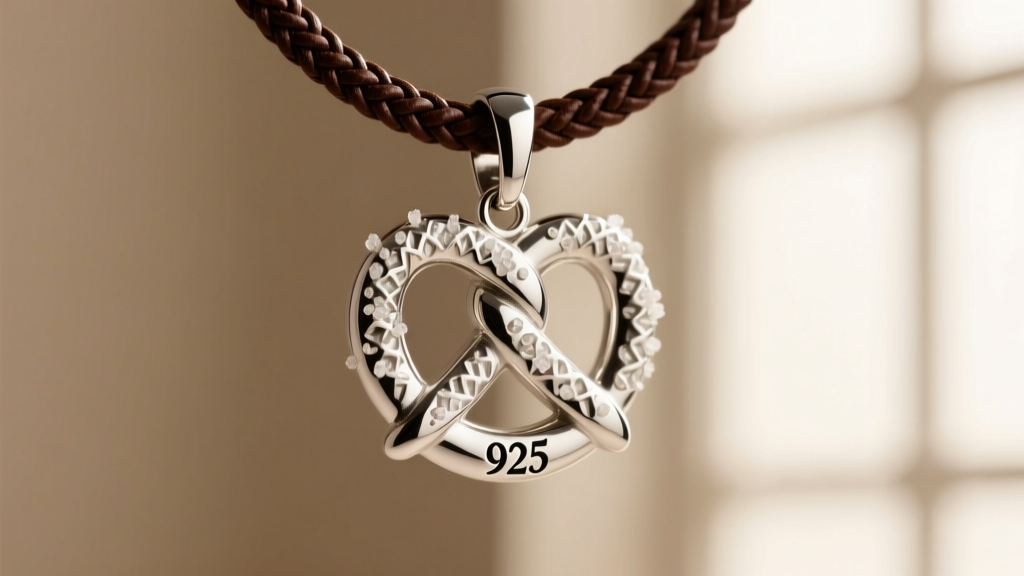
Leather Cords
A 3mm to 4mm round leather cord is the most traditional pairing for an oktoberfest pretzel necklace, echoing the rustic, artisanal vibe of Bavarian leatherwork. However, you must verify the tanning process. Cheap bonded leather or poorly finished chrome-tanned leather will degrade, stiffen, and snap when repeatedly soaked in sweat and beer. Seek out vegetable-tanned cowhide, which develops a beautiful patina over time and possesses a higher resistance to moisture degradation.
Stainless Steel Cable Chains
For a modern, industrial contrast to the organic pretzel shape, 316L surgical stainless steel is the optimal metal chain. The addition of molybdenum in 316L steel provides exceptional resistance to chlorides and industrial solvents, making it completely impervious to the mildly acidic pH (typically 4.0 to 5.0) of spilled beer.
Gauge Sizes and Clasp Mechanics
According to jewelry manufacturing standards outlined by suppliers like Rio Grande, chain gauge directly correlates to breaking strength. A heavy Zamak pretzel pendant weighing 35 grams generates significant kinetic force when swinging.
- 1.0mm Cable Chain: Too fragile. Prone to snapping under the dynamic load of a heavy pendant.
- 1.5mm to 2.0mm Cable Chain: The ideal sweet spot. Offers approximately 40 lbs of tensile strength while remaining flexible enough to drape comfortably.
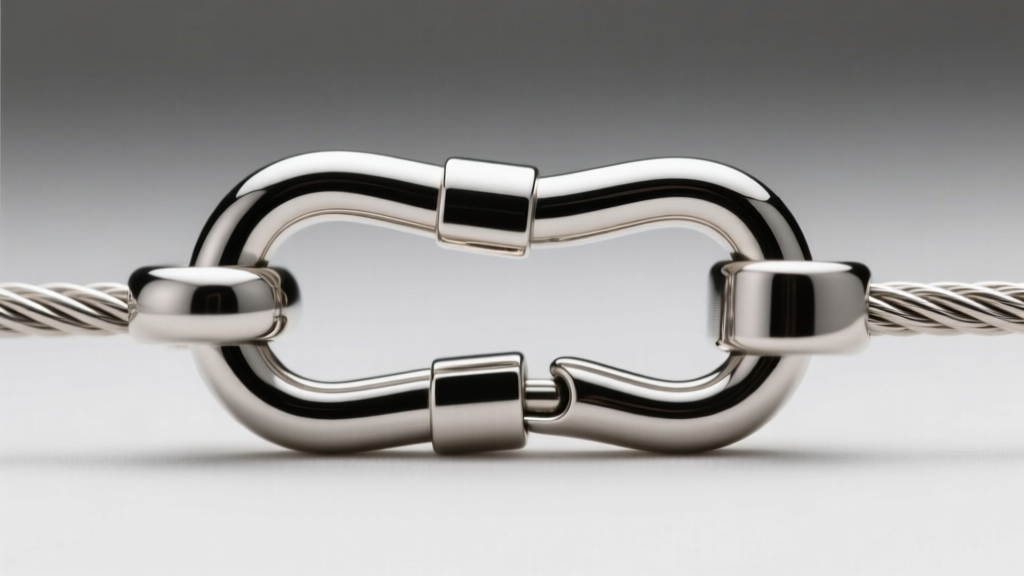
- Lobster Clasps vs. Spring Rings: Always opt for a stainless steel lobster clasp. Spring ring clasps frequently fail when the internal tension spring corrodes from festival humidity.
Skin Sensitivities and Sweat Resistance at the Festzelt
Festival environments are hostile to base metals. The combination of elevated body temperature, profuse sweating, and accidental beer spills creates a highly conductive, acidic electrolyte solution on your skin. This triggers galvanic corrosion in multi-metal alloys.
The most common culprit for contact dermatitis in novelty jewelry is nickel, often used as a flash-plating layer beneath gold or silver finishes on cheap Zamak pendants. The American Academy of Dermatology notes that prolonged contact with nickel-containing items, especially when facilitated by sweat, is a leading cause of allergic contact dermatitis. If you have sensitive skin, strictly avoid unplated brass and nickel-flashed zinc alloys. Instead, invest in solid 925 sterling silver, 316L stainless steel, or seal the back of a budget pendant with a specialized jewelry barrier coating like ProtectaClear.
Care and Maintenance for Longevity
Proper aftercare ensures your pretzel necklace remains a staple in your wardrobe for years.
- Immediate Rinsing: If your necklace is splashed with beer or soda, rinse it immediately under lukewarm tap water. The sugars and acids in beverages will eat through porous enamel and accelerate silver tarnishing.
- Silver Polishing: For sterling silver pretzels, use a treated jeweler’s cloth to buff away tarnish. Avoid liquid silver dips, as they can strip the oxidized antiquing that jewelers often apply to the crevices of the pretzel knot to enhance the 3D texture.
- Leather Conditioning: Wipe down leather cords with a damp cloth after wear, and apply a light coat of neatsfoot oil once a season to prevent the collagen fibers from drying out and cracking.
Final Verdict: Choosing Your Perfect Brezn
The ideal oktoberfest pretzel necklace depends entirely on your festival habits. If you are looking for a budget-friendly, single-season souvenir to wear in the most raucous beer tents, a food-grade silicone pendant on a braided cotton cord is virtually indestructible and skin-safe. For those who view festival fashion as a long-term sartorial investment, a 925 sterling silver pretzel pendant featuring hand-soldered salt granules, suspended from a 1.5mm 316L stainless steel cable chain, offers the perfect synthesis of Bavarian tradition, metallurgical durability, and timeless style.


