The 2026 Gift Guide: Choosing the Perfect Omega Necklace Gold
Discover the 2026 gift guide for an omega necklace gold. Learn to choose widths, karats, and clasps for anniversaries and milestone occasions.

The Resurgence of Liquid Metal: Why Gift an Omega?
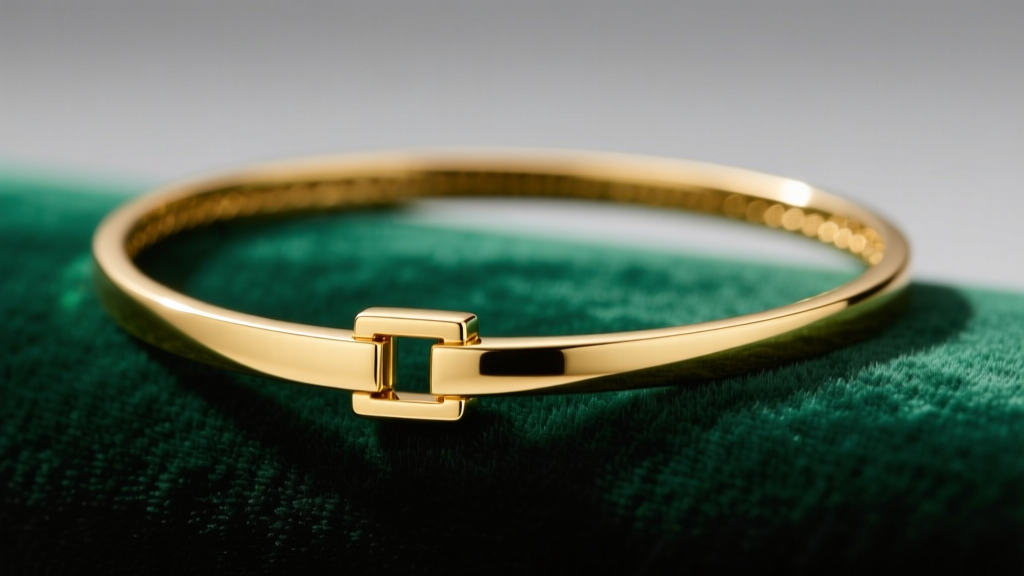
In the landscape of fine jewelry gifting for 2026, the omega necklace gold design has firmly reclaimed its status as a pinnacle of modern luxury. Unlike traditional cable or curb chains that rely on interlocking links, an omega chain is constructed from tightly fitted, stamped metal plates assembled over a flexible mesh or wire core. This unique engineering creates a sleek, continuous surface that mimics the appearance of liquid metal draped across the collarbone. For gift-givers, selecting an omega piece is a deliberate choice that signals sophistication, architectural appreciation, and a departure from conventional chain styles. However, because of their rigid nature and specific structural vulnerabilities, gifting an omega requires a nuanced understanding of the recipient's lifestyle, the metallurgical properties of the gold used, and the precise anatomy of the chain itself. This comprehensive guide will equip you with the expert knowledge needed to select, size, and present an omega necklace that will be cherished for decades.
The Anatomy of an Omega Chain and the 'Kink' Factor
Before committing to a high-ticket gold omega piece, it is critical to understand its structural reality. The defining characteristic of an omega necklace is its rigidity. While it flexes gracefully in one direction to wrap around the neck, it resists bending in the opposite direction. If an omega chain is bent backward against its natural curve, or crushed under the weight of a sleeping head, the metal plates will collapse into one another, resulting in a permanent 'kink.' According to master jewelers and industry guidelines from Jewelers of America, repairing a kinked omega is a painstaking process that requires specialized mandrels and often leaves a visible scar or weak point in the metal. Therefore, an omega necklace is not the ideal gift for someone who prefers to sleep in their jewelry or leads a highly active, hands-on lifestyle. It is a 'take-off-before-bed' piece, best suited for individuals who appreciate mindful jewelry care and elegant, deliberate dressing.
Sizing: The Immutability of Length
Unlike standard link chains, which can be easily shortened or extended by adding or removing jump rings, an omega necklace is virtually impossible to resize without compromising its structural integrity and visual flow. You must know the recipient's exact preferred length before purchasing. A 16-inch omega sits snugly as a choker, ideal for open-neck blouses and evening wear. An 18-inch length offers a classic princess drop, resting gracefully on the collarbone, while a 20-inch length provides a more relaxed, modern silhouette. When in doubt, an 18-inch length is the most universally flattering and versatile choice for gifting.
Occasion Matching: Width, Weight, and Milestone Matrix
The visual impact of an omega necklace is heavily dictated by its millimeter width. Matching the width to the occasion and the recipient's personal style is the cornerstone of a successful gift. Below is a strategic matrix to guide your selection based on current 2026 gifting trends.
| Width (mm) | Visual Impact | Ideal Occasion | Estimated Price Range (14k/18k) |
|---|---|---|---|
| 2.0mm - 3.0mm | Delicate, subtle, pendant-friendly | Graduations, Corporate Milestones, 10th Anniversaries | $350 - $700 / $600 - $1,100 |
| 4.0mm - 5.0mm | Bold, standalone statement piece | 30th/40th Anniversaries, Milestone Birthdays (40, 50) | $800 - $1,500 / $1,400 - $2,800 |
| 6.0mm - 8.0mm+ | Heavy, architectural, high-fashion | Major Life Events, Retirement, Gala Attire | $1,800+ / $3,500+ |
For a 25th or 30th wedding anniversary, a 4.5mm or 5.0mm omega in 18k yellow gold serves as a breathtaking standalone piece that requires no pendant. Conversely, for a recent college graduate entering the corporate world, a sleek 2.5mm omega in 14k white gold offers a refined, professional aesthetic that pairs beautifully with a modest diamond solitaire pendant.
Metallurgical Choices: 14k vs. 18k Gold
The choice of gold karat fundamentally alters both the durability and the visual warmth of the necklace. As detailed by the Gemological Institute of America (GIA), pure 24k gold is too soft for the complex mechanical assembly of an omega chain. Therefore, it must be alloyed with metals like copper, silver, and zinc.
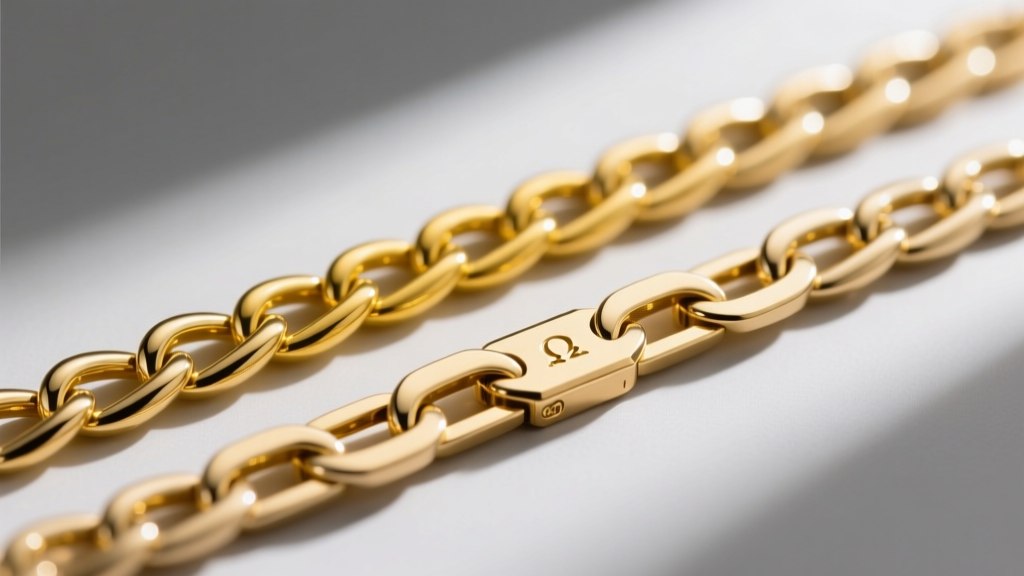
14k Gold (58.5% Pure Gold): This is the pragmatic choice for wider omegas (5mm and above) or for recipients who plan to wear the piece frequently. The higher alloy content provides superior tensile strength and resistance to denting. The color is slightly paler but still offers a beautiful yellow hue, especially when polished to a high mirror finish.
18k Gold (75% Pure Gold): This is the premium, luxury choice. 18k gold possesses a deeply saturated, rich yellow color that is highly coveted in fine jewelry. However, it is inherently softer. If gifting an 18k omega, it is best kept in the 2mm to 4mm range to balance the weight, and the recipient must be diligent about avoiding impacts or pressure that could dent the softer metal plates.
The Clasp Crucible: Ensuring Security
The clasp on an omega necklace is not merely a functional component; it is a critical safety feature. Because omegas are rigid, the clasp endures unique torsional stress when the wearer turns their head. For omegas under 3mm, a high-quality, solid lobster clasp is sufficient. However, for any omega 4mm or wider, a lobster clasp is inadequate and aesthetically mismatched. You must select a necklace featuring a box clasp with a figure-8 safety catch or a tongue clasp with dual side-safeties. These clasps distribute the tension evenly across the width of the chain and provide redundant security mechanisms, ensuring that a heavy, valuable piece of gold remains safely around the wearer's neck.
Gifting Etiquette and Presentation for 2026
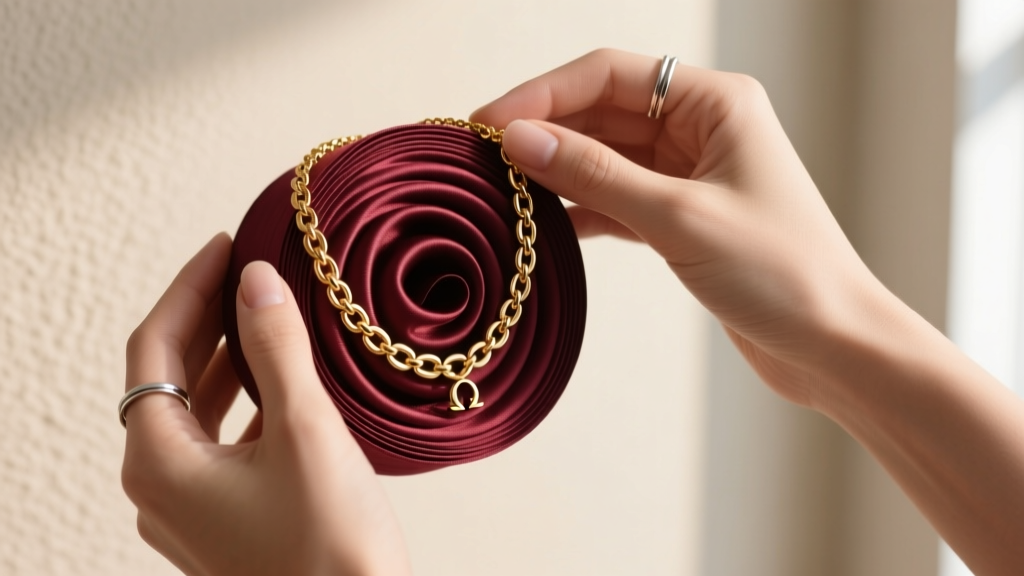
Presenting an omega necklace requires more than a standard velvet box. Because the chain cannot be tightly coiled like a traditional link chain without risking a kink, the packaging must accommodate its natural, wide-diameter curve. High-end jewelers in 2026 are increasingly utilizing specialized, extra-wide presentation trays or rigid, circular silk-lined boxes that allow the omega to lay flat in its natural resting state.
"When gifting an omega, you are gifting a piece of wearable architecture. The presentation should reflect that structural integrity. Never force an omega into a tight, standard ring box or a small pouch where it will be forced to bend upon itself." — Master Bench Jeweler, Jewelstyleradar Editorial Board.
Include a handwritten note detailing the specific care instructions. This adds a layer of thoughtful expertise to your gift, showing the recipient that you have considered the longevity of the piece, not just its immediate visual impact.
Troubleshooting and Archival Care Instructions
To ensure your gift remains pristine, provide the recipient with these non-negotiable care rules:
- The Sleep Rule: Always remove the omega necklace before sleeping. Tossing and turning can easily bend the chain past its yield point, causing irreversible kinking.
- The Storage Protocol: Store the necklace flat in a wide jewelry tray, or hang it on a wide, padded jewelry stand that mimics the curve of the human neck. Never hang it on a standard, narrow hook that forces the chain into a tight 'V' shape.
- The Pendant Rule: If the recipient wishes to add a pendant, ensure the bail (the loop the pendant hangs from) is wide enough to slide smoothly over the omega without catching on the edges of the metal plates. A pinched bail can scratch the omega's mirror finish.
- Chemical Avoidance: While gold is resistant to tarnish, the alloys in 14k and 18k gold can react to harsh chemicals. Remove the necklace before swimming in chlorinated pools or using abrasive household cleaners, which can cause microscopic pitting on the flat plates.
Final Verdict: A Timeless Investment
An omega necklace gold design is more than just an accessory; it is a bold declaration of modern elegance. By carefully considering the recipient's lifestyle, selecting the appropriate width and karat for the specific milestone, and ensuring the piece is equipped with a heavy-duty safety clasp, you are providing a gift that transcends fleeting trends. When presented with the proper architectural packaging and accompanied by expert care instructions, an omega necklace becomes a profound, enduring symbol of your appreciation and impeccable taste.


