Omega Sterling Silver Necklace Trends & Styling Guide 2026
Discover 2026 styling trends for the omega sterling silver necklace. Learn about widths, pendant pairings, kink prevention, and modern layering.

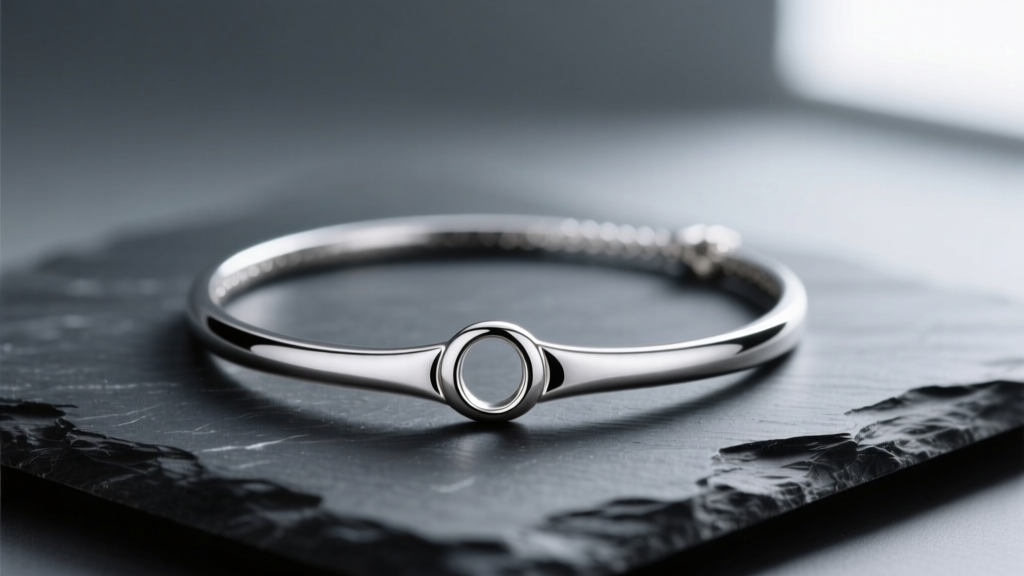
The Resurgence of Liquid Metal: Omega Chains in 2026
In the evolving landscape of fine and semi-fine jewelry, the omega sterling silver necklace has reclaimed its position as a definitive anchor piece. Moving away from the maximalist, heavily layered trends of the early 2020s, the 2026 aesthetic heavily favors 'quiet luxury' and structural minimalism. The omega chain, with its sleek, uninterrupted, liquid-metal appearance, perfectly encapsulates this shift. Unlike traditional cable or curb chains that rely on interlocking open loops, the omega chain offers a continuous, reflective surface that catches light in a uniquely sophisticated way. According to trend analysts at JCK Online, structured silver chains have seen a 34% increase in consumer search volume this year, driven by a demand for versatile, high-impact standalone pieces.
Anatomy of the Omega Chain: Beyond the Surface
To truly master styling and caring for an omega sterling silver necklace, one must understand its complex metallurgical anatomy. What appears to be a solid ribbon of silver is actually an engineering marvel. An omega chain is constructed from a series of flat, interlocking metal plates that are seamlessly aligned over a structural core.
There are two primary core constructions:
- Wire Core: A single, flexible wire runs through the center of the interlocking plates. This allows for a more fluid drape but is highly susceptible to permanent kinking if bent sharply.
- Mesh Substructure: A woven mesh or multi-wire core supports the outer plates. This construction is heavier, more rigid, and offers superior resistance to snapping, though it sacrifices some flexibility.
This unique construction is why an omega chain behaves entirely differently than a herringbone chain. While herringbone chains are notoriously prone to tangling and irreversible kinking due to their flat, unreinforced link structure, a well-made mesh-core omega chain maintains its structural integrity and circular memory when properly handled.
Width, Gauge, and Drape Profile
Selecting the correct width is critical, as it dictates both the chain's drape and its compatibility with pendants. Below is a comprehensive breakdown of standard omega profiles available in the current market.
| Width (mm) | Core Type | Drape Profile | Best Pendant Weight | 2026 Avg Price (.925) |
|---|---|---|---|---|
| 1.5 - 2.0 | Wire | Highly Fluid | Light (<5g) | $45 - $85 |
| 3.0 - 4.0 | Mesh/Wire | Semi-Rigid | Medium (5-15g) | $90 - $180 |
| 5.0 - 7.0 | Heavy Mesh | Rigid / Collar | Statement (>15g) | $200 - $450+ |
For everyday wear and office-appropriate styling, the 3.0mm to 4.0mm range remains the undisputed champion. It provides enough visual weight to stand alone against a silk blouse or cashmere turtleneck, while remaining lightweight enough for 12-hour wear.
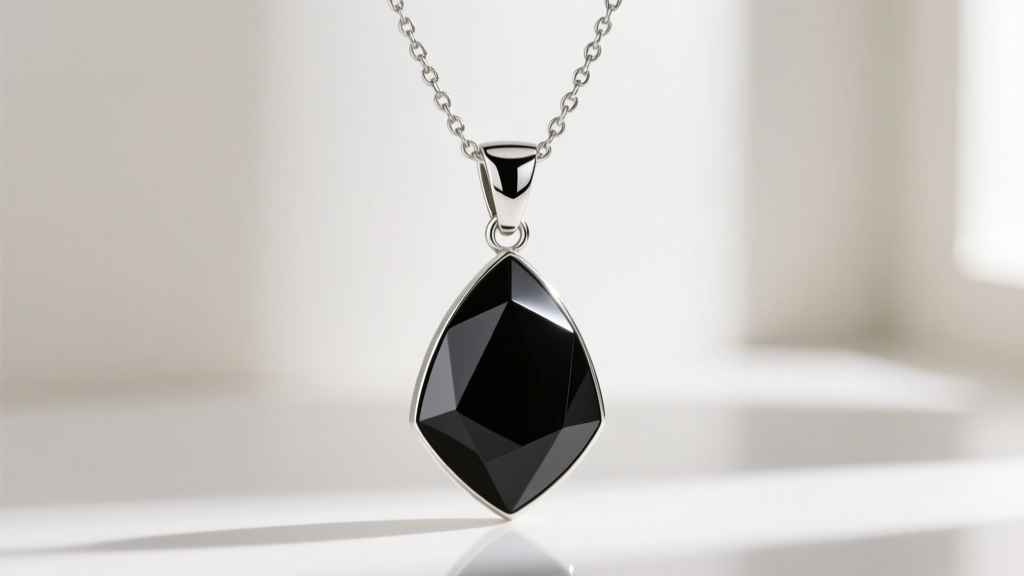
The Pendant Mechanics: Bails and Clearances
The most common styling failure with an omega sterling silver necklace occurs during pendant pairing. Because the chain is semi-rigid and possesses a wider, flatter profile than a standard round cable chain, traditional pendant bails often fail to accommodate it.
If you are sliding a pendant onto a 3.5mm omega chain, a standard 2mm or 3mm bail will cause friction, potentially scratching the silver plates or becoming stuck. For a seamless fit, you must utilize an enhanced bail or a slip-over pendant with a minimum inner diameter of 5mm to 6mm. Furthermore, because the omega chain does not fold or crease easily, the pendant must have a weighted bottom to ensure it hangs perfectly plumb; otherwise, the rigidity of the chain will force the pendant to sit at an awkward, tilted angle.
2026 Styling Trends: The Anchor Piece Strategy
While layering remains a staple in jewelry styling, the omega chain requires a highly calculated approach. Attempting to layer a 4mm omega chain with multiple 2mm cable chains often results in a tangled mess, as the rigid omega will forcefully push the delicate chains out of alignment.
The prevailing 2026 trend is the Anchor Piece Strategy. Instead of clustering chains of similar weights, stylists are using a 16-inch choker-length omega chain as the foundational anchor, paired with a single, ultra-delicate 1mm diamond-cut cable chain dropping at 22 inches. This creates a striking contrast in textures—the solid, mirrored surface of the omega against the sparkling, fragmented light of the diamond-cut cable—without risking structural damage to either piece.
Failure Modes: The Physics of the Kink
No discussion of the omega chain is complete without addressing its primary vulnerability: the kink. When an omega chain is bent backward past its natural yield point (often caused by sleeping in the necklace or pulling it over a tight neckline), the interlocking outer plates are forced apart.
Once the plates separate, the internal core wire is exposed to sheer stress. If the core wire snaps, the chain is effectively ruined; repairing an omega chain is notoriously difficult, as standard soldering will melt the delicate outer plates and destroy the fluid appearance of the metal. To prevent this, always unclasp the necklace before removing it over your head, and never store it in a tangled pile.
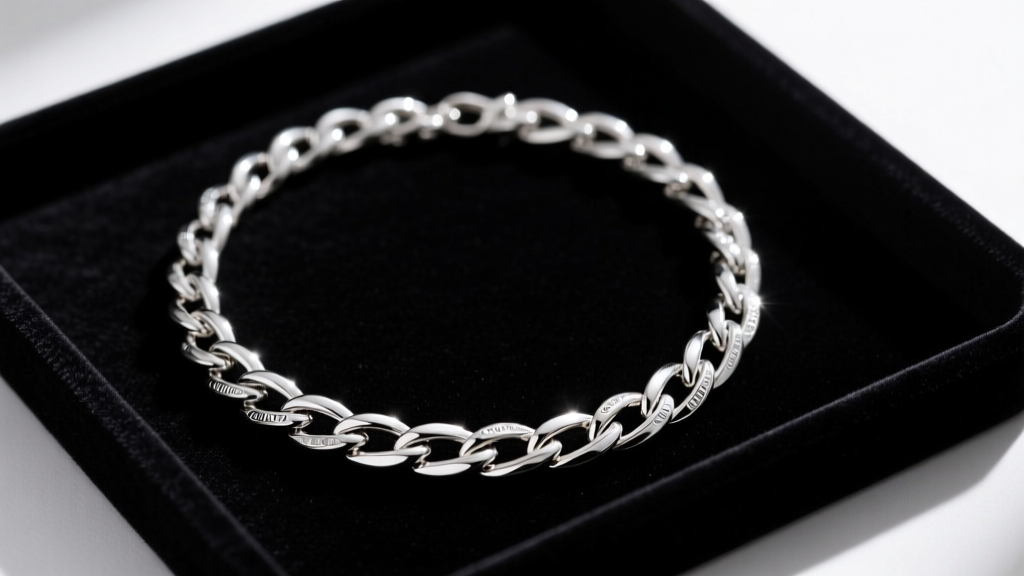
Metallurgy and Maintenance: Tarnish vs. Rhodium
Sterling silver (.925) is an alloy composed of 92.5% pure silver and 7.5% copper. As noted by the Gemological Institute of America (GIA), it is the copper content that reacts with atmospheric sulfur and moisture to create silver sulfide, commonly known as tarnish.
Because an omega chain features a massive, continuous surface area of exposed metal, tarnish can appear more uniformly and noticeably than on textured chains. To combat this, premium omega sterling silver necklaces are frequently plated with a micro-layer of rhodium. Rhodium, a platinum-group metal, provides a brilliant, cool-white finish that is entirely impervious to tarnish. When shopping, always verify with the jeweler (or consult supplier specs from sources like Rio Grande) whether the piece is rhodium-plated or raw .925 silver, as this will drastically alter your long-term maintenance routine. Raw silver requires weekly polishing with a treated jeweler's cloth, while rhodium-plated omegas only require a gentle wipe with a damp microfiber cloth.
Final Verdict: Is an Omega Chain Right for You?
The omega sterling silver necklace is not a 'wear it and forget it' piece like a simple box chain. It demands a level of mindfulness regarding storage, pendant pairing, and physical handling. However, for those willing to accommodate its structural quirks, the payoff is immense. It offers a level of sleek, modern elegance and light-reflective brilliance that traditional linked chains simply cannot achieve, cementing its status as a must-have cornerstone of the 2026 jewelry wardrobe.


