The Onyx and Pearl Necklace: 2026 High-Contrast Trend Guide
Discover why the onyx and pearl necklace is dominating 2026 jewelry trends. Explore material grades, styling frameworks, and layering tips.

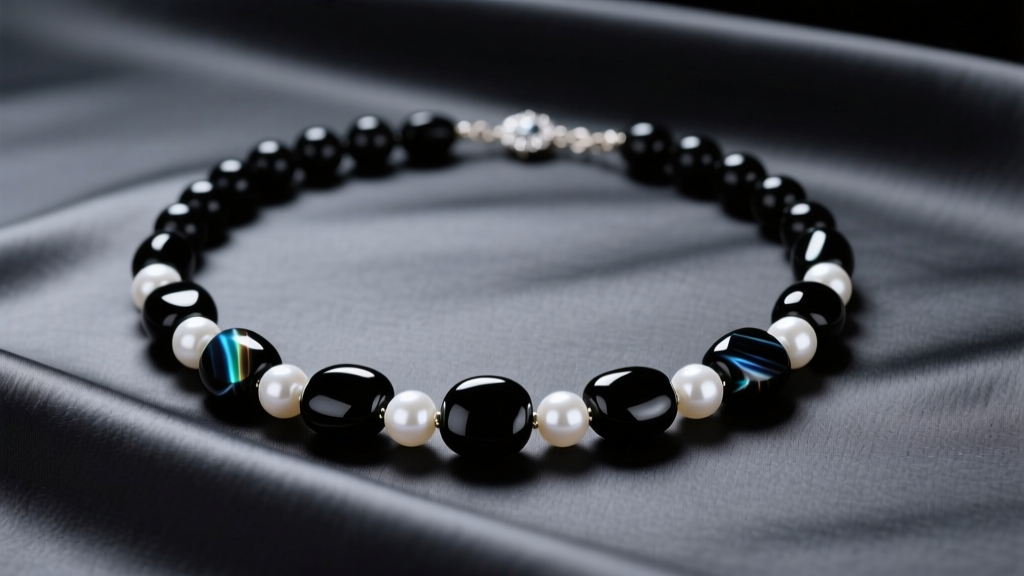
The Resurgence of High-Contrast Monochrome in 2026
The 2026 jewelry market has pivoted sharply from the chaotic maximalism and mixed-metal layering of previous years toward graphic, intentional styling. At the forefront of this shift is the onyx and pearl necklace. This high-contrast pairing merges the moody, opaque depth of black stones with the luminous, organic luster of white pearls. Rooted in the geometric precision of 1920s Art Deco, the modern iteration strips away the heavy filigree of the past, favoring clean lines, asymmetrical bead placement, and minimalist hardware. For collectors and style enthusiasts, understanding the material nuances of this trend is critical, as the market is currently saturated with varying grades of both stones.
Material Anatomy: Beyond the Binary
To properly evaluate an onyx and pearl necklace, one must look past the superficial black-and-white aesthetic and examine the gemological reality of the components. The interplay between these two materials is not just visual; it is a study in geological contrasts.
The Onyx Reality: Natural vs. Treated Chalcedony
True, naturally occurring black onyx is exceptionally rare and commands a premium that is rarely seen in mainstream commercial jewelry. According to the Gemological Institute of America (GIA), the vast majority of black onyx on the market is actually gray or white chalcedony (a type of agate) that has been treated. The industry-standard sugar-carbonization process involves soaking the porous agate in a sugar solution and then heating it in sulfuric acid, which carbonizes the sugar and turns the stone a permanent, deep black. While this treatment is stable and universally accepted in the trade, it must be disclosed. When shopping, expect to pay a premium for untreated natural black onyx, though high-quality dyed black agate offers identical durability with a Mohs hardness of 6.5 to 7.
Pearl Grades: Akoya vs. Edison Freshwater
The white counterpart in this necklace trend dictates the overall price point and luster quality. In 2026, designers are heavily favoring two distinct pearl types for high-contrast pieces:
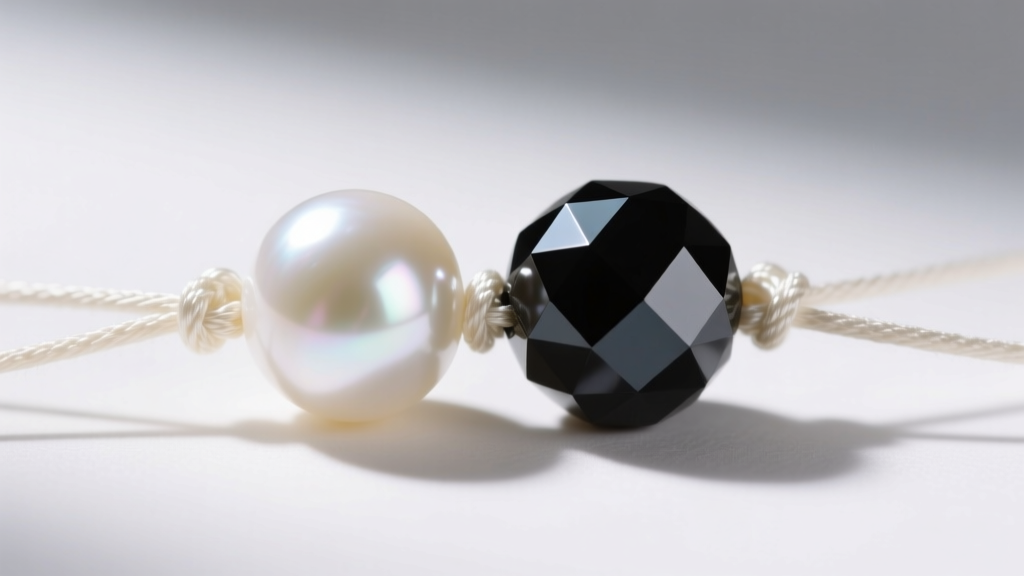
- Akoya Pearls (6mm - 8.5mm): Prized for their sharp, mirror-like luster and perfectly round shapes. They provide a crisp, formal contrast to faceted black onyx.
- Edison Freshwater Pearls (10mm - 14mm): Known for their larger sizes, metallic overtones, and occasional baroque (irregular) shapes. When paired with smooth, tumbled onyx beads, they create a more organic, avant-garde silhouette.
The 2026 Pricing Matrix: What You Should Actually Pay
Navigating the pricing of an onyx and pearl necklace requires an understanding of the hardware and stone grading. Below is a breakdown of expected retail pricing tiers for a standard 16-to-18-inch strand in the current market.
| Tier | Pearl Type & Size | Black Stone & Cut | Hardware / Clasp | Estimated Price Range |
|---|---|---|---|---|
| Entry-Level | Commercial Freshwater (6-7mm) | Tumbled Dyed Agate | Brass / Gold-Plated | $45 - $120 |
| Mid-Tier | AA+ Akoya (6.5-7.5mm) | Faceted Black Chalcedony | 14k Gold-Filled / Vermeil | $250 - $650 |
| Luxury | Hanadama Akoya (8-9mm) | Precision-Calibrated Natural Onyx | 18k Solid Gold / Diamond-Set | $1,800 - $4,500+ |
Structural Integrity and Failure Modes
The most critical, yet frequently overlooked, aspect of purchasing an onyx and pearl necklace is the structural stringing mechanics. This specific combination presents a severe hardness mismatch. Black onyx (or dyed agate) sits at a 6.5 to 7 on the Mohs scale, while pearls are exceptionally soft, ranging from 2.5 to 4.5.
If the beads are strung on nylon-coated stainless steel beading wire without proper spacing, the harder onyx beads will act like sandpaper against the softer pearl nacre. Over months of wear, the friction will literally grind away the pearl's luster, creating flat, dull spots around the drill holes. To prevent this catastrophic failure mode, jewelers must use one of two methods:
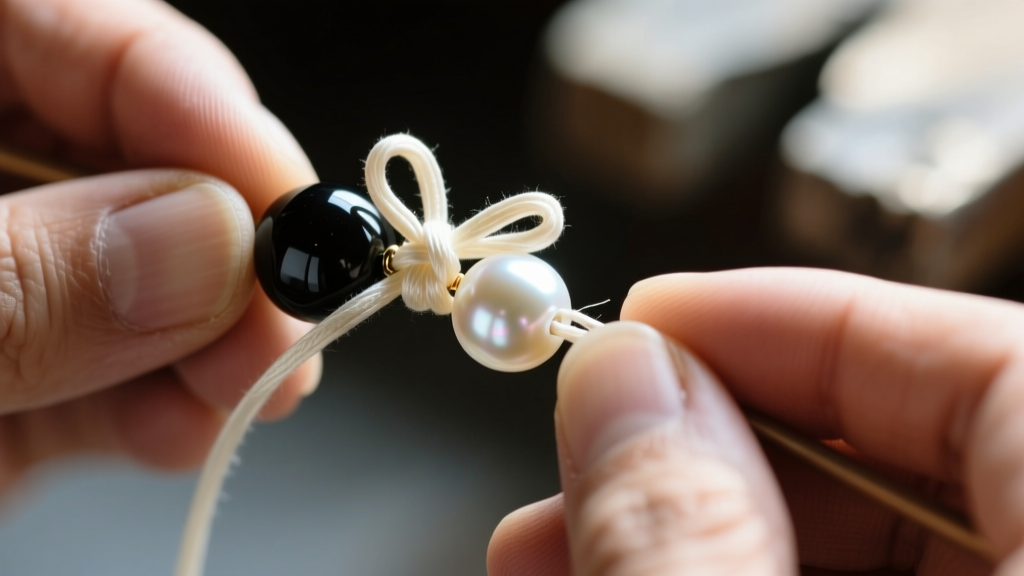
- Hand-Knotted French Silk: Using Size F (0.275mm) or Size FF (0.325mm) silk thread, a knot is tied between every single bead. This prevents the stones from touching and protects the drill holes.
- Micro-Spacers: If strung on 0.015-inch beading wire for added durability, the designer must incorporate soft silicone or tiny 14k gold micro-spacers between the onyx and the pearls to buffer the friction.
Neckline Pairing Framework for High-Contrast Pieces
The graphic nature of the onyx and pearl necklace demands intentional styling. Because the contrast is so striking, the piece will naturally draw the eye. Here is a framework for pairing these necklaces with 2026's dominant silhouettes:
- The Plunge V-Neck: Opt for a 16-inch princess length with a graduated bead design (smaller pearls at the clasp, larger onyx and pearls at the center drop). This elongates the decolletage without overwhelming the fabric.
- The Asymmetrical One-Shoulder: Use a 24-inch opera-length strand. Wrap it once around the neck to create a makeshift choker, letting the remainder drape down the bare shoulder. The black-and-white monochrome anchors the asymmetrical cut.
- The Structured Boatneck: A tightly knotted 14-inch choker featuring alternating 5mm Akoya pearls and faceted black onyx rondelles sits perfectly above the collarbone, providing a sharp, nautical-inspired contrast to the wide neckline.
Authenticity and Sourcing: Avoiding the Plastic Trap
As the trend accelerates, fast-fashion retailers have flooded the market with imitation materials. It is common to find necklaces featuring plastic resin beads masquerading as onyx, and shell-pearl or coated glass beads mimicking Akoya.
To verify the black stones, use the thermal conductivity test. Natural stone and treated agate will feel noticeably cold to the touch and will take time to warm up against your skin, whereas glass or plastic will feel room-temperature or warm almost instantly. For the pearls, the traditional 'tooth test' remains highly effective. Gently rub the pearl against the biting edge of your front teeth. A genuine pearl will feel distinctly gritty or sandy due to its microscopic crystalline nacre structure, while a faux pearl will glide smoothly. For definitive verification, especially on luxury-tier pieces, always request a gemological report from a recognized authority like the GIA Pearl Classification Report.
"The 2026 consumer is highly educated on material provenance. They don't just want a black and white necklace; they want to know the exact origin of the nacre and the specific treatment history of the chalcedony. Transparency is the ultimate luxury."
— Editorial Director, National Jeweler
Final Verdict on the Monochrome Revival
The onyx and pearl necklace is far more than a fleeting seasonal trend; it is a permanent fixture in the modern jewelry wardrobe. By offering a masterclass in contrast, it bridges the gap between vintage glamour and contemporary minimalism. Whether you are investing in a luxury Hanadama Akoya strand or styling a contemporary Edison freshwater piece, prioritizing structural stringing integrity and verified material grades will ensure your high-contrast necklace remains a pristine, wearable asset for decades to come.


