Brass Necklace Chain Properties: Patina, Care, and Metal Comparisons
Discover the metallurgy, patina, and care of a brass necklace chain. Compare brass to bronze and steel, and learn how to prevent green skin.

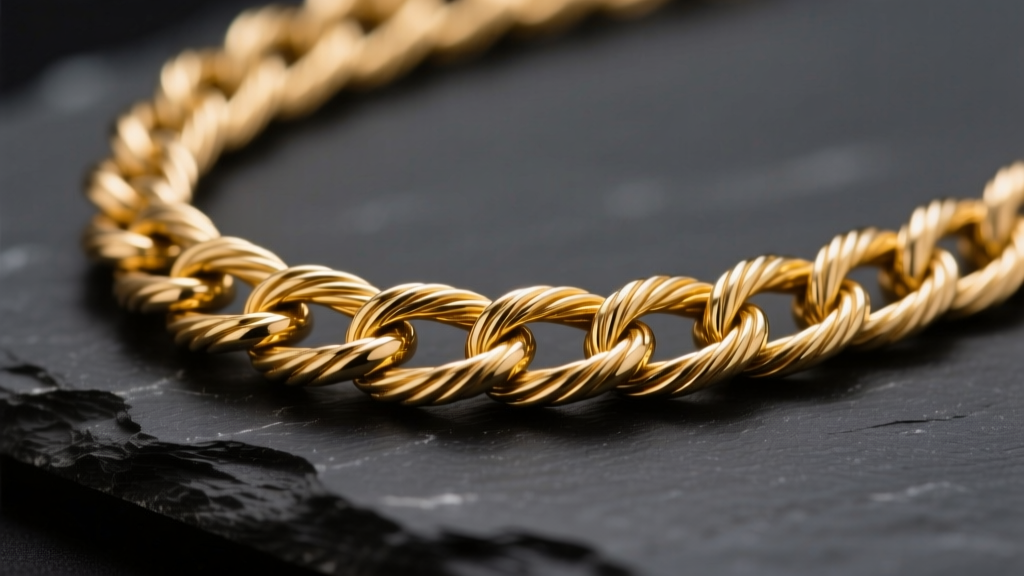
When selecting base metals for everyday jewelry, a brass necklace chain offers a unique intersection of affordability, warm aesthetic appeal, and dynamic aging characteristics. Unlike precious metals that remain relatively static, brass is a living material. It reacts to its environment, the wearer's body chemistry, and the passage of time. For jewelry designers and collectors in 2026, understanding the exact metallurgical properties of brass is essential for making informed decisions regarding chain styles, clasp durability, and long-term maintenance. This guide dives deep into the material science of brass, comparing it to alternative base metals and providing actionable frameworks for wear and care.
The Metallurgy of a Brass Necklace Chain
Brass is not a pure element; it is a substitutional alloy composed primarily of copper and zinc. The specific ratio of these two metals dictates the chain's color, hardness, and malleability. In the jewelry industry, you will typically encounter two main grades of brass:
- C26000 (Cartridge Brass): Comprising roughly 70% copper and 30% zinc, this is the most common alloy used for jewelry findings and chains. It possesses a bright, golden-yellow hue and excellent cold-working properties, making it ideal for intricate chain links like box or figaro styles.
- C23000 (Red Brass): With an 85% copper and 15% zinc composition, red brass leans heavily into a warm, rose-gold-like pinkish tone. It is slightly softer and more prone to oxidation but is highly prized for its rich, vintage aesthetic.
According to the Copper Development Association, the addition of zinc to copper significantly increases the alloy's tensile strength and corrosion resistance compared to pure copper. However, this strength comes with a trade-off: brass is susceptible to dezincification and stress-corrosion cracking if exposed to harsh chlorides or ammonia-based cleaning agents over prolonged periods.
The Chemistry of the 'Green Neck' Reaction
The most common complaint regarding brass jewelry is the notorious 'green skin' phenomenon. This is not an allergic reaction, nor is it a sign of toxicity. It is a straightforward chemical reaction. Human sweat contains water, salts, and sebum, with a naturally acidic pH typically ranging between 4.5 and 5.5. When the copper in the brass necklace chain interacts with these acidic secretions and oxygen, it forms copper chloride and copper carbonate—commonly known as verdigris.
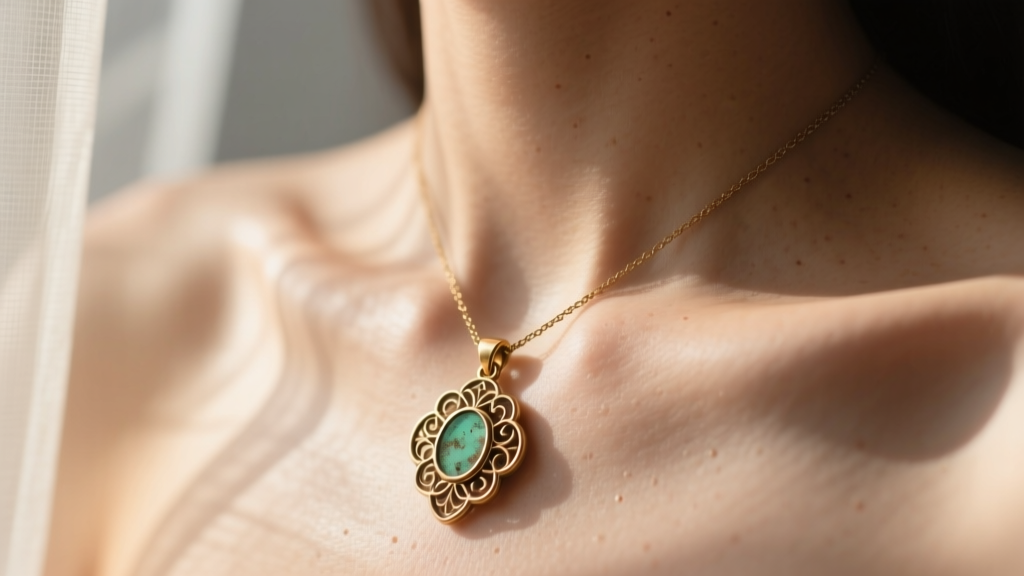
This green compound is harmless and washes off easily with soap and water, but it can be aesthetically undesirable. The rate of this reaction depends heavily on the wearer's individual body chemistry, diet, and the ambient humidity. To mitigate this, jewelers often recommend a simple barrier method: applying a micro-thin layer of clear polyurethane or specialized jewelry sealant to the interior links of the chain where it makes direct contact with the skin. Alternatively, opting for a heavier gauge chain reduces the surface-area-to-volume ratio in contact with the skin, slightly slowing the transfer of copper salts.
Material Comparison: Brass vs. Alternative Base Metals
To truly understand the value of a brass necklace chain, it must be evaluated against other popular base metals used in contemporary jewelry design. Below is a comparative analysis of material properties relevant to chain manufacturing.
| Metal Alloy | Primary Composition | Vickers Hardness (HV) | Tarnish Profile | Skin Reaction Risk | Avg. Cost per Foot (18g) |
|---|---|---|---|---|---|
| Yellow Brass (C260) | 70% Cu, 30% Zn | 100-150 HV | Moderate (darkens, verdigris) | High | $2.50 - $4.00 |
| Bronze (Silicon) | 95% Cu, 4% Si, 1% Mn | 180-220 HV | Slow (deep brown patina) | Moderate | $4.00 - $6.50 |
| Stainless Steel (316L) | Fe, Cr, Ni, Mo | 200-250 HV | Negligible | Very Low | $3.00 - $5.00 |
| Sterling Silver (925) | 92.5% Ag, 7.5% Cu | 60-70 HV | Moderate (black silver sulfide) | Low | $15.00 - $25.00 |
While stainless steel offers superior hardness and zero skin discoloration, it lacks the warm, workable luster of brass. Bronze is harder and more durable but requires higher temperatures for soldering and annealing, making complex chain repairs difficult for the average bench jeweler. Brass remains the premier choice for designers seeking a gold-like appearance without the precious metal price tag, provided the patina is managed correctly.
Gauge Sizes, Tensile Strength, and Chain Styles
The structural integrity of a brass necklace chain is heavily dictated by its wire gauge and link geometry. Because brass work-hardens rapidly when bent or drawn, chain manufacturers must carefully anneal the wire during production to prevent brittleness. When selecting a chain, consider the following gauge applications:
- 22 to 20 Gauge (0.64mm - 0.81mm): Best reserved for lightweight pendants, layering pieces, or delicate chains like serpentine and cable. These gauges are prone to stretching and jump-ring failure if subjected to heavy tensile stress.
- 18 to 16 Gauge (1.02mm - 1.29mm): The sweet spot for everyday wear. An 18-gauge rolo or curb chain offers excellent drape while maintaining enough structural mass to support medium-weight cast pendants without deforming.
- 14 to 12 Gauge (1.63mm - 2.05mm): Used for statement pieces, heavy Cuban links, and masculine jewelry. At this thickness, brass's natural weight becomes a prominent feature, though the chain will require robust, soldered clasps to prevent accidental unfastening.
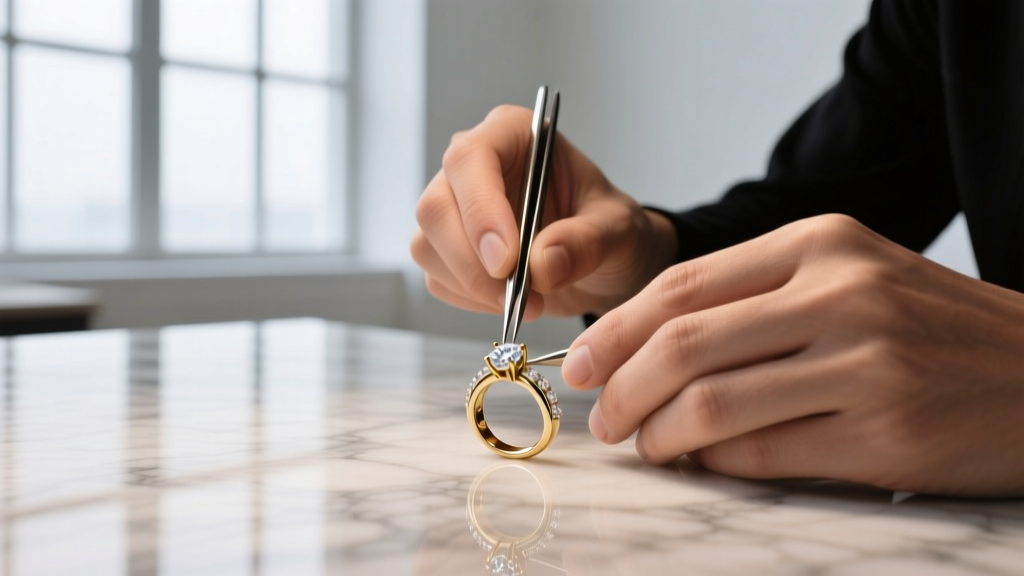
Jewelry suppliers like Rio Grande frequently advise bench jewelers to use hard-soldered jump rings when finishing brass chains. Because brass is relatively soft, unsoldered jump rings can easily be pulled apart by the weight of a heavy pendant or a sudden snag on clothing.
Patina Management: Embrace or Erase?
Unlike stainless steel, a brass necklace chain will inevitably oxidize. The GIA Gem Encyclopedia notes that oxidation is a natural protective layer for copper alloys, but in jewelry, it is often a matter of aesthetic preference. You have two distinct paths for patina management:
1. Accelerating and Sealing the Patina
For a vintage, heirloom look, jewelers use liver of sulfur (potassium sulfide) to force a rapid, even oxidation, turning the brass deep brown or black. After achieving the desired color, the chain is tumbled with steel shot to burnish the high points, creating a striking contrast. To lock this finish in place and prevent further reaction with the skin, the chain must be sealed with a microcrystalline wax, such as Renaissance Wax. This museum-grade wax provides a durable, invisible barrier that lasts for months of regular wear.
2. Maintaining a High-Polish Finish
If you prefer the bright, golden shine of new brass, regular maintenance is required. Avoid harsh commercial dips, which can strip the zinc from the surface and leave the chain porous and pinkish. Instead, use a mild acid bath of equal parts white vinegar and water with a pinch of non-iodized salt. Soak the chain for no more than five minutes, rinse thoroughly with distilled water, and dry immediately. Follow up with a gentle polish using a treated jeweler's cloth to restore the mirror finish.
'Brass is an unforgiving metal if ignored, but deeply rewarding if maintained. The key to a successful brass necklace chain is not preventing oxidation entirely, but controlling the narrative of how it ages.' — Master Bench Jeweler
Ultimately, a brass necklace chain is an excellent investment for those who appreciate the tactile, evolving nature of base metals. By understanding its alloy composition, respecting its structural limits, and actively managing its surface chemistry, you can enjoy the luxurious drape and warm glow of brass for decades to come.


