Opera Length Necklace Materials: A Weight and Drape Guide
Discover how metal weight, chain gauge, and stringing materials impact the drape and durability of your opera length necklace. Expert material guide.

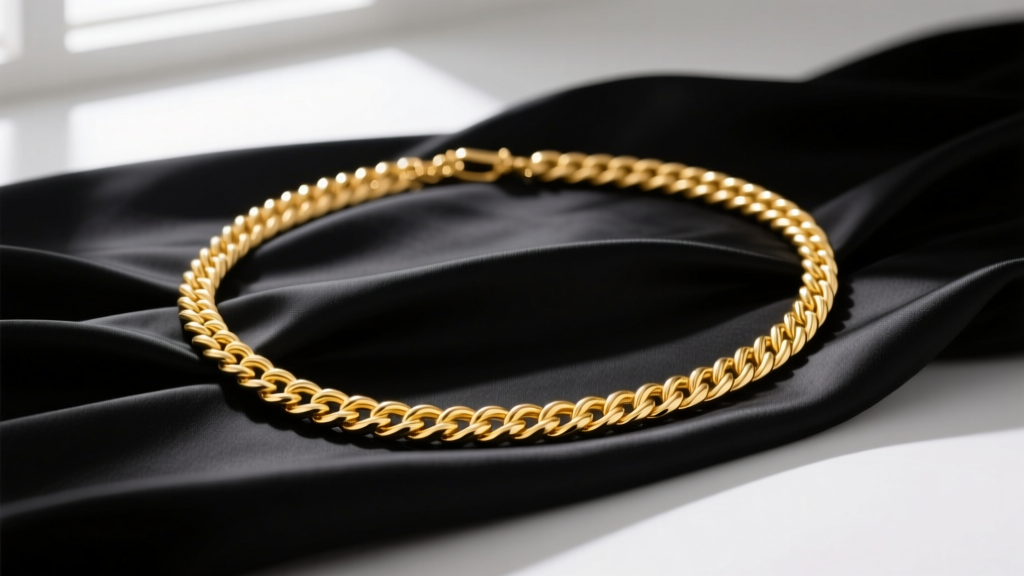
The Physics of the Drop: Why Material Matters at 30 Inches
An opera length necklace, traditionally measuring between 26 and 36 inches, presents a unique set of engineering challenges that shorter necklaces simply do not face. When a necklace drops 15 inches from the nape of the neck to the sternum, it acts as a pendulum. Every movement transfers kinetic energy down the chain, creating tension at the clasp and the apex of the neck. Consequently, the material properties—specifically density, tensile strength, and flexibility—dictate not only how the piece drapes but also how it survives long-term wear.
Choosing the wrong material for an opera length necklace often results in structural failure. Heavy metals can cause severe neckline strain and stretch the links over time, while overly rigid stringing materials will refuse to lay flat against the body, destroying the elegant, fluid silhouette that defines the opera style. This guide breaks down the metallurgical and material science behind selecting the perfect medium for your opera length pieces.
Solid Metals vs. Hollow Construction: Weight and Tensile Strength
The most common mistake consumers and novice jewelers make with long-chain necklaces is ignoring metal density. A 3mm rope chain that weighs a comfortable 15 grams at a 16-inch choker length will weigh over 30 grams at 32 inches. When doubled or knotted, that weight concentrates at the stress points.
Gold and Platinum: The Heavyweights
18-karat yellow gold has a density of approximately 15.6 g/cm³, while platinum sits at a massive 21.4 g/cm³. A solid platinum opera chain in a 20-gauge (0.81mm) thickness can easily exceed 90 grams. This causes the chain to pull aggressively on the cervical spine and stretch the jump rings near the clasp. According to Rio Grande's metallurgical resource guides, jewelers must compensate for this density by utilizing hollow-core constructions or dropping to much thinner gauges (22-gauge or 24-gauge) when working with platinum for lengths exceeding 28 inches. However, hollow chains are highly susceptible to crushing if the wearer accidentally knots the chain and attempts to pull it tight.
Titanium and Aluminum: The Lightweight Alternatives
For a bold, chunky opera length necklace that won't cause neck fatigue, aerospace-grade titanium (specifically Grade 5, Ti-6Al-4V) is unmatched. With a density of just 4.5 g/cm³, a thick 16-gauge (1.29mm) titanium cable chain weighs roughly a third of its gold equivalent. Titanium boasts exceptional tensile strength, meaning it will not stretch or deform under the pendulum effect of a 30-inch drop. Aluminum is even lighter but suffers from work-hardening; repeated bending and knotting will cause aluminum links to become brittle and eventually snap.
Stringing Materials for Beaded Opera Length Necklaces
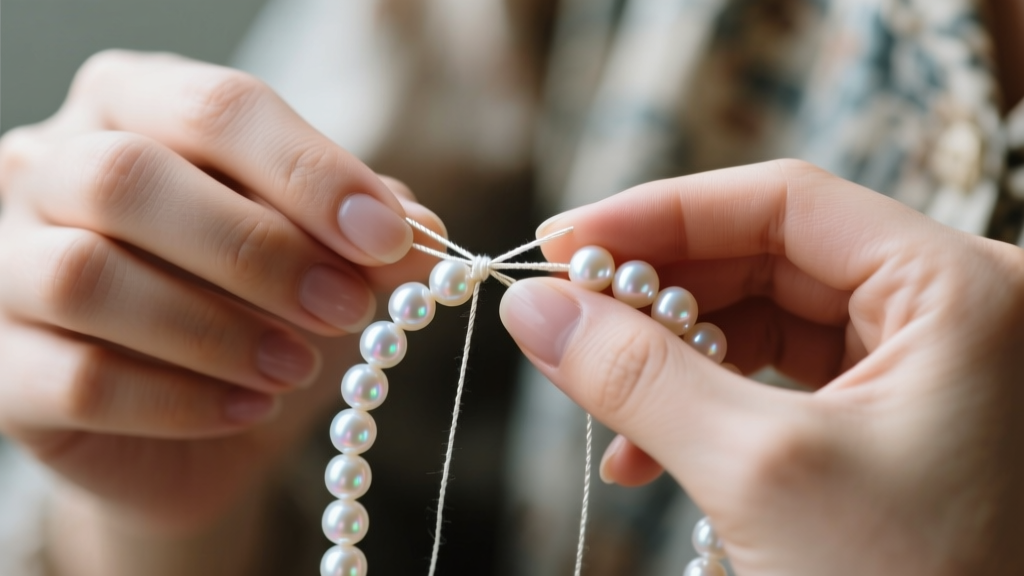
When designing an opera length pearl or gemstone necklace, the stringing medium is far more critical than the beads themselves. The traditional knotted opera look requires a material that is supple enough to tie into a decorative overhand knot without snapping, yet strong enough to hold 100+ grams of stone.
| Stringing Material | Tensile Strength | Drape Quality | Knot Suitability | Best Application |
|---|---|---|---|---|
| Size G Silk Thread | Low | Excellent | High | Akoya Pearls, Lightweight Gemstones |
| 49-Strand Micro Wire (0.018") | Very High | Poor (Stiff) | None | Heavy Stone Beads, Abrasive Crystals |
| Braided Nylon (PowerPro) | High | Very Good | High | Mixed Media, Seed Beads, Glass |
As noted by the Gemological Institute of America (GIA), natural and cultured pearls require meticulous care and specific stringing methods. Silk thread (typically Size F or G for 6mm to 8mm pearls) is the industry standard because it is soft enough to prevent abrasion against the delicate nacre of the pearl's drill hole. However, silk stretches when exposed to moisture and body oils. A 32-inch silk-strung opera necklace must be professionally restrung every 18 to 24 months, as the cumulative weight of the pearls will eventually cause the silk to thin and fail.
Conversely, 49-strand stainless steel beading wire offers incredible tensile strength and will not snap under the weight of heavy agate or quartz beads. The trade-off is drape. Steel wire has a "memory" and remains stiff, making it impossible to achieve the soft, fluid knot characteristic of a classic opera length pearl necklace. If you must use wire for heavy stones, opt for a lariat style rather than a knotted loop.
Chain Styles and Gauge Sizes for Optimal Draping
The physical geometry of the chain links dictates how the metal folds and drapes over the torso. For an opera length necklace, flexibility on multiple axes is mandatory.
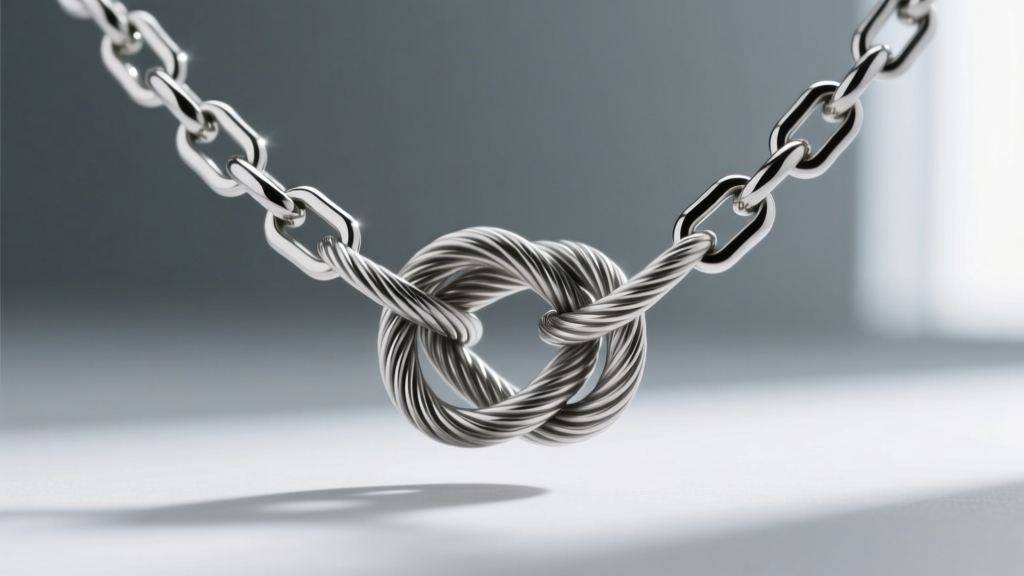
- Rope Chains: Excellent drape and high flexibility. The twisted links allow the chain to fold smoothly when knotted. However, if a link is pulled out of alignment, the spiral structure can unravel.
- Cable and Curb Chains: Highly durable and lay flat against the skin. A 20-gauge to 18-gauge curb chain provides a substantial, luxurious weight that anchors the opera length beautifully without excessive swinging.
- Snake and Box Chains: Avoid for knotted styles. Snake chains possess a tubular structure that kinks permanently if bent at a sharp angle. Tying a 30-inch snake chain into a decorative knot will ruin the structural integrity of the metal, leaving permanent creases that cannot be ironed out by a jeweler.
For metal opera chains intended to be worn doubled (choker length with a long drop), aim for a minimum of 18-gauge (1.02mm) if using gold, or 16-gauge (1.29mm) for lighter metals like titanium or sterling silver. Anything thinner risks tangling and snapping under the leverage of the doubled weight.
Knotting and Doubling: Material Stress Points
The defining styling technique of the opera length necklace is the slip knot or overhand knot used to shorten the drop and create a layered look. This action introduces severe mechanical stress to the material.
When a chain is knotted, the links on the outside radius of the bend are subjected to extreme tensile stretching, while the links on the inside radius are compressed. In hollow gold chains, this compression causes the metal to cave in. In solid chains, repeated knotting at the exact same point will cause work-hardening in the metal, eventually leading to micro-fractures. To mitigate this, jewelry designers often integrate a silk cord or leather slip-knot mechanism into the metal chain, allowing the wearer to adjust the length and tie knots in the flexible cord rather than stressing the metal links.
Care and Maintenance by Material Type
Maintaining the structural integrity of a long necklace requires specific protocols based on its material composition:
- Sterling Silver (925): Long silver chains are highly prone to tangling, which leads to aggressive pulling and link deformation. Store opera length silver chains hanging vertically or coiled loosely in individual anti-tarnish flannel pouches. Never store them crumpled in a jewelry box.
- Gold-Plated Brass: The friction of a 30-inch chain rubbing against itself and the wearer's clothing will accelerate the wear of the gold plating, particularly at the knotting points. Limit knotted styling on plated pieces to preserve the finish.
- Pearl and Silk Combinations: Never hang a pearl opera necklace on a hook. The constant downward gravitational pull will permanently stretch the silk thread, creating unsightly gaps between the pearls. Always store them flat in a lined drawer.
Ultimately, the success of an opera length necklace relies on respecting the physics of its dimensions. By matching the metal density, chain geometry, and stringing medium to the intended styling technique, you ensure a piece that is not only visually stunning but structurally enduring.


