How to Tie and Style an Authentic Maui Hook Necklace
Learn how to select, tie, and style an authentic Maui hook necklace. Our step-by-step guide covers materials, adjustable knots, and daily care.

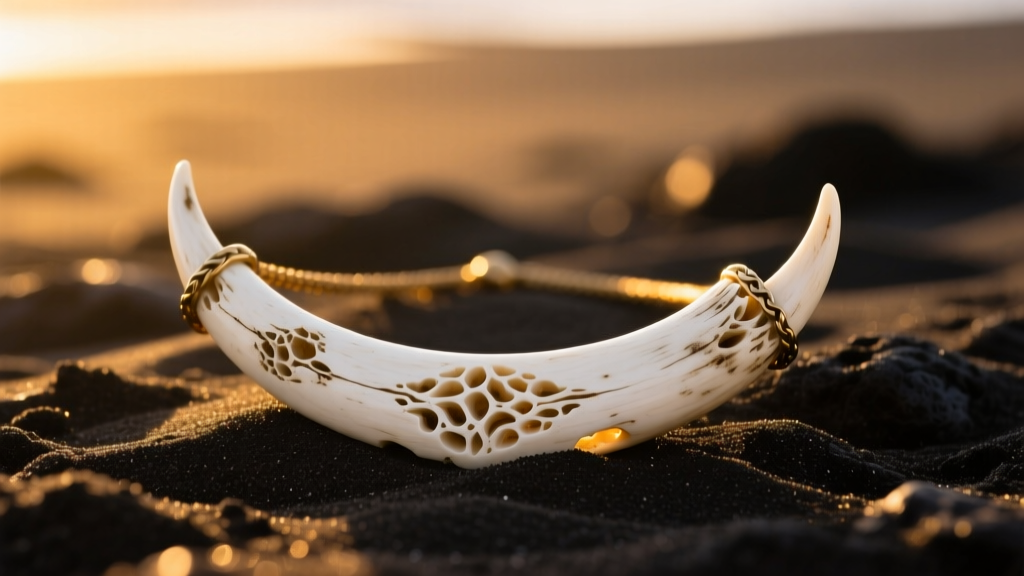
The Maui hook, traditionally known in Hawaiian culture as the Makau, is far more than a striking piece of coastal jewelry. Historically carved from bone or wood, this iconic pendant symbolizes safe passage over water, strength, and prosperity. Whether you have acquired a hand-carved cattle bone piece or a modern Grade 5 titanium interpretation, wearing a Makau correctly requires an understanding of traditional cord tying, material care, and neckline styling. In this comprehensive guide, we will walk you through the exact steps to prep, tie, and maintain your Maui hook necklace for lifelong wear.
The Cultural Roots of the Makau
Before threading your pendant, it is essential to understand its heritage. According to the Bernice Pauahi Bishop Museum, the fish hook was a vital tool for survival in ancient Polynesia, and the Makau pendant evolved as a talisman to honor the ocean's provision. Traditionalists believe the hook should be worn close to the heart. Unlike mass-produced tourist souvenirs, an authentic Makau is often blessed and treated with deep respect. When you tie the cord yourself, you are participating in a ritual of intention-setting, binding your personal energy to the carving.
Step 1: Selecting the Right Material and Cord
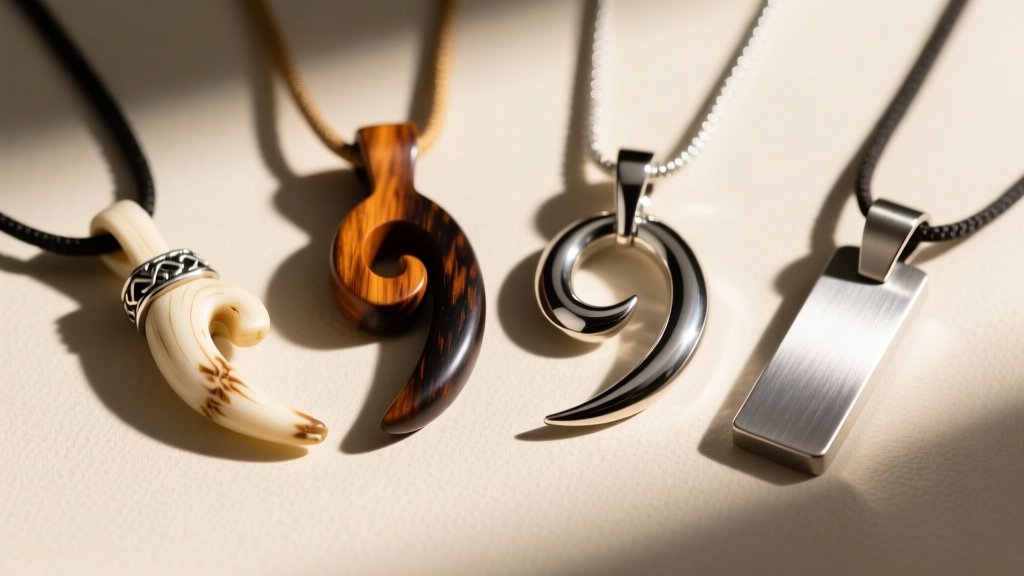
The first step in assembling your necklace is ensuring your cord matches the weight and porosity of your hook. A heavy sterling silver hook will snap a thin hemp cord, while a thick leather cord will overwhelm a delicate bone carving. Below is a breakdown of common Maui hook materials and their ideal cord pairings.
| Hook Material | Density & Weight | Water Resistance | Ideal Cord Type & Thickness | Avg. Price Range |
|---|---|---|---|---|
| Cattle Bone | Medium (15-25g) | Moderate (Requires oiling) | Waxed Cotton (1.5mm) | $45 - $120 |
| Koa Wood | Light (5-12g) | Low (Warping risk) | Braided Hemp (1.0mm) | $60 - $150 |
| 925 Sterling Silver | Heavy (30-50g) | High (Tarnishes in salt) | Leather or Waxed Poly (2.0mm) | $90 - $250 |
| Grade 5 Titanium | Medium-Heavy (20-35g) | Extreme (Fully waterproof) | Paracord or Waxed Poly (2.0mm) | $110 - $300 |
Identifying Authentic Carvings vs. Resin
When purchasing a bone or wood Maui hook, inspect the surface closely. Authentic hand-carved bone will feature microscopic tool marks, natural variations in opacity, and a dense, cool-to-the-touch feel. Mass-produced resin or plastic molds will be perfectly uniform, unnaturally lightweight, and warm to the touch. Genuine cattle bone also has a distinct, faint organic scent when rubbed vigorously, whereas resin smells like chemicals or nothing at all.
Step 2: Mastering the Adjustable Sliding Knot
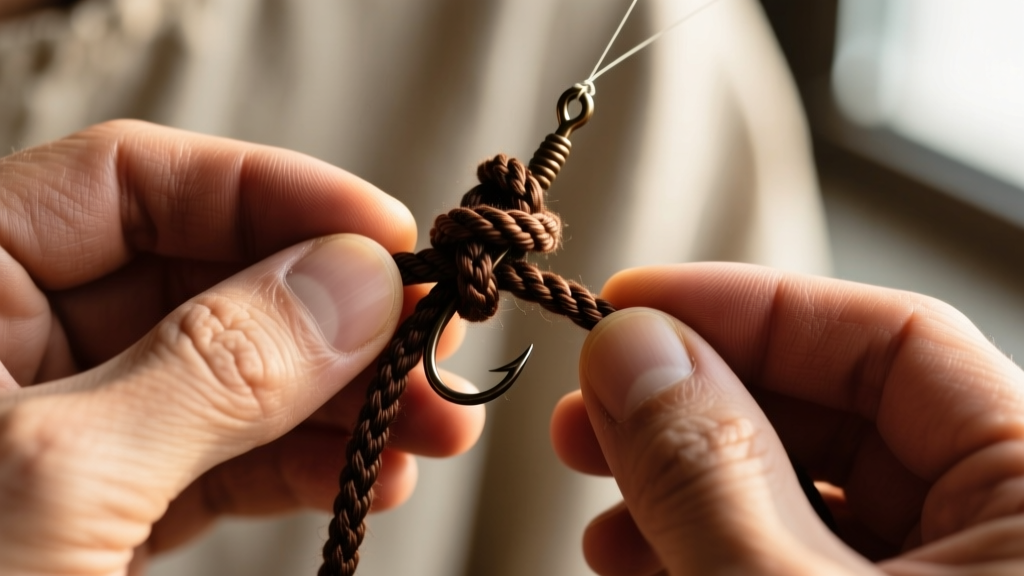
The traditional way to wear a Makau is on an adjustable cord, allowing you to change the drop length depending on your outfit. The most secure and culturally appropriate method is the sliding square knot (often used in macrame). For this, you will need approximately 40 inches of 1.5mm waxed cotton or polyester cord.
- Thread the Hook: Pass both ends of the cord through the top hole of the Maui hook. Pull the cord until the hook rests exactly in the center.
- Position the Cord: Lay the two main ends parallel to each other, overlapping by about 6 inches. You will use the left and right ends to tie the knot around these parallel base cords.
- The First Half-Knot: Take the left cord and cross it over the two base cords, then under the right cord. Take the right cord, pass it over the left cord's tail, and pull it up through the loop created on the left side. Pull tight.
- The Second Half-Knot: Now, reverse the process. Take the right cord and cross it over the base cords, then under the left cord. Take the left cord, pass it over the right cord's tail, and pull it up through the loop on the right side. Pull tight.
- Repeat and Secure: Alternate these steps (left-over-right, then right-over-left) for 5 to 7 total knots. This creates a flat, square-knot barrel that will slide smoothly along the base cords when pulled, but lock in place when worn.
- Finish the Tails: Tie a simple overhand knot at the very end of both the left and right working cords to prevent them from slipping through the barrel. Trim the excess and carefully melt the tips with a lighter to seal them.
For visual learners, the mechanics of this specific friction knot are brilliantly detailed in the Animated Knots sliding knot guide, which provides a frame-by-frame breakdown of the tension required to ensure the knot slides but holds weight.
Troubleshooting Cord Fraying and Slippage
If your sliding knot is too tight to adjust, you likely pulled the half-knots too aggressively during the tying process. Gently massage the barrel knot with your thumbs to loosen the fibers. Conversely, if the knot slips down your chest under the weight of a heavy silver hook, your cord is too smooth. Switch from standard cotton to a waxed polyester cord, which provides the necessary micro-friction to hold a 40-gram pendant securely in place.
Step 3: Adjusting Length for Your Neckline
Because the sliding knot allows for infinite adjustability, you can perfectly match your Maui hook to your wardrobe. Here is a quick framework for sizing your drop length based on common necklines:
- V-Neck and Button-Downs (18 to 20 inches): Adjust the knot so the top of the hook sits precisely in the center of your chest, mirroring the V-shape of the collar. This is ideal for smaller (1.5-inch) bone or wood hooks.
- Crew Necks and T-Shirts (22 to 24 inches): Drop the hook lower so it rests below the collarbone. This prevents the pendant from tangling with the fabric neckline and allows larger (2.5-inch+) statement hooks to stand out.
- Over Outerwear / Hoodies (26 to 28 inches): For winter layering, extend the cord fully. A heavy titanium or silver Makau worn over a thick hoodie acts as a bold, streetwear-inspired focal point.
Styling Pro-Tip: Never wear a traditional unsealed bone or wood Maui hook directly against heavy, abrasive wool sweaters. The friction will micro-scratch the polished surface of the carving over time. Always wear it against the skin or over smooth cotton.
Step 4: Long-Term Care and Maintenance
A Makau is designed to be a lifelong companion, but different materials require vastly different maintenance routines to prevent degradation.
Caring for Bone and Wood
Organic materials are porous. Cattle bone can dry out, crack, and turn a dull, chalky white if exposed to constant sunlight and salt air without hydration. Once a month, apply a single drop of food-grade mineral oil or pure jojoba oil to the bone. Rub it in with a microfiber cloth and let it sit for 10 minutes before buffing off the excess. Never use olive oil or coconut oil, as these organic fats will eventually oxidize, turn rancid, and give your necklace a sour odor. For Koa wood, a light application of natural beeswax polish once a year will maintain its deep, chatoyant grain.
Caring for Metals
If you wear a 925 sterling silver Maui hook in the ocean, the salt water will accelerate tarnishing. While some surfers appreciate the dark, oxidized patina this creates, you can restore the shine by soaking the hook in a solution of warm water and aluminum foil with a pinch of baking soda. Titanium, however, is entirely inert; a titanium Makau can be worn in the surf daily for decades without a single spot of corrosion, requiring only a quick rinse in fresh water to remove salt buildup.
Frequently Asked Questions
Can I wear my bone Maui hook in the shower?
Occasional exposure to fresh water is fine, but prolonged exposure to hot shower water and harsh sulfates in shampoos will strip the natural oils from the bone, leading to brittleness. It is best to remove it before bathing.
Which direction should the hook face?
Traditionally, the point of the hook should curve inward toward your body or point upward, symbolizing the catching and holding of good fortune and prosperity. Wearing it pointing outward is sometimes interpreted as casting your luck away.
How do I fix a stretched cord?
Natural hemp and cotton cords will stretch slightly over time due to the weight of the pendant and moisture absorption. If the cord becomes permanently elongated and frayed, simply cut it off and re-thread the hook with a fresh piece of 1.5mm waxed cord. Always keep a spare spool of cord on hand for this exact reason.


