Ultimate Care Guide: Cleaning Your Origami Necklace
Learn expert techniques to clean, polish, and maintain your metal origami necklace. Discover safe solutions for deep crevices and folded joints.

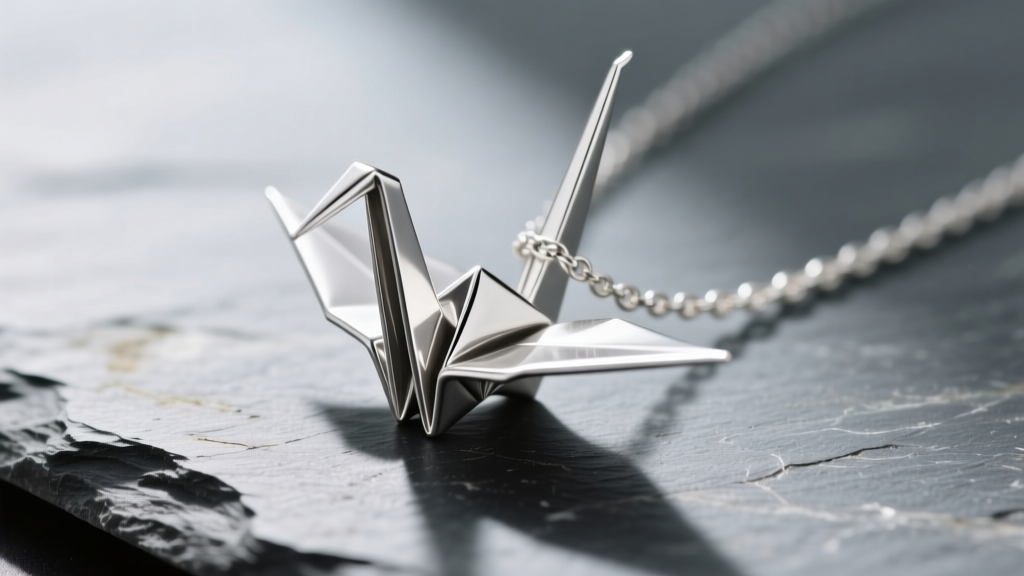
Origami necklaces represent a stunning intersection of traditional paper-folding artistry and modern metallurgy. Whether your piece features the sharp, geometric angles of a paper crane, the intricate facets of a lotus flower, or an abstract modular design, these necklaces require a highly specialized approach to maintenance. Unlike cast or stamped jewelry, folded metal jewelry possesses deep, acute crevices that act as magnets for skin oils, cosmetic powders, and environmental pollutants.
If you own an origami pendant, standard jewelry cleaning methods can actually cause irreversible damage. From stripping delicate gold vermeil plating to inducing metal fatigue at the fold lines, improper care is the leading cause of deterioration in geometric jewelry. In this comprehensive guide, we break down the exact metallurgical vulnerabilities of folded jewelry and provide a masterclass on how to safely clean, dry, and store your origami necklace for decades of wear.
The Metallurgy of Folded Jewelry: Why Standard Cleaning Fails
To understand how to care for an origami necklace, you must first understand how it is made. Artisans typically start with flat sheets of metal—ranging from 0.4mm to 0.8mm in thickness—and use precision pliers and jigs to fold the material. In metallurgy, this process is known as work hardening or strain hardening.
When metal is bent sharply, the crystalline structure at the fold line becomes compressed and rigid. While this gives the origami pendant its structural integrity and crisp edges, it also makes the fold lines incredibly brittle. According to conservation guidelines from the Jewelers of America, applying pressure or attempting to 'open' a fold to clean inside it will likely result in micro-fractures or a complete snap. Furthermore, the deep vertices created by these folds trap moisture, making them prime locations for localized corrosion and accelerated tarnishing, particularly in silver alloys.
Material Breakdown: Identifying Your Necklace's Core
Before applying any cleaning solution, you must identify the exact material of your origami pendant. The cleaning protocol for solid sterling silver is vastly different from that of gold vermeil or patinated brass.
| Material Type | Common Thickness | Primary Vulnerability | Safe Cleaning Agent |
|---|---|---|---|
| 925 Sterling Silver | 0.5mm - 0.8mm | Silver sulfide tarnish pooling in crevices | Mild dish soap & warm water |
| 14k/18k Gold Vermeil | 2.5+ microns over silver | Stripping of the thin gold layer via abrasion | Phosphate-free gentle soap |
| Oxidized Brass/Copper | 0.6mm - 1.0mm | Loss of intentional dark patina in the folds | Dry brushing only |
| Resin-Coated Paper | N/A (Non-metal) | Water damage, resin clouding, paper tearing | Microfiber dry wipe only |
Step-by-Step Cleaning Routine for Geometric Crevices
For standard metal origami necklaces (sterling silver, solid gold, or unplated brass), follow this meticulous three-phase cleaning routine to remove debris without compromising the structural integrity of the folds.
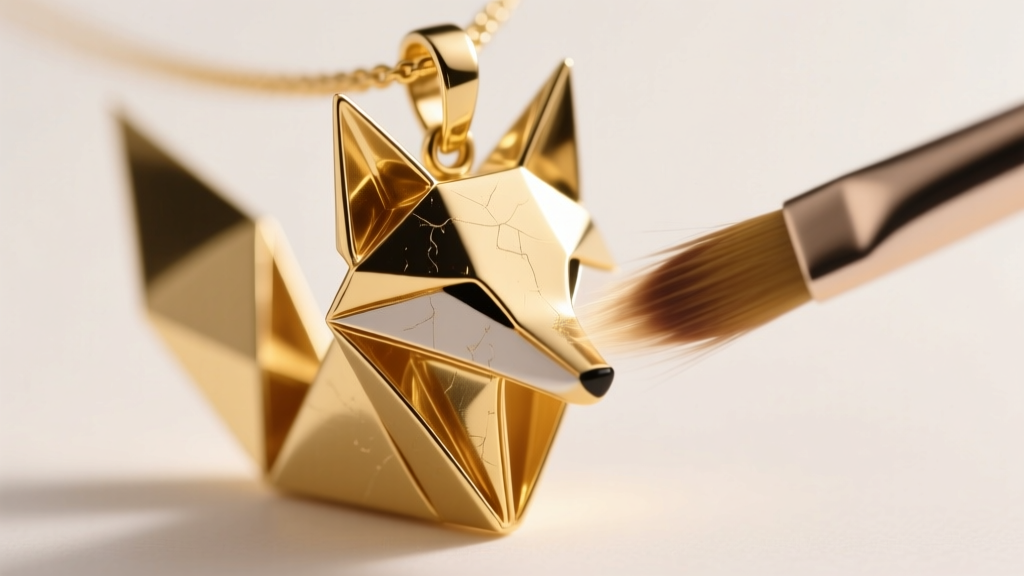
Phase 1: The Dry Dusting Extraction
Never introduce water to a dusty origami pendant; this simply creates a muddy paste that gets wedged deeper into the acute angles. Instead, use a clean, natural-hair makeup brush (such as a soft blush or eyeshadow blending brush). The bristles are flexible enough to bend into 45-degree and 90-degree folds without scratching the metal's finish. Gently sweep the brush across the pendant while holding it upside down over a trash bin to allow gravity to pull the dislodged dead skin cells and cosmetic dust out of the crevices.
Phase 2: The Lukewarm Surfactant Bath
For stubborn sebum and body oils, you need a surfactant. Fill a glass bowl with lukewarm water (never hot, as thermal expansion can stress work-hardened folds) and add a single drop of mild, phosphate-free dish soap, such as Dawn.
- Submerge the origami necklace for exactly 3 to 5 minutes.
- Do not use a standard toothbrush. Instead, use an extra-soft baby toothbrush or a silicone interdental brush to gently agitate the flat planes of the metal.
- Avoid scrubbing directly into the fold lines. The surfactant will naturally break down the oils inside the crevices without mechanical agitation.
Phase 3: The Compressed Air Drying Method
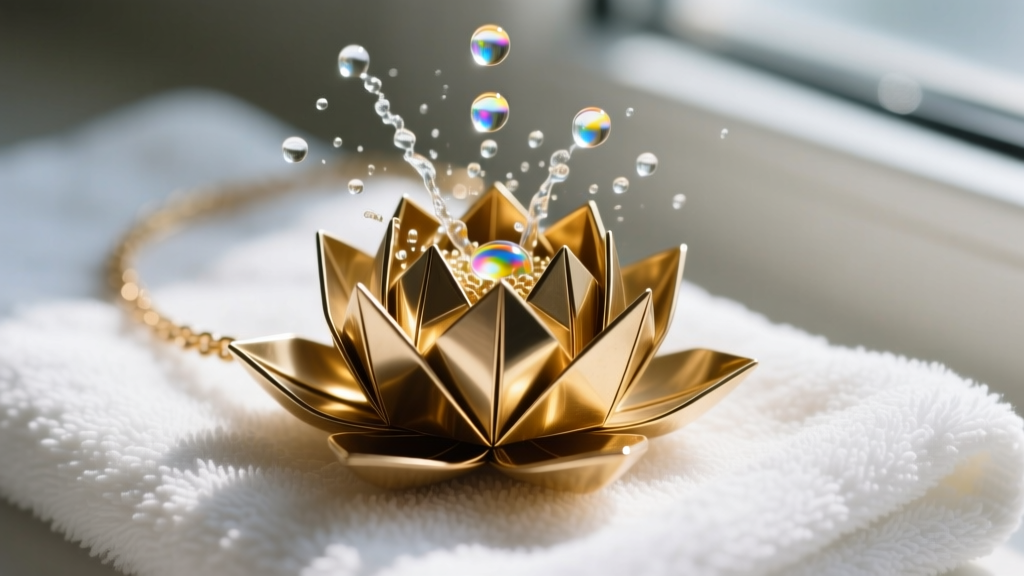
Towel-drying an origami necklace is impossible; microfiber threads will snag on the sharp corners, and terrycloth will leave lint trapped in the vertices. Trapped moisture is the primary catalyst for brass verdigris and silver tarnish.
The professional solution is to use a can of compressed air (commonly used for electronics). Hold the can perfectly upright—tilting it will spray liquid propellant that can cause thermal shock to the metal—and use short bursts to blow the water droplets out of the deepest geometric folds. Follow up by letting the piece air-dry on a clean paper towel in a low-humidity room for 30 minutes.
What to Avoid: The Enemies of Folded Metal
When maintaining geometric jewelry, knowing what not to do is just as critical as knowing the proper techniques. Avoid these common jewelry care pitfalls at all costs:
- Ultrasonic Cleaners: While excellent for diamond rings, the high-frequency vibrations of an ultrasonic bath can cause catastrophic metal fatigue at the work-hardened fold lines of an origami pendant, leading to microscopic tearing.
- Chemical Silver Dips: Thiourea-based liquid silver cleaners are notoriously difficult to rinse out of tight crevices. According to the Gemological Institute of America (GIA), residual chemicals left in the folds will actually accelerate future tarnishing and can cause severe pitting over time.
- Polishing Cloths: Treated jeweler's cloths cannot reach into the inner folds. If you use them on the outer edges, you will create a stark contrast between the highly polished exterior and the dull, tarnished interior, ruining the cohesive aesthetic of the piece.
"The beauty of an origami necklace lies in its tension. Treat the fold lines like the spine of a rare book—support them, keep them dry, but never force them to bend in a direction they were not originally crafted to go." — Master Jeweler & Metalsmith Consortium
Troubleshooting: White Residue in the Folds
If you notice a chalky white residue accumulating deep inside the folds of your sterling silver or brass origami necklace, this is typically caused by one of two things: hard water mineral deposits from showering, or trapped polishing compound from the manufacturer's initial finishing process.
To safely remove this without scratching the metal, dip a wooden toothpick into a solution of 50% distilled white vinegar and 50% distilled water. Gently run the wooden tip along the crevice. The wood is softer than the metal and will not scratch it, while the mild acidity will dissolve the calcium deposits or old polishing wax. Wipe away the residue immediately with a damp cotton swab and dry with compressed air.
Storage and Wearability Tips to Prevent Metal Fatigue
Proper storage is the final pillar of origami jewelry maintenance. Because these pieces rely on precise angles, they are highly susceptible to crushing. Never toss an origami pendant into a communal jewelry box where heavier items (like chain links or stone-set rings) can rest on top of it, potentially flattening the delicate wings or petals.
Store your necklace individually in a soft, anti-tarnish flannel pouch. For added protection, keep the pouch inside a rigid, hinged presentation box. Finally, always put your origami necklace on after applying perfumes, hairsprays, and lotions. The complex geometry of the piece provides a massive surface area for aerosolized chemicals to settle, and keeping the metal dry and free from cosmetic sprays will drastically reduce the frequency of deep cleanings required.


