Avoid the OSRS Dodgy Necklace Trap: Budget Gamer Jewelry Value Guide
Assess the real-world value of gamer pendants. Avoid cheap, low-quality OSRS dodgy necklace knockoffs and find durable, budget-friendly pieces.

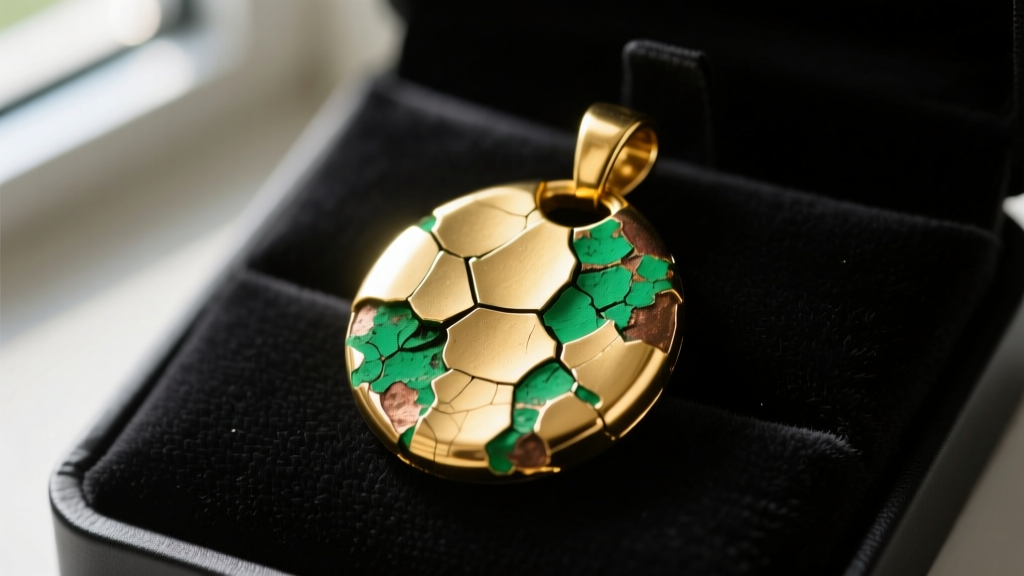
In the world of Old School RuneScape, the Thieving skill requires patience, precision, and the right gear. The famous dodgy necklace grants a 25% chance to avoid being stunned while pickpocketing, but it comes with a harsh caveat: it only has 10 charges before it degrades into useless dust. For gamers looking to bring their favorite RPG aesthetics into the real world, the secondary market is flooded with what we at Jewel Style Radar call the real-life equivalent of this item: cheap, mass-produced gaming jewelry that looks incredible in a digital render but falls apart after a dozen wears.
As geek chic and gamer-inspired fashion continue to dominate streetwear trends in 2026, the demand for fantasy pendants, guild crests, and RPG-inspired lockets has skyrocketed. Unfortunately, this demand has attracted drop-shippers and fast-fashion manufacturers who prioritize low production costs over metallurgical integrity. In this comprehensive budget and value assessment, we will break down the exact materials, plating standards, and pricing metrics you need to know to avoid buying a real-life dodgy necklace that will leave you with green skin and a broken chain.
The Metallurgy of Degradation: Why Cheap Pendants Fail
When you purchase a budget-friendly gaming pendant from an unverified online marketplace, you are almost certainly buying a zinc alloy base metal, commonly referred to in the industry as 'pot metal.' Zinc alloy is incredibly cheap to cast, allowing manufacturers to produce highly detailed, intricate fantasy designs—like miniature broadswords, dragon amulets, or thief motifs—for pennies. However, zinc is highly porous and reactive.
To make these porous alloys look like gold or silver, manufacturers use flash plating. According to the Federal Trade Commission Jewelry Guides, flash plating involves an electroplated layer of precious metal that is often less than 0.5 microns thick. When this microscopic layer is exposed to the natural acidity of human sweat, friction from clothing, and ambient humidity, it wears off rapidly. Once the base metal is exposed, the zinc and copper alloys begin to oxidize, resulting in the dreaded green tarnish that stains your chest and triggers contact dermatitis. The National Center for Biotechnology Information notes that nickel and copper allergies are among the most common causes of jewelry-induced skin reactions, a frequent issue in unregulated budget alloys.
Material Breakdown: What You Are Actually Paying For
To assess the true value of a gaming necklace, you must look past the intricate 3D render on the product page and demand transparency regarding the base metal and chain construction. Below is a comparative analysis of the most common materials used in the 2026 fantasy jewelry market.
| Material Grade | Base Metal | Plating / Finish | Avg. Price (2026) | Lifespan | Real-Life 'Charges' |
|---|---|---|---|---|---|
| Zinc Alloy (Budget) | Zinc/Copper Mix | Flash Gold/Silver | $8 - $15 | 1 - 3 Months | 10 (Degrades to dust) |
| 316L Stainless Steel | Surgical Steel | PVD Coating | $25 - $45 | 3 - 5 Years | Infinite (No tarnish) |
| 925 Sterling Silver | 92.5% Silver | Rhodium or Gold Vermeil | $60 - $120 | Lifetime | Infinite (Polishable) |
| Brass (Mid-Tier) | Copper/Zinc | E-Coated Enamel | $20 - $35 | 1 - 2 Years | 50 (Fades over time) |
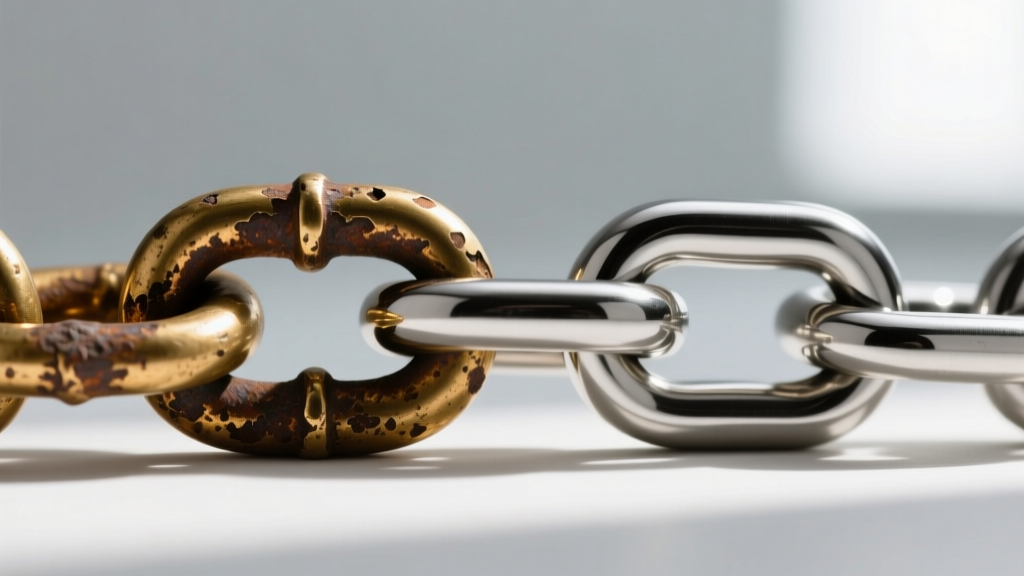
The PVD Advantage: Upgrading Your Armor Class
If your budget restricts you from purchasing solid 925 sterling silver, your absolute minimum standard for a daily-wear gaming pendant should be 316L surgical stainless steel treated with PVD (Physical Vapor Deposition) coating. Unlike traditional electroplating, which relies on a chemical bath to adhere a thin layer of metal, PVD is a vacuum-coating process that vaporizes titanium nitride or zirconium and bonds it to the steel at a molecular level.
Why PVD Matters for Fantasy Jewelry
Gaming jewelry often features deep grooves, textured scales, and intricate engravings. Traditional liquid plating often pools in these crevices and leaves high-contact areas (like the bail where the chain loops through) dangerously thin. PVD coating provides a perfectly uniform, ultra-hard layer that is up to 10 times more durable than standard electroplating. A PVD-coated stainless steel amulet will easily survive the friction of daily wear, gym sessions, and the natural oils of your skin without turning your neck green. When assessing a product listing, look for explicit mentions of 'PVD coated' or 'titanium nitride finish.' If the listing simply says 'gold plated' on a steel base, assume it is a low-grade chemical bath that will fail within a year.
Chain Tensile Strength: The Hidden Failure Point
A common trap in budget RPG jewelry is the mismatch between pendant weight and chain tensile strength. Cast-metal fantasy pendants are notoriously heavy; a solid brass or steel dragon amulet can easily weigh between 25 and 40 grams. To cut costs, budget manufacturers pair these heavy pendants with hollow, 1.2mm curb or box chains made from soft, low-grade alloys.
The result is a structural failure waiting to happen. The clasp—usually a cheap, un-soldered spring ring—will eventually stretch, or the chain links will pull apart under the dynamic weight of the pendant as you move. According to metallurgical stress tests reviewed by the Gemological Institute of America (GIA), the integrity of a chain relies heavily on its link geometry and solder points. For any gaming pendant weighing over 20 grams, you must insist on a minimum 2.5mm rope or wheat chain featuring a solid lobster clasp. Rope chains distribute weight across multiple interwoven links, providing superior tensile strength compared to flat curb chains.

2026 Market Pricing: What Should a Gaming Pendant Cost?
Understanding the fair market value of geek and gamer jewelry prevents you from overpaying for drop-shipped junk disguised as premium merch. Based on current raw material costs and artisan labor rates in 2026, here is a reliable pricing framework for your budget assessment:
- The 'Dodgy' Tier ($5 - $18): Mass-produced zinc alloy, flash-plated, hollow chains. Expect severe tarnishing and potential skin allergies within weeks. Only acceptable for one-time cosplay events.
- The Standard Tier ($25 - $45): 316L stainless steel base, PVD gold or silver coating, solid enamel fills, and a 2.5mm stainless chain. This is the sweet spot for budget-conscious gamers who want daily-wear durability without the precious metal premium.
- The Artisan / Licensed Tier ($60 - $150): Solid 925 sterling silver, hand-applied vitreous enamel, oxidized detailing for depth, and premium lobster clasps. Often produced by licensed indie jewelers or specialized geek-chic brands. These pieces hold intrinsic melt value and can be polished indefinitely.
Final Verdict: Protecting Your Real-Life Loot
Translating your love for classic RPGs into real-world fashion should be an investment in your personal style, not a gamble with cheap metallurgy. By understanding the mechanics of metal degradation, demanding PVD coatings over flash plating, and ensuring your chain's tensile strength matches your pendant's weight, you can completely bypass the real-world dodgy necklace trap. True value in budget jewelry is not about finding the lowest possible price; it is about maximizing the cost-per-wear ratio through superior material science. Equip wisely, check your gear stats, and ensure your favorite gaming amulet is built to last far beyond a mere 10 charges.


