OSRS Dragonbone Necklace Replicas: Repair & Care Guide
Troubleshoot and repair your OSRS dragonbone necklace replica. Learn material-specific fixes for resin, pewter, and 3D-printed fantasy cosplay jewelry.

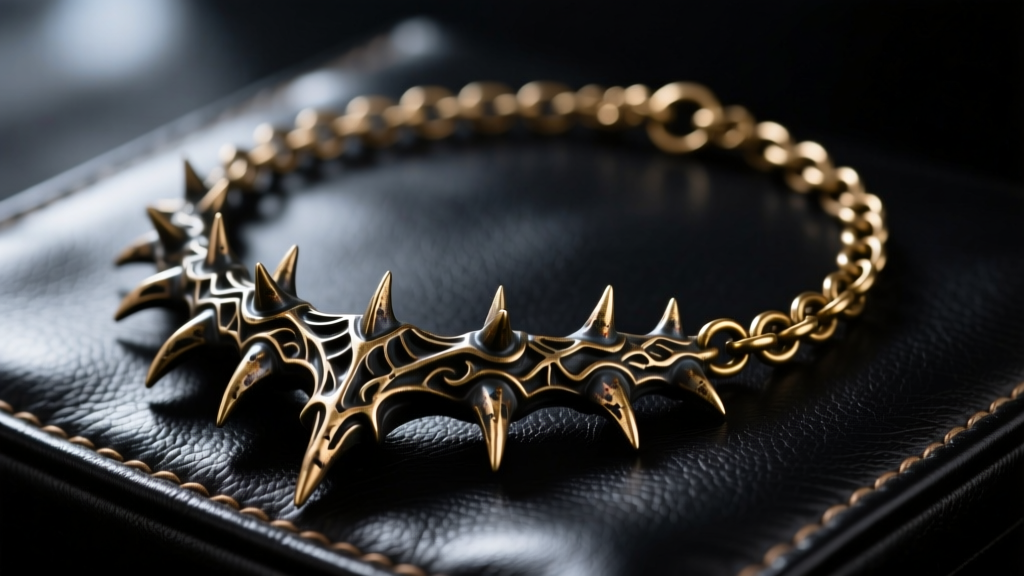
The Appeal and Fragility of Fantasy Gaming Replicas
In the vast world of Old School RuneScape, few items carry the visual weight and lore significance of the dragonbone necklace. Crafted in-game from dragon bones and a gold bar, this iconic piece is a staple for high-level players and collectors alike. According to the Old School RuneScape Wiki, the item is not only a prerequisite for the powerful Bonecrusher necklace but also a symbol of dedication to the game's intricate crafting and prayer systems. Because of its striking, jagged aesthetic, it has become a highly sought-after design for real-world cosplay and fantasy jewelry replicas.
However, translating a digital, gravity-defying 3D model into a wearable physical object presents unique engineering challenges. Replica makers often use materials that prioritize visual accuracy over structural durability. Whether your replica was 3D-printed, cast in polyurethane resin, or forged from pewter, daily wear exposes it to shear stress, body oils, and accidental impacts. This comprehensive troubleshooting guide will help you diagnose, repair, and maintain your OSRS dragonbone necklace replica so it survives beyond your next convention or gaming marathon.
Identifying Your Replica's Base Material
Before attempting any repair, you must accurately identify the material of your pendant. Applying the wrong adhesive or polishing compound can permanently ruin the finish or cause catastrophic structural failure. Below is a diagnostic matrix to help you determine your necklace's composition.
| Material | Visual & Tactile Clues | Common Failure Modes | Weight Profile |
|---|---|---|---|
| Cast Polyurethane Resin | Seam lines visible, lightweight, warm to touch, often hand-painted with acrylic washes. | Snapped spikes, chipped paint, cracking at the bail. | Light (15-30g) |
| 3D Printed PLA/PETG | Faint layer lines, rigid but brittle, may warp if left in a hot car. | Delamination, snapping at thin joints, melting under heat. | Very Light (10-25g) |
| Cast Pewter / Britannia Metal | Cold to touch, heavy, metallic ring when tapped, prone to dull oxidation. | Bending of thin claws, jump ring fatigue, surface tarnish. | Heavy (60-120g) |
| Sterling Silver (Premium) | Stamped '925', high polish, expensive, cool to touch. | Chain detachment, prong wear, sulfur tarnish. | Heavy (50-90g) |
Troubleshooting Common OSRS Dragonbone Necklace Failures
1. Snapped Dragon Claws and Spikes (Resin & PLA)
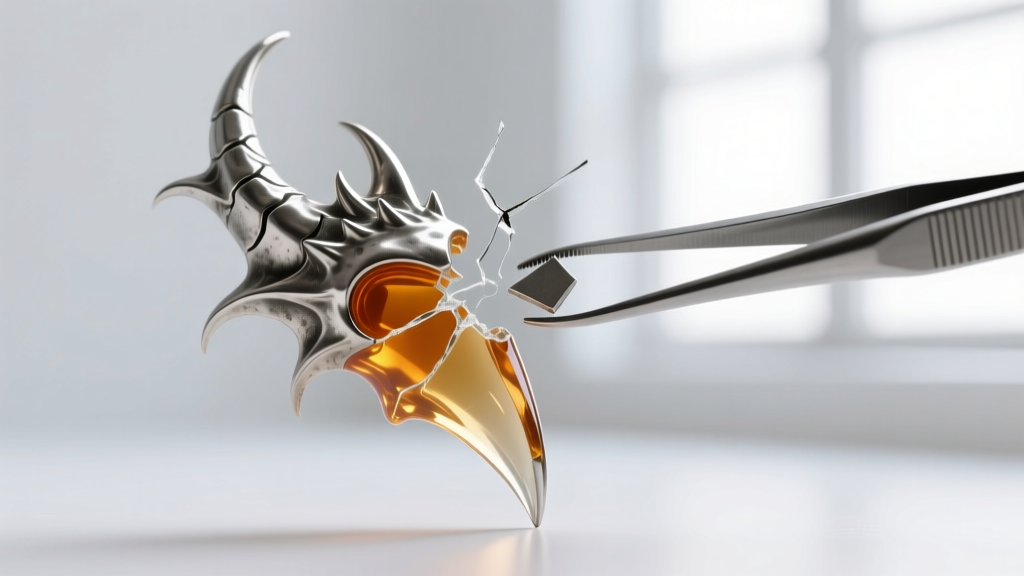
The most frequent casualty of any dragonbone replica is the protruding spikes. When a resin spike catches on a sweater or a backpack strap, the shear force easily exceeds the tensile strength of the material. The critical mistake most collectors make is reaching for standard cyanoacrylate (Super Glue). While super glue cures hard, it lacks shear strength and will inevitably fail again. According to resin casting experts at Smooth-On, structural repairs on castings require mechanical reinforcement combined with a flexible, high-strength adhesive.
2. Tarnish and Oxidation on Cast Pewter
Pewter is an excellent alloy for capturing the intricate, porous textures of dragon bone, but it oxidizes when exposed to humidity and the sulfur compounds in human sweat. Unlike sterling silver, pewter should never be cleaned with harsh chemical silver dips containing thiourea, as these will pit the surface and strip the antiquing washes applied by the artist. Instead, use a mild paste of baking soda and water, applied gently with a microfiber cloth, or a dedicated pewter polish that utilizes fine calcium carbonate abrasives.
3. Chain Detachment and Bail Fatigue
Fantasy pendants are notoriously top-heavy. If your OSRS replica is made of solid pewter, it can easily weigh over 80 grams. Hanging that weight from a standard 22-gauge brass jump ring is a recipe for disaster. Over time, the friction of the chain will saw through the soft metal of an unsoldered jump ring, resulting in a lost pendant. Always upgrade the bail connection to an 18-gauge or 16-gauge stainless steel split ring, or have a jeweler solder the jump ring shut using silver paste solder.
Step-by-Step Repair Framework: Pinning Broken Resin Spikes
If your resin or 3D-printed dragonbone spike has snapped cleanly off, you must use the 'pinning' technique to restore its structural integrity. This method mimics the way dental professionals repair fractured teeth, using an internal metal armature to bear the load.
- Step 1: Drill the Pilot Holes. Using a 1mm or 1.5mm carbide drill bit, carefully drill a hole into the center of the broken spike and a corresponding hole into the base of the pendant. Drill to a depth of roughly 8mm to 10mm, ensuring you do not pierce the outer wall of the casting.
- Step 2: Cut the Armature Pin. Cut a piece of 1mm brass or stainless steel wire to fit inside the combined depth of both holes, leaving a 1mm gap for adhesive pooling.
- Step 3: Apply 2-Part Epoxy. Mix a clear, 5-minute cure two-part epoxy (such as J-B Weld ClearWeld). Avoid 15-minute or longer epoxies for small jewelry parts, as they tend to sag before curing. Coat the inside of both holes and the brass pin.
- Step 4: Clamp and Cure. Insert the pin into the base, apply a tiny drop of epoxy to the break surface, and press the spike back into place. Use masking tape or a silicone putty to hold the spike at the correct angle. Let it cure undisturbed for 24 hours.
- Step 5: Touch-Up Painting. Once cured, use a fine detail brush and acrylic model paints to blend the repair seam, followed by a matte varnish sealant to match the surrounding bone texture.
Preventative Maintenance and Storage Protocols
The longevity of your cosplay and gaming jewelry relies heavily on how it is stored between wears. Fantasy replicas with protruding elements should never be tossed into a communal jewelry box where chains can wrap around spikes and act as a garrote, snapping them off under pressure.
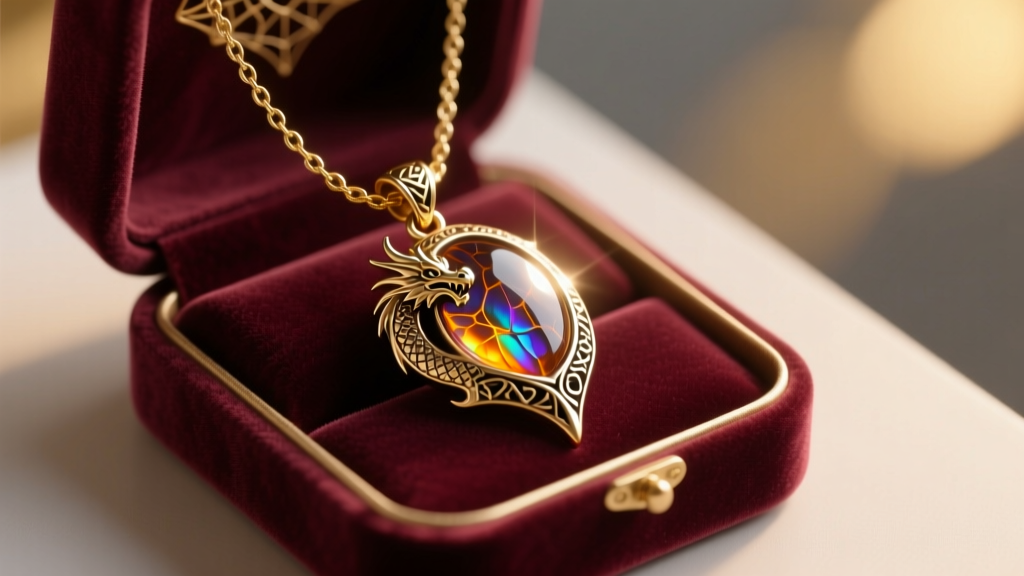
Invest in a compartmentalized storage solution or individual microfiber drawstring pouches. If your necklace features a mix of faux bone and metallic gold accents, store it with a silica gel desiccant packet to prevent moisture buildup, which can cause painted acrylic washes to peel or metallic powders to oxidize. Furthermore, always remove resin and PLA replicas before showering or swimming; hot water can warp 3D-printed PETG, while chlorine and hard water minerals will degrade the sealant coat on hand-painted resin pieces.
Sourcing High-Quality Replacement Chains in 2026
Many mass-produced fantasy replicas are shipped with cheap, hollow aluminum or low-grade brass chains that tarnish green within a week and snap under the weight of a dragonbone pendant. When upgrading your chain, look for marine-grade 316L stainless steel or solid titanium. These metals are impervious to sweat and water, ensuring that the chain outlasts the pendant itself. For a heavy pewter OSRS replica, a 3mm to 4mm Cuban link or a thick rope chain in 18-gauge stainless steel provides the necessary tensile strength while matching the rugged, heavy-metal aesthetic of the dragonbone motif.


