Edelweiss Necklace Styling: 2026 Alpine Trend Guide
Discover the 2026 alpine-core trend with our edelweiss necklace styling guide. Learn about metallurgy, chain pairings, and layering techniques.

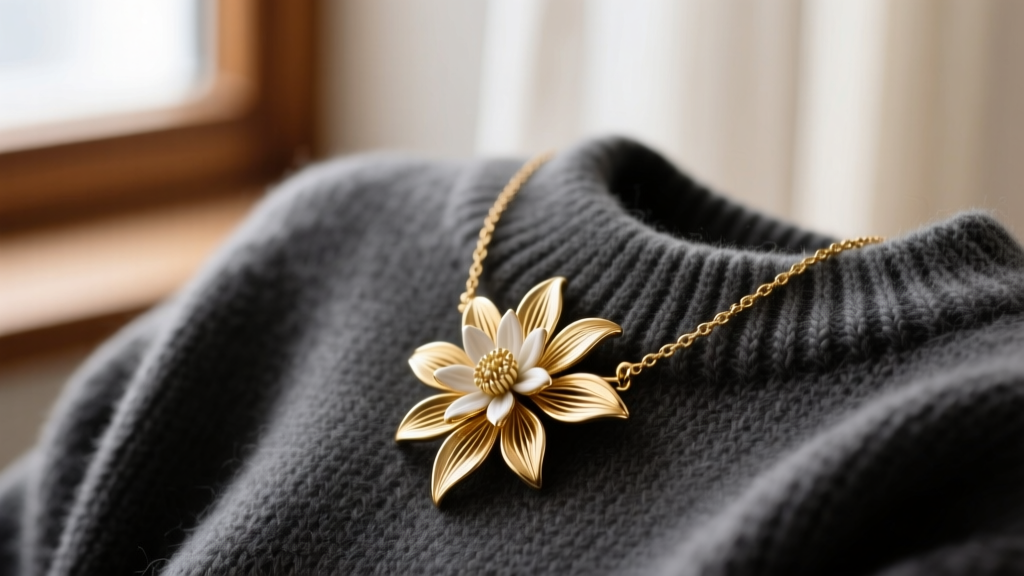
The jewelry landscape of 2026 has seen a definitive shift away from the minimalist, ultra-delicate aesthetics of the early 2020s, moving toward pieces with rich heritage, tactile textures, and regional storytelling. At the forefront of this movement is the edelweiss necklace. Once relegated to tourist souvenir shops in the Swiss and Austrian Alps, the edelweiss pendant has been reclaimed by high-end artisans and contemporary designers alike. Driven by the rise of 'alpine-core' and a renewed appreciation for Victorian-era mountaineering jewelry, the edelweiss necklace is now a sophisticated staple. This comprehensive guide breaks down the metallurgy, gemstone choices, and styling frameworks you need to master this enduring botanical trend.
The Rise of Alpine-Core: Why the Edelweiss is Dominating
To understand the current surge in edelweiss jewelry, we have to look at the broader cultural shift toward 'mountain chic.' As Vogue has noted in recent trend forecasts, consumers are gravitating toward jewelry that evokes a sense of rugged permanence and connection to nature, contrasting sharply with the hyper-digital nature of modern life. The edelweiss flower—known for surviving in harsh, high-altitude alpine climates—serves as the perfect emblem for this aesthetic. Historically, the flower was popularized in jewelry during the late 19th century when Alpine tourism became fashionable among European aristocracy. Today's 2026 interpretations merge that Victorian romance with modern, precision-cast metallurgy, resulting in pendants that are both structurally robust and intricately detailed.
Anatomy of a High-Quality Edelweiss Pendant
Not all floral pendants are created equal. The unique structure of the edelweiss, with its star-shaped, fuzzy-looking petals, presents specific challenges and opportunities in jewelry manufacturing. When shopping for an edelweiss necklace, you must evaluate the piece through the lens of structural integrity and surface finishing.
Metallurgy and the Tarnish Trap
The defining visual characteristic of the edelweiss is its deeply textured, crevice-heavy petal design. While this looks stunning in a display case, these micro-crevices act as traps for skin oils, humidity, and environmental sulfur. If you are purchasing a sterling silver (925) edelweiss pendant, standard polishing will not reach into these deep grooves, making the piece highly susceptible to localized tarnishing (silver sulfide formation).
To combat this, expert jewelers apply specialized finishes. When evaluating a sterling silver edelweiss necklace, look for anti-tarnish e-coating (a clear, nano-ceramic protective layer) or heavy rhodium plating. A standard flash plating of rhodium is merely 0.05 to 0.1 microns thick and will wear off the high-friction petal edges within months. For longevity, seek out pieces with a minimum of 0.5-micron rhodium plating, which provides a durable, tarnish-resistant barrier that maintains the bright white luster of the metal.
Gemstone Accents: Beyond Basic Cubic Zirconia
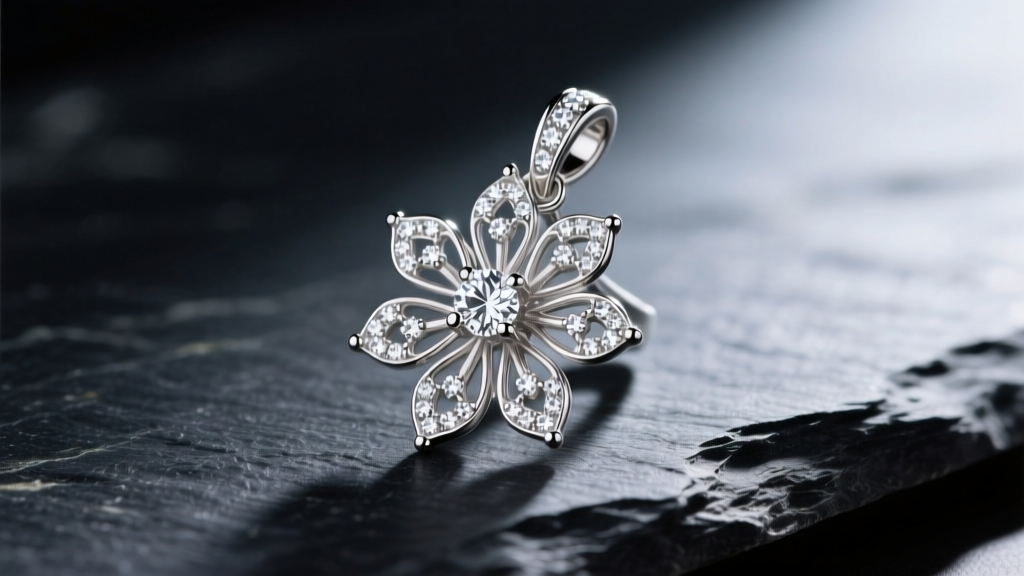
Many premium edelweiss designs feature a cluster of gemstones in the center of the flower to mimic the plant's natural yellow reproductive heads, or they utilize pavé settings along the petals for a 'snow-dusted' alpine effect. The choice of gemstone drastically impacts the necklace's lifespan. According to the Gemological Institute of America (GIA), understanding the Mohs scale of hardness is critical for pavé settings.
Cubic Zirconia (Mohs 8-8.5) is common in lower-tier pieces but is prone to surface abrasion and clouding over time, especially when trapped in intricate floral settings where cleaning is difficult. White Topaz (Mohs 8) offers better brilliance but has perfect cleavage, meaning the delicate girdles of the stones can chip if the pendant is knocked against a hard surface. The superior choice for an heirloom-quality edelweiss necklace is White Sapphire (Mohs 9). Sapphires possess exceptional toughness and scratch resistance, ensuring that the tiny stones securing the floral design remain brilliant and intact for decades.
Chain Pairings and Proportions
An intricate botanical pendant requires a chain that provides structural support without visually competing with the metalwork. The edelweiss pendant typically ranges from 12mm to 22mm in diameter. Pairing it with the wrong chain can lead to premature wear on the bail (the loop connecting the pendant to the chain) or cause the necklace to tangle constantly. Below is a structural breakdown of the best chain pairings for 2026.
| Chain Type | Recommended Thickness | Durability & Suitability |
|---|---|---|
| Rolo Chain | 1.2mm - 1.5mm | Excellent. The round, interlocking links provide high tensile strength and resist kinking, making it ideal for heavier solid silver or gold edelweiss pendants. |
| Cable Chain | 0.9mm - 1.1mm | Good. A classic choice for delicate, petite (12mm) pendants. Offers a traditional, vintage look that aligns well with Victorian alpine aesthetics. |
| Box Chain | 1.0mm - 1.2mm | Moderate. While visually sleek, box chains are prone to snapping under tension if caught on heavy winter knitwear. Best for lightweight, hollow-cast pendants. |
| Snake Chain | 1.5mm+ | Poor. The tightly wound metal bands easily kink and trap moisture between the links, accelerating tarnish. Avoid pairing with intricate alpine jewelry. |
Styling the Edelweiss: Necklines and Layering
The versatility of the edelweiss necklace lies in its ability to bridge the gap between rustic heritage and modern elegance. How you style it depends heavily on the silhouette of your clothing and the specific layering technique you employ.
The Solo Statement
When wearing the edelweiss as a standalone piece, the neckline of your garment dictates the ideal chain length. For high-necked garments like merino wool turtlenecks or mock necks, opt for a 20-inch to 24-inch chain. This allows the pendant to rest against the fabric of the sweater, creating a striking contrast between the metallic botanical texture and the soft knit. Conversely, for open necklines like sweetheart or deep V-necks, a 16-inch to 18-inch chain ensures the pendant rests directly on the skin, drawing the eye to the collarbone and acting as a focal point.
The Alpine Layering Technique
Layering is a cornerstone of 2026 jewelry styling, but clustering multiple pendants of the same size results in a cluttered, tangled mess. The 'Alpine Layering Technique' relies on varying the visual weight and drop length of each piece. Start with a 14-inch minimalist herringbone choker to frame the collarbone. Next, add your 16-inch edelweiss pendant on a delicate rolo chain. Finally, anchor the stack with an 18-inch or 20-inch heavy curb chain featuring no pendant or a simple, untextured geometric charm. This staggered approach ensures the intricate details of the edelweiss remain visible and untangled while providing a rich, curated aesthetic.

Market Analysis: Pricing Tiers and What to Expect
As the alpine-core trend has accelerated, the market has been flooded with edelweiss necklaces across wildly varying price points. Understanding what you are actually paying for is crucial to avoiding buyer's remorse.
- Fast Fashion & Mass Market ($15 - $45): These pieces are typically cast from brass or zinc alloys and feature a micro-thin flash plating of silver or gold. The gemstones are almost exclusively cubic zirconia. While affordable, the plating will wear off the high-friction petal edges within a few months, exposing the base metal which can cause skin discoloration. These are strictly seasonal, disposable accessories.
- Mid-Tier Artisan ($85 - $250): This is the sweet spot for most consumers. In this tier, you will find solid 925 sterling silver with heavy rhodium plating or e-coating, as well as 18k gold vermeil (which must legally be at least 2.5 microns thick over a sterling silver base). Gemstones in this tier are usually white topaz or lab-created white sapphires. The casting quality is sharper, with distinct, well-defined petal textures.
- Fine Jewelry & Heritage Brands ($1,200 - $5,000+): At the apex of the market, edelweiss necklaces are cast in solid 18k yellow or white gold, or platinum. The petal textures are often hand-engraved rather than relying solely on the mold, providing a softer, more organic 'fuzzy' appearance. These pieces feature natural, ethically sourced diamond accents and are designed as multi-generational heirlooms.
Final Verdict
The edelweiss necklace is far more than a fleeting novelty; it is a masterclass in botanical jewelry design that offers deep textural interest and historical resonance. By prioritizing proper metallurgical finishes like e-coating or heavy rhodium, selecting durable gemstones like white sapphire, and employing strategic layering techniques, you can seamlessly integrate this alpine icon into your everyday wardrobe. Whether you are investing in a solid gold heirloom piece or a meticulously crafted sterling silver pendant, the edelweiss remains a powerful symbol of resilience and natural beauty in the 2026 jewelry landscape.


