Oversized Necklace Value Guide: Budget vs Luxury in 2026
Discover the true cost of the oversized necklace trend in 2026. We analyze material weights, clasp failure modes, and budget vs. luxury value.

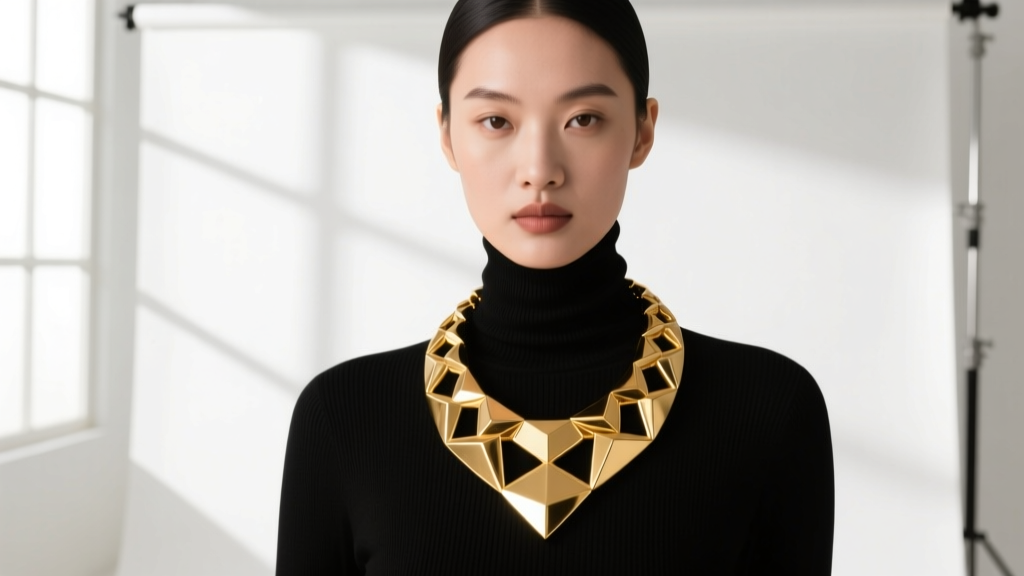
The Physics of Maximalism: Why Weight Dictates Value
The resurgence of the bold, oversized necklace in 2026 marks a definitive pivot from the delicate, barely-there chains of the early 2020s. However, when scaling up jewelry, the economics shift dramatically. A standard 18-inch cable chain weighs roughly 5 to 10 grams. An oversized statement piece—think 15mm Cuban links or sculptural, chunky resin-and-metal collars—can easily tip the scales at 150 to 300 grams. This exponential increase in mass fundamentally alters the value proposition, material viability, and structural requirements of the piece.
When assessing the budget versus luxury market for heavy neckwear, you are not just paying for the brand name; you are paying for metallurgical integrity. A cheap, lightweight alloy might work for a pendant, but an oversized necklace requires materials that can withstand their own gravitational pull without warping, snapping, or causing severe skin irritation through friction. Understanding the weight-to-value ratio is the first step in making a smart investment.
Material Density and Cost Breakdown
To evaluate an oversized necklace, you must understand the density of the metals involved. Silver, for instance, has a density of 10.49 g/cm³, making large solid silver pieces incredibly heavy and expensive. Brass is lighter and cheaper but requires plating. Below is a comparative assessment of common materials used in oversized neckwear, evaluating their true long-term value.
| Material Grade | Avg. Weight (15mm Chain) | Price Range (USD) | Durability & Failure Modes | Value Verdict |
|---|---|---|---|---|
| Brass with PVD Gold Plating | 120g - 180g | $40 - $90 | PVD coating wears off at the collarbone friction point within 6-12 months. High risk of green skin oxidation. | Poor long-term value. Good for single-season trends only. |
| 316L Surgical Stainless Steel | 200g - 280g | $60 - $150 | Exceptional tensile strength. Will not tarnish or warp. Heavy weight can cause neck strain over time. | Excellent budget value. The undisputed king of durable, heavy streetwear chains. |
| 925 Sterling Silver (Solid) | 180g - 250g | $400 - $900+ | Prone to scratching and bending if links are hollow. Requires frequent polishing. High intrinsic metal value. | High luxury value, but requires meticulous care to prevent structural bending. |
| 14k Solid Gold | 150g - 220g | $3,500 - $8,000+ | Impervious to tarnish. Softness of gold means heavy links can stretch if pulled. Holds resale value well. | Ultimate heirloom investment, but high upfront barrier to entry. |
The Clasp Conundrum: Hardware Failure in Heavy Jewelry
The most overlooked aspect of buying an oversized necklace is the hardware. A heavy chain is only as strong as its weakest link, which is almost always the clasp. Standard jewelry manufacturing relies on 10mm or 12mm lobster clasps for most necklaces. However, according to jewelry construction standards detailed by Lang Antiques University, a standard spring-ring or small lobster clasp is designed for static loads of under 50 grams.
When you wear a 200-gram oversized necklace, the dynamic load—created by walking, bending over, or the chain swinging—creates torque that easily bends the tiny lever of a standard lobster clasp. Once the lever is bent, the clasp will fail, resulting in the loss of a highly expensive piece of jewelry.
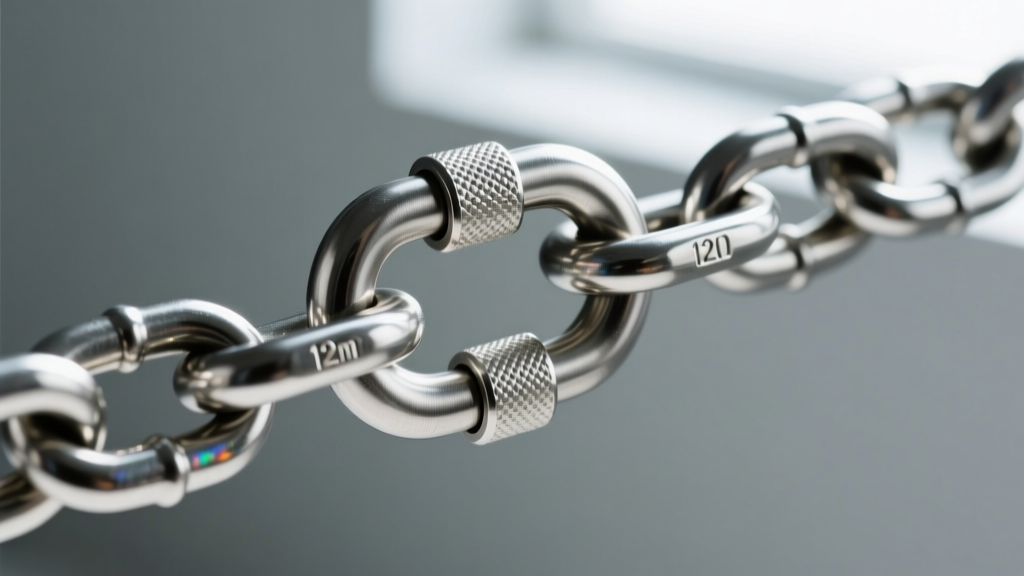
What to Look For in Heavy-Duty Clasps
If you are investing in an oversized piece that exceeds 100 grams, you must verify the clasp type before purchasing. Here is the hierarchy of clasp reliability for heavy neckwear:
- T-Bar Toggle Clasps: The gold standard for heavy chains. The torque actually pulls the T-bar tighter against the ring, making it virtually impossible to slip open under dynamic weight. Ensure the ring diameter is at least 3x the width of the T-bar.
- Magnetic Lock-Box Clasps: Featuring internal neodymium magnets and a mechanical slide-lock. These distribute the weight evenly across a wide surface area and are common in high-end luxury oversized pieces.
- Oversized Lobster Clasps (25mm+): Acceptable only if the clasp itself is cast from solid steel or gold and features a heavy-duty internal spring. Avoid hollow-stamped lobster clasps at all costs.
Market Assessment: Fast Fashion vs. Fine Jewelry
The 2026 market for oversized necklaces is sharply divided into three tiers. Understanding where your budget fits will help you maximize your cost-per-wear (CPW).
Tier 1: Fast Fashion & Costume ($30 - $80)
Brands like Zara, H&M, and various dropshipped online labels offer massive, chunky resin or hollow-cast alloy necklaces. While visually striking, these pieces are typically made from zinc alloy or brass with a micro-thin layer of gold paint or flash plating. Value Assessment: These are strictly disposable fashion items. The FTC Jewelry Guides strictly regulate terms like 'gold vermeil' and 'gold filled,' which fast fashion brands often skirt by using vague terms like 'gold-tone.' Expect these to tarnish, chip, or cause contact dermatitis within three months of regular wear.
Tier 2: Mid-Tier & Demi-Fine ($150 - $450)
Brands such as Mejuri, Missoma, and specialized streetwear jewelers dominate this space. Here, you find high-quality 316L stainless steel, PVD-coated titanium, and heavy gold vermeil (a minimum of 2.5 microns of gold over sterling silver). Value Assessment: This is the sweet spot for most consumers. A $200 solid stainless steel oversized Cuban link will outlast a $400 hollow sterling silver chain simply due to the structural superiority of steel in heavy-gauge applications. You are paying for robust manufacturing and reliable hardware.
Tier 3: High-End & Fine Jewelry ($800 - $5,000+)
At this level, you are looking at solid 14k/18k gold, sculptural bronze by artisan designers, or high-fashion house pieces (e.g., Bottega Veneta, Vivienne Westwood). Value Assessment: You are paying a massive premium for brand heritage and design IP. From a purely metallurgical standpoint, a $3,000 designer brass collar holds almost zero intrinsic melt value. However, if the piece features unique, patented sculptural elements or rare gemstone integrations, it retains value as a collectible art piece rather than raw material.
Ergonomics and Styling: The Hidden Costs of Heavy Neckwear
An oversized necklace is a physical burden as much as a stylistic one. A piece weighing over 250 grams can cause genuine cervical spine fatigue if worn for more than four hours. When budgeting for an oversized piece, you must also consider your wardrobe and lifestyle.
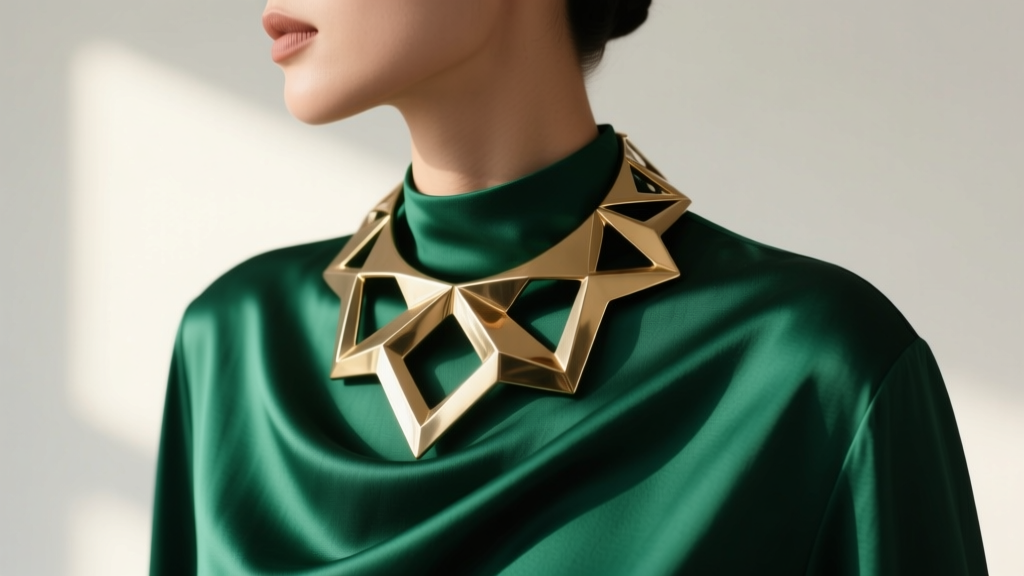
Pairing with Necklines and Fabrics
Heavy metal chains act like a saw against delicate fabrics. Wearing a 200-gram steel link chain over a silk blouse or a fine cashmere sweater will result in micro-tears and eventual fabric destruction within a single day. To protect your wardrobe investment, oversized metal chains should only be worn over high-friction, durable fabrics like heavy cotton t-shirts, denim, or leather. Alternatively, opt for sculptural, smooth-edged collars (like polished resin or hammered brass) if you intend to wear the piece over delicate silks or office-appropriate blouses.
The Posture Factor
If you work at a desk, an oversized necklace with a heavy front pendant or a thick, unyielding collar will constantly pull your head forward, exacerbating 'tech neck.' For daily office wear, look for oversized pieces that distribute weight evenly around the entire circumference of the neck (like a continuous, uniform chain) rather than pieces that concentrate 80% of their mass at the base of the throat.
Final Verdict: Where to Spend and Where to Save
The oversized necklace trend is not a fleeting fad; it is a permanent fixture in the modern maximalist wardrobe. However, treating it like a standard jewelry purchase is a mistake. If your budget is under $100, abandon the idea of gold-plated metals entirely and invest in high-quality, uncoated 316L surgical steel. It will never tarnish, and the hardware will survive the heavy weight. If your budget exceeds $500, demand solid gold or artisan-cast bronze with heavy-duty toggle clasps. By prioritizing structural engineering and material density over fleeting brand hype, your oversized necklace will remain a powerful, enduring staple of your collection for decades.


