Oversized Pearl Necklace Value Guide: Budget vs Luxury 2026
Discover how to evaluate an oversized pearl necklace in 2026. Compare freshwater, saltwater, and imitation pricing, nacre grades, and true value.

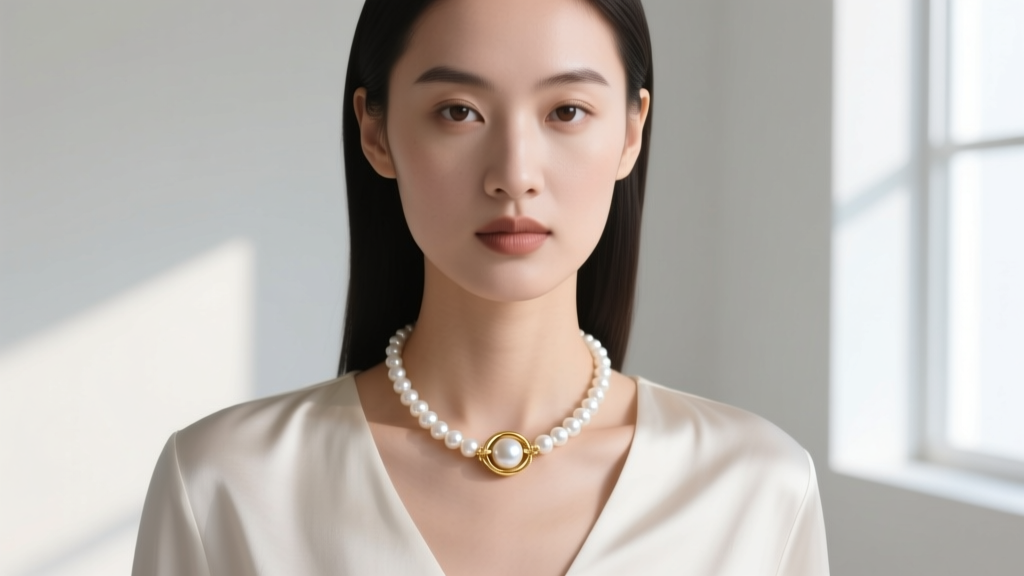
The oversized pearl necklace has cemented its status as a definitive power accessory in 2026, bridging the gap between vintage elegance and modern minimalist styling. However, as demand for pearls measuring 11mm and above has surged, the market has become saturated with misleading listings, treated stones, and overpriced imitations. For the discerning buyer, navigating the true value of an oversized pearl necklace requires moving beyond superficial aesthetics and understanding the gemological and structural realities of pearl production. This comprehensive budget and value assessment will equip you with the specific metrics, material grades, and pricing frameworks needed to make an informed investment, whether your budget is $200 or $20,000.
Defining "Oversized" in the Pearl Market
In the gemological community, standard pearl strands typically range from 6mm to 9mm. The "oversized" designation officially begins at 11mm, extending up to 16mm or larger for rare specimens. The critical factor for budget assessment here is the pricing curve. In saltwater pearl cultivation, the mortality rate of the oyster increases exponentially as the nucleus bead size increases. Consequently, a 14mm White South Sea pearl is not just twice as expensive as a 10mm pearl; it can be ten to fifteen times more expensive due to extreme scarcity. Conversely, modern bead-nucleated freshwater techniques have flattened this pricing curve, allowing budget-conscious buyers to acquire massive 13mm to 15mm pearls without the luxury tax associated with saltwater varieties.
The Material Matrix: Freshwater vs. Saltwater vs. Imitation
To accurately assess value, you must first correctly identify the material. The market currently offers three distinct tiers of oversized pearls, each with unique structural properties and failure modes.
1. Imitation and Shell Pearls (The Budget Trap)
Often deceptively marketed as "shell pearls" or "Majorica pearls," these are not organic gems. They consist of a glass or plastic bead coated with essence d'orient, a synthetic or fish-scale-derived guanine compound. While they offer a flawless, uniform appearance and a heavy glass weight that mimics real pearls, their failure mode is inevitable. Within two to four years of regular wear, the coating will chip, peel, and flake, particularly around the drill holes and clasp friction points. According to the FTC Jewelry Guides, sellers must clearly disclose these as imitation. At a price point of $30 to $120, they offer zero long-term value and should be treated as temporary costume jewelry.
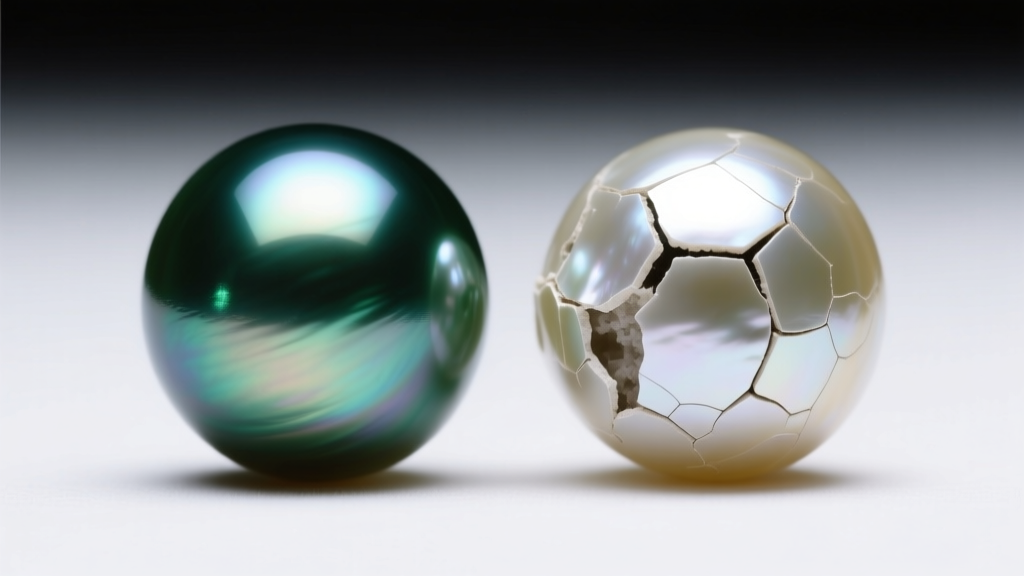
2. Bead-Nucleated Freshwater: Edison Pearls (The Value Champion)
Introduced to the market in the 2010s and perfected by 2026, Edison pearls are cultivated in freshwater mussels using a round shell bead nucleus, similar to saltwater methods. This technique yields exceptionally round, oversized pearls ranging from 11mm to 16mm. Because freshwater mussels can produce these with solid nacre layers over a 24-to-36-month growth period, Edison pearls boast a metallic, mirror-like luster that rivals high-end saltwater varieties. Priced between $150 and $800 for a full 16-inch oversized strand, they represent the absolute highest value-to-cost ratio in the current market.
3. Saltwater South Sea and Tahitian (The Investment Tier)
Produced by the massive Pinctada maxima oyster, White and Golden South Sea pearls are the undisputed luxury standard for oversized necklaces. Ranging from 11mm to 15mm, these pearls possess a unique, satiny luster and thick nacre (minimum 0.8mm to over 2.0mm). The GIA Pearl Quality Factors emphasize that high-grade South Sea pearls with clean surfaces and sharp luster command premium prices, typically starting at $2,500 and easily exceeding $15,000 for matched, graduated strands. These are investment-grade assets that retain value if properly maintained.
2026 Pricing Tiers & Value Assessment Chart
Use the following matrix to benchmark retailer pricing against current 2026 market realities. If a vendor is offering a 14mm "South Sea" necklace for $400, you are likely looking at a treated Edison freshwater pearl or an imitation.
| Pearl Type | Size Range | Nacre Structure | 2026 Market Price (16" Strand) | Value Verdict |
|---|---|---|---|---|
| Imitation / Shell | 12mm - 16mm | Coated Glass Core | $30 - $120 | Avoid for longevity; high failure rate. |
| Edison Freshwater | 11mm - 15mm | Solid Nacre over Bead | $150 - $900 | Best overall value; excellent metallic luster. |
| Tahitian Saltwater | 11mm - 14mm | Thick Nacre (0.8mm+) | $1,800 - $8,500 | High value for dark/exotic color lovers. |
| White South Sea | 12mm - 16mm | Thick Nacre (1.0mm+) | $3,000 - $20,000+ | Investment grade; heirloom luxury. |
Critical Value Indicators: Luster, Surface, and Drill Holes
When evaluating an oversized pearl necklace in person or via high-resolution macro photography, rely on these three gemological indicators to verify quality and justify the asking price.
The Mirror Test for Luster
Luster is the single most important value factor. High-quality oversized pearls should reflect light sharply. Hold the necklace under a single, direct light source (like a jewelry lamp or smartphone flashlight). You should be able to see a crisp, distinct reflection of the light bulb on the pearl's surface. If the reflection is blurry, hazy, or "chalky," the nacre is either too thin or poorly crystallized. Chalky luster drastically reduces a pearl's market value by up to 70%, regardless of its size.
Surface Blemishes vs. Structural Flaws
Oversized pearls spend more time in the water, increasing their likelihood of surface blemishes. Minor pits, wrinkles, or growth rings are natural and acceptable, often serving as proof of organic origin. However, avoid pearls with deep cracks, chalky patches, or structural divots that compromise the nacre's integrity. A strand with 80% clean surfaces and 20% minor blemishes offers vastly better budget value than a heavily treated, bleached strand that appears artificially flawless.

Inspecting the Drill Holes
The drill hole is where secrets are revealed. Using a 10x jeweler's loupe, examine the edges of the drill holes. On genuine, high-quality pearls, the hole will be sharp and clean, revealing distinct layers of nacre. On imitation pearls, you will often see the glass core beneath a peeling rim of coating. On low-grade, thin-nacre saltwater pearls, you may spot a dark line indicating the boundary between the shell bead nucleus and a dangerously thin veneer of nacre (less than 0.3mm), which is prone to flaking.
Hardware and Stringing: The Hidden Cost of Longevity
An oversized pearl necklace is remarkably heavy. A standard 7mm strand weighs approximately 25 grams, but a 14mm oversized strand can easily exceed 90 to 120 grams. This immense weight dictates strict requirements for stringing materials and hardware.
Standard silk thread will stretch and snap under this weight. For oversized pearls, the strand must be knotted on Size FF or FFF French silk thread, or a modern high-tensile synthetic alternative like PowerPro. Furthermore, there must be a hand-tied knot between every single pearl. This not only prevents the pearls from rubbing against each other and damaging their nacre, but it also ensures that if the strand breaks, you lose only one pearl rather than the entire heavy strand scattering across the floor.
Inspect the clasp. A heavy oversized necklace requires a robust 14k or 18k gold clasp with a secure locking mechanism, such as a tongue-and-groove box clasp with a double figure-eight safety catch. Flimsy spring-ring or lobster clasps are a major red flag indicating the manufacturer cut corners on structural integrity.
Final Verdict: Where to Allocate Your Budget
If your goal is to achieve the bold, high-fashion look of an oversized pearl necklace without liquidating your savings, the 2026 market heavily favors high-grade Edison freshwater pearls. They offer the massive 12mm to 14mm diameters, exceptional metallic luster, and solid nacre durability at a fraction of the cost of South Sea alternatives. However, if you are purchasing for generational wealth retention or heirloom gifting, the White South Sea pearl remains the ultimate benchmark of luxury. Avoid imitation shell pearls entirely, as their inevitable peeling renders them a poor financial decision. By prioritizing luster sharpness, proper heavy-duty silk knotting, and verifiable nacre thickness, you can confidently navigate the oversized pearl market and secure a piece that delivers both striking aesthetics and enduring value.


