Sterling Silver Lotus Necklace: Material Comparison & Care Guide
Discover why a sterling silver lotus necklace outperforms brass and steel. Compare metal properties, tarnish rates, and allergy risks for daily wear.

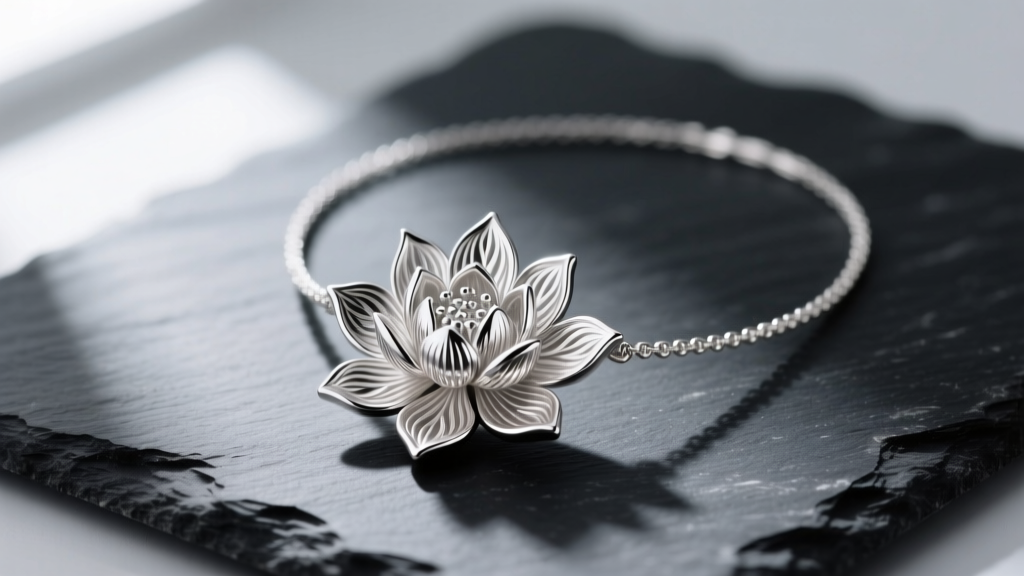
The Symbolism and Structural Demands of the Lotus Motif
The lotus flower represents purity, enlightenment, and rebirth, emerging pristine from murky waters. In jewelry design, capturing the delicate, sweeping curves and intricate veining of lotus petals requires a metal with exceptional casting fluidity and malleability. While a sterling silver lotus necklace is a staple in bohemian and spiritual jewelry collections, the material choice dictates not only the aesthetic longevity of the piece but also its structural integrity. Delicate petal tips and the pendant bail (the loop connecting the charm to the chain) are high-stress areas prone to bending or snapping if the base metal is too soft or overly brittle. Understanding the metallurgical properties of your necklace is essential for making an informed purchase that withstands daily wear.
Decoding .925 Sterling Silver: Metallurgy and Hardness
Pure silver (often stamped .999) is remarkably soft, registering a mere 25 on the Vickers hardness scale (HV) and 2.5 to 3 on the Mohs scale. While it possesses the highest electrical and thermal conductivity of any metal, it is entirely unsuitable for intricate jewelry like a lotus pendant; a pure silver petal would bend under the slightest pressure, and the bail would quickly wear through from chain friction.
To solve this, jewelers alloy pure silver with 7.5% copper, creating .925 sterling silver. This copper addition increases the Vickers hardness to approximately 60-70 HV, providing the necessary tensile strength to hold crisp, detailed castings of lotus veins and maintain the structural loop of the bail. For those seeking an upgrade, The Silver Institute notes the development of Argentium silver, which replaces some copper with germanium. Argentium (.935 or .960) offers superior tarnish resistance and a slightly higher hardness, making it a premium choice for heirloom-quality lotus pendants.
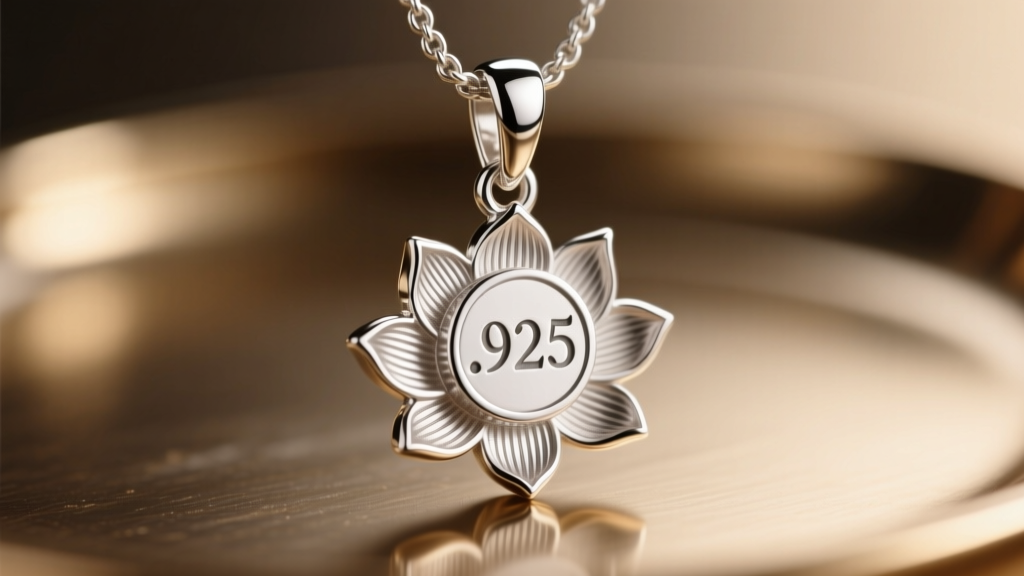
Material Showdown: Sterling Silver vs. Alternative Metals
When shopping for a lotus necklace, you will encounter various metals marketed as durable or affordable alternatives. Below is a technical comparison of how .925 sterling silver stacks up against common substitutes.
| Metal Type | Composition / Core | Hardness (HV) | Tarnish Risk | Skin Reaction Risk | Avg. Price Range |
|---|---|---|---|---|---|
| .925 Sterling Silver | 92.5% Ag, 7.5% Cu | 60 - 70 | Moderate (Silver Sulfide) | Low (if Ni-free) | $45 - $150 |
| Gold Vermeil | .925 Silver core, 2.5µm+ Au plating | 60 - 70 (Core) | Low (until plating wears) | Low | $80 - $200 |
| 316L Stainless Steel | Iron, Chromium, Nickel, Molybdenum | 150 - 200 | Very Low | Moderate (Nickel) | $20 - $60 |
| Raw Brass / Bronze | Copper & Zinc (Brass) / Copper & Tin | 50 - 100 | High (Rapid Oxidation) | High (Green skin) | $15 - $40 |
While 316L stainless steel is vastly harder and more scratch-resistant than sterling silver, its high melting point and poor casting fluidity make it difficult to capture the fine, organic details of a lotus flower. Consequently, steel lotus pendants often look stamped, flat, and lack dimensional depth. Brass, conversely, casts beautifully but oxidizes rapidly, reacting with the lactic acid in human sweat to produce copper carbonate—the culprit behind the dreaded 'green skin' effect.
The Chemistry of Tarnish and Copper Oxidation
A common misconception is that sterling silver tarnishes due to oxygen exposure. In reality, silver does not easily oxidize at room temperature. Tarnish on a sterling silver lotus necklace is primarily caused by hydrogen sulfide (H2S) present in the atmosphere, as well as sulfur compounds found in certain foods, cosmetics, and human sweat. When silver encounters sulfur, it forms silver sulfide (Ag2S), a dull, blackish layer on the surface.
According to the Gemological Institute of America (GIA), the copper alloyed within sterling silver can also oxidize, though modern refining techniques and protective rhodium or e-coatings have significantly mitigated rapid copper-related discoloration in high-quality pieces.
To slow the formation of silver sulfide, store your lotus necklace in an airtight polyethylene bag with a 3M anti-tarnish strip or a simple silica gel packet to absorb ambient moisture, which acts as a catalyst for the tarnishing process.
Hypoallergenic Realities: Navigating Metal Sensitivities
The term 'hypoallergenic' is largely unregulated in the jewelry industry. While pure silver is inherently hypoallergenic, the 7.5% alloy mix in standard sterling silver is where issues arise. Ethical jewelers use pure copper for the alloy. However, some mass-produced, ultra-cheap 'silver' items cut costs by using nickel or zinc alloys. Nickel is a potent contact allergen, affecting roughly 10-15% of the global population.
If you have sensitive skin, ensure your sterling silver lotus necklace complies with the EU REACH directive or the Federal Trade Commission (FTC) Jewelry Guides, which strictly dictate the allowable limits of nickel migration in wearable metals. Look for explicit 'Nickel-Free' guarantees from the manufacturer, especially if the lotus pendant rests directly against the décolletage, an area with thin, highly reactive skin.
Chain Pairing: Gauges and Weaves for Lotus Pendants
The structural failure of a necklace rarely occurs at the pendant itself; it usually happens at the chain. A solid cast sterling silver lotus pendant measuring 18mm to 25mm typically weighs between 3.5 and 6 grams. This concentrated weight creates a pendulum effect that places immense tensile stress on the chain links, particularly the clasp and the jump rings.
- 0.5mm - 0.7mm Cable Chains: Avoid these for heavy pendants. The thin wire is highly susceptible to kinking and snapping under the dynamic load of a lotus charm.
- 0.9mm - 1.2mm Box Chains: An excellent choice. The interlocking square links distribute weight evenly and offer high tensile strength while maintaining a sleek, modern profile that doesn't distract from the pendant.
- 1.0mm - 1.5mm Rope Chains: Ideal for a vintage or bohemian aesthetic. The twisted helix structure provides exceptional durability and a beautiful light-catching sparkle that complements the organic lotus motif.
Authentication and Long-Term Maintenance
Before investing in a premium sterling silver lotus necklace, verify its authenticity. The most reliable non-destructive test leverages silver's unparalleled thermal conductivity. Place an ice cube directly on the center of the lotus pendant; genuine .925 silver will draw heat from the surrounding air so rapidly that the ice will begin to melt almost instantly, much faster than it would on steel or brass.
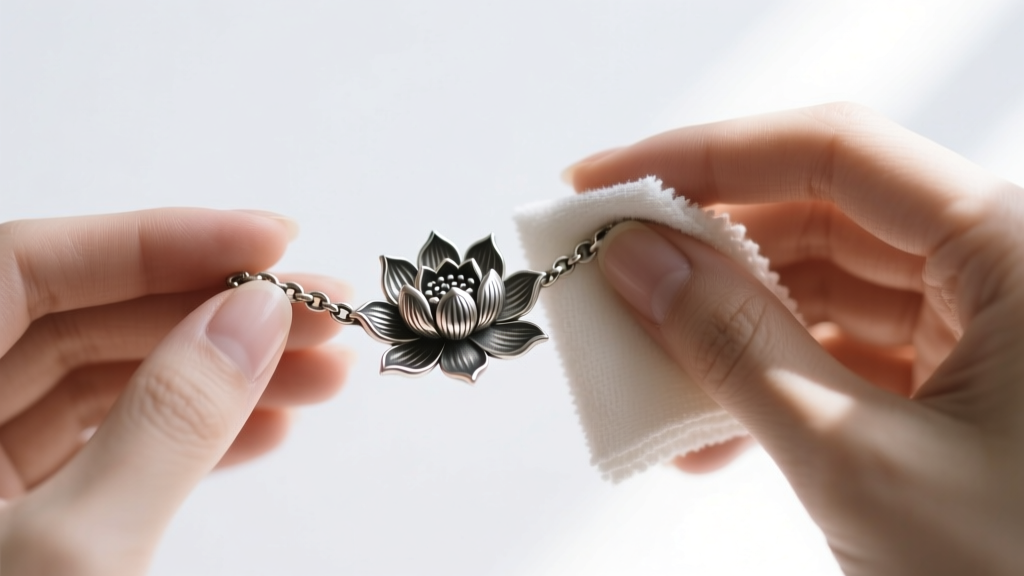
For maintenance, avoid liquid chemical dips, which strip away microscopic layers of silver and can dull the high-polish finish of intricate petal engravings. Instead, use a two-layer jeweler's polishing cloth impregnated with micro-abrasives and anti-tarnish agents. Gently buff the raised edges of the lotus petals, leaving the recessed areas slightly darker to preserve the antique contrast and depth of the design.
Final Verdict: Is Sterling Silver the Right Choice?
When balancing casting detail, structural hardness, skin safety, and intrinsic value, a sterling silver lotus necklace remains the undisputed champion in its price tier. It offers the precious metal prestige and heirloom potential that base metals lack, while avoiding the prohibitive costs and softness of high-karat gold or platinum. By selecting a nickel-free .925 or Argentium alloy and pairing it with a structurally sound 1.0mm box or rope chain, you ensure that your symbol of rebirth and purity remains a resilient, lifelong companion.


