Pacific Piers Multi Necklace Buying Guide: What To Look For
Discover what to look for when buying a Pacific Piers multi necklace. Our guide covers materials, strand spacing, clasps, and pricing.

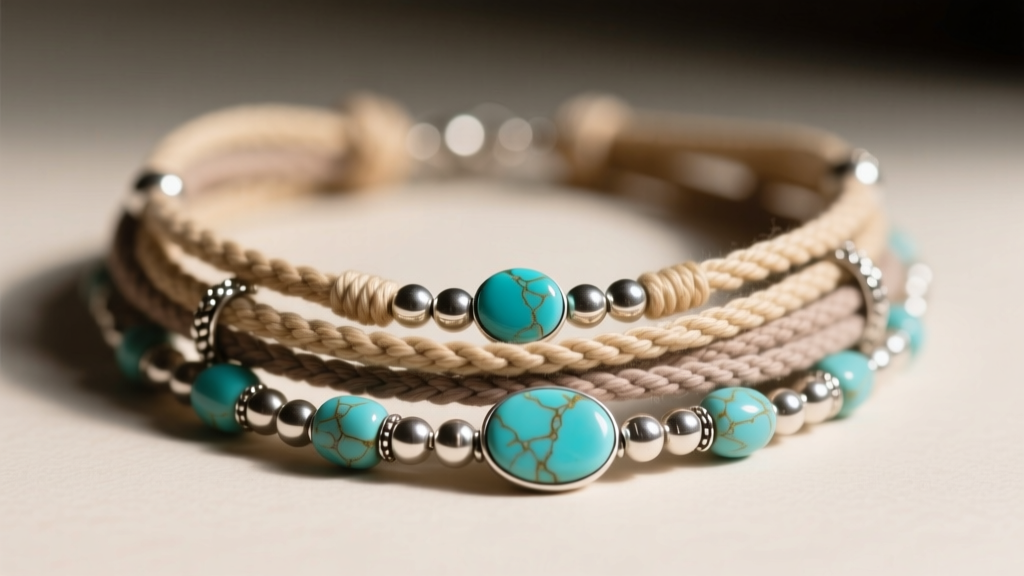
The Anatomy of a Pacific Piers Multi Necklace
The Pacific Piers multi necklace has become a hallmark of coastal, bohemian-inspired jewelry, celebrated for its intricate layering, mixed media, and artisanal craftsmanship. Unlike standard single-strand pendants, a true multi-strand necklace requires a complex understanding of spatial geometry, material weight distribution, and clasp mechanics to function properly. Whether you are investing in an authentic Pacific Piers piece or a high-quality artisan equivalent, knowing what to look for beneath the surface is critical. This comprehensive buying guide breaks down the exact specifications, material grades, and structural elements you must evaluate before making a purchase in 2026.
Strand Spacing and the 1.5-Inch Drop Rule
The most common failure point in poorly constructed multi-strand necklaces is tangling. When strands are cut to lengths that are too similar, the pendants and beads will continuously clash and knot. Expert jewelers adhere to the 1.5-inch to 2-inch minimum drop rule. For example, a well-proportioned three-strand necklace will feature lengths of 16 inches (choker/collarbone), 18.5 inches (mid-chest), and 21 inches (lower bust). This specific gradation ensures that each strand rests in its own visual tier, allowing the unique elements—such as raw turquoise, mother-of-pearl, or oxidized silver beads—to be seen without obstruction.
Material Breakdown: Metals, Cords, and Stones
The aesthetic of a Pacific Piers multi necklace relies heavily on the juxtaposition of rugged and refined materials. However, not all materials age gracefully. Understanding the difference between base metals and precious metals, as well as stabilized versus dyed stones, is essential for long-term wearability.
| Material Component | Premium Grade (Look For) | Budget Alternative (Avoid) | Durability Impact |
|---|---|---|---|
| Chain & Findings | 925 Sterling Silver or 2.5µ Gold Vermeil | Brass or Nickel-Plated Base Metal | Vermeil resists tarnish; brass causes green skin and degrades. |
| Cording | Waxed Cotton or Genuine Leather (2mm-4mm) | Synthetic Nylon or Faux Suede | Waxed cotton repels moisture; nylon frays and traps sweat. |
| Gemstones | Stabilized Natural Turquoise or Lapis Lazuli | Dyed Howlite or Reconstituted Stone Dust | Dyed stones bleed color onto skin and cords when exposed to oils. |
The Vermeil Standard and FTC Guidelines
If your multi-strand piece features gold-toned chains, verify that it is Gold Vermeil, not gold-plated. According to the Federal Trade Commission and industry standards outlined by Jewelers of America, true vermeil requires a base of 925 sterling silver plated with at least 2.5 microns of 10k or higher gold. Standard gold plating uses a brass base and a microscopic 0.5-micron gold flash that will wear off within months of daily wear, exposing the reactive brass underneath.
Identifying Authentic Coastal Stones
Bohemian multi-strand necklaces frequently feature turquoise. Because high-grade natural turquoise is porous and expensive, reputable artisans use stabilized turquoise—a process where the stone is infused with a clear resin to prevent cracking and color-shifting. Beware of ultra-cheap alternatives; as noted by the Gemological Institute of America (GIA), dyed howlite is frequently passed off as turquoise. You can spot dyed howlite by examining the veins under a loupe: if the dark matrix lines look unnaturally uniform or the color pools in the cracks, it is likely a dyed imitation that will bleed onto your waxed cotton cords.
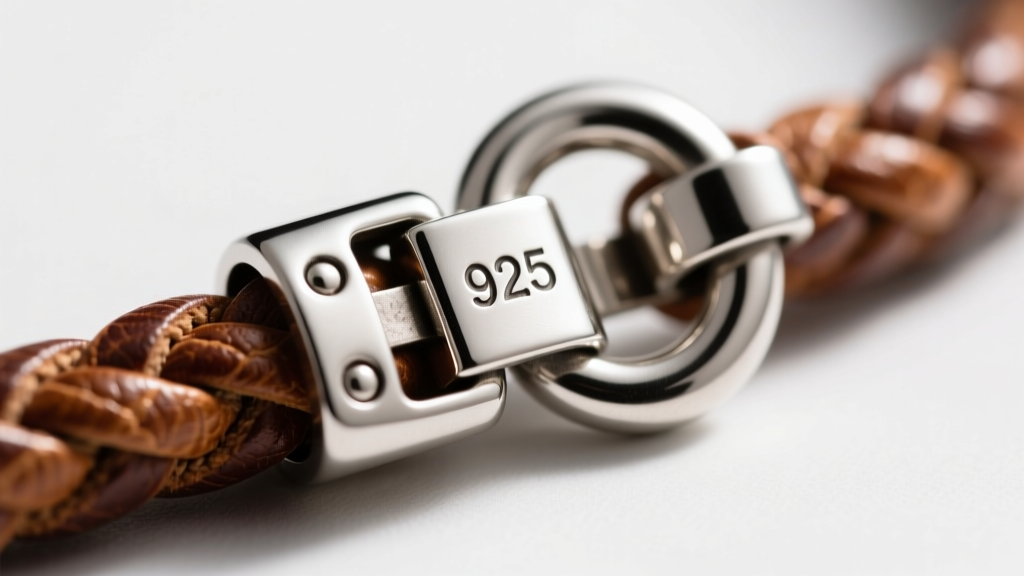
Clasp Mechanics and Tangling Prevention
The clasp is the structural anchor of any multi-strand necklace. Because a three- or four-strand piece carries significant weight and dynamic movement, a standard 5mm spring-ring clasp will inevitably fail or bend. When inspecting a Pacific Piers multi necklace, look for the following hardware specifications:
- Multi-Ring Lobster Clasps: A high-quality piece will feature a single, oversized lobster clasp (at least 12mm) that connects to a heavy-duty jump ring, which in turn holds the individual rings of each strand. This allows the strands to rotate independently, reducing torque on the metal.
- Tube or Magnetic Barrel Clasps: Some premium multi-strand designs use a seamless tube clasp where each strand solders into a separate channel. This creates a unified, elegant closure but requires precise alignment to fasten.
- The Extender Chain Rule: Always look for a 2-inch extender chain. Multi-strand necklaces sit differently depending on the thickness of your clothing. An extender allows you to adjust the entire apparatus simultaneously, maintaining the crucial 1.5-inch drop ratio between strands.
Pricing Tiers and Authenticity Checks
Understanding the market value of artisan multi-strand jewelry protects you from overpaying for mass-produced costume pieces. In the current market, authentic, handcrafted multi-strand necklaces utilizing sterling silver and genuine semi-precious stones typically fall into the following pricing tiers:
- $60 - $110 (Entry Artisan): Features 925 sterling silver beads, waxed cotton cords, and stabilized turquoise or freshwater pearls. Clasps are standard lobster claws.
- $120 - $180 (Mid-Tier Premium): Incorporates heavier silver wire-wrapping, gold vermeil accents, and higher-grade stones like genuine lapis lazuli or labradorite. Features reinforced jump rings and branded extender chains.
- $190 - $250+ (Master Crafted): Showcases custom-cast pendants, solid 14k gold elements, rare gemstone cuts, and specialized multi-channel tube clasps.
If a piece claiming to be a genuine Pacific Piers or equivalent artisan multi-strand necklace is priced below $40, it is almost certainly constructed from base metals and dyed glass or plastic beads.
Styling and Neckline Pairing
The visual weight of a multi-strand necklace demands careful neckline pairing. Because the piece already provides a complex, layered focal point, the garment should act as a canvas rather than a competitor.
- Deep V-Necks: The ideal pairing. The V-shape mirrors the cascading drop of the necklace strands, elongating the neck and allowing the lowest pendant to rest perfectly in the negative space.
- Scoop Necks: Works well for two-strand designs. Ensure the shortest strand sits at least one inch below the fabric line to prevent the jewelry from looking choked or tangled in the hem.
- Boatnecks and Turtlenecks: Generally avoid pairing multi-strand necklaces with high, wide necklines. The horizontal line of the collar clashes with the vertical drop of the necklace, creating a visually cluttered chest area. If wearing over a turtleneck, opt for a single, long 24-inch pendant instead.

Care and Maintenance for Mixed Media
Maintaining a multi-strand necklace is more complex than caring for a simple metal chain due to the variety of materials involved. Never place a multi-strand necklace featuring leather cords, pearls, or turquoise in an ultrasonic cleaner. The high-frequency vibrations will shatter porous stones and strip the natural oils from leather and pearls, causing them to become brittle and snap.
Expert Maintenance Tip: To clean the metal components without damaging the cords, use a dry, untreated silver polishing cloth. Gently pinch each silver bead or chain link with the cloth and buff. For the stones, a slightly damp microfiber cloth is sufficient to remove skin oils and environmental dust. Always store the necklace laid flat or hanging from a wide hook to prevent the cords from developing permanent memory kinks.
Final Verdict: Is It Worth the Investment?
A well-constructed Pacific Piers multi necklace is a versatile, enduring addition to any jewelry collection, provided you verify the material integrity. By insisting on 925 sterling silver or true gold vermeil, checking for the 1.5-inch drop spacing, and ensuring the stones are stabilized rather than dyed, you will secure a piece that ages beautifully and remains tangle-free. Pay close attention to the clasp mechanics and avoid pieces that rely on flimsy spring-rings to hold heavy, multi-tiered strands. When you prioritize structural engineering alongside coastal aesthetics, your multi-strand necklace will serve as a reliable, statement-making staple for years to come.


