What Is a Cooler Necklace? A Beginner's Style Guide
Discover what a cooler necklace is, from PCM pendants to cooling gemstones. Learn how to choose, style, and care for temperature-regulating jewelry.

The Rise of the Cooler Necklace: Function Meets Fashion
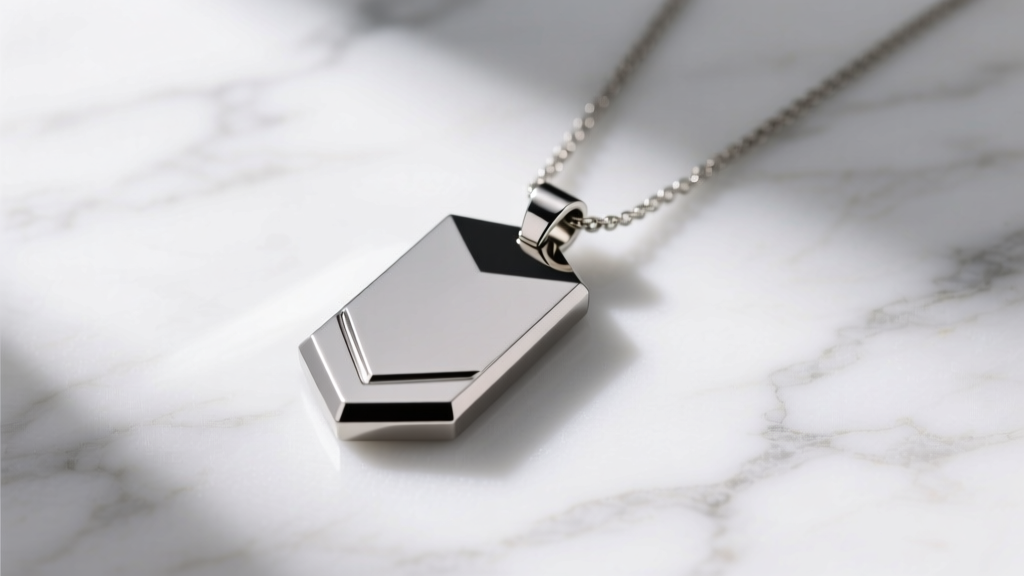
If you have been browsing jewelry trends or wearable tech forums in 2026, you have likely encountered the term cooler necklace. Originally designed for athletes and individuals experiencing menopause hot flashes, cooling necklaces have evolved from bulky, utilitarian sports gear into sleek, sophisticated jewelry pieces. But what exactly is a cooler necklace, and how does it actually work?
At its core, a cooler necklace is a wearable pendant or collar designed to actively or passively lower your skin temperature. By targeting the highly vascular areas of the neck and chest, these pieces help regulate core body temperature, providing immediate relief from heat stress, night sweats, or intense post-workout flush. According to research published by the National Institutes of Health (NIH), cooling the neck region is one of the most effective ways to rapidly reduce perceived thermal strain and improve overall comfort in hot environments.
In this beginner-friendly guide, we will break down the science behind cooling jewelry, compare the different materials used, and provide actionable advice on how to style and maintain your cooler necklace.
The Science of the Chill: How Cooling Necklaces Work
Not all cooler necklaces are created equal. The market is currently divided into three primary technological categories, each with its own pros, cons, and aesthetic profiles.
1. Phase Change Material (PCM) Pendants
PCM pendants are the most popular choice for everyday jewelry. These pendants are filled with a specialized bio-based wax or salt hydrate that melts and solidifies at specific, engineered temperatures. Most menopause-focused PCM pendants are calibrated to melt at exactly 28°C (82.4°F). When the pendant rests against your warm skin, the material inside absorbs your body heat as it transitions from a solid to a liquid state. This phase change draws heat away from your skin, providing a continuous, soothing cooling effect that typically lasts between 45 to 90 minutes before the pendant needs to be "recharged" in cold water or a refrigerator.
2. Thermoelectric (Peltier) Modules
For those seeking active, on-demand cooling, thermoelectric necklaces utilize the Peltier effect. Powered by a micro-battery, these pendants use an electrical current to transfer heat from one side of a ceramic plate to the other. The side resting against your collarbone becomes ice-cold within seconds. While 2026 advancements in micro-battery tech have made these pendants significantly lighter (averaging 35-45 grams), they are still bulkier than passive jewelry and require daily USB-C charging.
3. Evaporative Cooling (PVA Tubes)
Polyvinyl alcohol (PVA) cooling tubes are the most affordable and lightweight option. These hollow, flexible tubes are soaked in ice water, which activates the PVA material's capillary action. As the water slowly evaporates through the microscopic pores of the tube, it pulls heat away from the neck. While highly effective for outdoor sports, they lack the premium aesthetic of metal or gemstone pendants and must be re-soaked every 2 to 3 hours.
The Gemstone Alternative: High Thermal Effusivity
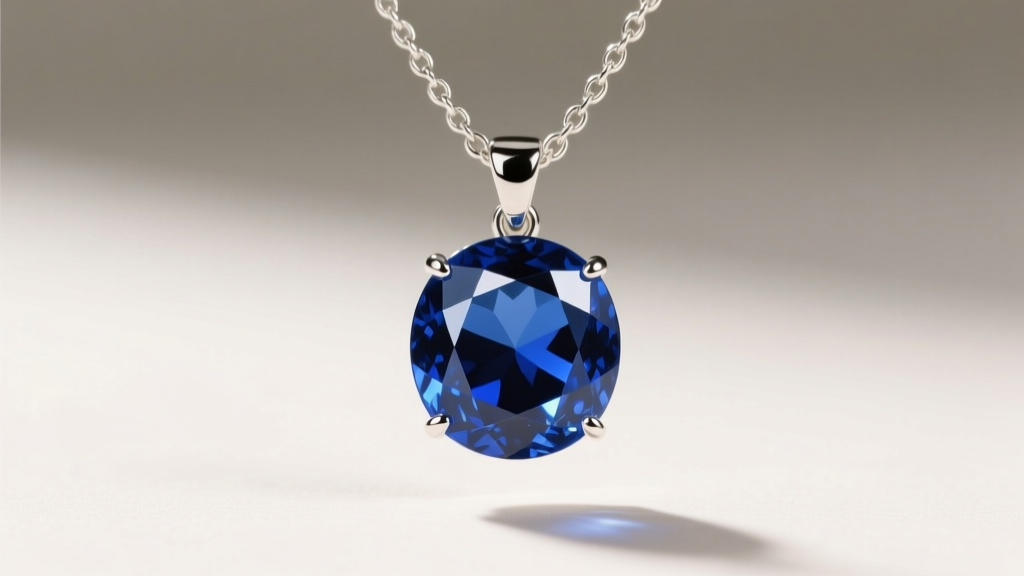
If wearable tech or synthetic waxes do not align with your personal style, you can achieve a natural cooling effect through specific gemstones. In the gemological world, the sensation of "coldness" is dictated by a property called thermal effusivity—the rate at which a material can absorb and transfer heat away from your skin.
According to the Gemological Institute of America (GIA), certain crystalline structures are exceptional thermal conductors. When worn as a heavy, polished pendant directly against the sternum, these stones feel remarkably cool to the touch:
- Sapphire & Ruby (Corundum): With a Mohs hardness of 9 and high thermal conductivity, large sapphire cabochons draw heat away rapidly, offering a luxurious, naturally cool sensation.
- Jade (Jadeite/Nephrite): Historically prized in Eastern cultures for its "cooling energy," jade has a dense, interlocking crystalline structure that remains cool against the skin for extended periods.
- Clear Quartz: An accessible and highly conductive crystal that feels instantly cold when first placed against the skin, though it warms up faster than sapphire.
Expert Tip: To maximize the cooling effect of a gemstone pendant, choose a bezel setting over a prong setting. A bezel setting allows the flat, polished back of the stone to sit completely flush against your skin, maximizing surface-area contact and heat transfer.
Comparison Chart: Choosing Your Cooling Mechanism
Use this structured framework to determine which cooler necklace type best fits your lifestyle, budget, and aesthetic preferences.
| Type | Mechanism | Cooling Duration | Avg. Weight | Price Range (USD) |
|---|---|---|---|---|
| PCM Pendant | Passive (Latent Heat) | 45 - 90 mins | 40g - 65g | $80 - $180 |
| Thermoelectric | Active (Battery/Peltier) | 2 - 4 hours | 35g - 50g | $150 - $350 |
| PVA Tube | Evaporative (Water) | 2 - 3 hours | 20g - 30g | $15 - $40 |
| Sapphire/Jade | Passive (Thermal Effusivity) | 15 - 30 mins | 15g - 40g | $200 - $2,000+ |

Styling and Hardware Considerations
Because cooler necklaces—particularly PCM and thermoelectric pendants—are significantly heavier than standard jewelry, you cannot simply hang them on a delicate 0.9mm cable chain. The hardware must be robust enough to support the weight without stretching, kinking, or breaking.
Chain Gauge and Material
For pendants weighing between 40g and 65g, opt for a chain with a wire gauge between 2.5mm and 3.5mm. A stainless steel box chain or a titanium rope chain are ideal choices. Titanium is particularly recommended for cooling jewelry because it is hypoallergenic, highly durable, and does not trap ambient heat the way thick yellow gold or copper alloys might. Furthermore, materials like Phase Change Materials (ScienceDirect) are often housed in titanium or surgical steel casings to facilitate rapid heat transfer from the skin to the core.
The Importance of the Clasp
When a PCM pendant absorbs its maximum heat capacity, it turns into a warm liquid and needs to be removed for recharging. Fumbling with a tiny 5mm lobster clasp at the back of your neck can be frustrating. Upgrade your cooler necklace with a magnetic neodymium clasp (10x5mm or larger). This allows you to detach the heavy pendant with one hand in seconds, making the transition between wearing and recharging entirely seamless.
Layering Techniques
Cooler necklaces are inherently minimalist, often featuring matte finishes, geometric shapes, or smooth metallic pebbles. To integrate them into your daily wardrobe, use them as the "anchor" piece in a layered stack. Pair a 20-inch matte titanium PCM pendant with a delicate 18-inch gold-filled satellite chain and a 16-inch choker. This creates a cascading visual effect that distracts from the utilitarian nature of the cooling pendant, turning it into a striking focal point of modern, functional fashion.
Care, Maintenance, and Skin Safety
To ensure your cooler necklace lasts for years, follow these specific maintenance protocols:
- Never Puncture PCM Casings: The bio-waxes inside are generally non-toxic, but they will ruin your clothing and render the pendant useless. Avoid dropping the pendant on hard tile floors.
- Manage Condensation: Active Peltier coolers create condensation when the ambient humidity is high. Always wipe the ceramic plate and metal housing with a microfiber cloth after use to prevent water damage to the internal micro-battery.
- Prevent Contact Dermatitis: When skin is cooled, blood vessels constrict, but prolonged moisture (from sweat or PVA evaporation) trapped under a heavy pendant can cause irritation. Ensure your pendant rests over a breathable fabric or wipe your skin dry if wearing it directly against bare skin for more than two hours.
Final Thoughts
The cooler necklace is no longer just a niche medical device or a bulky sports accessory; it is a legitimate category of functional jewelry. Whether you opt for the high-tech chill of a thermoelectric module, the reliable passive cooling of a PCM pendant, or the timeless, natural effusivity of a polished sapphire, understanding the mechanics and hardware requirements will ensure you stay cool, comfortable, and effortlessly stylish.


