Tupac Necklace Material Guide: Gold, Silver & Fakes
Analyze the materials of the iconic Tupac necklace. Compare 14k, 18k, and 22k gold properties, diamond grades, and how to spot vintage 90s fakes.

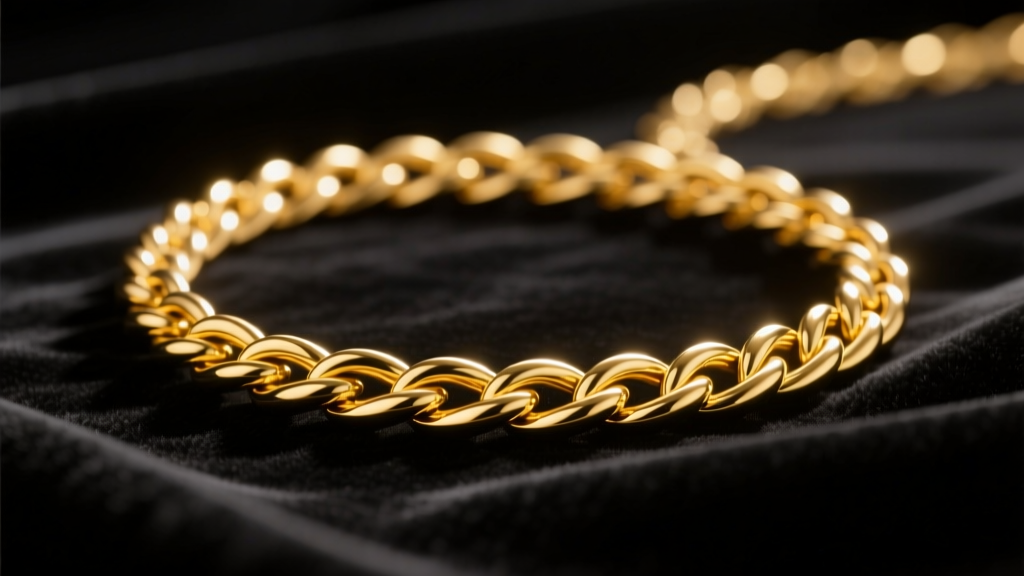
Tupac Amaru Shakur was not merely a cultural icon; he was a visual architect whose aesthetic choices continue to dictate the standards of hip-hop jewelry in 2026. While fans often search for a generic "Tupac necklace," serious collectors, horologists, and jewelers analyze his pieces through a much stricter lens: material composition, metallurgical integrity, and gemological grading. The heavy gold chains and custom pendants Tupac wore in the 1990s were not just fashion statements—they were masterclasses in high-karat gold casting and bespoke diamond setting.
Today, the market is saturated with modern reproductions, hollow-core fakes, and gold-plated imitations claiming to capture the "90s rap aesthetic." To truly understand the value and legacy of Tupac’s jewelry, we must deconstruct the exact materials, alloy compositions, and structural mechanics that defined his vault. This guide breaks down the metallurgy, diamond grading, and authentication protocols required to evaluate vintage hip-hop necklaces.
The Metallurgy of 90s Hip-Hop: Why Karat Weight Matters
In the golden era of hip-hop, the karat weight of a chain was a direct indicator of status and authenticity. While modern mass-market jewelry often defaults to 10k or 14k gold for durability and cost-efficiency, elite 90s rappers like Tupac, The Notorious B.I.G., and Snoop Dogg heavily favored 18k and 22k gold. The reason lies in the optical and metallurgical properties of the alloys.
Pure 24k gold is too soft (Vickers hardness of ~25 HV) for heavy chains or diamond setting; it will stretch and deform under the weight of a pendant. Therefore, custom jewelers like Eddie Plein and Tito Caicedo utilized 18k gold, which contains exactly 75% pure gold and 25% alloy metals (typically a mix of copper and silver). This specific ratio provides a Vickers hardness of approximately 125 HV—soft enough to allow for intricate link soldering and casting, yet rigid enough to support heavy diamond pavé. Furthermore, the high pure-gold content yields the deep, saturated yellow hue that read exceptionally well on analog film and low-light music video setups.
| Karat | Gold % | Alloy Mix | Hardness (HV) | 90s Hip-Hop Application |
|---|---|---|---|---|
| 14k | 58.3% | 41.7% (Copper/Silver/Zinc) | ~170 HV | Entry-level chains, high durability, paler yellow hue. |
| 18k | 75.0% | 25.0% (Copper/Silver) | ~125 HV | The Tupac Standard. Ideal for custom Jesus pieces and heavy ropes. |
| 22k | 91.6% | 8.4% (Copper/Silver) | ~70 HV | Rarely used for chains due to stretching; reserved for solid cast medallions. |
According to the Gemological Institute of America (GIA), the specific copper-to-silver ratio in the 25% alloy dictates the final color. 90s New York jewelers favored a slightly higher copper content to give the 18k gold a warmer, richer "rose-yellow" undertone, distinguishing it from the greenish tint of European 18k alloys.
Deconstructing the Iconic Tupac Jesus Piece

The "Jesus Piece" is arguably the most famous pendant associated with Tupac Shakur. Unlike mass-produced stamped medallions, authentic 90s Jesus pieces were bespoke, three-dimensional sculptures cast in solid 18k gold and meticulously set with melee diamonds. The material execution of these pieces required advanced lapidary and metalsmithing skills.
Diamond Grading and Setting Techniques
A genuine vintage Jesus piece utilizes hundreds of melee diamonds (typically ranging from 1.5mm to 2.0mm in diameter, weighing roughly 0.02 to 0.03 carats each). In the 1990s, custom hip-hop jewelers prioritized carat weight and light return over flawless clarity. The diamonds used were generally in the VS1-VS2 clarity range with G-H color grades. This was a highly strategic material choice: under the harsh, multi-directional lighting of a music video set, the inclusions in VS-grade melee diamonds are completely invisible to the naked eye, while the round brilliant cuts maximize scintillation.
The setting technique was predominantly pavé or micro-bezel. Jewelers would carve tiny beads out of the 18k gold base to secure the girdles of the diamonds. Because 18k gold is relatively malleable, the prongs could be pushed tightly against the stones without cracking the gold, ensuring the diamonds remained flush against the contoured surface of the pendant's face, hair, and beard. For the hair and beard details, jewelers often incorporated vitreous enamel or hand-engraved texturing to provide contrast against the diamond-set face.
Chain Mechanics: Rope vs. Cuban Links
Tupac frequently layered his pendants on thick gold chains, with the rope chain and the Cuban link being the most prominent. From a structural engineering perspective, these two chains behave very differently under stress.
- The Rope Chain: Constructed by twisting multiple small gold links into a helical pattern, a true 8mm to 10mm solid 18k gold rope chain from the 90s weighs between 90 and 140 grams. The primary failure mode of vintage rope chains is the degradation of the solder joints at the twist points. Over decades of wear, the friction between the interlocking links can cause micro-abrasions, eventually leading to link separation if not periodically re-soldered by a master jeweler.
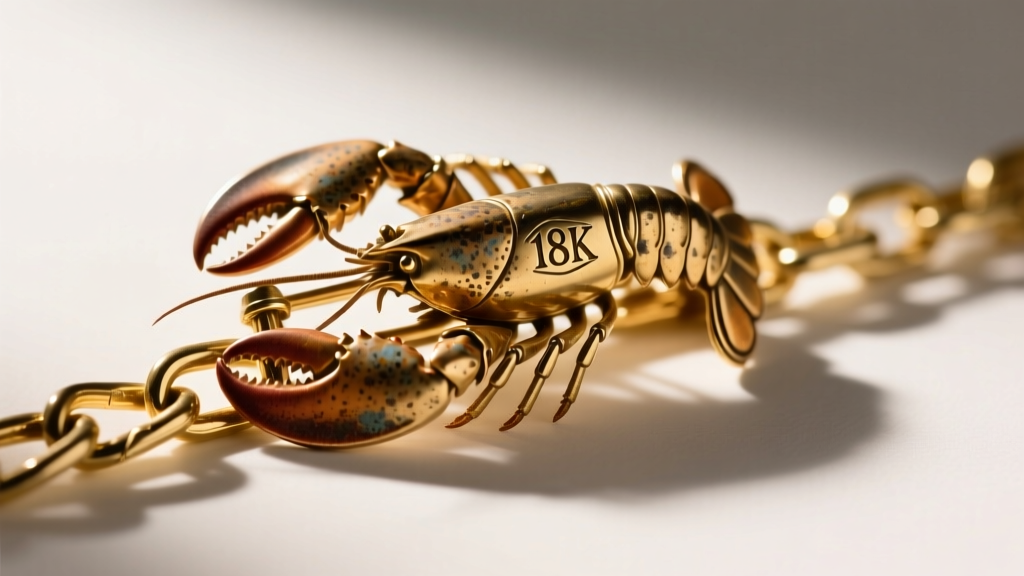
- The Cuban Link: Characterized by its flat, interlocking oval links, the Cuban link offers superior tensile strength compared to the rope chain. The flat surface area of each link distributes weight more evenly, making it the preferred structural base for heavy pendants like the Jesus piece. A vintage 10mm solid 18k Cuban can easily exceed 150 grams, requiring a heavy-duty lobster clasp with a secondary figure-eight safety catch.
Authentication: Spotting Modern Fakes and Hollow-Core Chains
As the value of vintage hip-hop memorabilia skyrockets, the market has been flooded with deceptive reproductions. Authenticating a purported Tupac-era necklace requires moving beyond the basic magnet test and utilizing professional metallurgical analysis.
The most reliable non-destructive testing method is X-ray Fluorescence (XRF) spectrometry. An XRF gun bombards the metal with X-rays and measures the fluorescent X-rays emitted back, providing an exact elemental breakdown of the alloy. A genuine 90s 18k chain will return a reading of 74.5% to 75.5% gold, with the remainder being copper, silver, and trace zinc. Modern fakes often use a tungsten core plated with thick 14k gold; while tungsten matches gold in density (fooling the specific gravity water test), XRF will immediately flag the lack of gold penetration.
Furthermore, the Federal Trade Commission (FTC) Jewelry Guides strictly regulate hallmarking. Authentic vintage pieces will feature a crisp "18K" or "750" stamp on the clasp tongue and a corresponding stamp on a link adjacent to the clasp. Modern laser-etched hallmarks on hollow-core chains often lack the deep, mechanical impression of the hydraulic stamping presses used in the 1990s. Additionally, genuine vintage chains exhibit a specific type of patina—a micro-scratched, softened luster in the crevices of the links that is nearly impossible to replicate artificially without tumbling the chain in abrasive media, which leaves tell-tale uniform scratching patterns.
2026 Market Value: Melt Price vs. Provenance
When evaluating the financial properties of these necklaces in 2026, buyers must separate intrinsic material value from historical provenance. A generic, authenticated 100-gram 18k gold vintage rope chain holds significant intrinsic value, tracking closely with the spot price of gold plus a 15-20% premium for vintage craftsmanship. Based on 2026 precious metals markets, the melt value alone sits comfortably between $4,800 and $5,500.
However, if a chain or pendant possesses documented, verifiable provenance linking it directly to Tupac Shakur—such as stage-worn certification, photographic matching, or estate liquidation records—the material value becomes secondary. As evidenced by recent high-profile auctions at houses like Sotheby's, hip-hop artifacts with ironclad provenance routinely shatter their melt value, commanding premiums of 1,000% to 5,000%. In the upper echelons of jewelry collecting, the gold and diamonds are merely the canvas; the true value lies in the cultural weight the materials were forced to carry.


