Panda Bear Necklace Materials: A 2026 Buyer Guide
Discover the best metals for your panda bear necklace. We compare 925 silver, 316L steel, and gold vermeil for durability, allergies, and style.

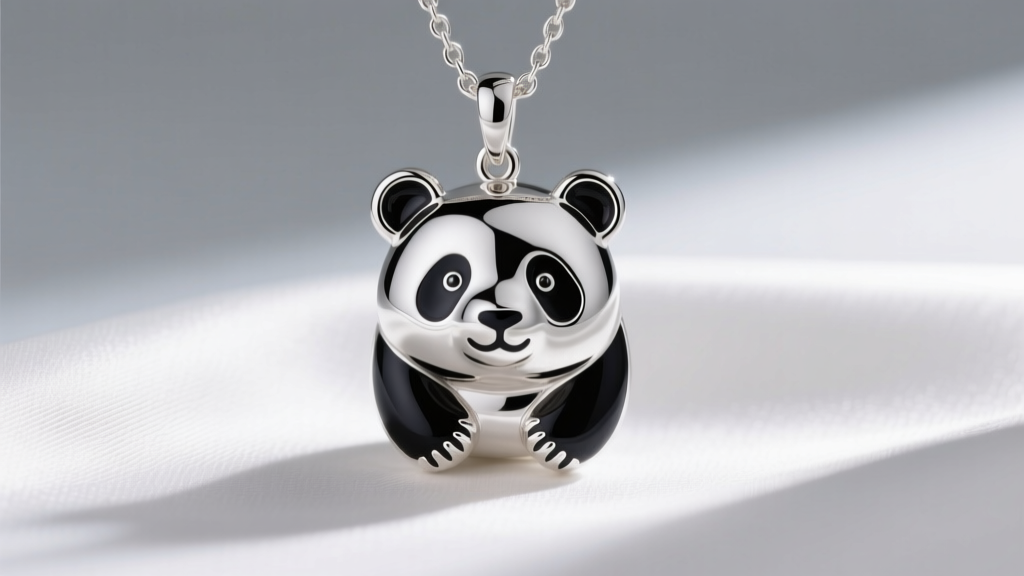
The Metallurgy of Cute: Why Material Dictates Longevity
The panda bear necklace has transcended fleeting trends to become a staple in both kawaii fashion and wildlife-inspired jewelry collections. However, the charming contrast of black and white that defines a panda pendant relies entirely on the materials used to craft it. In 2026, consumers are more educated than ever about metal allergies, plating thicknesses, and enamel durability. Choosing the wrong material for a panda bear necklace doesn't just mean premature tarnishing; it can mean skin irritation and the loss of intricate design details.
Whether you are buying for a child with sensitive skin, seeking a daily-wear piece that withstands sweat and humidity, or looking for an heirloom-quality investment, understanding the metallurgical properties of your jewelry is non-negotiable. Below, we break down the exact material grades, hardness scales, and failure modes of the most common metals used in panda bear necklaces.
925 Sterling Silver: The Classic Standard
Sterling silver remains the most popular choice for high-quality panda bear necklaces. By definition, 925 sterling silver consists of 92.5% pure silver and 7.5% alloy metals, usually copper. This copper addition is crucial; pure silver (999) is too soft to hold the intricate facial features of a panda pendant and would easily bend or scratch.
The Tarnish Factor and Rhodium Plating
The copper in 925 silver is also its Achilles' heel. When exposed to sulfur compounds in the air and human sweat, copper oxidizes, leading to the familiar black tarnish. To combat this, premium jewelry makers apply a rhodium plating. Rhodium, a platinum-group metal, provides a brilliant, tarnish-resistant shield. When shopping, look for a rhodium thickness of at least 0.1 to 0.2 microns. Anything thinner will wear through the high-friction areas of the panda's snout and ears within months. According to the Jewelers of America, proper rhodium plating significantly extends the lifespan and hypoallergenic properties of sterling silver pieces.
316L Surgical Stainless Steel: The Indestructible Option
For active wearers or children, 316L surgical stainless steel is a powerhouse. The 'L' stands for low carbon, and this specific grade includes molybdenum, which drastically increases corrosion resistance against chlorides (like saltwater and sweat).
Hardness and Hypoallergenic Profiles
On the Vickers Hardness (HV) scale, 925 sterling silver sits at a relatively soft 60-70 HV. In contrast, 316L stainless steel measures between 150-200 HV. This means a steel panda bear necklace will resist scratches from daily bumps and drops far better than silver. However, a critical caveat exists regarding allergies. While often marketed as 'hypoallergenic,' 316L steel contains trace amounts of nickel (typically 8-12%). The chromium oxide layer on the surface usually traps the nickel, making it safe for most. But for individuals with severe contact dermatitis, the Gemological Institute of America (GIA) recommends sticking to nickel-free alternatives or implant-grade titanium (ASTM F138), though titanium is rarely used for detailed panda castings due to its high melting point and casting difficulty.
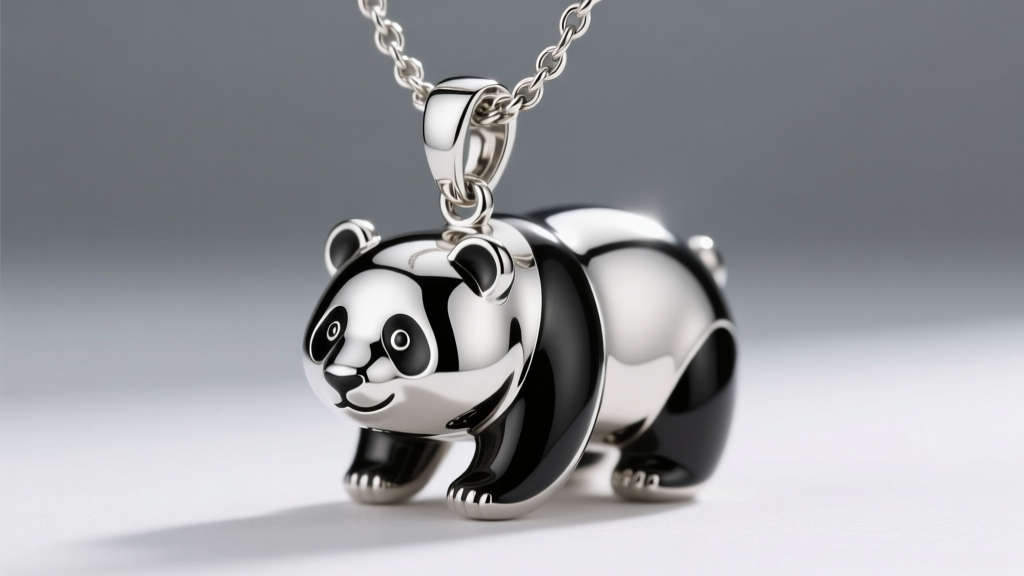
The Color Details: Cold Enamel vs. Vitreous Enamel
A panda bear necklace relies on stark black-and-white contrast. How that color is applied determines whether the pendant looks pristine or peeling after a year.
- Cold Enamel (Epoxy Resin): Common in budget-friendly pieces ($15–$40). It is essentially a hardened resin painted into metal recesses. It scores a mere 2-3 on the Mohs hardness scale, meaning it will scratch easily and may yellow or peel after 12 to 24 months of UV exposure and skin contact.
- Vitreous (Kiln-Fired) Enamel: Found in luxury pieces ($150+). This is powdered glass fused to the metal at temperatures exceeding 1,400°F. It scores a 5-6 on the Mohs scale, making it highly scratch-resistant and permanently vibrant. The failure mode here is impact: dropping a vitreous enamel panda pendant on a tile floor can cause the glass to shatter or crack.
Gold Vermeil vs. Flash Plating
If you prefer the warm aesthetic of gold, understanding the difference between vermeil and standard plating is vital. The Federal Trade Commission (FTC) strictly regulates these terms in the United States.
Gold Vermeil must meet three criteria: a base of 925 sterling silver, a gold purity of at least 10k (though 14k and 18k are standard for quality), and a minimum gold thickness of 2.5 microns. A high-quality 18k gold vermeil panda bear necklace will retain its color for years with proper care. Conversely, 'gold-plated' or 'flash-plated' jewelry often uses a brass base with a microscopic 0.1-micron layer of gold. The friction from wearing the necklace will rub the gold off the panda's raised features (like the nose and paws) in a matter of weeks, exposing the brass underneath, which can turn your skin green.
Material Comparison Matrix
| Material | Vickers Hardness (HV) | Tarnish Resistance | Nickel Content | Average Price Range |
|---|---|---|---|---|
| 925 Sterling Silver (Rhodium Plated) | 65 - 75 | High (if plated) | None | $60 - $150 |
| 316L Surgical Stainless Steel | 150 - 200 | Extremely High | Trace (8-12%) | $20 - $50 |
| 18k Gold Vermeil (over 925 Silver) | 65 - 75 (Base) | Moderate | None | $90 - $250 |
| Brass with Flash Gold Plating | 100 - 130 | Very Low | Varies | $10 - $25 |
Chain Pairings and Clasp Mechanics
The pendant is only half the equation; the chain must support the panda bear necklace without failing. Because panda pendants are often solid-cast and slightly heavy, delicate chains are a structural risk.
Chain Styles
Avoid ultra-thin serpentine or snake chains, which easily kink and snap under the weight of a solid metal pendant. Instead, opt for a box chain or a cable chain with a wire gauge of at least 1.2mm. Box chains distribute weight evenly across their interlocking square links, providing excellent tensile strength while maintaining a refined look that doesn't distract from the panda motif.
Clasp Security
Spring ring clasps are notoriously difficult to operate with one hand and feature an internal spring that frequently fails. Always upgrade to a lobster claw clasp. For children's necklaces, consider a magnetic clasp with a safety latch, which prevents choking hazards by releasing under sudden, forceful tension.
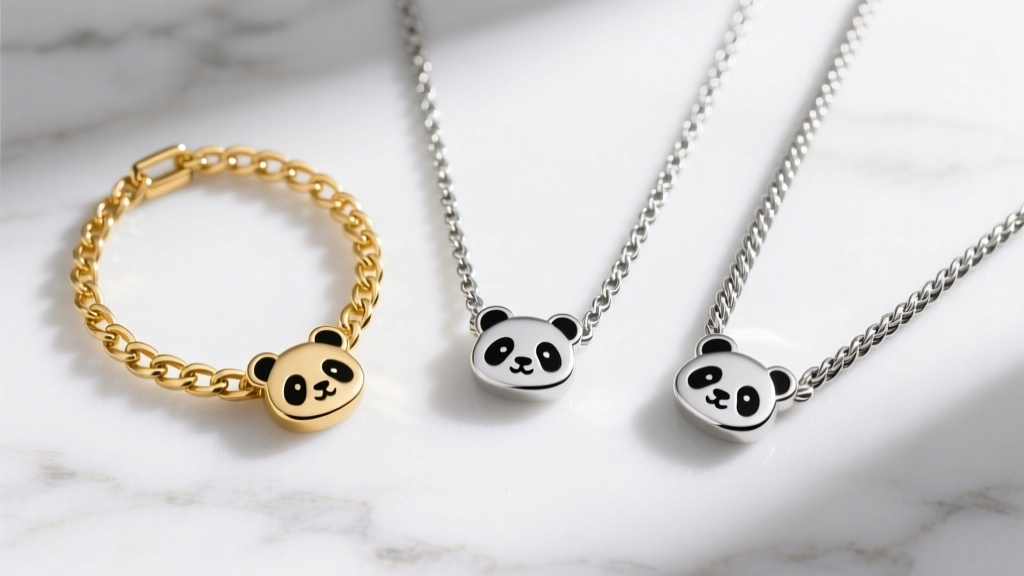
Maintenance Protocols for Longevity
To maintain the pristine condition of your panda bear necklace, avoid ultrasonic cleaners, especially if the piece features cold enamel or gemstone eyes (like onyx or black spinel). Ultrasonic vibrations can shatter glass-based vitreous enamel and shake gemstones loose from their prong settings. Instead, use a mild, phosphate-free dish soap and a soft-bristled baby toothbrush to gently clean the crevices around the panda's ears and eyes. Dry thoroughly with a microfiber cloth to prevent water spots on high-polish steel or rhodium-plated silver surfaces.
Final Verdict: Choosing Your Metal
If you want a heritage piece that can be passed down, invest in a solid 14k gold or heavy 18k gold vermeil panda pendant with vitreous enamel. For everyday, worry-free wear—especially for teenagers or active adults—a 316L stainless steel panda bear necklace offers unmatched scratch resistance and zero tarnish maintenance at a fraction of the cost. By prioritizing material integrity over fast-fashion aesthetics, you ensure your jewelry remains as timeless as the wildlife it represents.


