Panic Necklace Materials: Breakaway Force & Safety Properties
Compare panic necklace materials, breakaway clasp forces, and tensile strengths to choose the safest safety lanyard for your work environment.

What Defines a True Panic Necklace?
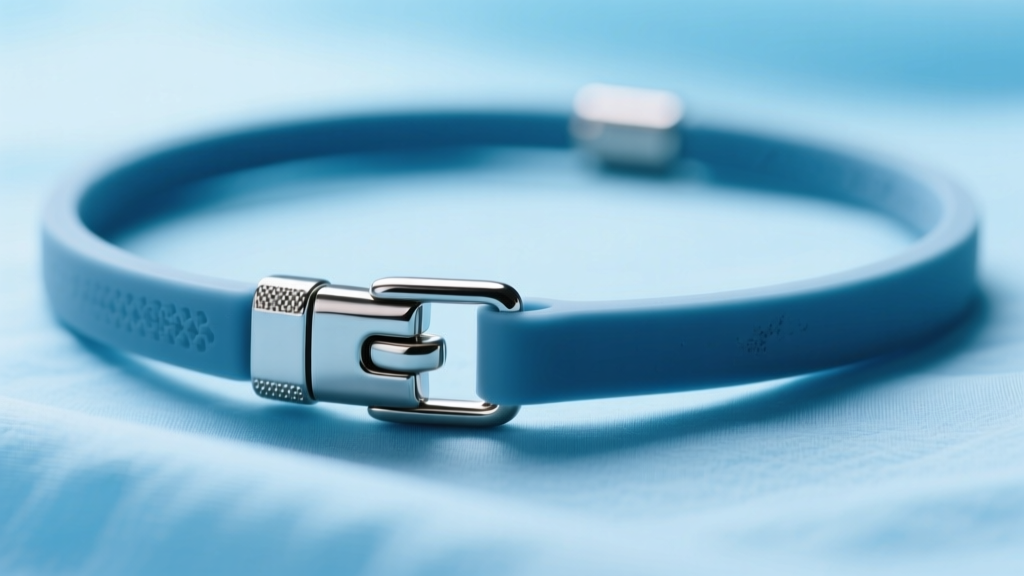
In high-risk environments such as psychiatric wards, special education classrooms, and industrial floors, a standard chain or cord necklace poses a severe strangulation hazard. A panic necklace (often referred to as a breakaway lanyard or safety necklace) is specifically engineered to snap open when subjected to a sudden, specific amount of tensile force. Unlike fashion jewelry, where structural integrity is the primary goal, the defining material property of a panic necklace is its calibrated failure point. Understanding the material science behind these breakaway mechanisms, cord polymers, and clasp housings is critical for safety officers, healthcare administrators, and individuals working in volatile environments.
The Physics of a Safe Release: Understanding Breakaway Force
The core metric for any panic necklace is its release threshold, measured in Newtons (N) or pounds of force (lbf). According to safety guidelines monitored by the Occupational Safety and Health Administration (OSHA), lanyards worn in environments with moving machinery or aggressive individuals must release before the force applied to the neck reaches a level that can cause tracheal damage or vascular occlusion.
A properly calibrated panic necklace clasp will disengage between 22 and 66 Newtons (5 to 15 lbs of force). If the release threshold is too high, the necklace fails its primary safety purpose. If it is too low (under 10 Newtons), the necklace will detach during routine daily movements, such as pulling a shirt over the head or catching the cord on a door handle, leading to user frustration and eventual abandonment of the safety gear.
Cord Material Breakdown: Tensile Strength vs. Snap Threshold
Because the clasp is designed to be the "weakest link" in the system, the cord material must possess a tensile strength vastly superior to the breakaway threshold. If the cord snaps before the clasp releases, the user is left with a dangerous, frayed ligature around their neck. Here is how the most common cord materials compare.
Medical-Grade Silicone (Platinum-Cured)
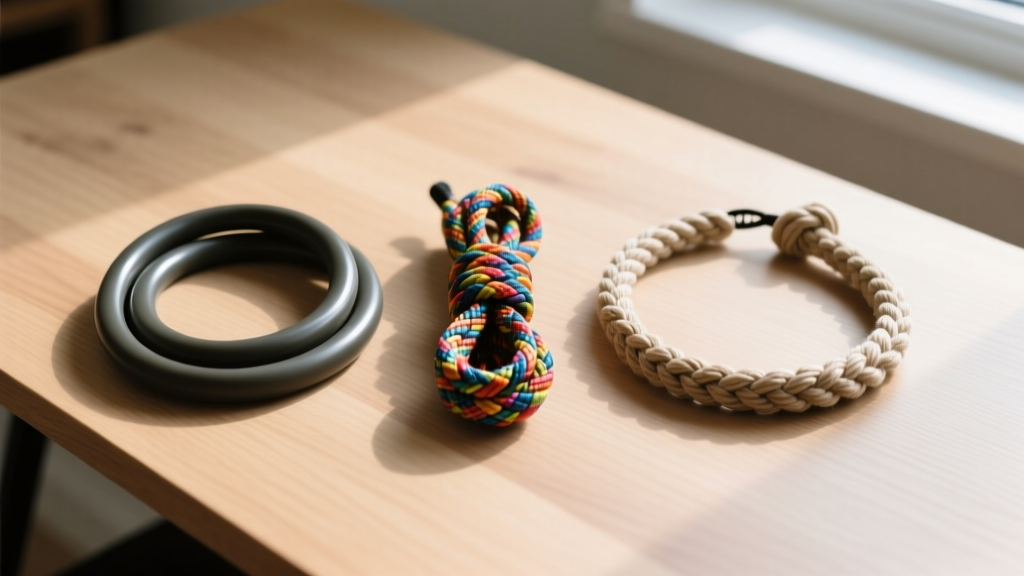
Platinum-cured silicone is the gold standard for healthcare environments. It typically features a Shore A durometer hardness of 40A to 50A, providing a soft, skin-like drape that resists tangling. From a safety perspective, high-quality silicone cord (usually 3mm to 4mm in diameter) boasts a tensile strength exceeding 1,200 PSI. More importantly, it is non-porous and can withstand repeated sterilization using 70% isopropyl alcohol or even autoclaving at 121°C without degrading. The U.S. Food and Drug Administration (FDA) recognizes specific grades of platinum silicone as biocompatible (ISO 10993 compliant), making it ideal for users with severe contact dermatitis.
Woven Paracord & Antimicrobial Nylon
Type III paracord (550 cord) is a staple in industrial and outdoor panic necklaces. Its nylon core and woven sheath provide a massive 550 lb (2,450 N) tensile strength, ensuring the cord will never snap under human-scale pulling forces. However, raw nylon is highly porous and harbors bacteria and sweat. For safety lanyards, manufacturers treat the nylon with silver-ion antimicrobial coatings. While paracord is exceptionally durable, its rougher texture can cause friction burns if the cord is dragged across the skin during a struggle before the clasp releases.
Braided Cotton & Bamboo Blends
Organic cotton and bamboo blends are occasionally used in low-risk sensory or anxiety necklaces. While highly breathable and soft, these natural fibers have significantly lower tensile strengths (often breaking around 40-60 lbs of force) and are highly susceptible to moisture retention. In a true panic situation involving heavy pulling, a cotton cord risks snapping outright rather than relying on the safety clasp, making it unsuitable for high-risk clinical or industrial applications.
The Breakaway Clasp: Magnetic vs. Mechanical Safety Snaps
The clasp is the true engineering marvel of the panic necklace. It must remain securely closed under the weight of heavy ID badges, keys, or trauma shears, yet separate instantly when lateral or downward force exceeds the safety threshold. ASTM International testing standards for breakaway hardware require these clasps to withstand thousands of micro-stress cycles without losing their calibrated release tension.
| Clasp Type | Housing Material | Release Mechanism | Avg. Release Force | Best Use Case |
|---|---|---|---|---|
| Neodymium Magnetic | ABS Plastic / Polycarbonate | N42 or N52 grade magnets held in tension grooves | 25 - 40 N (5.5 - 9 lbs) | Psychiatric wards, special education |
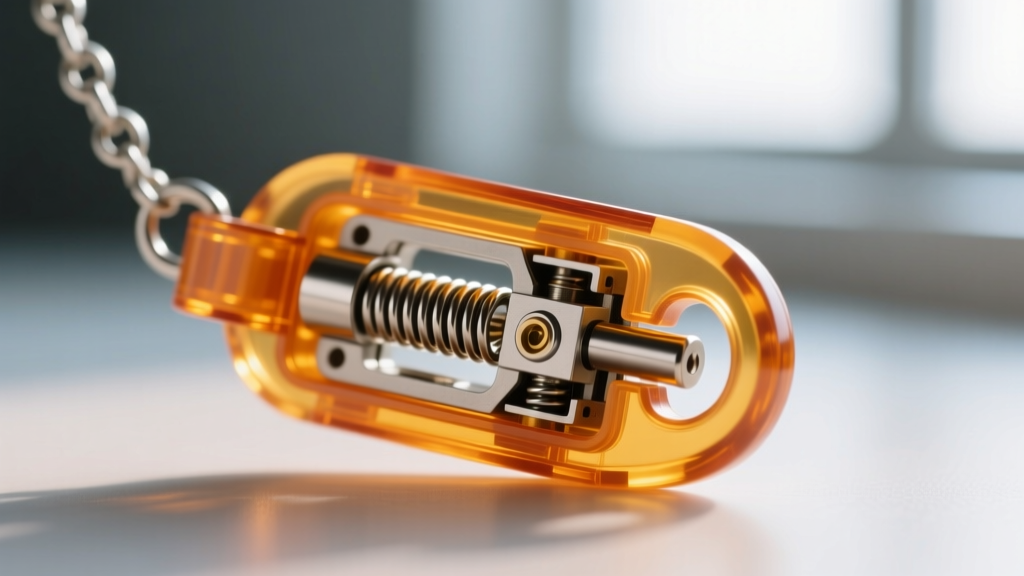
| Mechanical Snap | POM (Polyoxymethylene) | Spring-loaded internal pin and wedge | 45 - 65 N (10 - 14.5 lbs) | Industrial floors, law enforcement |
| Velcro / Hook-and-Loop | Nylon webbing | Friction-based fiber entanglement | 15 - 30 N (3.5 - 6.5 lbs) | Low-risk retail, temporary badges |
The Danger of Cheap Magnetic Clasps
Not all magnetic breakaways are created equal. Inferior panic necklaces use cheap ferrite magnets encased in brittle polystyrene. Over time, UV exposure and drops cause the plastic housing to micro-fracture. When a panic event occurs, instead of the magnets cleanly separating, the plastic housing shatters, creating sharp shrapnel near the user's face and neck. Always specify ABS (Acrylonitrile Butadiene Styrene) or Polycarbonate housings, which offer high impact resistance and will flex rather than shatter under sudden kinetic loads.
Biocompatibility and Internal Hardware Sensitivities
While the exterior of a mechanical breakaway clasp is usually injection-molded POM plastic, the internal spring and locking pin are often made of metal. In high-stress environments where the user is sweating heavily, the acidic nature of human perspiration (pH 4.5 to 7.0) can penetrate microscopic gaps in the clasp housing. If the internal spring is made of cheap nickel-plated steel, it will corrode, and nickel salts can leach out, causing severe allergic contact dermatitis on the user's chest and neck.
For users with known metal sensitivities, it is imperative to source panic necklaces that utilize 316L surgical stainless steel or titanium internal components. Though slightly more expensive, 316L steel contains molybdenum, which drastically increases its resistance to chloride corrosion from human sweat, ensuring the internal spring maintains its exact tension calibration over years of daily wear.
Environmental Degradation and Maintenance Protocols
A panic necklace is only safe if its materials have not degraded. Environmental factors heavily influence the lifespan of the polymers used in these safety devices:
- UV Degradation: Prolonged exposure to direct sunlight causes standard nylon and ABS plastics to undergo photo-oxidation, making them brittle. If your staff works outdoors, specify UV-stabilized polymers (often indicated by a black or dark grey colorway, as carbon black is an excellent UV inhibitor).
- Chemical Cleaning: Healthcare workers frequently wipe their gear with harsh quaternary ammonium compounds or bleach solutions. While POM plastics and silicone cords resist these chemicals well, polycarbonate magnetic housings will craze and crack when exposed to ammonia-based cleaners. Stick to 70% isopropyl alcohol for daily sanitization.
- Thermal Shock: Leaving a panic necklace on the dashboard of a car in the summer can expose the magnetic clasps to temperatures exceeding 80°C (176°F). While the plastic will survive, standard neodymium magnets begin to lose their magnetic flux density (demagnetize) at temperatures above 80°C, permanently lowering the breakaway threshold and causing the necklace to fall off unexpectedly.
Final Verdict: Matching Material to the Environment
Selecting the right panic necklace requires a precise alignment of material properties with the specific hazards of the environment. For clinical and psychiatric settings, a platinum-cured silicone cord paired with an ABS-housed N42 magnetic clasp offers the best balance of biocompatibility, sterilization capability, and low-force release. For industrial and law enforcement applications, a silver-ion treated paracord with a POM mechanical snap provides the necessary abrasion resistance and higher release threshold to prevent accidental drops while maintaining a critical anti-strangulation fail-safe. Never compromise on the housing material or internal spring grade; in a true panic situation, the calibrated failure of your jewelry is the only thing standing between a minor incident and a catastrophic injury.


