The Pave Heart Necklace: 2026 Trend & Style Guide
Discover how the pave heart necklace is evolving in 2026. Expert analysis on diamond settings, chain pairings, and styling this timeless romantic trend.

The Evolution of the Pave Heart Necklace
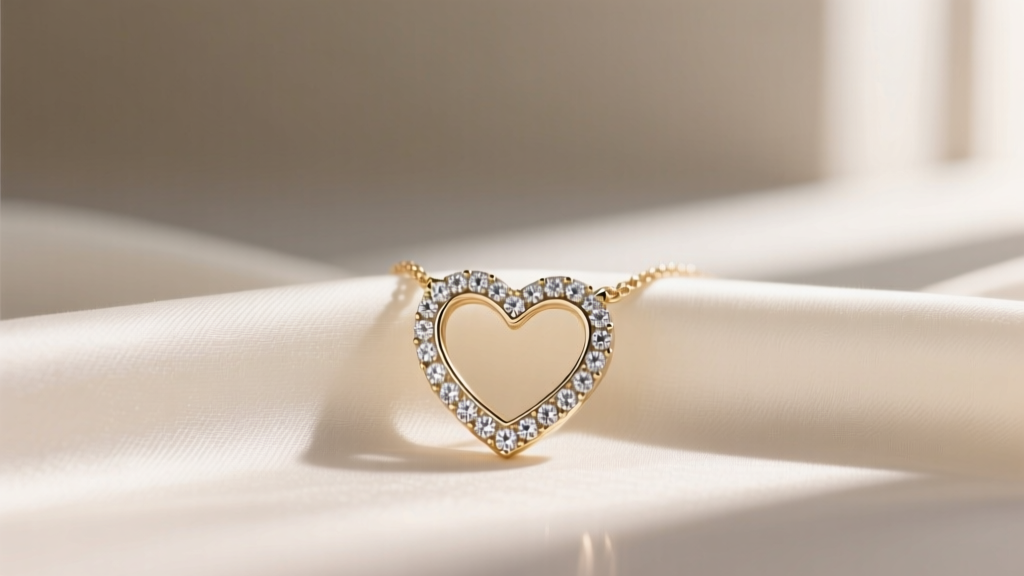
The pave heart necklace has transcended its origins as a simplistic token of affection to become a cornerstone of modern fine jewelry layering. As we navigate the style landscape of 2026, the trend has decisively shifted away from the oversized, heavily outlined Y2K heart motifs and the ubiquitous infinity-heart hybrids of the 2010s. Today, the focus is on architectural micro-pave designs, asymmetric silhouettes, and seamless metal integration. The modern pave heart is less about overt sentimentality and more about light return, geometric precision, and versatile everyday elegance.
Fashion historians and jewelry analysts note that the heart motif experiences a cyclical renaissance every decade. However, the 2026 iteration is defined by its subtlety. Designers are utilizing bezel-edged pave hearts, openwork negative space, and offset clefts to deconstruct the traditional shape. This evolution transforms the pave heart from a standalone statement piece into a highly functional component of a curated necklace stack.
Anatomy of a Modern Pave Heart Pendant
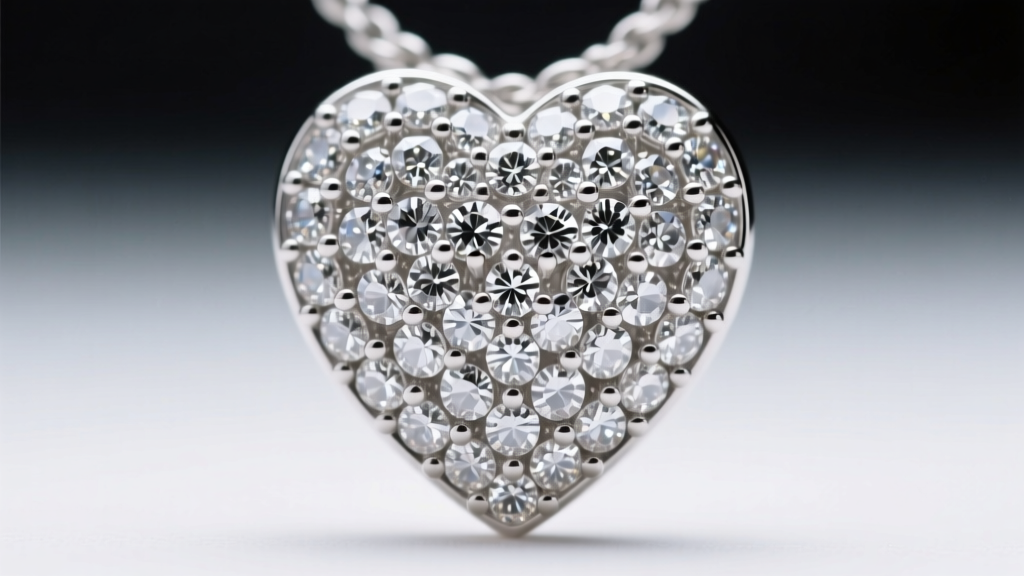
To truly appreciate the craftsmanship behind a premium pave heart necklace, one must understand the technicalities of the setting. The term "pave" (from the French word for "paved") refers to a setting where the surface is completely covered with small stones, creating a continuous field of brilliance. According to the Gemological Institute of America (GIA), authentic pave settings rely on small metal beads carved directly from the base metal to secure melee diamonds, minimizing the visibility of the metal itself.
The Heart Cleft and Point Challenges
Setting a heart shape presents unique structural challenges that separate mass-produced jewelry from fine craftsmanship. The inner V-shaped cleft of the heart is a notorious stress point. In lower-quality pieces, jewelers leave a bare metal gap at the cleft because standard round melee diamonds cannot fit into the sharp angle. High-end 2026 designs solve this by utilizing custom-cut marquise diamonds or precisely angled 1.3mm round brilliants to maintain the diamond "pavement" all the way to the center. Similarly, the bottom point of the heart requires a reinforced V-tip metal border to protect the terminal diamonds from chipping during daily wear.
Bead Set vs. Micro-Pave
While often used interchangeably by retailers, traditional bead-set pave and micro-pave differ in execution. Traditional bright-cut pave uses a graver to carve four distinct beads per stone, offering maximum security for active lifestyles. Micro-pave uses extremely tiny shared prongs, allowing for a higher density of stones (often 0.005 to 0.01 carats each) and greater flexibility in curved heart silhouettes. However, micro-pave requires more frequent maintenance, as the minuscule prongs are more susceptible to wear and snagging.
2026 Material & Pricing Matrix
The choice of metal and diamond origin drastically alters both the aesthetic and the investment value of a pave heart necklace. Below is a comprehensive breakdown of the current market standards and pricing tiers for a standard 0.50 TCW (Total Carat Weight) pave heart pendant.
| Material Combination | Melee Type | Avg. TCW | Estimated Price Range | Durability & Notes |
|---|---|---|---|---|
| Platinum / Natural Earth-Mined | VS Clarity, G-H Color | 0.50 - 0.75 | $1,800 - $3,200 | Highest durability; metal displaces rather than flakes, securing stones longer. |
| 18k White Gold / Lab-Grown | VVS-VS Clarity, E-F Color | 0.50 - 0.75 | $800 - $1,400 | Requires rhodium re-plating every 12-18 months to maintain bright white reflection. |
| 14k Yellow Gold / Natural | SI1 Clarity, I-J Color | 0.30 - 0.50 | $1,100 - $1,900 | Warm metal masks lower color grades; excellent for vintage-inspired aesthetics. |
| 14k Rose Gold / Moissanite | Colorless (D-E) | 0.50 - 0.75 | $400 - $750 | High brilliance but lacks diamond scintillation; rose gold complements all skin tones. |
Chain Pairings and Layering Frameworks
A pave heart pendant is only half the equation; the chain dictates how the piece sits and interacts with other jewelry. Because micro-pave settings are delicate, they require chains that do not generate excessive friction or feature aggressive links that can catch on the tiny prongs.
- The Ideal Match (Box Chains & Fine Cable): A 1.0mm to 1.2mm solid box chain or a fine 14-inch cable chain provides a smooth, frictionless surface that protects the pave setting while offering enough tensile strength to hold the pendant securely.
- The Danger Zone (Rope & Herringbone Chains): Avoid pairing micro-pave hearts with rope or herringbone chains. The twisted links and flat, scale-like surfaces act like microscopic files against the metal beads of the pave setting, accelerating prong wear and increasing the risk of stone loss.
- The 2026 Layering Stack: The current trend favors the "V-Formation" stack. Anchor your look with a 14-inch solid gold choker, follow with your 16-inch pave heart necklace, and finish with an 18-inch or 20-inch elongated pendant (such as a solitaire pear or emerald cut). This creates a cascading visual line that draws the eye downward without tangling the delicate heart cleft.
Neckline Matching Guide
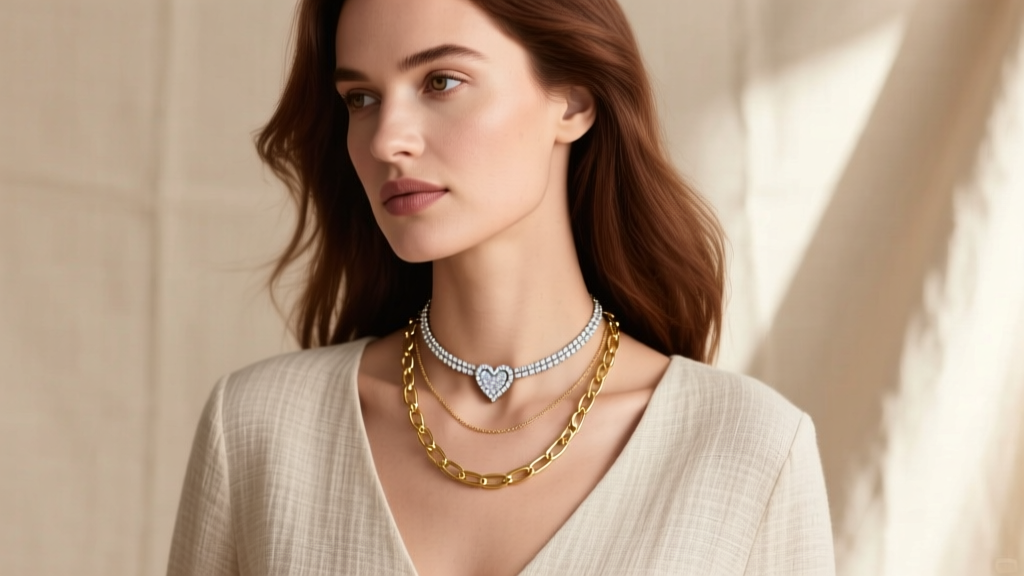
Styling a pave heart necklace requires an understanding of geometric harmony. The heart shape inherently creates a downward-pointing triangle, which should either complement or intentionally contrast with your neckline.
V-Neck and Wrap Tops: This is the most harmonious pairing. The pave heart should sit roughly one inch above the apex of the V-neck to echo the garment's geometry without getting lost in the fabric folds. Opt for a 16-inch princess length for this silhouette.
Crewnecks and High Collars: To prevent the necklace from looking choked, wear the pave heart as a deliberate contrast piece. Choose a shorter 14-inch or 15-inch chain so the heart rests entirely above the collarbone, acting as a sparkling focal point against the solid block of fabric.
Off-the-Shoulder and Square Necks: These necklines expose a wide canvas of the décolletage. Here, a longer 18-inch pave heart necklace works beautifully, especially when layered with a delicate lariat or a secondary, smaller geometric pendant to fill the negative space.
Maintenance and Care Realities
The most common failure mode for pave jewelry is the gradual loss of melee diamonds due to metal degradation. The Jewelers of America strongly advises specific care protocols for micro-set jewelry. Never place a pave heart necklace in an ultrasonic cleaner. The high-frequency vibrations can easily shake loose the microscopic metal beads holding the 1.3mm diamonds in place. Furthermore, harsh chemical dips used for silver or gold cleaning can strip the rhodium plating on white gold, exposing the yellowish alloy beneath and dulling the perceived whiteness of the diamond melee.
"The longevity of a pave setting is directly tied to the wearer's maintenance habits. A soft-bristled brush, mild dish soap, and lukewarm water remain the gold standard for cleaning micro-pave hearts without compromising the structural integrity of the prongs."
To ensure your pave heart necklace remains a staple in your 2026 wardrobe and beyond, schedule a professional prong-tightening and ultrasonic inspection with a certified bench jeweler every six months. By understanding the anatomy, material choices, and styling frameworks of this iconic motif, you elevate the pave heart from a simple romantic gesture to a masterclass in modern jewelry curation.


