2026 Peach Necklace Value Guide: Morganite vs Sapphire
Discover the true value of a peach necklace in 2026. Compare pricing, durability, and investment potential of peach morganite, sapphire, and moonstone.

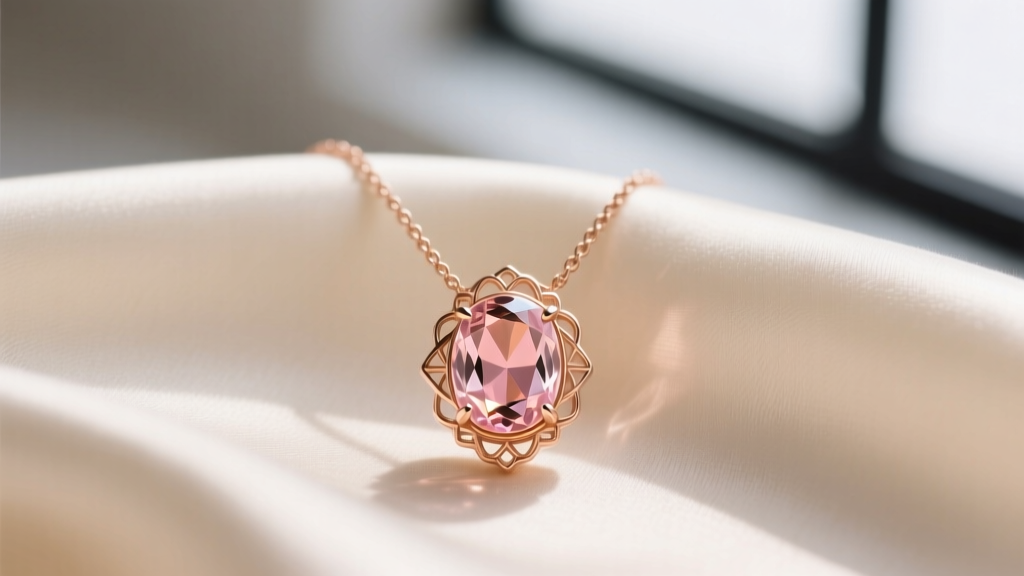
The 2026 Peach Gemstone Market: Why Prices Are Shifting
The demand for warm, pastel-toned jewelry has cemented the peach necklace as a staple in contemporary fine jewelry collections. However, as we navigate the 2026 market, the term "peach" is applied to a wide spectrum of materials—ranging from $40 dyed quartz to $15,000 untreated padparadscha-adjacent sapphires. For consumers and collectors alike, understanding the true value assessment of these gemstones is critical to avoid overpaying for treated stones or misidentified materials. The surge in lab-grown alternatives and advanced lattice diffusion treatments has made visual inspection alone entirely unreliable. This guide breaks down the exact material grades, pricing tiers, and structural considerations you need to evaluate before purchasing a peach-colored pendant or chain.
Material Breakdown: What Are You Actually Paying For?
The color "peach" is not a gemological classification; it is a commercial color descriptor. Therefore, the value of your necklace depends entirely on the underlying mineral species, its hardness on the Mohs scale, and any artificial enhancements it has undergone.
Peach Morganite (The Popular Choice)
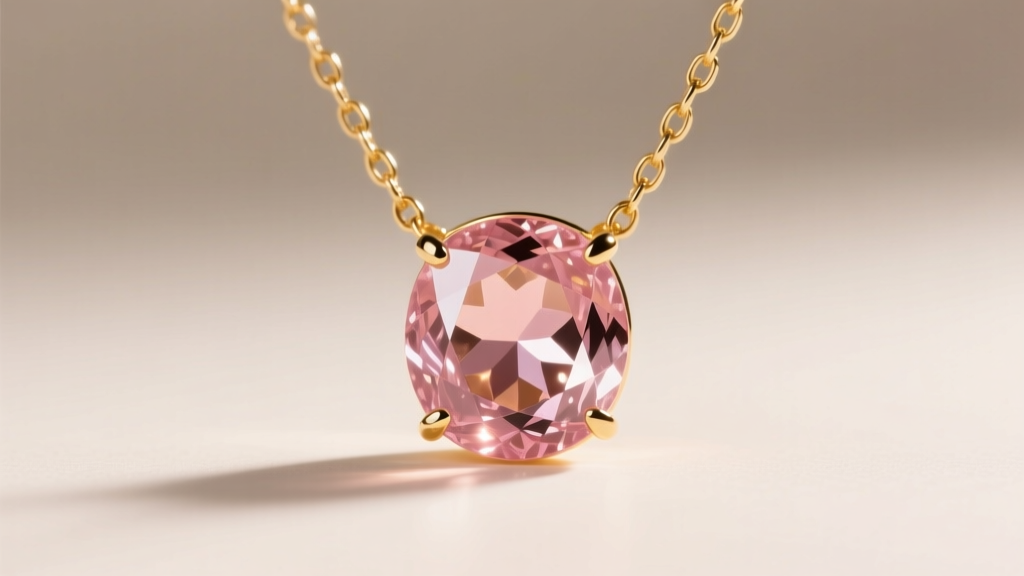
Morganite, a variety of beryl, is the most common gemstone marketed as "peach." With a Mohs hardness of 7.5 to 8, it is durable enough for daily wear but requires care to prevent surface abrasion. The critical value factor here is heat treatment. According to the Gemological Institute of America (GIA), the vast majority of commercial morganite is heated to approximately 400°C to eliminate yellow or brown zoning, resulting in a pure, saturated peach or pink hue. This treatment is stable and universally accepted, meaning treated stones should not command a premium. However, unheated, naturally pure peach morganite from specific Madagascar or Brazilian mines carries a 30% to 45% premium among collectors. Expect to pay between $150 and $450 per carat for high-clarity, well-cut commercial peach morganite, while unheated specimens can push past $800 per carat.
Peach Sapphire (The Premium Investment)
Corundum (sapphire) offers superior durability with a Mohs hardness of 9, making it the ultimate choice for an heirloom peach necklace. True "peach" sapphires sit on the borderline between pink and orange. It is vital to distinguish a standard peach sapphire from a certified Padparadscha sapphire, which requires a strict 40-60% pink-to-orange ratio and commands astronomical prices ($3,000 to $10,000+ per carat). A standard light peach sapphire typically ranges from $600 to $1,500 per carat. The primary value destroyer in this category is beryllium lattice diffusion—a treatment that introduces color into pale sapphires. Always demand a report from a top-tier lab confirming "No indications of heating" or "No beryllium diffusion" to protect your investment.
Peach Moonstone (The Budget Alternative)
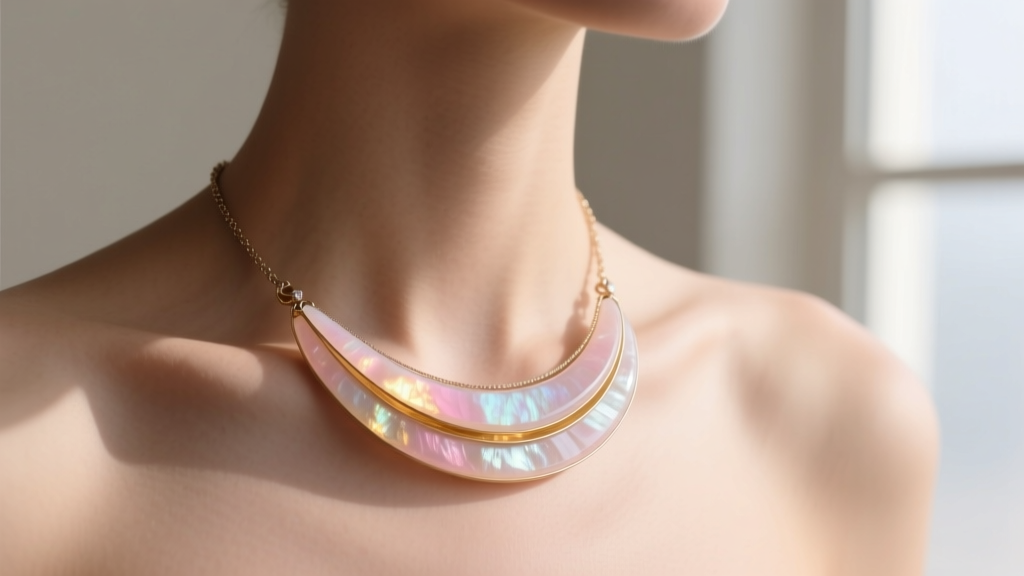
For buyers prioritizing aesthetics over investment retention, peach moonstone (a variety of orthoclase feldspar) offers a beautiful, ethereal alternative. Valued for its adularescence—the billowy light effect that seems to float just below the surface—peach moonstone is highly affordable, typically ranging from $15 to $60 per carat. The trade-off is durability. With a Mohs hardness of 6 to 6.5 and perfect cleavage in two directions, moonstone is highly susceptible to chipping if struck against a hard surface. It is best reserved for occasional wear or set in protective bezel settings rather than exposed prong mounts.
2026 Price Tier Comparison Chart
To provide a clear budget framework, the table below outlines the expected retail pricing for a standard 14k solid gold pendant necklace featuring a 2.5-carat center stone across the three primary peach gemstones.
| Gemstone Material | Mohs Hardness | Typical Treatments | Est. Necklace Retail (2.5ct) | Investment Retention |
|---|---|---|---|---|
| Peach Moonstone | 6.0 - 6.5 | None (Rarely coated) | $250 - $450 | Low (Depreciates) |
| Peach Morganite | 7.5 - 8.0 | Heat (Standard) | $800 - $1,800 | Medium (Stable) |
| Peach Sapphire | 9.0 | Heat / Beryllium Diffusion | $2,500 - $5,500+ | High (Appreciates if untreated) |
How to Spot Overpriced "Peach" Necklaces
The jewelry market is saturated with deceptive simulants marketed under misleading trade names. When conducting your value assessment, actively screen for the following red flags:
- Dyed Quartz or Chalcedony: Often sold as "peach jade" or "peach aventurine." Under a 10x loupe, you will see dye concentrated in the microscopic fractures and grain boundaries of the stone. Value: Under $10 per carat.
- Peach Glass / Paste: Frequently found in vintage-style or fast-fashion necklaces. Glass will contain spherical gas bubbles and exhibit conchoidal fracture patterns. It lacks the refractive brilliance of crystalline structures.
- Synthetic Spinel: Flame-fusion synthetic spinel can be manufactured in a flawless, vibrant peach color. It is entirely lab-created and should cost a fraction of natural beryl or corundum. A polariscope test will reveal its single refractive nature, unlike doubly refractive morganite.
"Always request a gemological report for any peach sapphire or premium morganite necklace priced over $1,500. Relying solely on a jeweler's in-house appraisal without independent lab verification is a significant financial risk in today's market." — American Gem Society Buying Guidelines
Setting Metals and Chain Gauges: Hidden Cost Factors
The value of a peach necklace is not solely dictated by the center stone; the hardware and precious metal allocation significantly impact both the price and the longevity of the piece.
Metal Selection and Color Theory
Peach gemstones interact differently with various metal alloys. Rose gold (typically 14k or 18k) is the industry standard for morganite, as the copper alloy amplifies the stone's warm pink-orange body color. However, 18k rose gold contains 75% pure gold, making it softer and more prone to scratching than 14k rose gold (58.5% pure gold). For a daily-wear pendant, 14k solid gold offers the optimal balance of color, durability, and cost. White gold or platinum provides a high-contrast, modern backdrop that makes the peach hue pop, though platinum will add 20% to 30% to the total setting cost due to its density and higher melting point requirements.
Chain Gauge and Clasp Mechanics
A common failure point in budget necklaces is an undersized chain paired with a heavy pendant. If your peach morganite or sapphire pendant weighs more than 4 grams (including the metal setting), avoid delicate chains under 1.0mm in thickness.
- 0.8mm - 1.0mm Cable Chain: Suitable only for lightweight moonstones or small enamel pendants (under 2.5 grams).
- 1.2mm - 1.5mm Rope or Box Chain: The ideal sweet spot for 2-carat to 4-carat morganite and sapphire pendants. Box chains offer superior tensile strength and resist kinking compared to snake chains.
- Clasp Hardware: Insist on a solid 14k lobster clasp. Spring-ring clasps are cheaper to manufacture but feature internal steel springs that will eventually rust or fail, risking the loss of your investment.
Final Verdict: Maximizing Your Budget
Evaluating the true cost of a peach necklace requires looking past the aesthetic appeal and scrutinizing the gemological data. If your goal is an affordable, fashion-forward piece for occasional wear, a well-cut peach moonstone set in 14k gold vermeil or solid 10k gold offers exceptional visual value under $400. For buyers seeking an engagement-grade pendant or a lifelong heirloom, untreated peach sapphires and unheated morganites represent the pinnacle of value retention. By demanding lab reports, understanding the realities of heat treatment, and investing in proper chain gauges, you ensure that your 2026 jewelry purchase is both structurally sound and financially justified.


