Bracha Initial Necklace Material Guide: Gold vs Silver
Compare metals for your Bracha initial necklace. We analyze 14k gold, sterling silver, and vermeil for durability, tarnish, and daily wear.

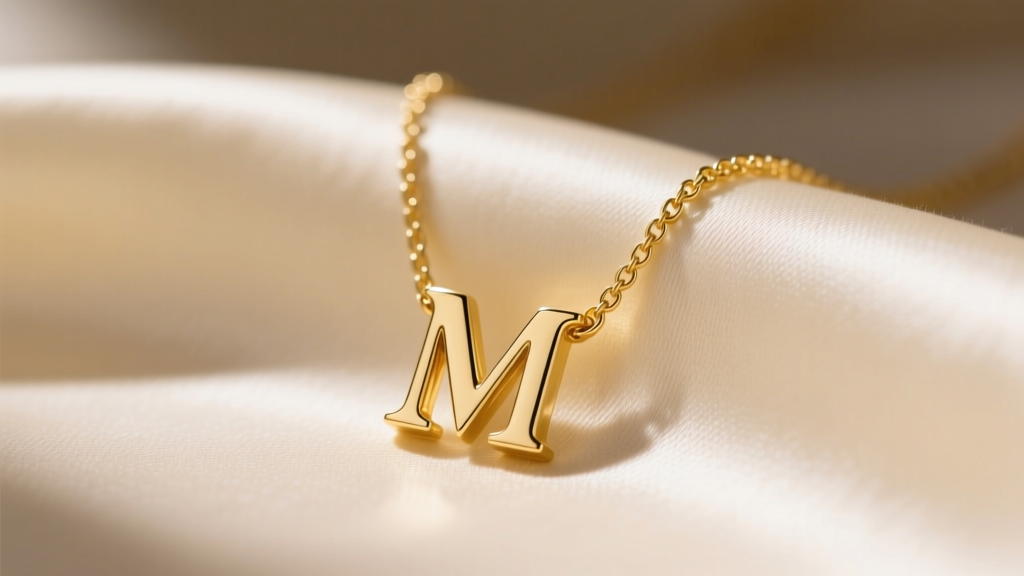
The Metallurgy of Personalized Jewelry
When investing in a personalized piece like a Bracha initial necklace, the aesthetic appeal of the typography is only half the equation. The underlying metallurgical properties of the chosen metal dictate the pendant's longevity, especially considering that initial pendants often feature intricate serif or script fonts with hairline downstrokes. These delicate structural points are highly susceptible to bending, snapping, or wearing through if the alloy lacks sufficient tensile strength. In this comprehensive material guide, we dissect the exact compositions, hardness ratings, and failure modes of the most common metals used in initial necklaces, providing you with a data-driven framework to make your selection.
14k Solid Gold: The Premium Benchmark
For daily wear, 14k solid gold remains the undisputed standard for fine initial pendants. Pure 24k gold is far too soft (Vickers hardness of ~25 HV) for delicate jewelry, so it is alloyed with other metals to increase durability. 14k gold consists of exactly 58.5% pure gold, with the remaining 41.5% comprising copper, silver, and zinc. This specific alloy ratio yields a Vickers hardness of approximately 120-140 HV, providing the necessary rigidity to support the thin strokes of cursive or block-letter initial pendants without warping.
Color Variations and Alloy Impacts
- Yellow Gold: Alloyed primarily with copper and silver. It offers the highest tarnish resistance among the gold colors and requires the least maintenance.
- White Gold: Traditionally alloyed with nickel to achieve a silvery hue, then plated with rhodium. However, nickel can cause allergic contact dermatitis. For sensitive skin, seek out palladium-alloyed white gold, which is naturally hypoallergenic and does not require rhodium plating, though it typically commands a 15-20% price premium.
- Rose Gold: Contains a higher copper content (up to 20% or more). While beautiful, the high copper ratio makes it slightly more prone to surface oxidation and patina development over years of wear.
According to the Gemological Institute of America (GIA), 14k gold provides the optimal balance between precious metal value and structural integrity, making it ideal for heirloom-quality initial necklaces priced between $150 and $350.
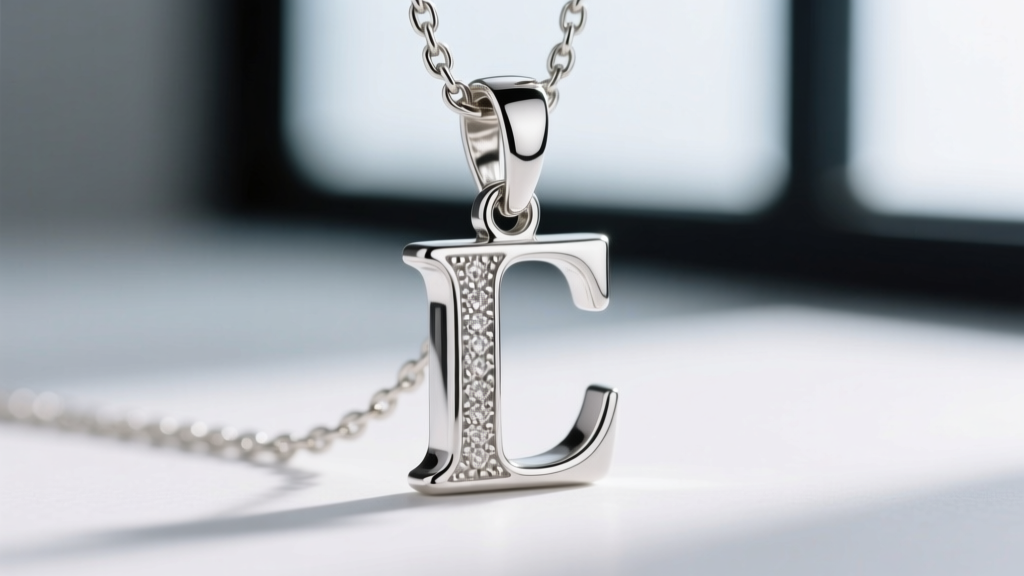
Sterling Silver and the Rhodium Factor
Sterling silver (.925) is an alloy of 92.5% pure silver and 7.5% copper. While it offers an accessible entry point (typically $45 to $90 for an initial pendant), the copper content introduces a significant vulnerability: tarnish. When copper reacts with sulfur compounds in the air and human sweat, it forms silver sulfide, resulting in a dark, dull patina.
The Role of Rhodium Plating
To mitigate tarnishing and enhance scratch resistance, high-quality sterling silver Bracha initial necklaces are often electroplated with rhodium, a platinum-group metal. The thickness of this plating is critical. A standard flash plate is a mere 0.01 to 0.05 microns thick and will wear off within months of daily friction. For lasting protection, look for jewelers who apply a minimum of 0.1 to 0.5 microns of rhodium. However, once this layer inevitably wears away on the high-friction edges of the initial letter, the underlying silver will require regular polishing with a treated jeweler's cloth to maintain its luster.
Gold Vermeil vs. Standard Gold Plating
Consumers frequently confuse gold vermeil with standard gold plating, a distinction that drastically affects the lifespan of an initial necklace. The Federal Trade Commission (FTC) strictly regulates these terms in the United States.
Vermeil (pronounced ver-MAY) must consist of a .925 sterling silver base coated with a minimum of 10k gold that is at least 2.5 microns thick. Standard gold plating, conversely, often uses a brass or copper base with a microscopic gold layer (under 0.5 microns) that will quickly rub off, exposing the base metal and potentially causing severe skin discoloration or allergic reactions.
If you are purchasing a gold-toned Bracha initial necklace on a budget ($70 to $130), vermeil is the only acceptable alternative to solid gold. The thick 2.5-micron layer ensures the gold tone survives years of wear, provided it is not exposed to harsh chemicals or abrasive polishing.
Material Comparison Matrix
Use the following data table to compare the physical and economic properties of the primary metals used in initial pendants.
| Metal Type | Composition | Vickers Hardness (HV) | Tarnish Resistance | Average Price Range |
|---|---|---|---|---|
| 14k Yellow Gold | 58.5% Gold, Copper, Silver | 120 - 140 | Excellent | $150 - $350 |
| 14k White Gold | 58.5% Gold, Nickel/Palladium | 130 - 150 | Excellent | $170 - $400 |
| Sterling Silver | 92.5% Silver, 7.5% Copper | 60 - 70 | Poor (Without Plating) | $45 - $90 |
| Gold Vermeil | .925 Silver Base, 2.5μm Gold | 60 - 70 (Base) | Good (Until Plating Wears) | $70 - $130 |
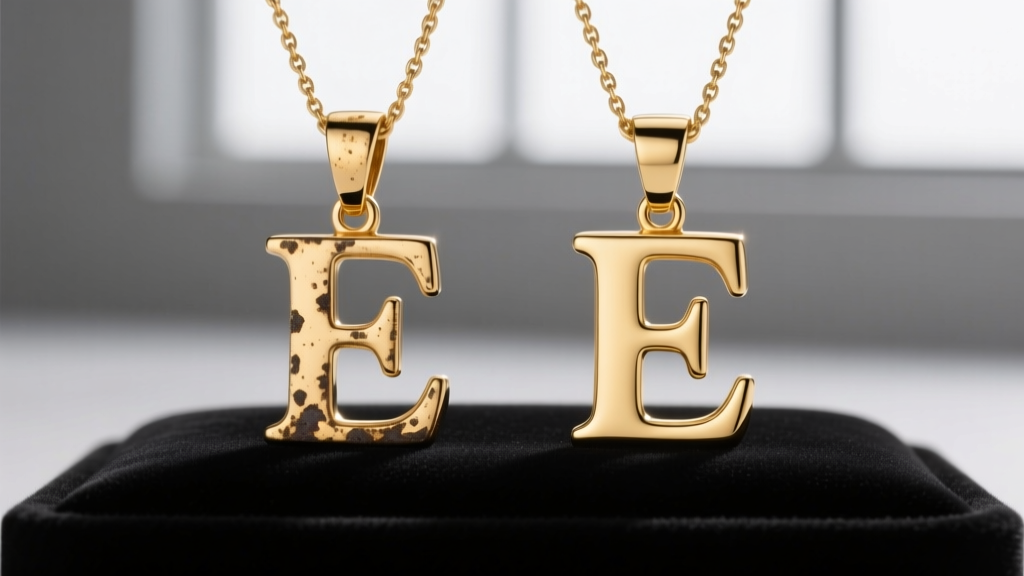
Chain Gauge and Clasp Mechanics
The pendant is only as secure as the chain it hangs from. For a standard Bracha initial pendant, which typically weighs between 1.5 and 3.5 grams, the chain must offer a balance of delicate aesthetics and structural resilience.
Optimal Chain Dimensions
Avoid chains thinner than 0.7mm, as they are prone to kinking and snapping under the pendulum motion of a walking wearer. The optimal specification is a 0.9mm to 1.2mm cable or box chain. Cable chains are classic and allow the initial pendant to lay flat, while box chains offer slightly higher tensile strength due to their interlocking square links.
The Clasp Failure Point
The most common point of failure in personalized necklaces is the clasp. Spring ring clasps, often used to cut costs on silver and vermeil pieces, feature a tiny internal spring that frequently degrades or snaps. Always upgrade to or verify the inclusion of a lobster claw clasp (specifically the 5x9mm or 6x10mm size for delicate chains). Lobster clasps utilize a more robust tension mechanism and are significantly less likely to accidentally unhook when catching on clothing.
Care and Maintenance by Metal Type
Proper maintenance extends the life of your initial necklace, but the protocol varies strictly by material:
- Solid Gold: Clean with warm water, a few drops of mild dish soap, and a baby-soft toothbrush. Ultrasonic cleaners are safe for plain metal initials but should be avoided if your initial features pavé-set diamonds, as the vibrations can loosen the micro-prongs.
- Sterling Silver: Store in an anti-tarnish cloth pouch (impregnated with silver nitrate to absorb ambient sulfur). Use a Jewelers of America recommended polishing cloth for surface oxidation. Never use liquid silver dips, as they strip the protective rhodium plating.
- Gold Vermeil: Wipe gently with a damp microfiber cloth after wear to remove sweat and body oils, which can degrade the gold layer. Never use abrasive polishing cloths on vermeil, as you will polish the gold right off the silver base.
By understanding the precise metallurgical properties and structural requirements of your jewelry, you can select a Bracha initial necklace that not only beautifully displays your personal monogram but also withstands the rigors of daily wear for decades to come.


