How to Choose the Perfect Flower Graduation Necklace (2026 Guide)
Discover how to choose, style, and care for a flower graduation necklace. Explore birth flowers, metal grades, and layering tips for the class of 2026.

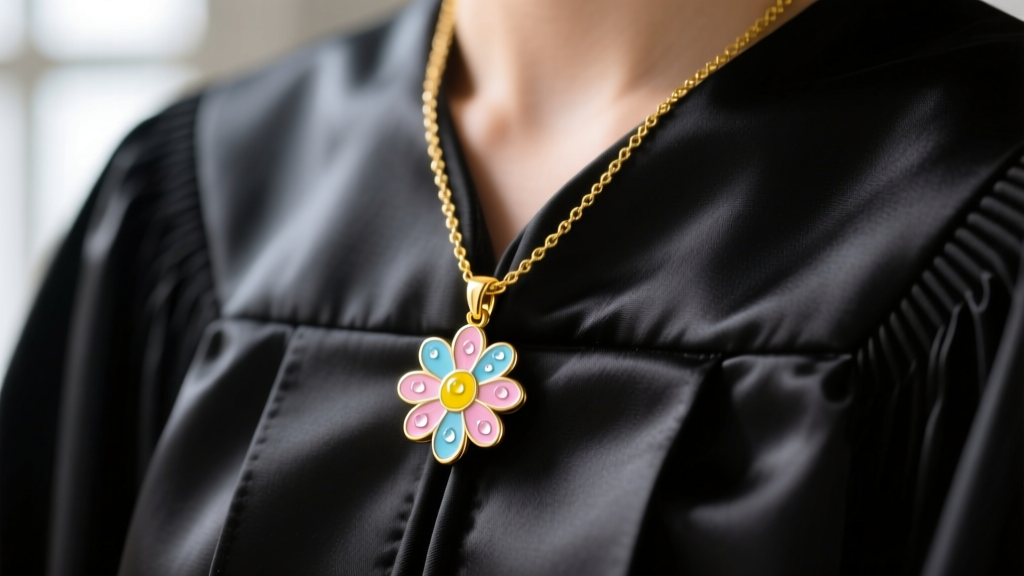
Why a Flower Graduation Necklace is the Ultimate 2026 Milestone Gift
The traditional class ring is rapidly losing its monopoly on graduation jewelry. As the class of 2026 prepares to transition from campus life to professional careers, graduates are seeking milestone pieces that are versatile, deeply personal, and suitable for everyday wear. Enter the flower graduation necklace. Unlike bulky signet rings or institutional crests, a botanical pendant offers a subtle, elegant nod to personal growth, new beginnings, and individual identity. Whether you are shopping for yourself or searching for a meaningful gift for a graduate, understanding the nuances of floral symbolism, metal durability, and chain mechanics is crucial for selecting a piece that will survive the post-grad hustle.
Decoding Floral Symbolism: Birth Flowers vs. School Colors
When selecting a floral motif, you generally have two distinct routes: personal birth flowers or institutional school colors. Both carry weight, but they serve different stylistic purposes.
The Birth Flower Route
Birth flowers have surged in popularity, offering a highly personalized alternative to birthstones. They are particularly favored for their delicate, organic aesthetics. Here is a quick reference for the most common graduation season birth flowers:
- May (Lily of the Valley): Symbolizes sweetness and humility. Often cast in intricate, bell-shaped 3D silhouettes.
- June (Rose & Honeysuckle): Represents love and devotion. Rose pendants are widely available, making it easy to find high-quality, detailed castings.
- August (Poppy & Gladiolus): Signifies strength and imagination. Poppies translate beautifully into enameled pendants due to their broad, overlapping petals.
- September (Aster): Denotes wisdom and valor. The star-like geometry of the aster makes it a striking, modern pendant choice.
The Alma Mater Palette
If the goal is to commemorate the university experience, jewelers often utilize floral designs that incorporate school colors via gemstones or enamel. For example, a gold sunflower pendant featuring a tiny sapphire center can subtly represent a school with blue and gold colors without resorting to a literal logo.
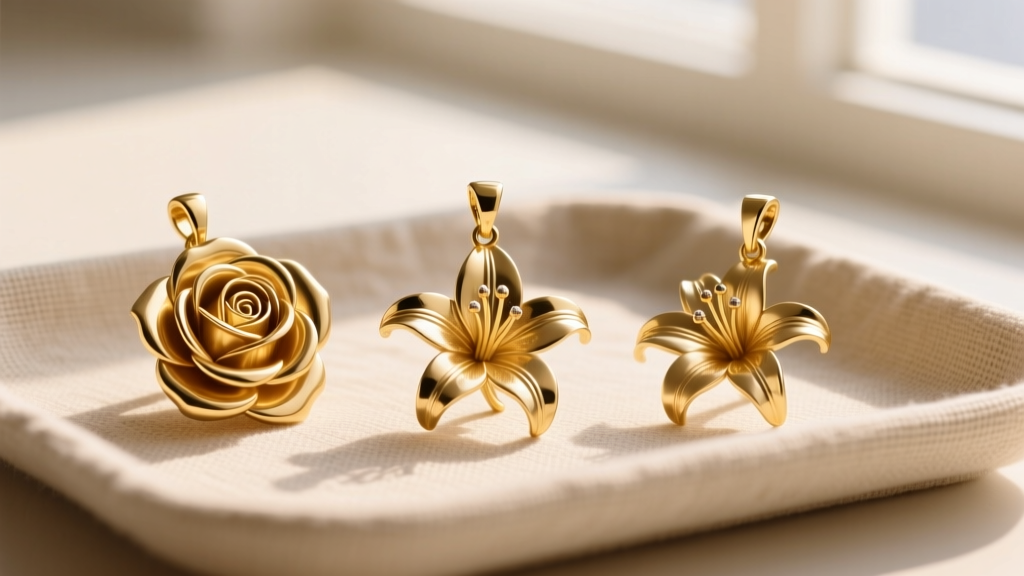
Metal Grades and Durability: What Survives Post-Grad Life?
A graduation necklace is meant to be worn daily, often transitioning from entry-level interviews to evening networking events. The metal you choose dictates the lifespan of the piece. Beware of 'gold-plated' brass or copper bases; the failure mode here is rapid oxidation, where the base metal reacts with skin acidity, turning the graduate's neck green within weeks.
Understanding Gold Vermeil vs. Solid Gold
According to the Federal Trade Commission (FTC), for a piece to be legally marketed as 'gold vermeil' in the US, it must have a sterling silver base and be plated with at least 2.5 microns of 10k or higher gold. Anything less is considered 'flash plating' and will wear off within three to six months of daily friction. For a true lifetime piece, 14k solid gold (58.5% pure gold) remains the undisputed champion. It offers the perfect balance of rich color and structural hardness, resisting the dents and scratches that plague softer 18k or 24k gold.
| Metal Type | Avg. Price Range | Durability | Best For |
|---|---|---|---|
| 925 Sterling Silver | $35 - $80 | Medium (Tarnishes) | Budget-friendly, occasional wear |
| Gold Vermeil (2.5μm+) | $85 - $160 | Medium-High | Daily wear (1-3 years before replating) |
| 14k Solid Gold | $350 - $800+ | Very High | Lifetime daily wear, showering, swimming |
| Platinum | $900 - $1,500+ | Extreme | Heirloom pieces, heavy pendants |
Enamel Types: Cold vs. Vitreous
Many flower graduation necklaces utilize enamel to add vibrant color to the petals. It is vital to know which type of enamel is being used. Cold enamel is essentially a two-part epoxy resin. It is cheaper to produce but has a high failure rate regarding UV exposure; it will yellow and become brittle after a year of direct sunlight. Vitreous enamel, on the other hand, is powdered glass fired at over 1,400°F. It is completely UV resistant, scratch-proof, and will maintain its glass-like luster for decades. Always check the product specifications or ask the jeweler directly which method they employ.
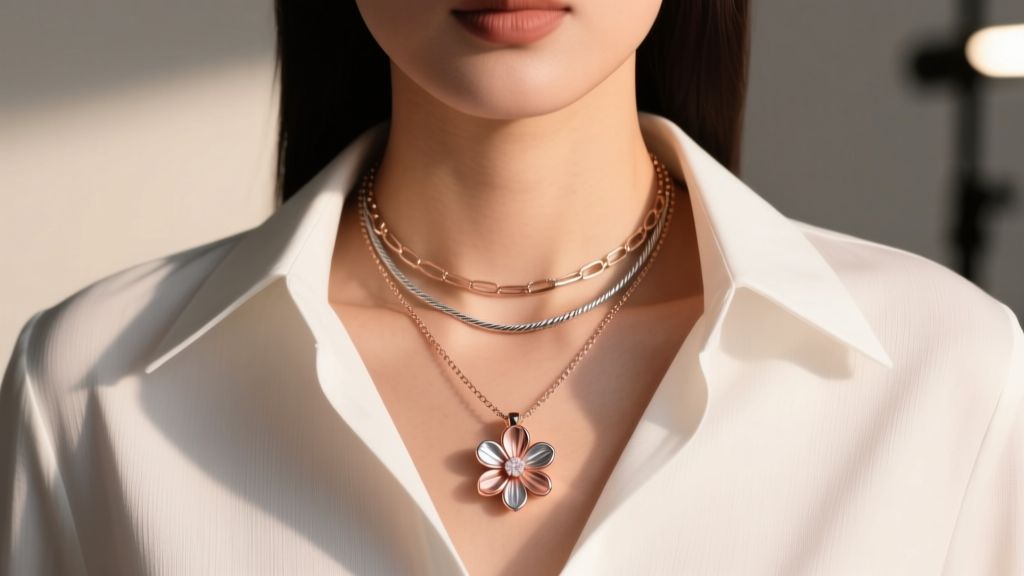
Sizing, Chain Styles, and Layering Mechanics
The architecture of the chain is just as important as the pendant itself. For a floral pendant measuring between 10mm and 15mm, you need a chain that provides structural support without visually overpowering the delicate botanical details.
Chain Width and Clasp Hardware
A 1.0mm to 1.2mm cable chain or box chain is the ideal gauge for lightweight floral pendants. Avoid rope chains, as their twisted grooves trap lotions, perfumes, and dead skin cells, making them notoriously difficult to clean. Furthermore, pay attention to the clasp. Standard lobster clasps can snag on silk graduation gowns and delicate blouses. Opt for a seamless spring ring or a hidden magnetic clasp for a frustration-free experience.
The Art of the Post-Grad Layering Stack
Floral pendants are inherently versatile, making them excellent anchor pieces for a layered necklace stack. To achieve a balanced, professional look for the office, follow the 2-inch rule: ensure there is at least a 2-inch length difference between each chain to prevent the clasps and pendants from tangling. A highly effective 2026 layering formula includes:
- 16-inch Choker: A simple 1.5mm herringbone or snake chain sitting flush against the collarbone.
- 18-inch Princess: Your 12mm flower graduation necklace on a delicate cable chain.
- 20-inch Matinee: A slightly heavier pendant, such as a small gold hoop or a minimalist bar, to draw the eye downward.
Stylist Tip: When layering mixed metals, use your floral pendant as the bridge. A two-tone pendant featuring both yellow gold petals and a white gold center stone effortlessly ties a mixed-metal stack together without looking chaotic.
Care and Maintenance: Preserving the Memory
Proper maintenance ensures your flower graduation necklace remains a pristine reminder of your achievements. The Gemological Institute of America (GIA) strongly advises against using ultrasonic cleaners on any jewelry featuring enamel, pearls, or porous gemstones like opals or turquoise, as the high-frequency vibrations can shatter the enamel or fracture the stones. Instead, clean your floral pendant weekly using a few drops of mild, phosphate-free dish soap in lukewarm water. Gently agitate with a baby-soft toothbrush, paying special attention to the bail (the loop connecting the pendant to the chain) where debris accumulates. Rinse thoroughly and dry with a lint-free microfiber cloth. When not in use, store the necklace flat in an anti-tarnish pouch to prevent the chain from knotting and the silver alloys from oxidizing.
Choosing the right flower graduation necklace is about balancing sentimentality with structural integrity. By prioritizing solid metals, vitreous enamel, and appropriate chain gauges, you ensure this milestone piece remains a staple in the graduate's wardrobe for decades to come.


