The Beginner's Guide to Buying a Rose Gold Diamond Cross Necklace
Discover how to choose the perfect rose gold diamond cross necklace. Learn about karats, diamond grades, chain types, and pricing in this beginner guide.

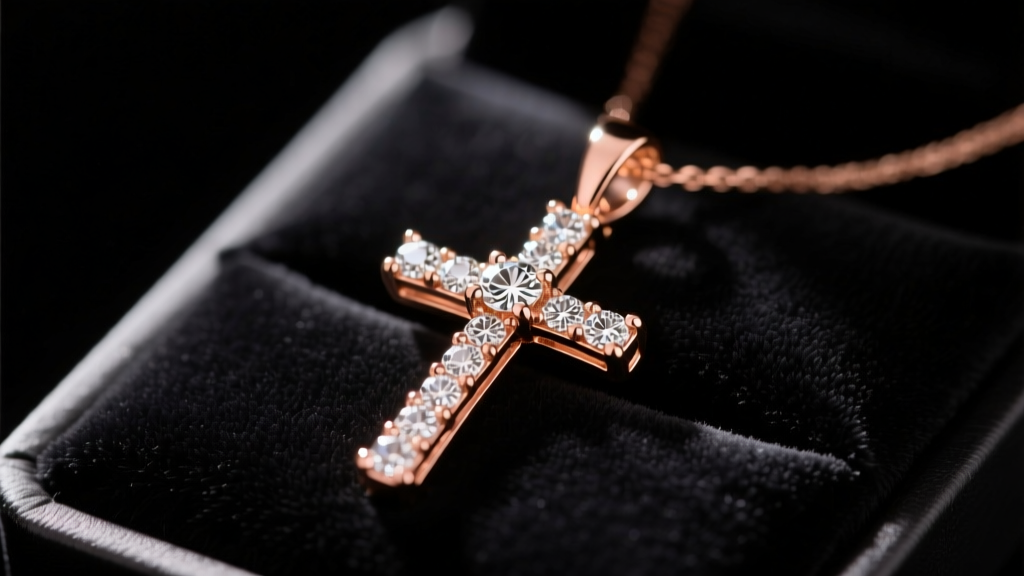
Why the Rose Gold Diamond Cross Necklace is a Timeless Staple
When it comes to building a foundational fine jewelry collection, few pieces offer the versatility and enduring elegance of a rose gold diamond cross necklace. Whether you are purchasing a meaningful gift for a milestone birthday, a confirmation, or treating yourself to an everyday luxury piece, navigating the world of precious metals and gemstones can feel overwhelming for a beginner. The warm, coppery blush of rose gold paired with the icy brilliance of diamonds creates a striking contrast that flatters virtually every skin tone. However, not all cross necklaces are created equal. Understanding the metallurgy of rose gold, the specific grading nuances of small diamonds, and the mechanics of chain durability will ensure you invest in a piece that lasts a lifetime. In this comprehensive guide, we break down exactly what you need to know before making your purchase.
Understanding Rose Gold: Karats, Alloys, and Durability
Unlike yellow gold or platinum, rose gold does not exist in nature. It is an alloy—a mixture of pure yellow gold and other metals, primarily copper and a touch of silver. The copper is what gives the metal its signature pinkish-red hue. When shopping for a rose gold diamond cross necklace, you will typically encounter two main purities: 14K and 18K. According to the GIA Gem Encyclopedia, the karatage dictates not only the price but also the color and durability of the pendant.
14K vs. 18K Rose Gold
- 14K Rose Gold (58.5% Pure Gold): Because it contains a higher percentage of copper and zinc, 14K rose gold has a deeper, more pronounced pink color. It is also significantly harder and more resistant to scratching, making it the superior choice for everyday wear and tear.
- 18K Rose Gold (75% Pure Gold): With a higher gold content, 18K rose gold boasts a softer, more subtle champagne-pink hue. It is more hypoallergenic and carries a higher intrinsic value, but it is softer and more prone to scuffing over time.
Expert Tip: If you have a copper allergy or highly sensitive skin, lean toward 18K rose gold or ensure the alloy uses silver rather than nickel as the secondary strengthening metal. Always ask the jeweler for the exact alloy breakdown if you have contact dermatitis.
Decoding the Diamonds: The Truth About Melee Stones
The diamonds used in cross pendants are rarely large, single solitaires. Instead, jewelers use "melee" diamonds—small stones typically ranging from 0.001 to 0.15 carats each. Because these stones are so small, the traditional rules of the 4 Cs (Cut, Color, Clarity, Carat) shift dramatically. You should not pay premium prices for top-tier grades in melee diamonds, as the differences are invisible to the naked eye.
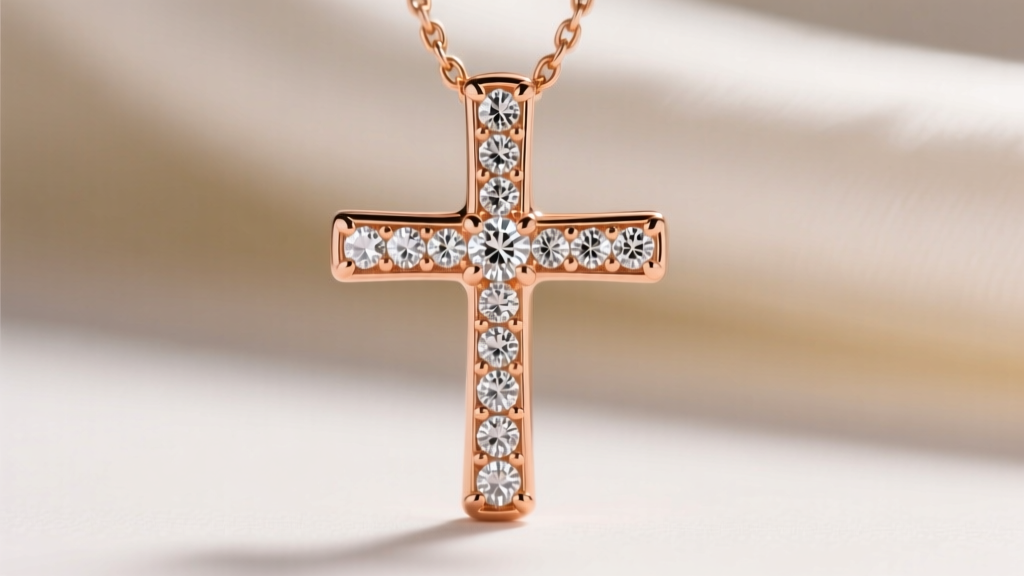
What to Look for in Melee Diamonds
According to the GIA Diamond Quality Factors, cut is always paramount for brilliance, but color and clarity can be optimized for budget. For a rose gold diamond cross necklace, aim for G-H color diamonds. Because rose gold reflects warm tones into the stones, near-colorless diamonds will face up beautifully without the premium cost of D-F colorless grades. For clarity, SI1 to I1 is perfectly acceptable. Inclusions in stones under 0.10 carats are virtually impossible to see without a 10x jeweler's loupe, so paying for VVS (Very Very Slightly Included) melee is a waste of your budget.
Lab-Grown vs. Natural Diamonds in 2026
The lab-grown diamond market has fully matured, offering physically, chemically, and optically identical stones at a fraction of the cost. For a melee diamond cross pendant, opting for lab-grown stones can reduce the overall price of the piece by 30% to 50%, allowing you to upgrade to a heavier gold chain or a larger pendant size without sacrificing sparkle.
Choosing the Right Setting, Chain, and Length
The pendant itself is only half the equation. The setting style and the chain that holds it dictate both the security of your diamonds and the overall aesthetic of the necklace.
Prong vs. Bezel Settings
Prong settings use tiny metal claws to hold the diamonds, allowing maximum light to enter the stone from all angles for superior sparkle. However, prongs can occasionally snag on knitwear or lace. Bezel settings encircle the diamond in a thin rim of rose gold. While bezel settings offer a sleek, modern look and ultimate security against snagging, they cover more of the diamond's surface area, slightly reducing its perceived size and brilliance.
Chain Types and Durability
- Box Chain: Composed of square links, this is the most durable and tangle-free option for pendants. It lays flat and easily slides through standard pendant bails.
- Cable Chain: The classic oval-link chain. It is lightweight and delicate but can kink if stored improperly.
- Rope Chain: Twisted links that offer immense sparkle and strength, though they can occasionally catch on fine hair.
Length Guide for Necklines
- 16 Inches (Choker): Sits tightly at the base of the neck. Best for open-collar tops and off-the-shoulder dresses.
- 18 Inches (Princess): The industry standard. Rests perfectly on the collarbone and works with almost every neckline, from crewnecks to V-necks.
- 20 Inches (Matinee): Falls just below the collarbone, ideal for layering over high-neck blouses or wearing outside a t-shirt.

Pricing Expectations and Budgeting
Understanding the market rate for a rose gold diamond cross necklace prevents you from overpaying at retail or falling for "too good to be true" discounts from unverified online sellers. Prices fluctuate based on the total carat weight (TCW) of the melee diamonds, the origin of the stones, and the weight of the gold chain.
| Configuration | Estimated Price Range (USD) | Best For |
|---|---|---|
| 14K Rose Gold + Lab Melee (0.25 TCW) | $350 - $550 | Budget-conscious buyers, everyday wear |
| 14K Rose Gold + Natural Melee (0.25 TCW) | $700 - $1,100 | Traditionalists, milestone gifts |
| 18K Rose Gold + Natural Melee (0.50 TCW) | $1,400 - $2,200+ | Luxury collectors, high-end heirlooms |
Hallmarks, Authenticity, and Care
Before finalizing your purchase, always inspect the clasp or the back of the pendant bail for a hallmark. Genuine rose gold will be stamped with 14K, 585 (the European equivalent for 14K), 18K, or 750. If the piece is merely stamped "14K GP" or "14K HGE," it is gold-plated or electroplated over a base metal and will eventually tarnish and wear away, exposing the brass or copper underneath.
How to Clean Your Rose Gold Cross Necklace
Rose gold requires gentle care to maintain its luster and keep the melee diamonds sparkling. Avoid ultrasonic cleaners, as the high-frequency vibrations can loosen the tiny prongs holding the pave diamonds in place. Instead, create a lukewarm bath of water and a few drops of mild, non-detergent dish soap. Let the necklace soak for 15 minutes, then gently scrub the back of the diamonds and the chain with a clean, extra-soft baby toothbrush. Rinse thoroughly under lukewarm water and pat dry with a microfiber cloth. Store your necklace flat or hanging to prevent the chain from knotting.
By understanding the nuances of gold alloys, making smart compromises on melee diamond grading, and selecting a durable chain, you can confidently purchase a rose gold diamond cross necklace that is both beautiful and built to endure decades of daily wear.


