2026 Gift Guide: Choosing the Ideal Pearl Bead Necklace
Discover how to choose the perfect pearl bead necklace for any occasion. Our 2026 gift guide covers sizes, grades, and pearl types for every milestone.

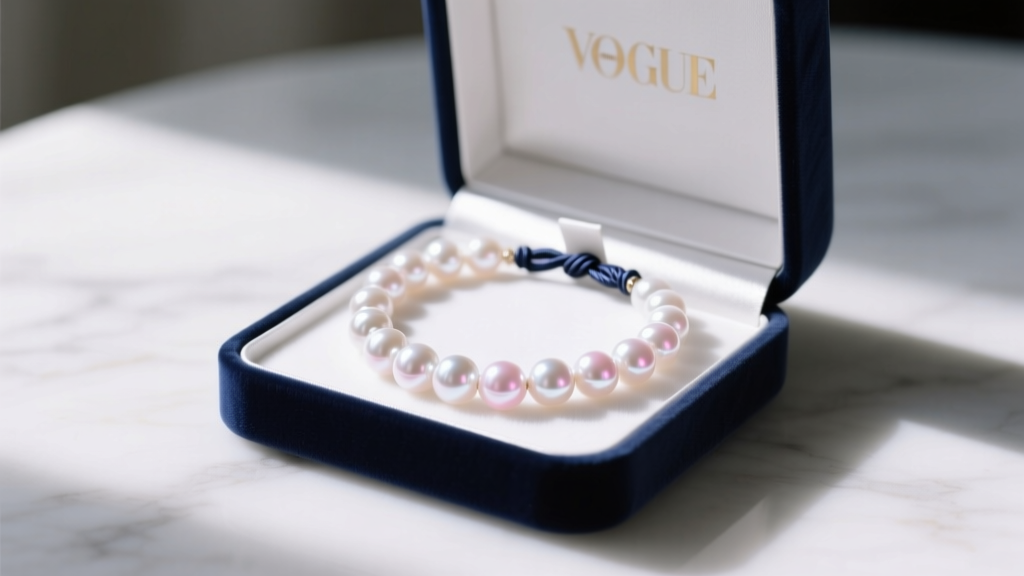
Why the Pearl Bead Necklace is the Ultimate 2026 Gift
Gifting fine jewelry is a deeply personal endeavor, but few pieces carry the historical weight, versatility, and timeless elegance of a classic pearl bead necklace. As we navigate the 2026 gifting season, consumer trends have shifted heavily toward sustainable, heritage-quality pieces that transcend fleeting micro-trends. A well-chosen pearl strand is not merely an accessory; it is an heirloom in the making. However, the modern pearl market is vast and often confusing for the uninitiated. From tissue-nucleated freshwater varieties to bead-nucleated South Sea giants, understanding the nuances of pearl grading, sizing, and stringing is critical to selecting a piece that perfectly matches the recipient's lifestyle and the significance of the occasion.
Matching Pearl Types to Milestone Occasions
Different pearl varieties possess distinct visual characteristics, price points, and cultural associations. Matching the right pearl type to the specific milestone ensures your gift resonates on a deeper level. According to the Gemological Institute of America (GIA), the four primary types of cultured pearls used in bead necklaces are Akoya, Freshwater, Tahitian, and South Sea, each offering unique gifting advantages.
| Occasion | Recommended Pearl Type | Ideal Size (mm) | Budget Tier | Why It Works |
|---|---|---|---|---|
| Weddings & Bridal | Akoya (White) | 7.0 - 8.5mm | Mid to High | Unmatched mirror-like luster and classic white/rose overtones. |
| Graduations & 21st Birthdays | Freshwater (Near-Round) | 8.0 - 9.5mm | Budget-Friendly | Beautiful pastel overtones and excellent durability for daily wear. |
| Major Anniversaries (10th, 15th) | Tahitian | 9.0 - 11.0mm | High | Exotic dark body colors with striking peacock or aubergine overtones. |
| Retirements & Legacy Milestones | White South Sea | 11.0 - 14.0mm | Luxury | Massive size, thick nacre, and a luxurious, soft satin luster. |
Sizing and Length: A Practical Gifting Framework
The length of a pearl bead necklace dictates how it sits on the body and what necklines it complements. When gifting, you are often guessing the recipient's exact neck circumference and preferred style. Here is the definitive framework for selecting the right length:
- Collar (10-13 inches): Sits tightly against the throat. Best for very specific, fashion-forward recipients who favor vintage or avant-garde styling. Not recommended as a surprise gift.
- Choker (14-16 inches): Rests at the base of the neck. A 16-inch strand is a safe bet for petite women or those who prefer high-neck garments.
- Princess (17-19 inches): The most universal and popular length. An 18-inch princess strand rests perfectly on the collarbone, making it the absolute safest choice for a surprise gift, as it flatters almost every body type and neckline.
- Matinee (20-24 inches): Falls at the top of the bust. Ideal for business attire or evening wear, offering a more dramatic, layered look.
- Opera (28-36 inches): A long, dramatic strand that can be worn single or doubled. Best for formal events and vintage enthusiasts.
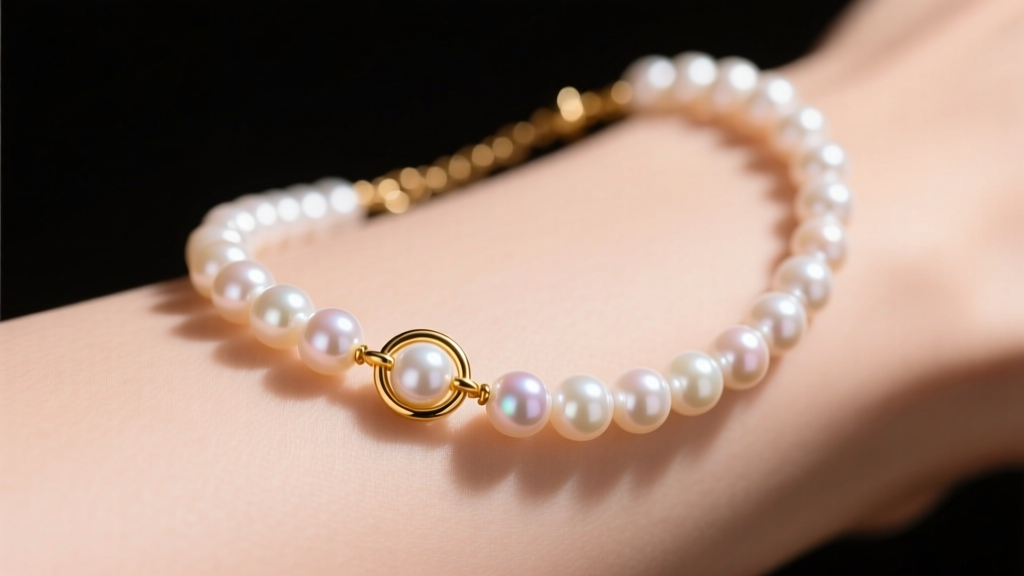
The Anatomy of Quality: What to Inspect Before Buying
When investing in a pearl bead necklace, the visual appeal must be backed by structural integrity. The GIA Pearl Quality Factors outline seven critical value factors: Size, Shape, Color, Luster, Surface, Nacre, and Matching. For a bead necklace, matching and luster are paramount.
Nacre Thickness and Luster Grading
Luster is the soul of a pearl. It refers to the sharpness and intensity of light reflecting off the surface and through the layers of nacre. High-quality Akoya pearls should exhibit a 'mirror' luster, where you can clearly see your reflection in the bead. However, luster is entirely dependent on nacre thickness. In bead-nucleated pearls (like Akoya and South Sea), a mother-of-pearl bead is inserted into the oyster. If the pearl is harvested too early, the nacre layer will be thin (under 0.4mm), leading to a chalky appearance and eventual peeling. Always request nacre thickness data or X-ray verification for high-ticket Akoya or South Sea strands. For the ultimate assurance in Akoya pearls, look for the Hanadama certification, which guarantees a minimum nacre thickness of 0.4mm (though premium strands often exceed 0.8mm) and exceptional luster.
Stringing and Clasp Hardware
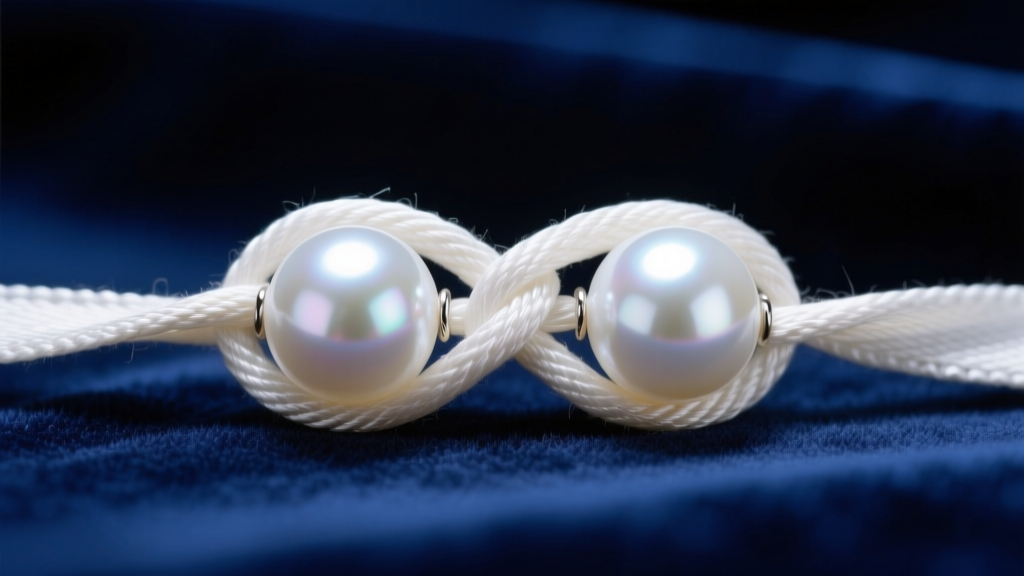
The stringing material is just as critical as the pearls themselves. A genuine, high-quality pearl bead necklace should be strung on 100% silk thread, not nylon or plastic wire. Silk has a natural drape that allows the necklace to lay flat against the collarbone. Furthermore, the necklace must be hand-knotted between every single pearl. This traditional technique serves two vital purposes: it prevents the pearls from rubbing against each other (which damages the nacre), and if the strand breaks, only one pearl is lost rather than the entire strand scattering.
Inspect the clasp area for French wire (gimp). This is a tiny, coiled metal spring placed over the silk thread right where it loops through the metal clasp ring. Without French wire, the metal clasp will eventually saw through the silk thread, causing the necklace to break. For clasps, a 14k or 18k gold ball clasp or a box clasp with a figure-eight safety latch is standard for premium strands.
2026 Pricing Guide: Budgeting for Genuine Pearls
Understanding current market valuations prevents you from overpaying for low-quality goods or falling for synthetic imitations. While prices fluctuate based on global aquaculture yields, here are the baseline retail price ranges for a standard 18-inch, well-matched pearl bead necklace in 2026:
- Freshwater (7-9mm, Near-Round, AAA): $150 - $600. (Note: High-end metallic Edison freshwater pearls can reach $1,200+).
- Akoya (7-8mm, AA+ to AAA): $800 - $2,500. (Hanadama certified strands command a 30-50% premium).
- Tahitian (9-11mm, Round, High Luster): $1,500 - $5,000. Deep peacock overtones push prices to the higher end.
- White South Sea (11-13mm, Round, Satin Luster): $4,000 - $15,000+. Prices scale exponentially with size and lack of surface blemishes.
Care Instructions to Include with Your Gift
A pearl bead necklace requires specific maintenance to preserve its luster for generations. Pearls are organic gems, ranking only 2.5 to 3.0 on the Mohs hardness scale, and their nacre is highly susceptible to acids and chemicals. When presenting your gift, include a care card with these non-negotiable rules:
The Golden Rule of Pearls: 'Last on, first off.' Always put your pearl necklace on after applying perfume, hairspray, and cosmetics. Remove it before showering or exercising, as sweat and acids will slowly dissolve the nacre and degrade the silk stringing over time.
After each wear, the pearls should be gently wiped with a soft, lint-free microfiber cloth to remove skin oils. Store the necklace flat in a soft pouch or a dedicated jewelry box compartment. Never hang a pearl bead necklace in a closet for long periods, as the weight of the pearls will stretch the silk thread, creating unsightly gaps between the beads and weakening the structural integrity of the strand. With proper care, this timeless gift will easily outlive the occasion it was bought to celebrate.


