Pearl E Newton Necklace Buying Guide: What To Look For
Discover what to look for when buying a pearl E Newton necklace. Expert tips on gold-filled metals, freshwater pearl grading, and care.

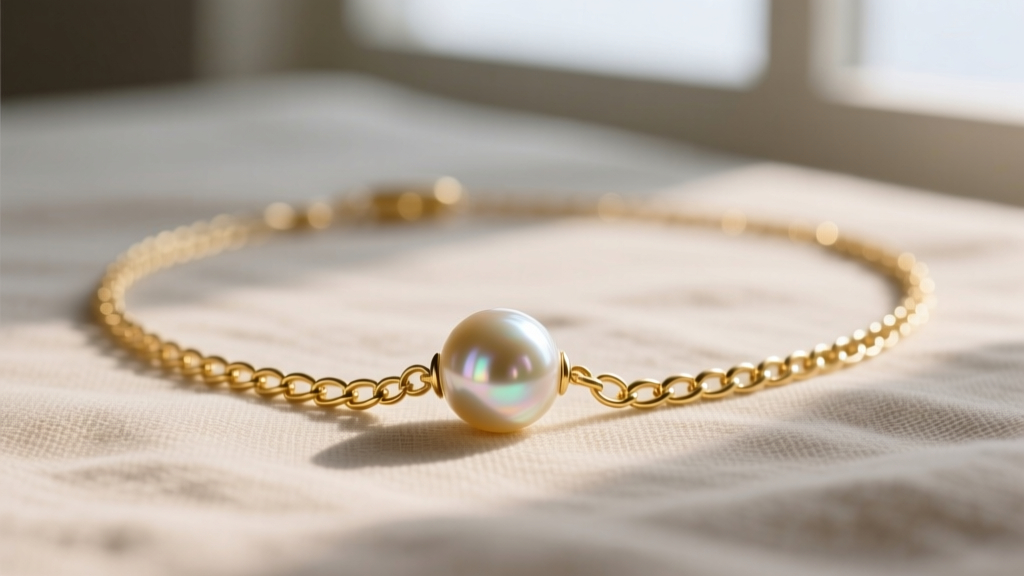
Understanding the Pearl E Newton Aesthetic
The modern jewelry landscape has seen a massive shift toward accessible luxury, and the pearl E Newton necklace style sits squarely at the intersection of artisan craftsmanship and everyday wearability. Characterized by delicate gold-filled chains, organic freshwater pearls, and minimalist silhouettes, this aesthetic has become a staple for 2026 layering trends. However, the market is flooded with imitations that mimic the look but fail in longevity. This comprehensive buying guide breaks down exactly what to look for when investing in this specific style of pearl jewelry, ensuring you get genuine quality rather than fast-fashion disappointment.
Decoding the Metals: Gold-Filled vs. Plated vs. Vermeil
The foundation of any high-quality artisan pearl necklace is the chain. The authentic pearl E Newton necklace aesthetic relies heavily on 14k gold-filled metals, a standard that is frequently misunderstood and often misrepresented by cheaper brands. According to the Federal Trade Commission (FTC), gold-filled jewelry must contain a minimum of 5% (or 1/20th) gold by weight, mechanically bonded to a brass or silver core. This thick outer layer of 14k gold ensures the piece will not flake, peel, or tarnish for decades with proper care.
| Metal Type | Composition | Expected Lifespan | Typical Price Range |
|---|---|---|---|
| 14k Gold-Filled | 5% 14k gold mechanically bonded | 10-30+ years | $45 - $95 |
| Gold Vermeil | 2.5+ microns gold over sterling silver | 2-5 years | $60 - $120 |
| Gold-Plated (Brass) | Flash layer (0.05 microns) over brass | 6-12 months | $20 - $40 |
When shopping, always look for the "14/20 GF" stamp or explicit gold-filled descriptions. Avoid terms like "gold-dipped" or "gold-toned," which are marketing euphemisms for microscopically thin flash plating that will oxidize and turn your skin green within months.
Evaluating the Freshwater Pearls

The pearls used in these artisan designs are almost exclusively cultured freshwater pearls. Unlike perfectly round, highly expensive Akoya saltwater pearls, freshwater pearls offer organic, asymmetrical shapes—such as baroque, coin, or keshi—which give the pearl E Newton necklace its signature bohemian yet refined charm. To evaluate quality, you must look at the value factors established by the Gemological Institute of America (GIA).
Luster and Nacre Thickness
Luster is the most critical indicator of pearl quality. High-quality freshwater pearls will have a sharp, bright reflection on their surface. Because traditional freshwater pearls are solid nacre (grown with a tissue nucleus rather than a bead), they are incredibly durable and resistant to peeling. Hold the pearl under a direct light source; if the reflection is crisp and distinct, the nacre is dense and well-formed. If it looks chalky or dull, the pearl was likely harvested too early.
Shape, Nucleation, and Blemish Tolerance
Embrace the imperfections. In the artisan pearl market, perfectly round pearls are rare and command a premium. Baroque and drop shapes are highly prized for their unique light-catching ridges. In recent years, bead-nucleated Edison pearls have entered the freshwater market, offering larger sizes (10-14mm) and metallic lusters that rival saltwater varieties. When evaluating an artisan pendant, determine if the pearl is traditional tissue-nucleated (solid nacre, highly durable) or bead-nucleated (larger, but with a thinner nacre layer that requires more delicate care). Avoid pearls with deep cracks, chalky dead spots, or surface fractures that compromise structural integrity.
Chain Weaves, Clasps, and Sizing Frameworks
The hardware and chain weave drastically alter the drape and durability of the necklace. For a 14k gold-filled pearl pendant, the chain must be robust enough to hold the weight of the pearl without kinking.
- Cable Chain (0.9mm - 1.2mm): The most common weave for this aesthetic. It offers a classic, delicate look but must be at least 0.9mm thick to prevent snapping under daily wear.
- Rolo Chain: Featuring uniform, round links, rolo chains are significantly stronger than cable chains and catch the light beautifully, adding texture to minimalist pearl pendants.
- Clasp Mechanics: Always opt for a sturdy lobster clasp over a spring ring. Lobster clasps provide a secure lock and are much easier to manipulate when layering multiple necklaces.
Pro Tip: When purchasing a 16-inch princess-length pearl necklace, ensure the brand offers a 2-inch extender chain. This small addition allows you to adjust the drape to perfectly match varying necklines, from crewneck sweaters to deep V-neck blouses.
Layering and Styling the Artisan Pearl Look
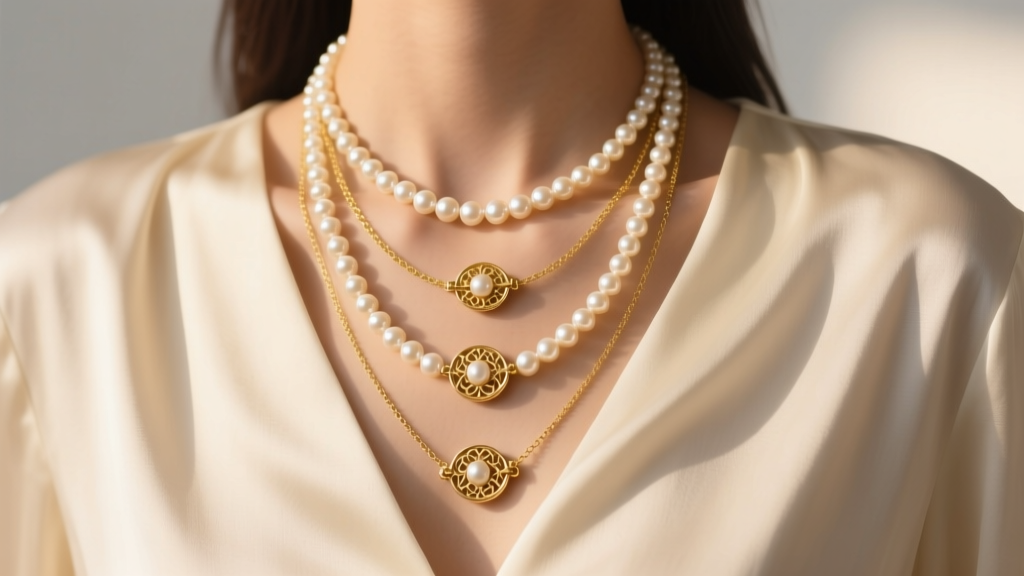
The true versatility of the pearl E Newton necklace style shines when layered. To achieve a balanced, professional look without tangling, follow the 2-inch rule: each subsequent necklace should be at least two inches longer than the last.
- Base Layer (14-15 inches): A simple gold-filled choker or a tiny 3mm seed pearl strand.
- Mid Layer (16-18 inches): Your primary focal point—a single baroque pearl pendant on a 1.2mm cable chain.
- Long Layer (20-22 inches): A textured rolo chain or a lariat-style necklace featuring a smaller coin pearl drop to draw the eye downward.
Care and Maintenance for Longevity
While 14k gold-filled metals and solid-nacre freshwater pearls are remarkably durable, they are not invincible. Pearls are organic gems with a Mohs hardness of 2.5 to 3.0, making them highly susceptible to scratching and chemical degradation. Always follow the "last on, first off" rule. Apply perfumes, hairsprays, and lotions before putting on your necklace, as the alcohols and acids in cosmetics will eat away at the pearl's luster over time.
Never use ultrasonic cleaners or steam cleaners on pearl jewelry. The high-frequency vibrations can fracture the nacre, and the heat can dehydrate the pearl, leading to cracking. Instead, gently wipe the pearls with a soft, damp microfiber cloth after each wear to remove skin oils, and store the necklace flat in an anti-tarnish pouch to prevent the gold-filled chain from scratching the softer pearl surface. Furthermore, if you are purchasing a full strand of pearls rather than a single pendant on a gold-filled chain, ensure the strand is individually knotted on pure silk thread. Knotting prevents pearl-on-pearl abrasion and ensures that if the strand breaks, you only lose one pearl rather than the entire necklace.
Final Verdict
Investing in a pearl E Newton necklace style is an exercise in appreciating accessible luxury and organic beauty. By strictly vetting the metal composition for genuine 14k gold-filled standards, evaluating the pearl's luster and nacre density, and prioritizing robust hardware like lobster clasps, you can secure a piece that will remain a cornerstone of your jewelry wardrobe for decades. Avoid the trap of cheap, flash-plated imitations, and focus on artisan makers who are transparent about their sourcing and material grades.


