Pearl Multi Strand Necklace: Material & Grade Comparison
Compare pearl types, stringing materials, and grades for your pearl multi strand necklace. Expert insights on luster, durability, and pricing.

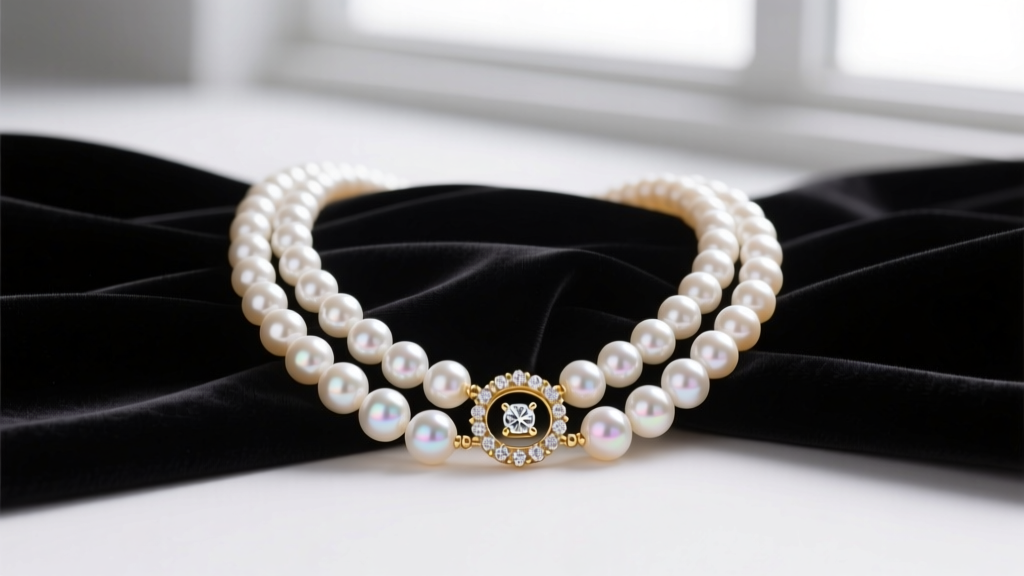
When investing in a pearl multi strand necklace, the visual impact is only half the equation. The true value, longevity, and structural integrity of the piece rely entirely on the specific materials used, from the nacre thickness of the pearls themselves to the tensile strength of the stringing medium. Multi-strand configurations introduce complex tension dynamics that single-strand necklaces simply do not face. In this comprehensive guide, we dissect the material properties, grading nuances, and architectural requirements of multi-strand pearl jewelry to help you make an informed, expert-level purchase.
Decoding Pearl Types for Multi-Strand Designs
Not all pearls behave identically when layered. The origin, nucleation method, and nacre thickness dictate how pearls interact with one another through friction and how they drape against the collarbone. A successful pearl multi strand necklace requires uniformity in weight and drill-hole size, which varies drastically across pearl categories.
- Akoya Pearls: Bead-nucleated with a nacre thickness typically ranging from 0.1mm to 0.5mm. They offer the sharpest, mirror-like luster, making them ideal for formal, high-contrast multi-strand designs. Standard sizes for multi-strand layering are 6.0mm to 8.5mm.
- Freshwater Pearls: Solid nacre (tissue-nucleated), making them exceptionally durable and resistant to chipping. Their softer, satiny luster and baroque-to-round shapes make them a versatile, budget-friendly choice for bohemian or casual layered strands.
- Tahitian Pearls: Known for their dark body colors and vibrant overtones (peacock, aubergine). With nacre thicknesses often exceeding 0.8mm, they are heavy. A multi-strand Tahitian piece requires robust stringing materials and specialized heavy-duty clasps.
- South Sea Pearls: The largest and heaviest cultured pearls (10mm to 20mm). Due to their immense weight and high price per strand, South Sea pearls are rarely used in configurations exceeding two strands.
Material Comparison Matrix
| Pearl Type | Avg. Size Range | Nacre Structure | Estimated Price (Per Strand) | Multi-Strand Suitability |
|---|---|---|---|---|
| Akoya | 6.0mm - 9.0mm | Bead-nucleated (Thin/Med) | $150 - $800 | Excellent (Classic & Formal) |
| Freshwater | 5.0mm - 12.0mm | Tissue-nucleated (Solid) | $40 - $250 | Excellent (Everyday & Layered) |
| Tahitian | 8.0mm - 14.0mm | Bead-nucleated (Thick) | $300 - $1,500+ | Good (Requires Heavy Hardware) |
| South Sea | 10.0mm - 20.0mm | Bead-nucleated (Thick) | $1,000 - $5,000+ | Poor (Too heavy for 3+ strands) |
Stringing Architecture: The Hidden Framework
The most common point of failure in a pearl multi strand necklace is not the pearl itself, but the stringing material. When three or more strands are joined at a single clasp, tension is rarely distributed equally. The outer strands bear more lateral stress during movement, while the inner strands endure more friction against the skin.
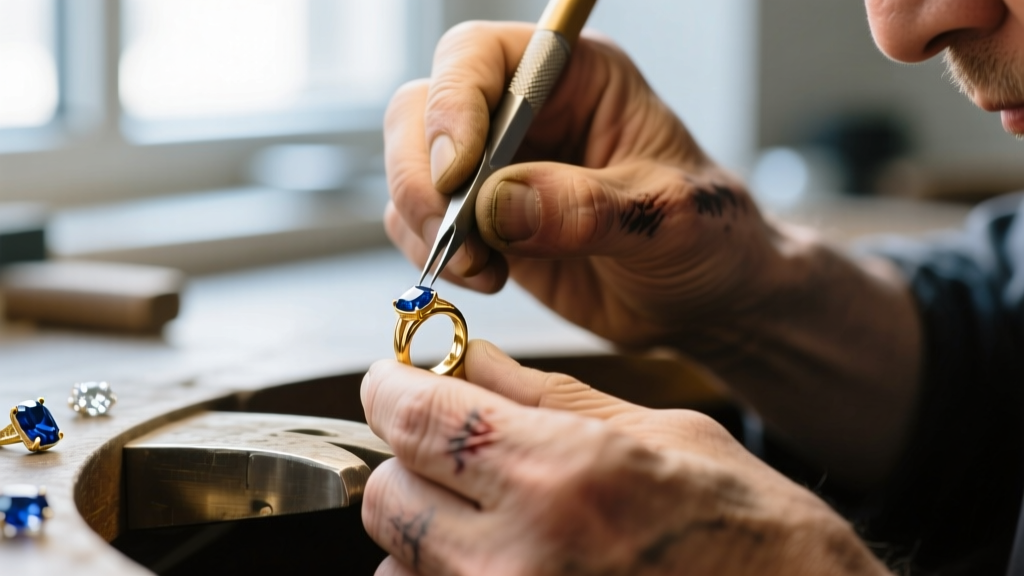
Traditional Silk vs. Modern Synthetics
Historically, 100% natural silk thread (such as Griffin brand) has been the gold standard. Silk drapes beautifully and knots securely. For 7.0mm Akoya pearls, jewelers typically use Size #2 (0.45mm) or Size #4 (0.60mm) silk, assuming a standard 0.8mm drill hole. However, silk is highly susceptible to humidity, sweat, and cosmetic chemicals. Over time, silk stretches, causing the knots to loosen and the pearls to gap. In a multi-strand piece, if one strand stretches faster than the others, the tension shifts entirely to the shorter, tighter strands, leading to catastrophic snapping.
Modern alternatives include high-tenacity nylon threads (like Nymo) or micro-fused polyethylene (like WildFire). These synthetics offer zero stretch and are impervious to moisture. While they lack the traditional prestige of silk, they are vastly superior for the structural demands of a heavy, multi-strand configuration.
Beading Wire: A Word of Caution
Some mass-market jewelers use nylon-coated stainless steel beading wire (e.g., Soft Flex .014" or .019") to reduce manufacturing costs by eliminating the need for hand-knotting between each pearl. While wire has immense tensile strength, it has a critical failure mode: kinking. Once a steel wire kinks, the structural integrity is permanently compromised. Furthermore, wire prevents pearls from draping fluidly, resulting in a stiff, artificial look that is highly undesirable in luxury multi-strand designs.
Evaluating Pearl Grades and Uniformity
Grading a single pearl is complex; grading dozens of pearls to match perfectly across multiple strands is a master-level lapidary skill. The Gemological Institute of America (GIA) outlines seven critical value factors for pearls: size, shape, color, luster, surface quality, nacre quality, and matching. In a pearl multi strand necklace, the "matching" factor becomes the primary driver of value.
"Matching is the degree of uniformity among pearls in a strand or multi-strand piece. It evaluates how closely the pearls resemble each other in all value factors. Excellent matching commands a significant premium due to the sheer volume of pearls required to create a cohesive set."
— GIA Pearl Quality Factors Overview
The Challenge of Overtone Consistency
Body color is relatively easy to match, but overtone (the translucent secondary color that floats over the body color) is notoriously difficult. For example, sourcing three 18-inch strands of 7.5mm AAA-grade Akoya pearls with an identical rose overtone requires sorting through thousands of loose pearls. If a jeweler mixes a silver-overtone strand with a rose-overtone strand, the necklace will look disjointed and visually chaotic under natural sunlight. Always inspect multi-strand pieces in natural daylight or full-spectrum LED lighting to verify overtone consistency.
Clasp Hardware and Structural Integrity
A multi-strand necklace requires a specialized clasp capable of housing multiple stringing ends while providing a secure locking mechanism. Standard spring-ring or lobster clasps are entirely inadequate for this application.
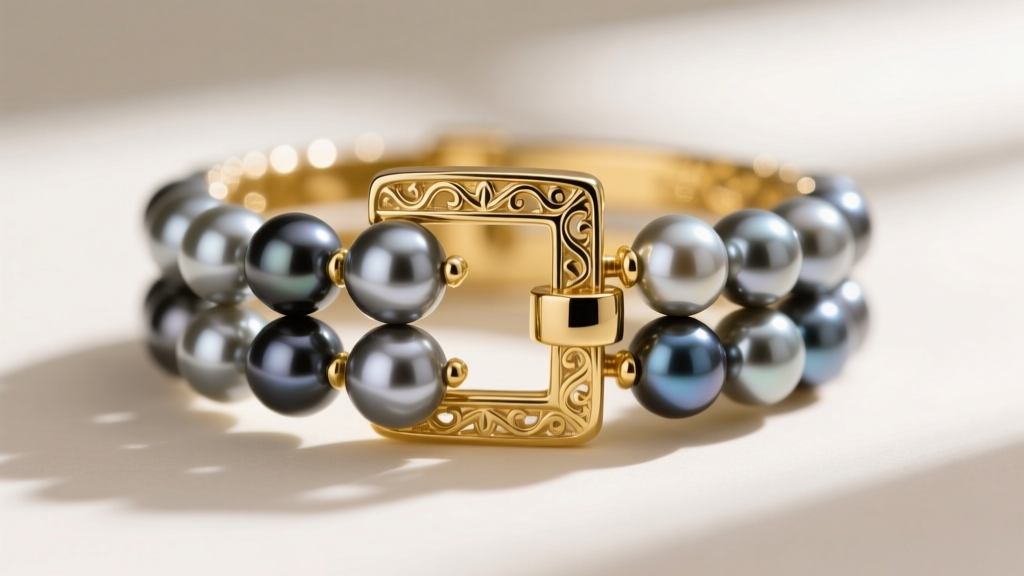
Multi-Strand Clasp Configurations
- Box Clasps with Figure-Eight Safeties: The industry standard for luxury pieces. The tongue of the clasp clicks into a grooved box, and a secondary wire safety hinge (the figure-eight) snaps over a pin. For a three-strand Tahitian pearl necklace weighing over 120 grams, a dual-safety box clasp cast in 14k or 18k gold is mandatory to prevent accidental loss.
- Tube Clasps: These feature a sliding locking mechanism that holds multiple strands flat. They are excellent for 2-strand or 3-strand freshwater designs where a low-profile, modern aesthetic is desired.
- Interlocking Ring Clasps: Often used for 4-to-6 strand opera-length necklaces. They distribute weight evenly but can be cumbersome to fasten without assistance.
Ensure the clasp metal matches the drill-hole findings (the tiny metal cups or grommets used to protect the silk at the clasp connection). Mixing sterling silver findings with a 14k gold clasp can lead to galvanic corrosion over decades of wear, especially if exposed to salt air or heavy perspiration.
Care, Maintenance, and Longevity
Maintaining a pearl multi strand necklace requires a more rigorous regimen than single-strand care, primarily due to the hidden stringing materials and the increased surface area for chemical exposure. According to the GIA's care guidelines, pearls are organic gems with a Mohs hardness of only 2.5 to 3.0, making them highly susceptible to scratching and acid erosion.
Proactive Maintenance Schedule
- Annual Tension Checks: Have a professional jeweler inspect the string tension every 12 months. In multi-strand pieces, uneven stretching is a silent killer. If the inner strand feels looser than the outer strand, it is time for a complete restring.
- Chemical Isolation: Never apply perfume, hairspray, or lotion while wearing the necklace. The alcohol and acids in cosmetics will degrade the silk thread and strip the nacre's luster, leading to a chalky appearance.
- Proper Storage: Never store a multi-strand pearl necklace in a plastic bag (which traps moisture and degrades silk) or hanging on a jewelry tree (which stretches the threads). Store it flat in a breathable cotton pouch, separated from harder gemstones like diamonds or sapphires that will easily scratch the nacre.
By understanding the intricate material properties—from the microscopic nacre layers to the tensile limits of silk and synthetics—you can confidently select, wear, and preserve a pearl multi strand necklace that will endure as a flawless heirloom for generations.


