How to Choose the Perfect Pearl Necklace Pendant: A Beginner Guide
Discover how to choose, style, and care for your first pearl necklace pendant. Learn about pearl grades, chain pairings, and neckline matching.

The Timeless Appeal of the Pearl Necklace Pendant
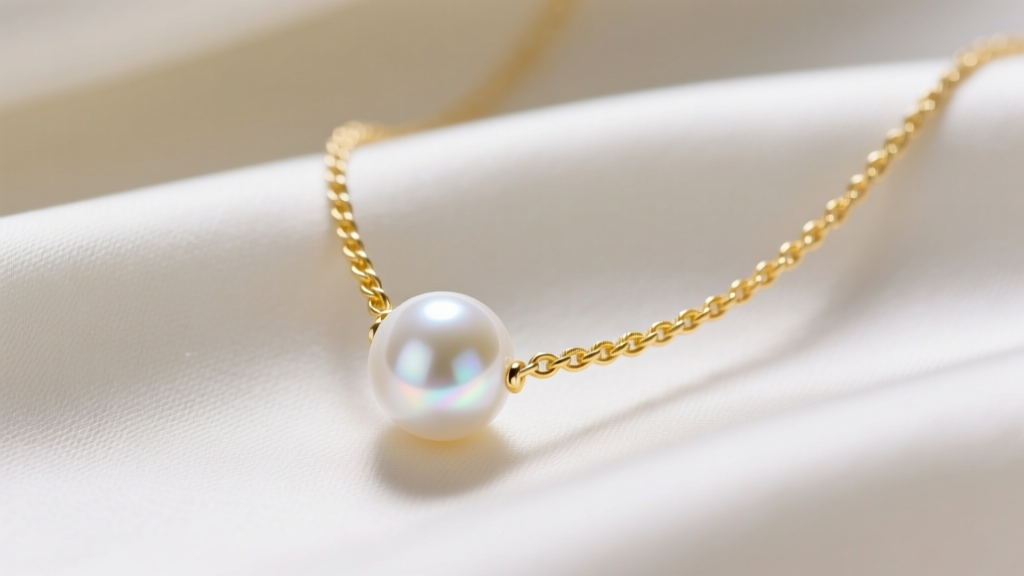
For many stepping into the world of fine jewelry, a single pearl necklace pendant is the ultimate entry point. It is versatile, inherently elegant, and transcends fleeting fashion trends. Unlike a full strand of pearls which can sometimes feel overly formal or traditional, a solitary pearl pendant offers a modern, minimalist silhouette that transitions seamlessly from a casual office environment to an evening gala. However, buying your first pearl pendant involves navigating a maze of grading terms, sizing metrics, and structural components. This guide breaks down the exact specifications you need to know to make an informed, investment-grade purchase.
Decoding Pearl Types and Sizes for Pendants
Not all pearls are created equal. The value, luster, and ideal use case of a pearl necklace pendant depend heavily on its origin. According to the Gemological Institute of America (GIA), understanding the distinct characteristics of cultured pearls is the first step in finding your perfect piece.
Akoya Pearls: The Classic Mirror-Luster Choice
Akoya pearls are the quintessential white pearls known for their sharp, mirror-like luster. For a pendant, the sweet spot is between 7.0mm and 9.0mm. Anything smaller can look like a seed bead on an adult neckline, while anything larger becomes rare and exponentially more expensive. When buying Akoya, always ask for the nacre thickness; reputable jewelers will verify it is at least 0.4mm to ensure longevity.
Freshwater Pearls: The Budget-Friendly Innovators
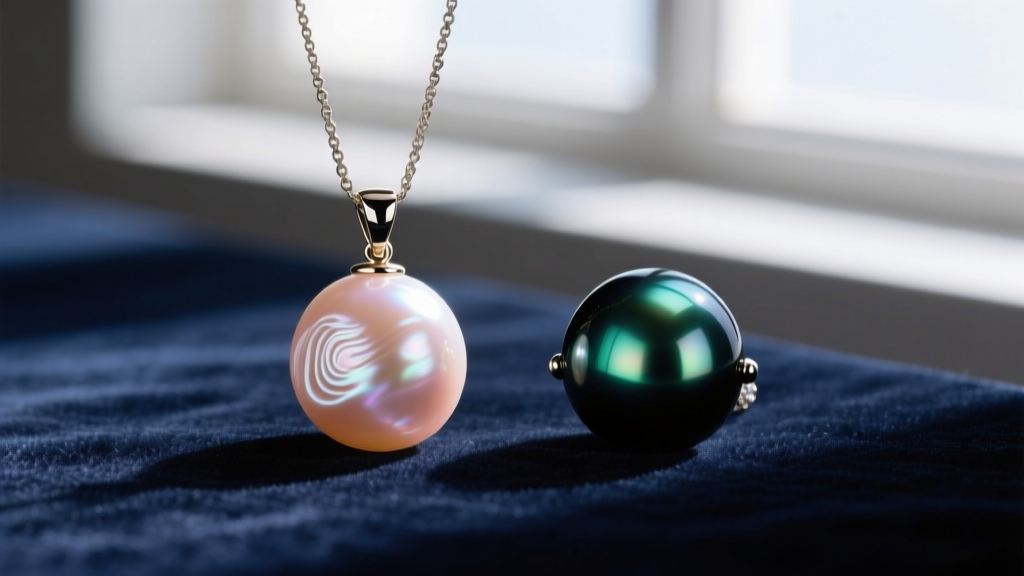
Historically known for irregular 'potato' shapes, modern Freshwater pearls—specifically Edison pearls—now rival Akoya in roundness and offer stunning natural colors like peach, lavender, and metallic bronze. They typically range from 8.0mm to 11.0mm and are composed of solid nacre, making them highly durable for daily wear. Expect to pay between $50 and $250 for a high-quality Freshwater pendant.
Tahitian and South Sea Pearls: The Statement Makers
If you want a bold, high-impact pendant, look to Tahitian (8mm-14mm, dark body colors with peacock overtones) or White South Sea pearls (10mm-20mm, thick satin nacre). These require heavier chains and command premium prices, often starting at $400 and climbing into the thousands.
The Anatomy of a Pendant: Bails and Mountings
The 'bail' is the metal component that connects the pearl to the chain. The structural integrity of the bail dictates how long your pearl necklace pendant will survive daily wear.
- Peg Bails: A metal post is glued into a half-drilled hole in the pearl. This is the most common and cost-effective method. Expert Warning: Avoid mass-produced peg bails set with cyanoacrylate (Super Glue), which degrades and turns chalky over time. Look for jewelers who use two-part jeweler's epoxy, or plan to have a local bench jeweler re-set the pearl with Devcon 5-minute epoxy for permanent security.
- Cap and Slide Bails: A metal cap wraps around the top of the pearl, or a wire slides through a fully drilled horizontal hole. These are mechanically secured without glue, making them vastly superior for heirloom-quality South Sea or Tahitian pearls.
Pairing Your Pearl with the Right Chain
A common beginner mistake is pairing a heavy 12mm pearl with a flimsy 0.5mm chain, leading to kinks, breakage, and an unbalanced aesthetic. The chain must complement the pearl's weight and visual scale. Below is a structural pairing guide:
| Chain Type | Recommended Width | Best Pearl Size/Type | Durability Profile |
|---|---|---|---|
| Box Chain | 0.8mm - 1.2mm | 7mm - 9mm (Akoya) | High; resists kinking and hair-pulling |
| Cable Chain | 1.0mm - 1.5mm | 9mm - 11mm (Freshwater/Tahitian) | Medium; classic look but can stretch over time |
| Rope Chain | 1.5mm - 2.2mm | 12mm+ (South Sea) | Very High; supports heavy gems without warping |
Pro-Tip: Avoid snake chains for pearl pendants. The tight interlocking grooves of a snake chain trap skin oils and cosmetics, and once a snake chain kinks under the weight of a heavy pearl, it cannot be repaired.
Styling: Lengths and Neckline Matching
The visual impact of your pearl necklace pendant changes drastically depending on the chain length and your outfit's neckline.
The 16-Inch Choker Length
Sitting snugly at the base of the throat, a 16-inch chain with a small 7mm Akoya pearl is ideal for open scoop necks or off-the-shoulder tops. It draws the eye upward and highlights the collarbone.
The 18-Inch Princess Length
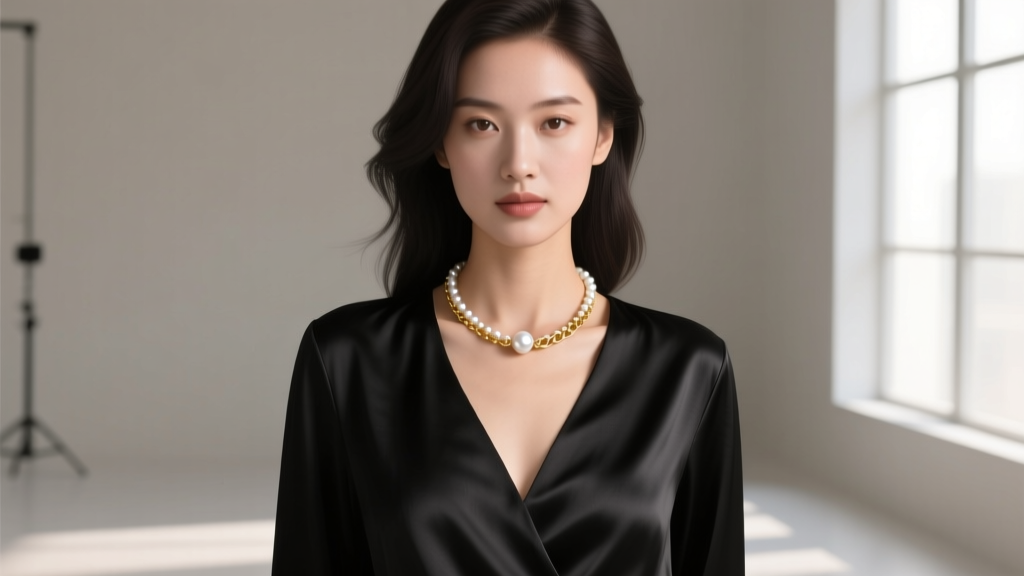
This is the universal standard. An 18-inch chain allows the pendant to rest just below the collarbone, perfectly filling the negative space of a V-neck blouse or a classic button-down shirt. It is the most versatile length for a beginner's first purchase.
The 20 to 24-Inch Matinee Length
Longer chains are best reserved for larger pearls (10mm+) and are worn over high-neck garments, turtlenecks, or business blazers. The elongated silhouette creates a slimming, vertical line.
Care and Maintenance: Protecting the Nacre
Pearls are organic gemstones with a Mohs hardness of just 2.5 to 3.0, making them exceptionally vulnerable to scratches and chemical etching. The GIA Pearl Care Guide emphasizes that everyday cosmetics are a pearl's worst enemy.
The 'Last On, First Off' Rule
Always apply your perfume, hairspray, and lotions before putting on your pearl necklace pendant. The acids and alcohols in cosmetics can strip the pearl's nacre, dulling its luster permanently. When you return home, remove the pendant before changing clothes to prevent snagging the bail on fabrics.
Proper Cleaning Technique
Never use ultrasonic cleaners, steam cleaners, or commercial jewelry dips on a pearl pendant. The vibrations can shatter the pearl or dislodge a peg bail. Instead, after every few wears, gently wipe the pearl with a slightly damp, lint-free microfiber cloth. If the pearl has accumulated body oils, use a drop of mild, phosphate-free castile soap on the cloth, wipe gently, and immediately dry. Store the pendant in a soft cotton pouch—never in a plastic bag, as pearls require ambient moisture to prevent cracking.
Final Thoughts for the First-Time Buyer
Choosing your first pearl necklace pendant is about balancing personal style with structural integrity. By prioritizing nacre thickness over sheer size, selecting a mechanically sound bail, and pairing the pearl with a correctly gauged chain, you ensure your pendant remains a staple in your wardrobe for decades. Start with a classic 8mm white Freshwater or Akoya pearl on an 18-inch box chain, and you will have a foolproof foundation that elevates any outfit.