Cat Nap Necklace Value Guide: Pricing & Materials
Discover the true value of a cat nap necklace. We break down pricing, material grades, chain durability, and how to avoid overpaying for feline jewelry.
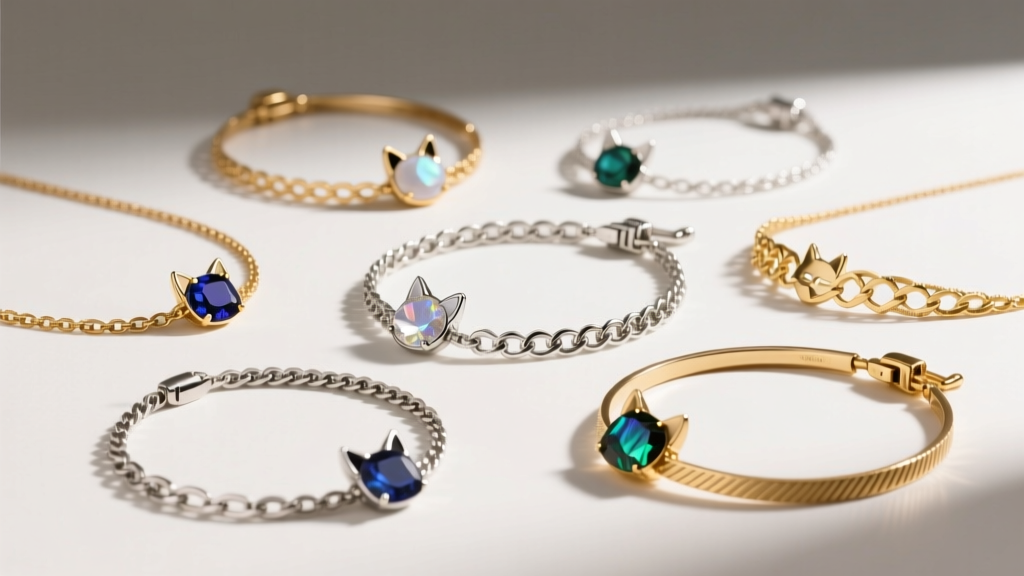
The 'Cat Nap' Trend: Why Material Dictates True Value
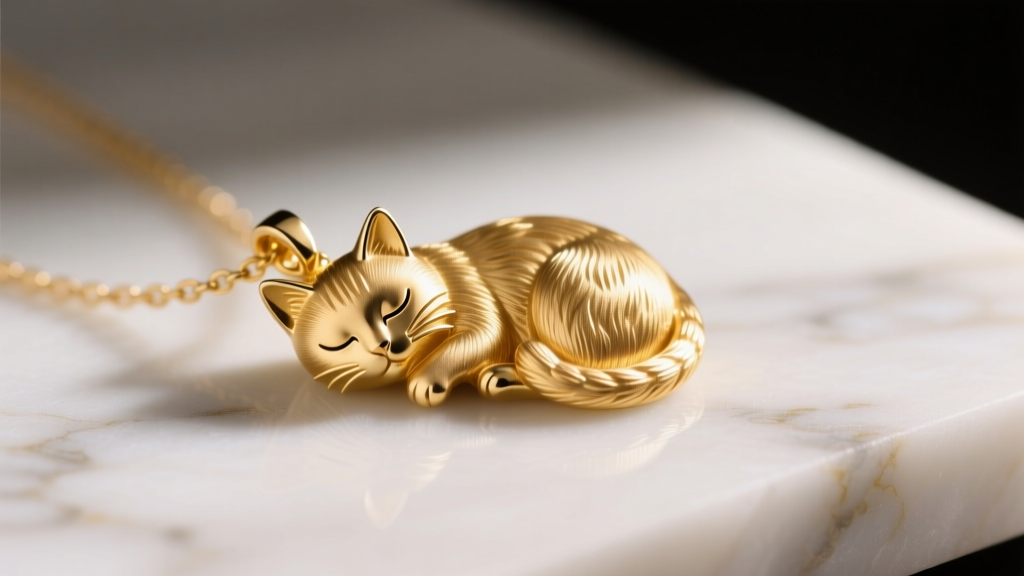
The whimsical appeal of the cat nap necklace has cemented it as a staple in animal-motif jewelry. Characterized by a feline curled into a tight sphere or crescent—often with the tail wrapping around to form the bail or a continuous loop—this compact design is deceptively complex to manufacture well. Because the silhouette is structurally dense, the metal weight and casting quality vary wildly between brands. In 2026, you can find a cat nap necklace priced anywhere from $12 on mass-market e-commerce sites to over $1,200 from independent fine jewelers. But how do you determine the actual value?
Assessing the budget and true market value of this specific pendant style requires looking past the cute aesthetic and evaluating the metallurgy, enamel work, and chain mechanics. A cheaply cast zinc alloy pendant will suffer from porosity and skin irritation, while a well-crafted sterling silver or solid gold piece will become a lifelong heirloom. Below, we break down the exact material grades, fair market pricing, and structural failure modes you need to know before buying.
Material Breakdown & Fair Market Pricing Matrix
The single biggest factor in the value of a cat nap necklace is the base metal. The curled-up posture of the cat means the pendant has a high volume-to-surface-area ratio, making it heavier than flat, stamped pendants. This weight directly impacts the cost of precious metals.
| Material Grade | Fair Price Range | Durability | Value Assessment |
|---|---|---|---|
| Zinc Alloy / Brass | $10 - $30 | Poor | High risk of contact dermatitis and casting porosity. Avoid for daily wear. |
| 925 Sterling Silver | $45 - $120 | Excellent | The sweet spot for budget and longevity. Ensure it is stamped '925' and ideally rhodium-plated. |
| Gold Vermeil (Over Silver) | $80 - $180 | Good | Only valuable if the gold layer is at least 2.5 microns thick over a 925 base. |
| Solid 14k / 18k Gold | $300 - $850+ | Heirloom | Calculated by gram weight plus artisan markup. Will never tarnish or wear through. |
According to the Gemological Institute of America (GIA), gold purity drastically alters both the color and the scratch-resistance of the piece. A 14k gold cat nap pendant offers a harder, more durable surface for a pendant that might bump against desks or tables, whereas 18k offers a richer yellow hue but is slightly more prone to micro-scratches.
The Enamel Factor: Cold Resin vs. Vitreous Glass
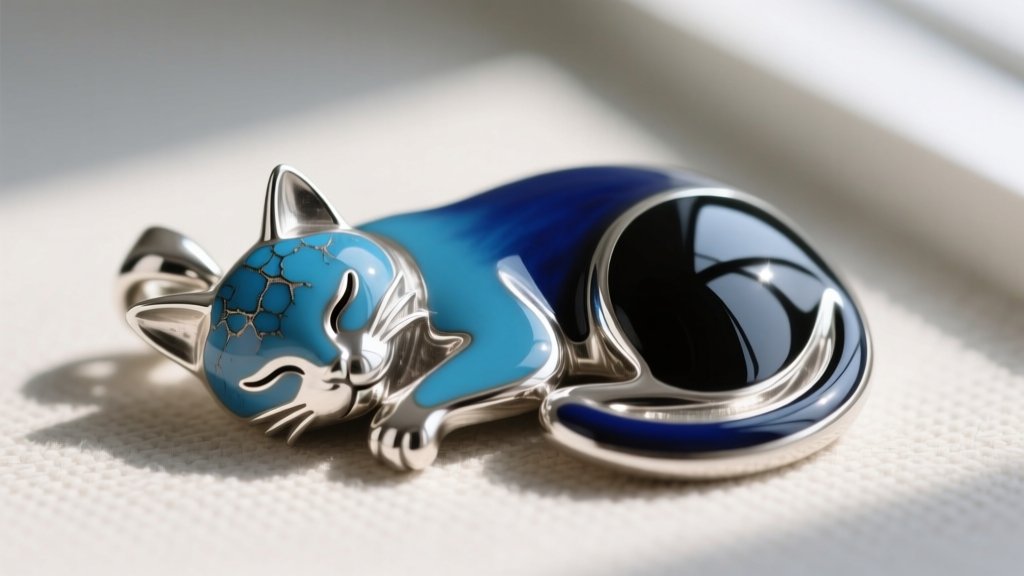
Many cat nap necklaces feature enamel details, such as tabby stripes, a tiny collar, or a closed eye. The value of these details depends entirely on the enameling technique used, which is rarely disclosed in product descriptions.
- Cold Enamel (Epoxy Resin): Used in 90% of budget necklaces under $50. This is essentially pigmented glue poured into metal recesses. It scratches easily (around 2H on the pencil hardness scale), yellows with UV exposure, and will chip if dropped on a tile floor.
- Vitreous Enamel (Kiln-Fired): Used by fine jewelers and high-end artisans. This is crushed glass fused to the metal at temperatures exceeding 1400°F. It is highly durable, completely UV resistant, and will only scratch if struck by hardened steel. A vitreous enamel cat nap necklace commands a premium, usually starting around $150 for silver and $500+ for gold.
Chain Gauge and Clasp Mechanics: The Hidden Weak Points
A common failure mode with the cat nap necklace design is chain breakage. Because the pendant is a dense, three-dimensional curl, it carries more kinetic weight than a flat disc. When you walk, the heavy pendant swings, putting immense shear stress on the chain links and the clasp.
If you are buying a solid silver or gold cat nap pendant that weighs more than 4 grams, you must avoid the ultra-thin 0.6mm or 0.8mm chains often included by budget retailers. Instead, look for the following specifications:
- Chain Gauge: Minimum 1.2mm thickness. Cable, rope, or box chains offer the best tensile strength for heavier pendants.
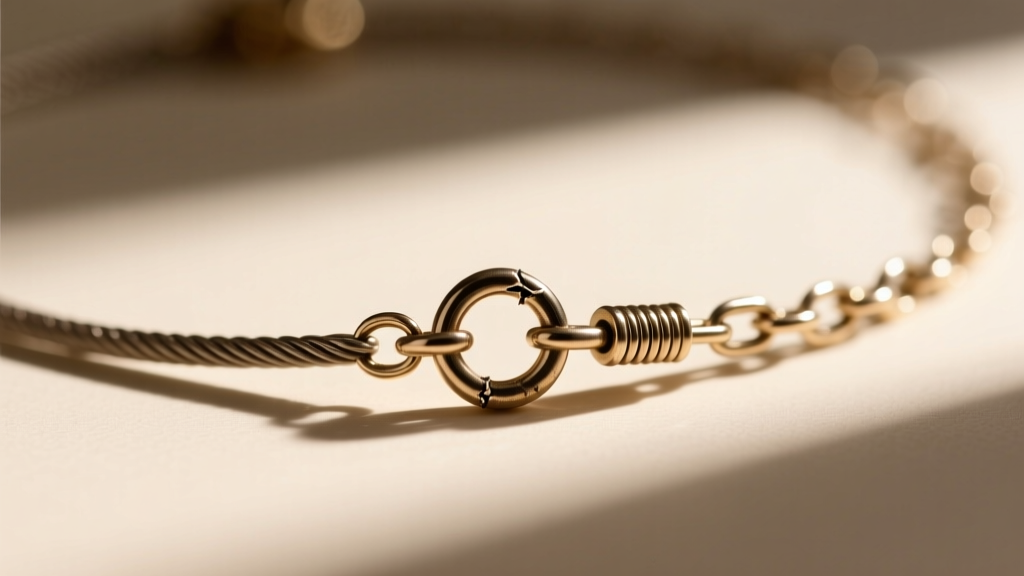
- Clasp Type: Avoid 5mm spring ring clasps; their internal springs fail rapidly under the weight of a dense pendant. Always opt for a lobster clasp (minimum 10mm) or a secure locking mechanism.
- Bail Friction: In many cat nap designs, the tail forms the loop (bail) the chain passes through. If the tail is cast too thin (under 1.5mm), a harder steel or white gold chain will act like a saw, eventually cutting through the silver or gold tail over a few years of friction.
Red Flags: How to Spot Overpriced Knockoffs
The Federal Trade Commission (FTC) Jewelry Guides strictly regulate how metals can be labeled, yet marketplace loopholes allow misleading terms to flourish. When shopping for a cat nap necklace, watch out for these deceptive marketing terms:
- 'Tibetan Silver' or 'Tibetan Gold': These contain zero precious metals. They are typically zinc or lead alloys with a chemical wash. They hold no intrinsic value and can cause severe skin reactions.
- 'Gold Plated' without Base Metal Disclosure: If a seller does not state what metal is underneath the gold plating, it is almost always brass or copper. Once the thin gold layer wears off the cat's nose or tail, the base metal will oxidize and stain your skin green.
- Fake Hallmarks: A '925' stamp can be easily forged on cheap imports. True sterling silver has a distinct, slightly muted acoustic ring when tapped and lacks the brassy yellow undertone seen in plated copper.
Calculating Melt Value vs. Artisan Markup
For solid gold cat nap necklaces, you can assess the baseline value by calculating the melt value. In 2026, with gold spot prices remaining historically high, a solid 14k pendant weighing 4 grams contains roughly 2.33 grams of pure gold. You can check the daily spot price to find the raw material cost. A fair retail price is typically 2.5x to 4x the melt value to account for the 3D casting labor, polishing, and chain. If a boutique is charging $1,200 for a 3-gram 14k pendant, you are paying an exorbitant brand tax rather than true material value.
Final Verdict: What Should You Actually Spend?
The true value of a cat nap necklace lies in the intersection of material integrity and structural design. For a budget-conscious buyer seeking daily wear, a 925 sterling silver piece in the $60 to $95 range offers the best value, provided it features a sturdy 1.2mm chain and a lobster clasp. If you desire the look of gold without the solid gold price tag, a heavy gold vermeil piece ($100 - $150) is acceptable, but you must verify the 2.5-micron plating thickness to ensure it won't wear bald within a year.
Ultimately, the charm of the sleeping feline motif is timeless, but the metallurgy is what determines whether your necklace becomes a cherished heirloom or a tarnished disappointment in the back of your jewelry box. Prioritize transparent material sourcing, robust chain gauges, and verified hallmarks to ensure your investment holds its value.


