Sweat-Proof Dancer Necklace: Best Materials for Stage
Discover the best metals for a sweat-proof dancer necklace. Compare titanium, niobium, and steel for stage durability, skin safety, and movement.

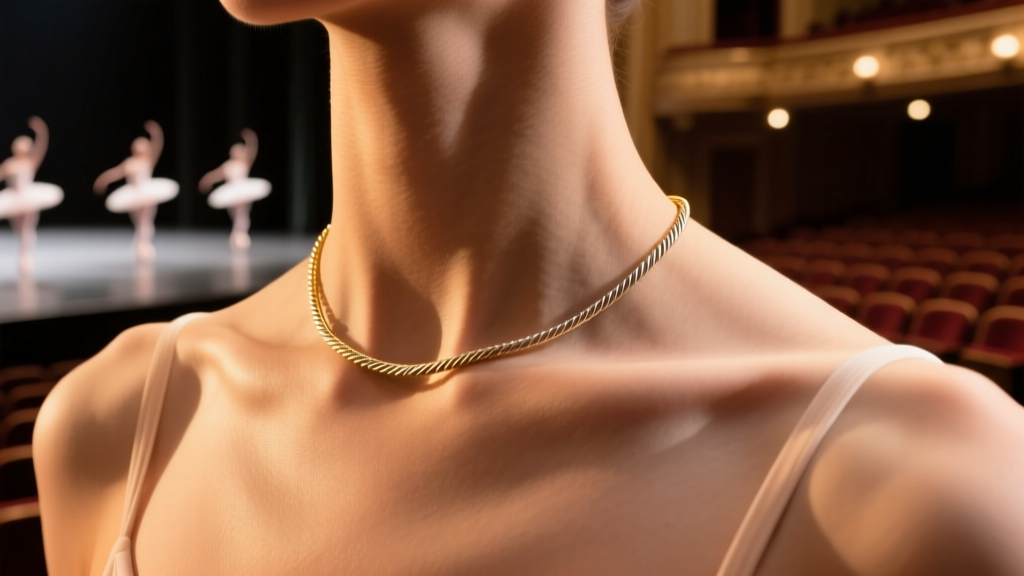
The Unique Demands of Stage Jewelry
When selecting a dancer necklace, aesthetic appeal is only half the equation. For ballet, contemporary, and ballroom performers, jewelry is subjected to extreme kinetic forces, friction from costumes, and a highly corrosive chemical environment: human sweat. A standard fashion necklace will quickly degrade, tarnish, or cause severe contact dermatitis under the hot lights of a stage performance. To ensure both safety and longevity, a dancer necklace must be engineered from materials that offer high tensile strength, low density, and absolute biocompatibility.
In this comprehensive guide, we break down the metallurgical properties of the best sweat-proof metals, analyze chain architectures that prevent snagging during partnering lifts, and provide a technical comparison to help you choose the ultimate performance-ready pendant or chain.
The Chemistry of Stage Sweat and Metal Corrosion
Human sweat is not merely saltwater; it is a complex electrolyte solution containing urea, lactic acid, ammonia, and sodium chloride. During intense cardiovascular exertion, the pH level of sweat can drop to between 4.5 and 5.5, creating a highly acidic environment. When this acidic moisture is trapped against the skin by a necklace chain, it accelerates galvanic corrosion in multi-metal alloys.
For instance, copper-based alloys like brass or bronze will rapidly oxidize, leaving unsightly green verdigris stains on the dancer's sternum and potentially causing heavy metal toxicity through prolonged dermal absorption. Sterling silver, while a precious metal, contains 7.5% copper, which reacts with the sulfur and moisture in sweat to form black silver sulfide tarnish. Therefore, a true dancer necklace must be forged from elemental or highly stable alloyed metals that resist chloride pitting and acidic degradation.
Top Metals for a Dancer Necklace: A Technical Breakdown
ASTM F136 Titanium: The Gold Standard
When discussing biocompatible jewelry, titanium alloys are widely recognized in medical literature for their unmatched corrosion resistance. However, not all titanium is created equal. For a dancer necklace, you must look for Grade 23 Titanium, also known as Ti-6Al-4V ELI (Extra Low Interstitial) or ASTM F136. The 'ELI' designation means the metal has reduced levels of oxygen, nitrogen, carbon, and iron, which drastically improves its fracture toughness and flexibility.
- Density: 4.43 g/cm³ (roughly 45% lighter than surgical steel, reducing neck fatigue during long rehearsals).
- Nickel Content: 0% (completely hypoallergenic).
- Sweat Resistance: Impervious to lactic acid and chlorides due to a naturally occurring, self-repairing titanium dioxide oxide layer.
Niobium: The Hypoallergenic Alternative
Niobium (Element 41) is a soft, malleable transition metal that is entirely nickel-free, making it a favorite among dancers with severe metal sensitivities, as noted by the American Contact Dermatitis Society. Unlike titanium, niobium can be anodized using electricity to create a vibrant spectrum of colors (from deep purples to iridescent golds) without the use of chemical dyes or platings that sweat could strip away. While it is heavier than titanium (density of 8.57 g/cm³), its absolute resistance to tarnishing makes it an exceptional choice for bold, colorful stage pendants.
316L Surgical Steel: The Budget Workhorse
316L stainless steel is an iron-based alloy containing chromium, nickel, and molybdenum. The addition of 2-3% molybdenum specifically protects the steel from chloride pitting, making it far superior to standard 304 stainless steel for sweat exposure. However, it still contains 10-14% nickel. While the nickel is tightly bound within the crystalline lattice and safe for most, dancers with known nickel allergies should avoid it, as the acidic nature of heavy stage sweating can occasionally leach trace nickel ions over time.
Materials to Strictly Avoid on the Dance Floor
To protect your skin and your investment, eliminate the following materials from your performance wardrobe:
- Gold-Plated Brass: The microscopic layer of gold will quickly wear away under the friction of costume changes, exposing the reactive brass underneath.
- Sterling Silver (925): Will tarnish black within hours of heavy, acidic sweating, requiring constant polishing.
- Zinc Alloys (Tibetan Silver): Highly porous, prone to rapid corrosion, and often contains hidden lead or cadmium.
Chain Architecture: Weave, Gauge, and Hardware
The metal is only half the battle; the physical structure of the chain dictates its survivability during choreography. Dancers engaging in floor work, acrobatics, or partnering lifts must avoid rope chains, herringbone weaves, and snake chains. These intricate weaves act as micro-graters against the skin, trap dead skin cells and sweat (creating a bacterial biohazard), and easily kink or snap when caught on a tutu or a partner's grip.
Optimal Weaves and Gauges
The ideal dancer necklace utilizes a flat cable chain or a box chain. These weaves lay flat against the clavicle, minimizing friction and snag hazards. For gauge size, a 1.2mm to 1.5mm thickness offers the perfect intersection of visual delicacy and tensile strength. Anything thinner than 1.0mm risks snapping during a sudden kinetic movement, while anything over 2.0mm adds unnecessary weight and looks disproportionate under stage lighting.
Clasp Mechanics
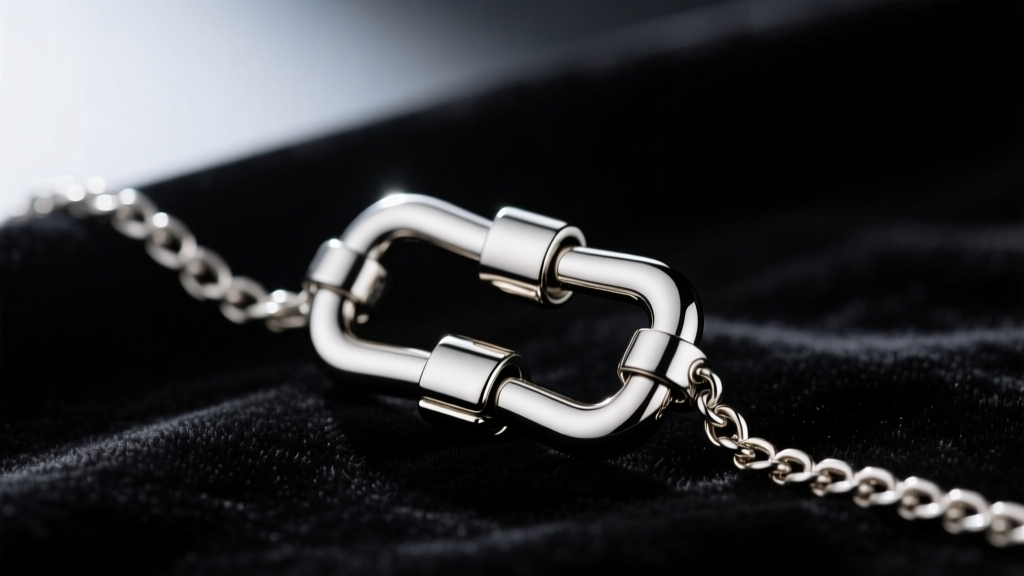
Standard spring-ring clasps are a liability on stage; the tiny internal spring frequently fails under tension, leading to lost jewelry mid-performance. Upgrade your dancer necklace with a locking lobster clasp (which features a secondary gate to prevent accidental opening) or a silicone O-ring toggle, which relies on material elasticity rather than metal springs to secure the chain.
Material Comparison Chart
| Material | Density (g/cm³) | Nickel Content | Sweat Resistance | Avg. Price (18' Chain) |
|---|---|---|---|---|
| ASTM F136 Titanium | 4.43 | 0% | Exceptional | $45 - $85 |
| Pure Niobium | 8.57 | 0% | Exceptional | $35 - $60 |
| 316L Surgical Steel | 7.90 | 10-14% | High | $15 - $30 |
| Sterling Silver (925) | 10.49 | 0% (Contains Copper) | Poor (Tarnishes) | $40 - $90 |

Post-Performance Maintenance Protocols
Even the most resilient metals require proper post-performance care to maintain their structural integrity and hygiene. After every performance or intense rehearsal, your dancer necklace should be rinsed under lukewarm water to remove the bulk of the lactic acid and salt.
For a deeper clean, utilize an ultrasonic jewelry cleaner filled with a mild, non-ammoniated surfactant. Ultrasonic waves will dislodge microscopic debris trapped in the chain links without requiring abrasive brushing. Crucial Warning: If your necklace features an anodized niobium pendant, never use harsh chemical dips or toothpaste, as the mild abrasives can dull the microscopic oxide layer that creates the metal's vibrant color. Simply dry the piece thoroughly with a microfiber cloth before storing it in a sealed, anti-tarnish pouch to ensure it remains stage-ready for your next curtain call.


