Billy Bob Thornton Blood Necklace: Vial Materials & Properties
Analyze the material science behind the Billy Bob Thornton blood necklace trend, comparing glass, metal, and resin vial pendant properties for safe wear.

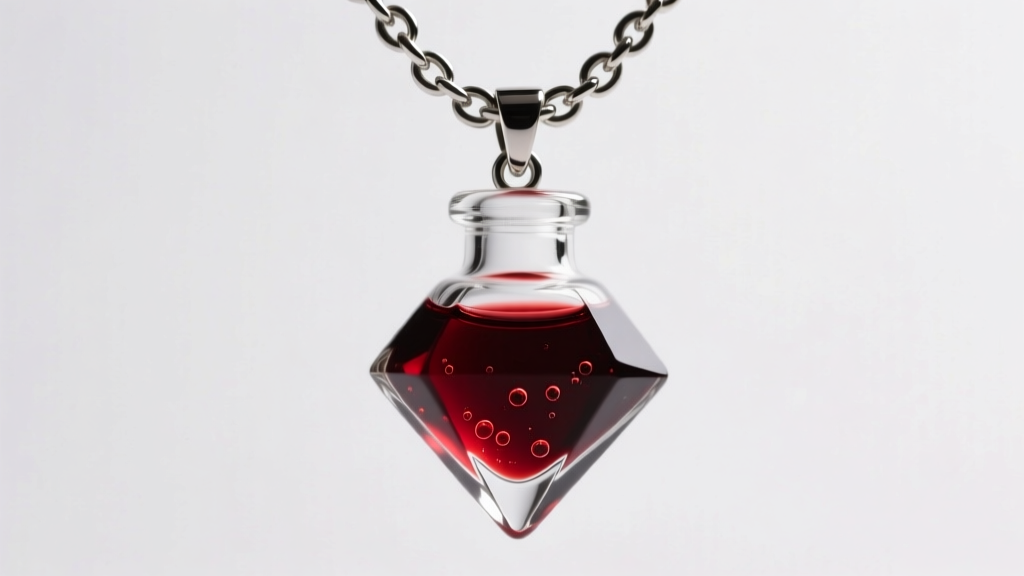
The Legacy of the Macabre: From Tabloid Shock to Material Science
When the infamous billy bob thornton blood necklace first made tabloid headlines in the early 2000s, it was dismissed as a fleeting shock-tactic of Y2K celebrity culture. Angelina Jolie and Billy Bob Thornton’s decision to wear vials of each other’s blood around their necks sparked a massive, albeit controversial, trend in macabre and mourning jewelry. However, looking back from the vantage point of 2026, jewelry historians and material scientists view this phenomenon through a different lens: as a masterclass in what happens when organic biology clashes with inorganic metallurgy.
While the romantic gesture was undeniable, the material execution of early 2000s vial pendants was often fundamentally flawed. Human blood is a highly reactive, saline-rich biological fluid that degrades rapidly and corrodes standard jewelry metals. Today, we deconstruct the anatomy of the vial pendant, examining the precise material properties required to safely and aesthetically encapsulate the macabre.
Core Vial Materials: Borosilicate Glass vs. Metal Alloys
The primary challenge in designing a liquid-containing pendant is creating a hermetic seal that withstands body heat, environmental shocks, and the corrosive nature of the contents. Jewelers generally rely on two distinct categories of containment: glass vessels and metal capsule lockets.
Borosilicate Glass: The Gold Standard for Containment
For transparent vial pendants, standard soda-lime glass is entirely inadequate due to its vulnerability to thermal shock. High-end macabre jewelry utilizes borosilicate glass (commonly known by the brand name Pyrex). Composed primarily of silica (SiO2) and boron trioxide (B2O3), borosilicate glass boasts an exceptionally low coefficient of thermal expansion (approximately 3.3 × 10⁻⁶ /K). This means the glass will not crack or shatter when transitioning from a cold winter environment to the ambient 98.6°F (37°C) heat of the wearer’s chest.
Furthermore, borosilicate glass is chemically inert. It will not react with the iron, water, or saline present in organic fluids, ensuring the vessel remains structurally sound indefinitely.
The Metallurgical Challenge: 316L Steel vs. Sterling Silver
When designing opaque capsule lockets, the choice of metal is critical. Human blood has a salinity of roughly 0.9% NaCl. This chloride content is highly corrosive to many common jewelry alloys.
- 925 Sterling Silver: While beautiful, silver reacts rapidly with sulfur and chlorides. If raw blood touches unlined sterling silver, the salt will cause rapid tarnishing and microscopic pitting, eventually compromising the threaded seal of the locket.
- 304 Stainless Steel: Often used in cheap fashion jewelry, 304 steel lacks the necessary elements to resist prolonged chloride exposure, leading to 'tea-staining' and structural degradation.
- 316L Surgical Steel: This is the mandatory standard for metal vials. The addition of 2-3% molybdenum in the 316L alloy drastically increases its resistance to pitting corrosion from saline environments, making it the only safe, unlined metal for organic containment.
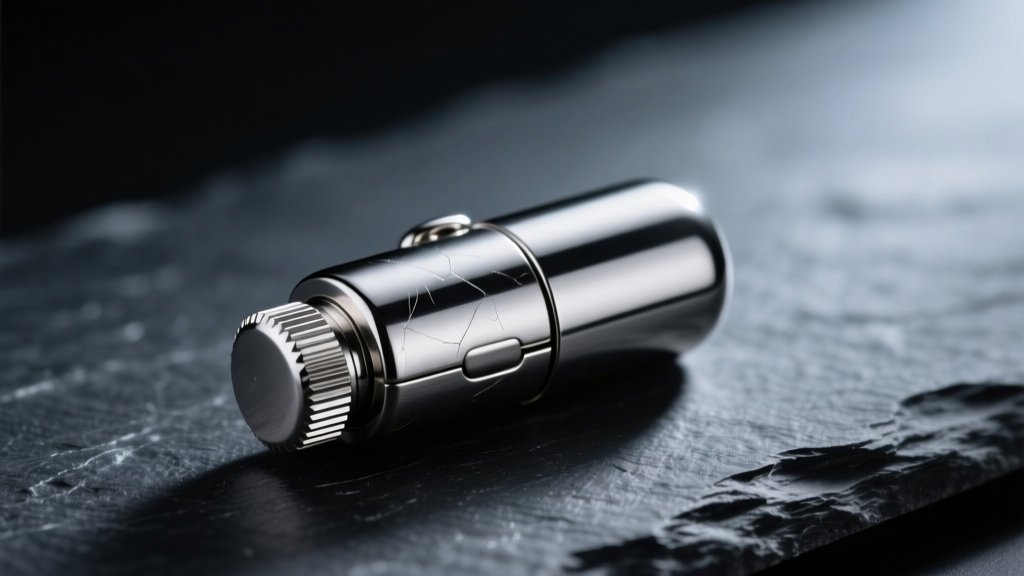
Material Comparison Chart: Vial Pendant Properties
To understand how different materials perform in the niche of bio-containment jewelry, we must compare their physical and chemical properties. According to metallurgical data from Rio Grande Jewelry Supply, selecting the right alloy or glass type dictates the lifespan of the piece.
| Material | Composition Highlights | Saline Corrosion Resistance | Weight (2ml Vial) | Best Use Case |
|---|---|---|---|---|
| Borosilicate Glass | Silica & Boron Trioxide | Immune (Inert) | 12g - 15g | Transparent liquid display |
| 316L Surgical Steel | Iron, Chromium, Molybdenum | Excellent (Pitting Resistant) | 18g - 24g | Heavy-duty capsule lockets |
| 925 Sterling Silver | 92.5% Silver, 7.5% Copper | Poor (Requires Glass Lining) | 14g - 18g | Decorative outer casing only |
| UV-Cured Resin | Acrylic Oligomers | N/A (Solid Encapsulation) | 4g - 8g | Synthetic blood alternatives |
The Biohazard Reality: Hemoglobin Degradation and Safety
Beyond the structural integrity of the vial, the contents themselves present a massive material science hurdle. The vibrant crimson color of fresh blood is due to hemoglobin, specifically the iron ion in its ferrous state (Fe2+). When exposed to light, heat, and the inevitable trace amounts of oxygen inside a vial, this iron oxidizes to the ferric state (Fe3+), forming methemoglobin.
This chemical reaction causes bright red blood to turn a muddy, unappealing brownish-black within a matter of weeks. Furthermore, from a health perspective, the CDC's guidelines on bloodborne pathogens strictly warn against the handling and non-clinical storage of human blood due to the risks of bacterial proliferation and pathogen transmission. A vial pendant worn against the skin, subjected to the friction and heat of daily life, is a microscopic breeding ground if the hermetic seal fails even slightly.
'The romanticization of organic bio-jewelry often ignores the rapid oxidation of hemoglobin. What begins as a symbol of life quickly degrades into a necrotic sludge without industrial chemical stabilization.' — Journal of Macabre Material Sciences, 2024
Modern 2026 Solutions: Synthetic Encapsulation
Because authentic blood is both a biohazard and an aesthetic liability, modern jewelers have pivoted to advanced synthetic alternatives that mimic the viscosity, opacity, and color of blood without the biological decay. The Gemological Institute of America (GIA) notes a massive uptick in the use of specialized polymers in avant-garde jewelry.
Iron Oxide-Infused UV Resins
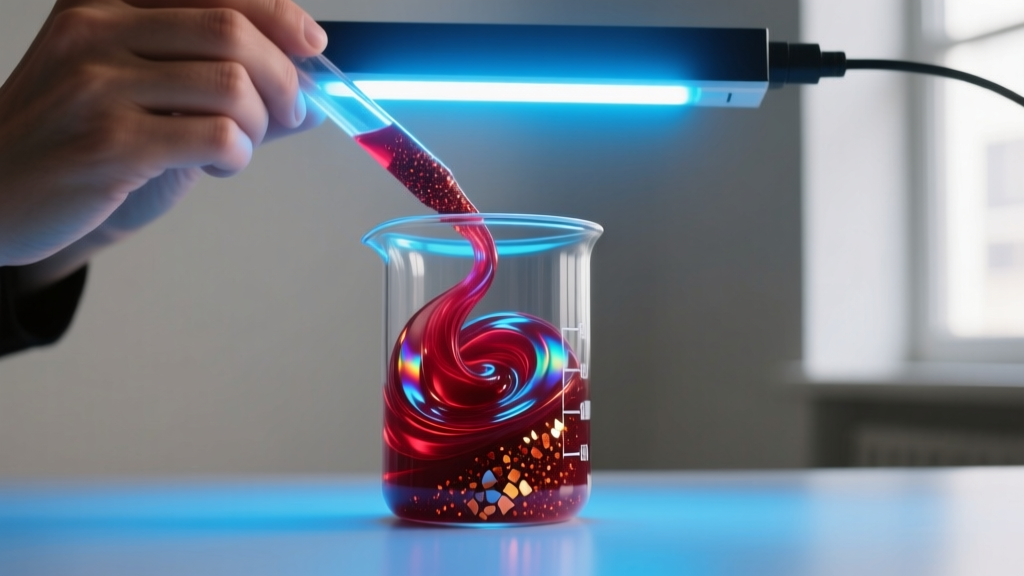
Instead of liquid, contemporary macabre pendants utilize high-durometer UV resins (Shore D hardness of 80-85). By suspending red iron oxide (Fe2O3) mica powders and metallic copper flakes within the resin, jewelers create a swirling, hyper-realistic 'blood' effect that is entirely inert. The resin is poured into the borosilicate vial and cured under a 365nm UV lamp, creating a solid, shatter-proof core that will never oxidize, leak, or harbor bacteria.
Structural Integrity: Chain Gauges and Bail Hardware
A common failure point in vial pendants is not the vial itself, but the hardware supporting it. A standard 2ml borosilicate glass vial, complete with a metal stopper and resin contents, weighs between 15 and 25 grams. This is significantly heavier than a standard gemstone pendant.
Choosing the Right Chain Gauge
Wearing a 20g vial on a delicate 20-gauge (0.8mm) chain is a recipe for disaster. The constant dynamic load of the pendant bouncing against the chest will cause 'ovalization'—where the circular links of the chain slowly stretch into ovals, eventually snapping.
- 18-Gauge (1.0mm): The absolute minimum for lightweight, small-capacity resin vials.
- 14-Gauge (1.6mm): The recommended standard for glass vials and steel capsules. A 14-gauge rolo or cable chain provides the necessary tensile strength to support 25g+ pendants without link deformation.
- Bail Construction: Avoid glued bails. The stopper of a vial pendant must feature a threaded screw-top with an integrated soldered jump ring, secured with a microscopic drop of cyanoacrylate threadlocker to prevent vibration-induced unscrewing.
Final Verdict on Macabre Jewelry Materials
The billy bob thornton blood necklace may have started as a rebellious celebrity statement, but it inadvertently birthed a highly specialized niche in jewelry engineering. True mastery in this space requires abandoning the literal interpretation of bio-jewelry in favor of material science. By combining the thermal shock resistance of borosilicate glass, the chloride-defying properties of 316L surgical steel, and the eternal stability of iron-oxide UV resins, modern artisans can capture the dark romance of the macabre without sacrificing safety, longevity, or structural integrity.


