The Necklace Synopsis: A Deep Dive Into Metal Alloys & Properties
Explore the necklace synopsis for 2026: a deep metallurgical comparison of gold, platinum, titanium, and ceramic properties for fine jewelry.

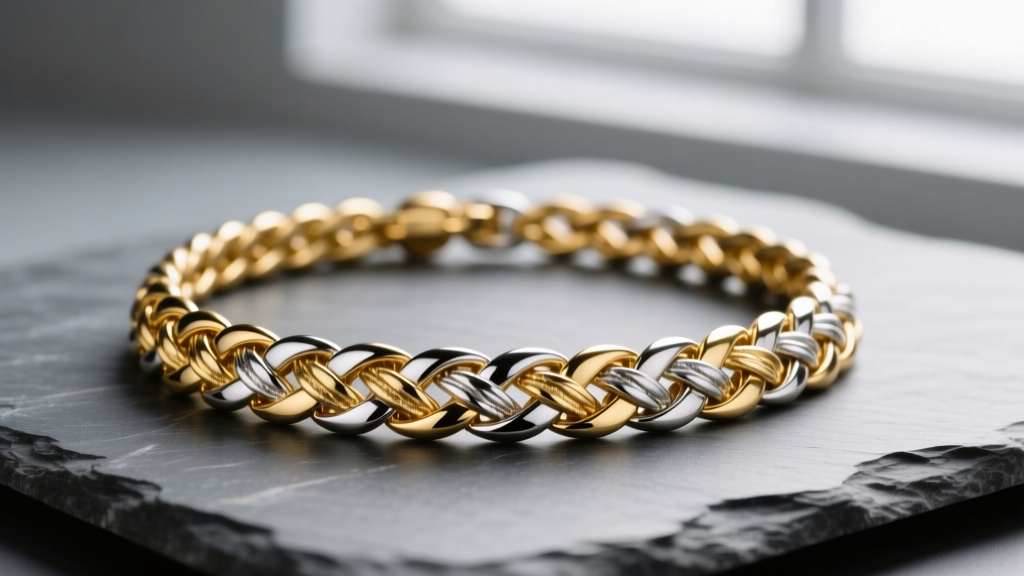
When building a fine jewelry collection, aesthetic appeal is only half the equation. The true longevity, wearability, and value of a piece are dictated by its metallurgical and material composition. Welcome to the necklace synopsis—our definitive, expert-level breakdown of the materials that define modern neckwear. In 2026, informed buyers are moving beyond simple karat stamps, demanding transparency regarding alloy compositions, Vickers hardness ratings, and biocompatibility. Whether you are investing in a heavy platinum Cuban link or a delicate Grade 23 titanium pendant chain, understanding the molecular behavior of these materials is critical to avoiding premature wear, allergic reactions, and structural failure.
The Precious Metal Hierarchy: Gold, Platinum, and Palladium
Precious metals remain the cornerstone of luxury necklaces, but their pure forms are rarely used in jewelry due to extreme malleability. According to the Gemological Institute of America (GIA), pure 24k gold is far too soft for daily-wear chains, as the links will stretch and deform under the weight of a pendant. Therefore, alloying is essential.
Gold Alloys and Karat Breakdown
Gold purity is measured in karats, with 24k representing 99.9% pure gold. The most common standards for necklace chains are 14k (58.5% gold) and 18k (75% gold). The remaining percentage consists of alloying metals that dictate both color and structural integrity:
- 18k Yellow Gold: Typically alloyed with 12.5% copper and 12.5% silver. It offers a rich, warm hue but has a lower Vickers Hardness (HV) of roughly 125, making it more prone to micro-scratches.
- 14k Yellow Gold: With a higher proportion of copper and zinc, 14k gold boasts an HV of approximately 160. This makes it the superior choice for heavy, load-bearing chains like Figaro or Rope styles.
- White Gold: Created by alloying yellow gold with nickel, manganese, or palladium. Buyer Beware: Nickel-alloyed white gold is a primary culprit for contact dermatitis. Always seek palladium-alloyed white gold for hypoallergenic properties, though it commands a 15-20% price premium.
Most white gold necklaces are plated with rhodium to achieve a stark white finish. Standard commercial plating is a mere 0.1 to 0.5 microns thick and will wear off the friction points of a chain within months. High-end manufacturers apply 0.75 to 1.5 microns, extending the lifespan of the finish significantly.
Platinum 950: The Dense Standard
Platinum is inherently hypoallergenic and remarkably dense (21.45 g/cm³). A platinum chain will weigh roughly 60% more than an identical 18k gold chain. The industry standard is Pt950, meaning 95% platinum and 5% alloy. The choice of that 5% alloy drastically changes the metal's behavior:
- Pt950/Ruthenium: Harder, more resistant to scratching, and ideal for intricate chain weaves.
- Pt950/Cobalt: Slightly more malleable, excellent for casting heavy, solid pendants, but can develop a slight magnetic pull.
Unlike gold, which loses material when scratched, platinum merely displaces, developing a soft 'patina' over time that many collectors actively seek out.
The Alternative & Base Metals: Titanium, Tungsten, and Steel
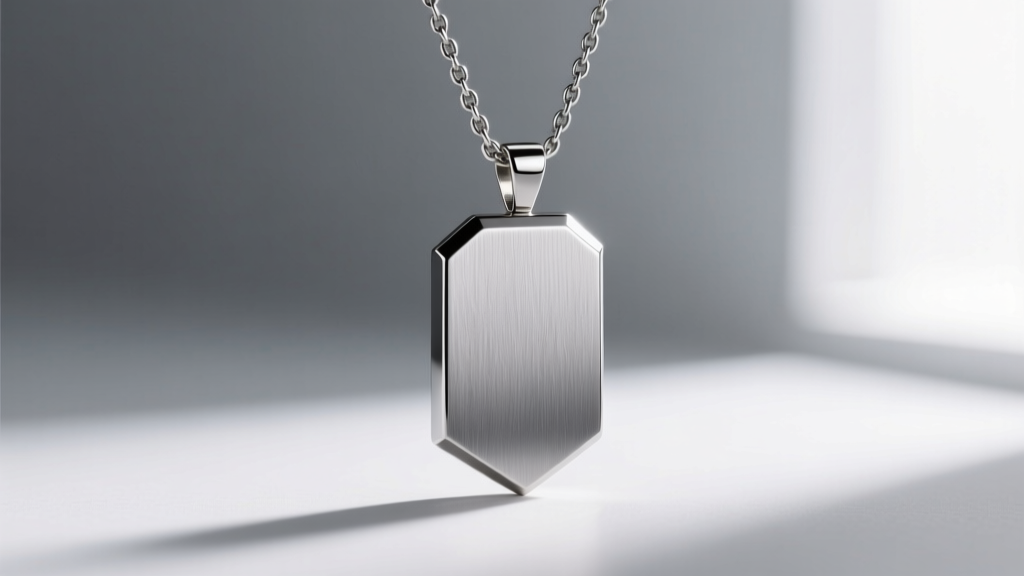
The 2026 market has seen a massive surge in alternative metals, driven by demand for hyper-durable, lightweight, and hypoallergenic everyday necklaces. However, not all alternative metals are created equal, and the specific grades matter immensely.
Titanium: Grade 5 vs. Grade 23
Titanium is celebrated for its exceptional strength-to-weight ratio. However, jewelry buyers must distinguish between commercial grades and implant grades. ASTM International outlines the standards for medical-grade titanium. You should specifically look for Grade 23 (Ti-6Al-4V ELI). The 'ELI' stands for Extra Low Interstitial, meaning it has reduced oxygen, nitrogen, carbon, and iron content compared to standard Grade 5. This makes Grade 23 vastly superior for biocompatibility, ensuring zero skin reactions even for those with severe metal sensitivities.
Stainless Steel: The 316L Advantage
While 304 stainless steel is common in cheap fashion jewelry, it lacks the corrosion resistance required for pieces exposed to sweat and humidity. Fine alternative jewelry utilizes 316L surgical stainless steel. The 'L' denotes low carbon, and the inclusion of 2-3% molybdenum drastically increases resistance to pitting and chloride corrosion. A 316L steel chain will easily survive years of daily wear, including exposure to saltwater, without rusting.
Material Comparison Matrix
| Material | Standard Composition | Vickers Hardness (HV) | Tarnish/Corrosion Resistance | Avg. Price per Gram (2026) |
|---|---|---|---|---|
| 18k Yellow Gold | 75% Au, 12.5% Cu, 12.5% Ag | ~125 HV | Excellent (No tarnish) | $65 - $75 |
| Platinum 950 (Ru) | 95% Pt, 5% Ru | ~135 HV | Flawless (Patina only) | $45 - $55 |
| Grade 23 Titanium | Ti-6Al-4V ELI | ~320 HV | Flawless (Implant-grade) | $0.15 - $0.30 |
| 316L Steel | Fe, Cr, Ni, Mo (Low Carbon) | ~160 HV | Superior (Mo-enhanced) | $0.02 - $0.05 |
| Tungsten Carbide | ~85% WC, 15% Ni/Co binder | ~1500 HV | Excellent (Shatter risk) | $0.10 - $0.20 |
Organic & Non-Metallic Materials: Pearls and Ceramics
Non-metallic elements introduce unique vulnerabilities and aesthetic triumphs to necklace design. Understanding the Mohs scale of mineral hardness is non-negotiable when integrating these materials into wearable chains and pendants.
The Fragility of Nacre
Pearls, whether Akoya, Tahitian, or South Sea, are organic gems composed of calcium carbonate (aragonite) and conchiolin. They rank a mere 2.5 to 4.5 on the Mohs scale. According to the GIA's Pearl Guide, nacre thickness is the primary determinant of a pearl's durability. A strand of pearls with thin nacre (under 0.4mm) is highly susceptible to 'peeling' and cracking, especially around the drill holes where the necklace cord creates friction. Always demand a minimum nacre thickness of 0.8mm for everyday pearl pendants.
High-Tech Ceramics
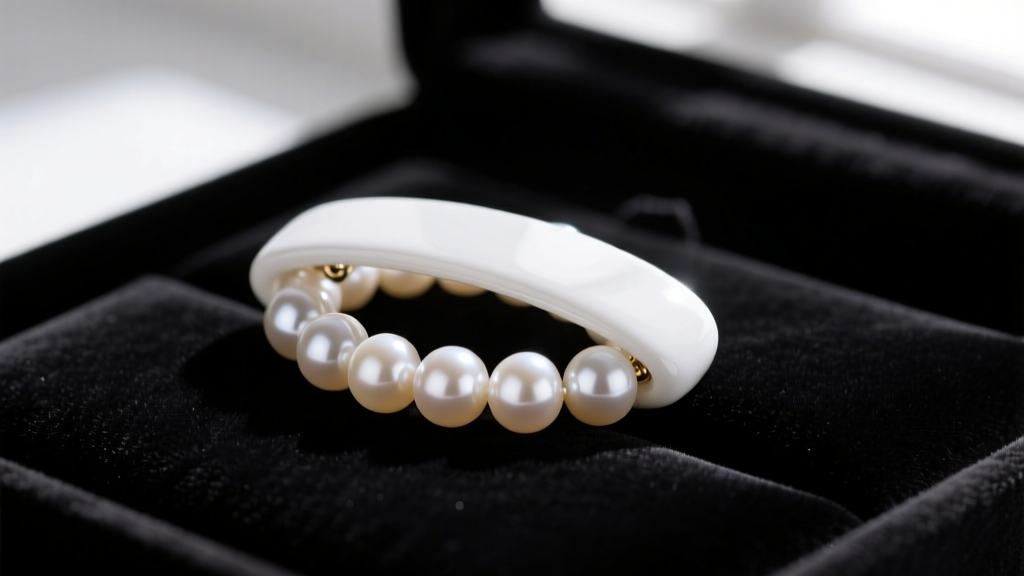
Conversely, modern jewelry ceramics—specifically Yttria-stabilized Zirconia (YSZ)—represent the pinnacle of scratch resistance. Ranking an 8.5 on the Mohs scale, zirconia ceramics are virtually impervious to daily abrasion. They are increasingly used in 2026 for high-wear components like necklace clasps, bezel settings, and inlay links in luxury chains. However, their extreme hardness comes with high brittleness; a sharp impact against a marble countertop can cause catastrophic shattering.
Failure Modes & Wearability: When Materials Break Down
A necklace is only as strong as its weakest metallurgical link. Understanding failure modes transitions a buyer from a passive consumer to an informed collector.
Galvanic Corrosion in Multi-Metal Chains
Mixing metals in a single necklace chain (e.g., sterling silver links with brass jump rings) creates a galvanic cell when exposed to the electrolytes in human sweat. The less noble metal (brass) will act as an anode and corrode rapidly, leading to green skin discoloration and structural snapping at the jump rings. Always ensure all structural components of a chain share the same base metal family.
Clasp Fatigue and Spring Failure
The most common point of failure on any necklace is the clasp. Standard spring-ring clasps contain a tiny internal steel spring. If the outer casing is gold or silver, the internal steel spring can still rust if exposed to moisture, or simply lose its tension over thousands of articulation cycles. For chains weighing over 15 grams, abandon spring rings and lobster clasps entirely. Opt for a box clasp with a double safety figure-eight wire, which relies on mechanical friction and tension rather than a microscopic, failure-prone spring.
The Buyer’s Decision Framework
To synthesize the necklace synopsis into actionable purchasing logic, apply this decision matrix based on your primary wearability requirements:
- For Maximum Longevity & Heirloom Value: Choose 18k or 22k Yellow Gold, or Pt950/Ruthenium. Avoid white gold if you want to eliminate future rhodium replating costs.
- For Active Lifestyles & Water Exposure: Grade 23 Titanium or solid 316L Stainless Steel. These materials will not degrade in chlorinated pools or saltwater, unlike sterling silver or lower-karat golds which can pit or tarnish.
- For Severe Metal Allergies: Strictly adhere to Pt950, Grade 23 Titanium, or Niobium. Avoid all white gold (unless certified palladium-alloyed) and standard surgical steel, which still contains trace nickel.
- For Heavy Pendant Suspension: Utilize a 14k gold or 316L steel box-chain or wheat-chain weave (minimum 2.5mm width), paired with a mechanical box clasp to prevent tensile stretching and clasp failure.
By prioritizing material properties over fleeting visual trends, you ensure that your necklace remains structurally sound, biologically safe, and visually stunning for decades to come.


