Mastering the Pearl Necklace Shortener: A Technical Guide
Discover the mechanics of the pearl necklace shortener. Learn about tension limits, drill hole gauges, and silk thread compatibility for safe adjustments.

The Mechanics of Pearl Necklace Shorteners
In the realm of fine jewelry, versatility is paramount. A pearl necklace shortener is a specialized hardware component or tension device designed to reduce the functional length of an opera (28–34 inches) or rope (45+ inches) pearl strand into a choker (14–16 inches) or princess (17–19 inches) silhouette without the need for permanent restringing. While aesthetically simple, the engineering behind these devices requires a deep understanding of friction coefficients, thread tensile strength, and nacre vulnerability.
Unlike standard clasps, a shortener must manage the kinetic load of a doubled or gathered strand. When a 45-inch rope necklace is halved using a shortener, the device bears the pendulum weight of the lower loop. If the shortener fails to distribute this load, it can cause catastrophic thread friction, leading to micro-fractures in the silk or gel-spun polyethylene cord, or worse, severe abrasion to the nacre rim surrounding the drill hole.
Friction and Thread Wear Dynamics
The primary failure point in any adjustable pearl strand is the interface between the shortener's interior channel and the knotting thread. Traditional Japanese silk (such as Griffin Size F, measuring 0.90mm in diameter) possesses a relatively low abrasion resistance. When pulled through a metal shortener channel repeatedly, the microscopic burrs inside the metal tube act like a saw against the silk fibers. In 2026, many master stringers have begun transitioning to braided gel-spun polyethylene threads (like PowerPro) for strands intended for frequent shortener use, as these synthetic alternatives offer up to 15 times the tensile strength and superior abrasion resistance compared to organic silk.
Material Breakdown: Silicone vs. Metal Adjusters
The market is currently dominated by three distinct categories of pearl necklace shorteners, each with unique mechanical properties and price points.
| Shortener Type | Material Composition | Friction Coefficient | Best Use Case | Average Retail Price |
|---|---|---|---|---|
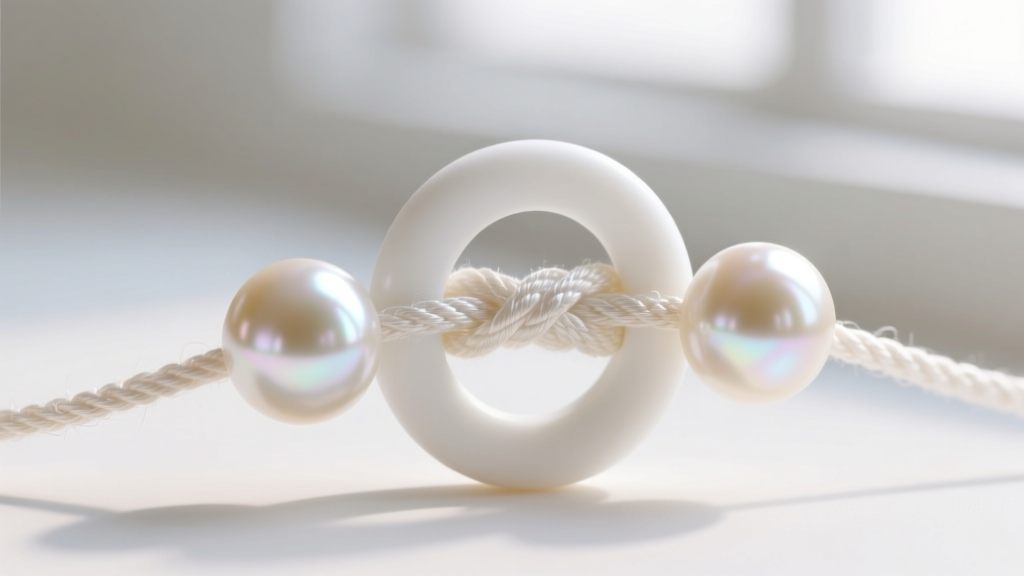
| Tension O-Rings | Medical-Grade Silicone | High (Grips Thread) | Temporary gathering, multi-strand twisting | $8 – $15 |
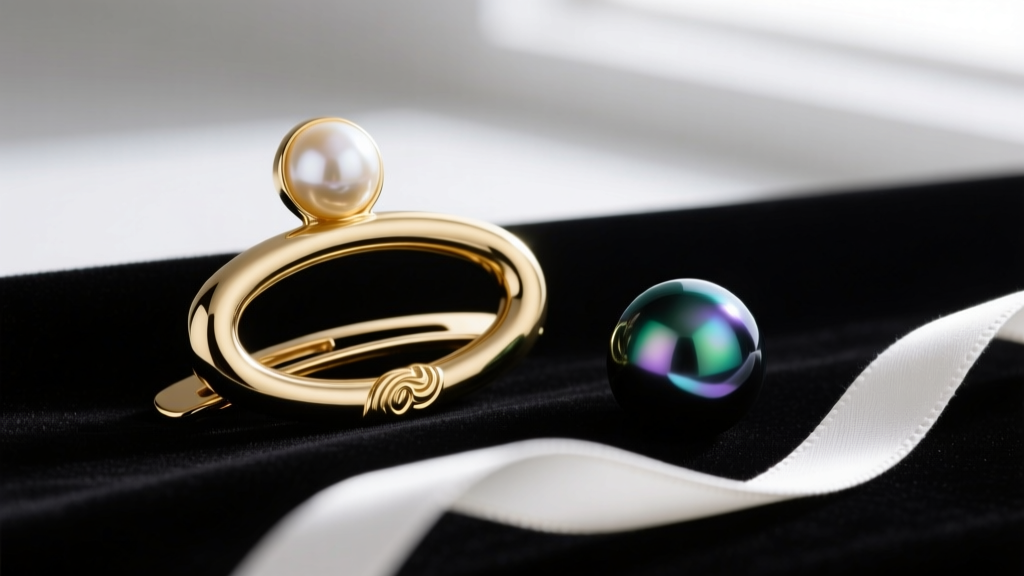
| Figure-8 Enhancers | 14k/18k Gold, Platinum | Low (Requires Knot Catch) | Doubling rope strands, permanent styling | $65 – $250 |
| Slide Tube Clasps | Gold/Steel w/ Silicone Core | Adjustable (Core Dependent) | Continuous length adjustment (lariat style) | $45 – $180 |
Silicone O-Rings rely on high static friction to hold the gathered pearls in place. While inexpensive and effective, silicone is highly porous and susceptible to chemical degradation. Exposure to human sebum, perfumes, and cosmetic oils causes the silicone to oxidize, swell, and eventually tear within 18 to 24 months of regular wear.
Metal Figure-8 Clips are the professional standard for high-end rope necklaces. They feature a hinged, dual-loop design that allows the strand to fold back on itself. Because metal-on-silk friction is dangerously low, figure-8 clips must be positioned directly against a hand-tied knot. The knot acts as a mechanical stopper, preventing the heavy lower loop from sliding through the clip and snapping the thread.
Drill Hole Gauges and Nacre Stress Points
One of the most overlooked technical aspects of using a pearl necklace shortener is the stress it places on the pearl's drill hole. According to the Gemological Institute of America (GIA), the structural integrity of a pearl is heavily dependent on its nacre thickness and the precision of its drilling. When a shortener forces a strand to bend at a sharp 180-degree angle, the pearls immediately adjacent to the shortener are subjected to severe lateral torque.
Gauge Tolerances by Pearl Type
- Akoya Pearls: Typically drilled at 0.8mm to 0.9mm. The thin nacre over a bead nucleus is highly susceptible to 'chipping' or 'blowout' if a rigid metal shortener pulls the silk thread taut against the sharp edge of the drill hole.
- South Sea & Tahitian Pearls: Usually drilled at 1.0mm to 1.5mm. The thicker nacre provides a wider buffer, but the heavier weight of these pearls increases the pendulum kinetic energy, requiring a shortener with a wider interior channel to prevent thread pinching.
- Freshwater Baroque: Often feature irregular, off-center drill holes ranging from 0.8mm to 1.2mm. Using a rigid shortener on baroque strands can cause asymmetric stress, leading to cracked nacre near the apex of the curve.
To mitigate nacre damage, expert stringers utilize a technique called 'French wire' or 'gimp' application, or they place a microscopic silicone buffer bead directly adjacent to the drill hole exit point before the final knot is tied. This ensures the hard metal of the shortener never directly contacts the fragile calcium carbonate nacre rim.
Silk Thread Compatibility and Tension Tolerances
Understanding the tensile limits of your knotting thread is non-negotiable when employing a shortener. Fire Mountain Gems' Jewelry-Making Encyclopedia notes that traditional silk thread, while beautiful for its drape, has a relatively low breaking point. A standard Size 8 or Size F silk thread will begin to experience structural degradation at roughly 12 to 15 pounds of sustained tension.
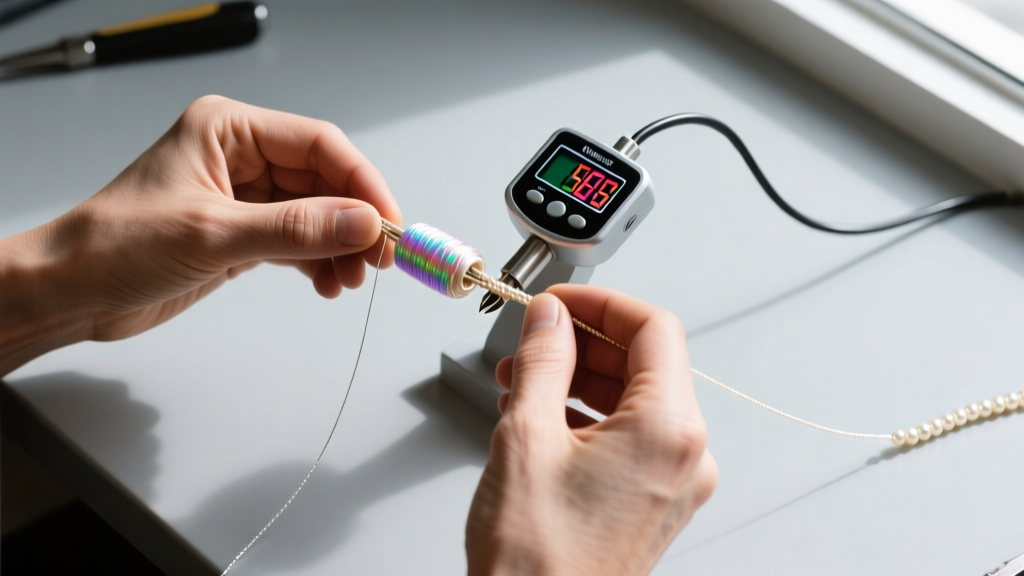
When you use a pearl necklace shortener to create a lariat or doubled effect, the bottom loop of the necklace acts as a deadweight. A heavy 45-inch South Sea pearl strand can weigh upwards of 120 grams. While this static weight is well within the 15-pound threshold of silk, the dynamic shock load—caused by the wearer walking, bending, or the bottom loop swinging and catching on clothing—can generate momentary spike forces exceeding 25 pounds. This dynamic shock is what causes internal silk fibers to snap, leading to a delayed failure where the necklace breaks days after the initial stress event.
The Shift to Synthetic Cords in 2026
Due to these dynamic load risks, the 2026 consensus among master pearl stringers is to use synthetic alternatives for any strand that will regularly interact with a shortener. Threads like PowerPro or Wildfire (gel-spun polyethylene and thermally fused synthetics) offer a tensile strength of 20+ pounds at diameters as thin as 0.6mm, ensuring the thread will never be the weakest link in the shortener assembly.
Step-by-Step: Securing a Rope-Length Strand
Proper application of a metal figure-8 pearl necklace shortener requires precision to avoid thread abrasion. Follow this technical protocol:
- Identify the Anchor Knot: Locate a robust, hand-tied knot roughly at the 15-inch mark on one side of the strand. Do not rely on the pearls themselves to act as stoppers.
- Open the Primary Loop: Unhinge the primary gate of the figure-8 clip and insert the strand so the anchor knot rests flush against the interior metal wall.
- Manage the Slack: Gather the remaining 30 inches of the rope strand. Ensure the pearls are aligned and not crossing over one another, which would cause lateral friction.
- Secure the Secondary Loop: Fold the gathered slack in half. Open the secondary gate of the figure-8 clip and capture both sides of the folded loop. Ensure the silk thread is lying flat within the channel and is not twisted.
- Tension Test: Hold the top of the necklace and gently allow the bottom loop to hang. Visually inspect the drill holes of the pearls immediately touching the clip. If the silk is pulling at an angle greater than 15 degrees against the drill hole rim, reposition the clip to the next available knot.
Troubleshooting Common Shortener Failures
Even with premium hardware, mechanical failures can occur. Here is how to diagnose and resolve the most common issues encountered with pearl necklace shorteners:
- Slippage on Silk: If a metal clip slides through the strand, the interior channel is too wide for the thread gauge. Solution: Switch to a clip with a narrower channel, or tie a secondary 'stopper' knot using a microscopic seed bead to increase the mechanical catch surface.
- Silicone O-Ring Tearing: Silicone rings often tear when dragged over the sharp edges of baroque pearl drill holes. Solution: Abandon silicone O-rings for baroque strands. Use a smooth, polished metal enhancer ring instead, and rely on the tension of the twisted strand to hold the gather in place.
- Nacre Chipping at the Contact Point: If you notice a chalky white powder or chipped rim on the pearls touching the shortener, the metal is abrading the calcium carbonate. Solution: The shortener must be removed immediately. Have a jeweler install a Teflon-coated interior sleeve in the shortener channel, or apply a micro-drip of clear, flexible jeweler's epoxy to the metal edges to create a protective buffer.
Mastering the pearl necklace shortener is an exercise in applied physics and material science. By respecting the tensile limits of your thread, understanding the geometry of pearl drill holes, and selecting the correct hardware for your specific strand weight, you can safely transform a single rope necklace into a versatile wardrobe staple without compromising the integrity of your investment.


