The Complete Guide to Choosing a J Pendant Necklace
Discover how to choose, style, and care for a J pendant necklace. Learn about metals, chain lengths, and layering techniques in this beginner guide.

The Enduring Appeal of Initial Jewelry
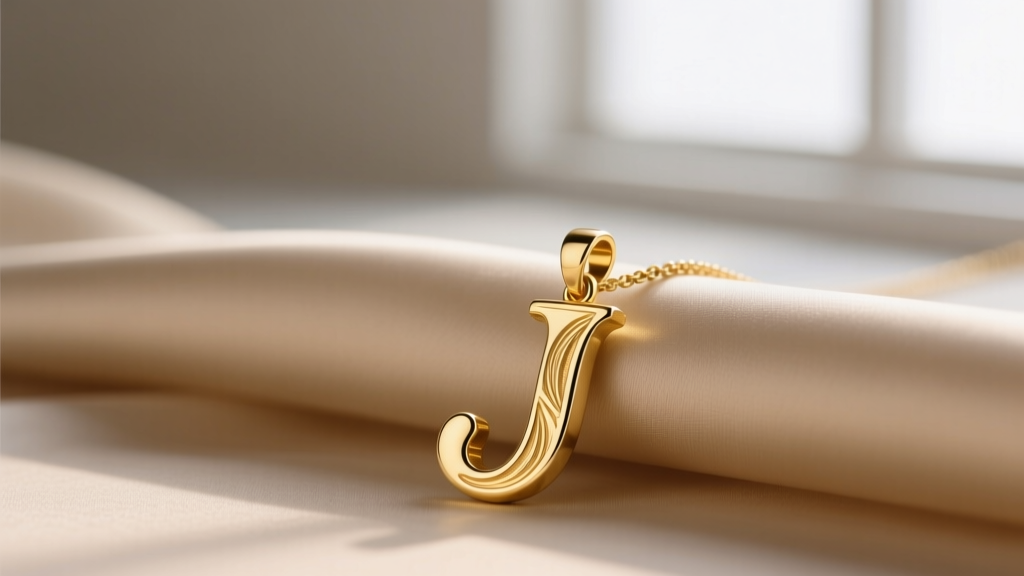
Initial jewelry has transcended fleeting trends to become a permanent fixture in modern accessorizing. Among the alphabet, the J pendant necklace holds a special place, representing names like James, Julia, or Jackson, as well as meaningful dates like January or June. For beginners, navigating the world of personalized necklaces can feel overwhelming. Between metal purities, chain gauges, and font styles, there are dozens of micro-decisions that dictate how your necklace will look and wear over time.
This comprehensive guide breaks down the exact specifications you need to know to select, style, and maintain a J letter necklace that lasts a lifetime. Whether you are buying a meaningful gift or treating yourself to an everyday staple, understanding these foundational elements will ensure you make a confident, informed purchase.
Decoding Pendant Anatomy and Font Styles
Before selecting a metal, you must consider the physical architecture of the pendant itself. The visual weight of the letter J is naturally asymmetrical, featuring a strong vertical spine and a curved lower hook. How this shape is rendered depends entirely on the font and the bail.
Serif, Sans-Serif, or Script?
- Serif Fonts: Characterized by small decorative strokes at the ends of the letter's lines (similar to Times New Roman). A serif J pendant conveys a vintage, heritage feel and pairs beautifully with intricate cable chains.
- Sans-Serif Fonts: Clean, uniform lines without decorative flourishes. This minimalist style is highly popular in 2026, offering a modern, architectural look that works well with geometric chains like the box or paperclip.
- Script Fonts: Flowing, calligraphy-inspired designs. A script J often features sweeping loops and dramatic tails, making it a romantic choice that functions as a standalone statement piece.
The Bail Connection
The bail is the loop that connects the pendant to the chain. For a J pendant, a hidden bail (soldered behind the letter) creates the illusion that the chain threads directly through the metal, offering a seamless look. Conversely, a standard loop bail sits at the top of the letter, which is necessary if the J features a diamond or gemstone accent at its apex.
Choosing the Right Metal Grade
The longevity of your necklace is dictated by its metal composition. According to the Gemological Institute of America (GIA), understanding gold alloys and silver standards is critical for everyday wear jewelry. Below is a comparative breakdown of the most common metals used for initial pendants.
| Metal Type | Purity / Grade | Durability | Average Price Range |
|---|---|---|---|
| 14k Solid Gold | 58.5% Pure Gold | Excellent; resists scratching and tarnishing | $150 - $450 |
| 18k Solid Gold | 75% Pure Gold | Good; richer color but softer and prone to scuffing | $250 - $700 |
| Sterling Silver | 92.5% Silver, 7.5% Copper | Fair; requires regular polishing to prevent oxidation | $40 - $120 |
| Gold Vermeil | Sterling Silver base + 2.5μm Gold | Moderate; gold layer will eventually wear off | $60 - $150 |
| Platinum | 95% Pure Platinum | Superior; hypoallergenic and extremely dense | $500 - $1,200+ |
Expert Tip: If you plan to wear your J pendant necklace in the shower or at the gym, 14k solid gold or platinum are your only viable options. Sterling silver will oxidize rapidly when exposed to sulfur and sweat, while vermeil will degrade within months of continuous wet exposure.
Chain Styles and Gauge Sizing
The chain is the unsung hero of any pendant necklace. A mismatched chain can either overpower a delicate J or snap under the weight of a heavy one.
Matching Chain Gauge to Pendant Weight
Gauge refers to the thickness of the chain wire. Selecting the correct gauge is a matter of physics and aesthetics:
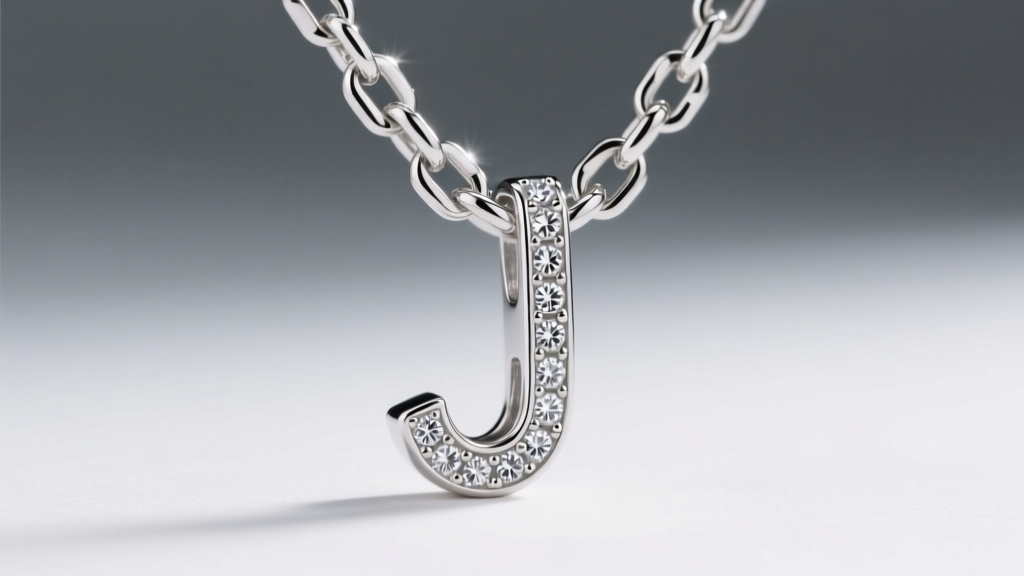
- 0.8mm - 1.0mm (Dainty): Best for lightweight, minimalist J pendants (under 2 grams). A delicate cable or thread chain in this gauge sits flush against the collarbone.
- 1.2mm - 1.5mm (Standard): The sweet spot for most medium-sized initial pendants (2 to 5 grams). Box chains and rope chains in this thickness offer excellent tensile strength and a satisfying drape.
- 2.0mm+ (Statement): Reserved for heavy, oversized, or gemstone-encrusted J pendants. Figaro or thick Cuban link chains provide the necessary structural support.
Always check the clasp mechanism. Spring ring clasps are fine for chains under 1.2mm, but for anything thicker, insist on a lobster claw clasp, which features a stronger internal spring and a wider gate for easy fastening.
The Art of Layering Your J Necklace
Layering initial jewelry is a cornerstone of contemporary personal style. The key to a successful stack is varying both the length and the texture of the chains to prevent tangling and visual clutter.
The Rule of Three Framework
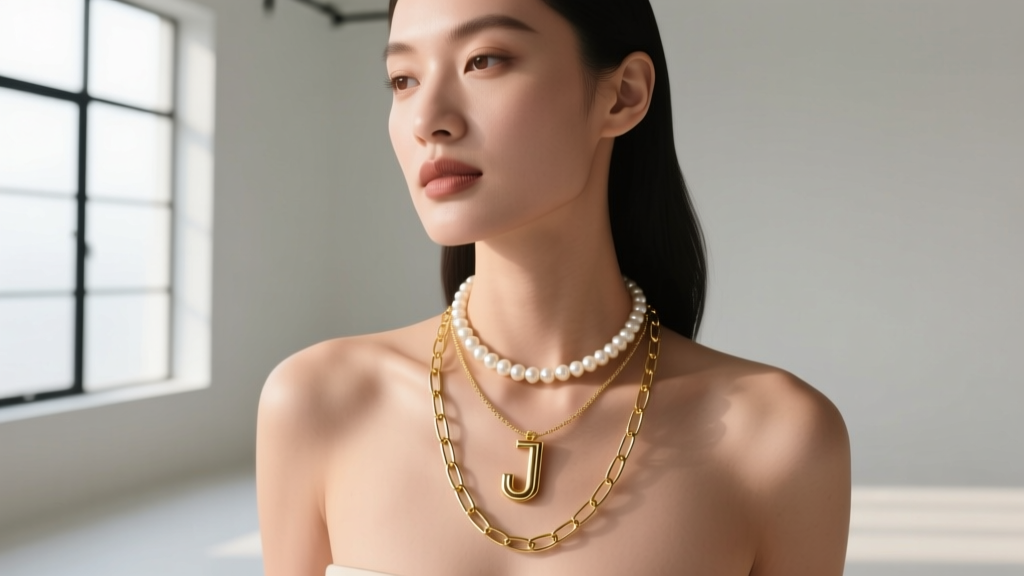
For a balanced, beginner-friendly stack, follow this precise length progression:
- The Anchor (14-15 inches): Start with a simple, non-pendant chain or a small pearl choker that sits high on the neck.
- The Focal Point (16-18 inches): This is where your J pendant necklace lives. An 18-inch length allows the letter to rest perfectly on the upper chest, drawing the eye.
- The Extender (20-24 inches): Finish with a heavier, textured chain (like a paperclip or rope chain) featuring a larger geometric pendant or a simple lariat drop.
Mixing metals is no longer a fashion faux pas. In 2026, pairing a yellow gold J pendant with a white gold or silver secondary chain creates a highly curated, intentional aesthetic that elevates the entire stack.
Daily Care and Maintenance
Even the highest quality metals require basic maintenance to retain their luster. The Jewelers of America recommends a gentle, consistent cleaning routine for personalized jewelry.
What to Avoid
Never wear your J pendant necklace in chlorinated pools or hot tubs. Chlorine reacts violently with the alloy metals in 14k and 18k gold (like copper and zinc), causing microscopic stress fractures that can eventually cause the chain or bail to snap. Similarly, avoid spraying perfume or hairspray directly onto the necklace, as the alcohols can dull the polish of both the metal and any inset gemstones.
The 5-Minute Cleaning Method
To restore shine to a dull silver or gold initial pendant:
- Fill a small bowl with warm water and two drops of mild, phosphate-free dish soap.
- Submerge the necklace for 3 to 5 minutes to loosen body oils and lotion residue.
- Gently brush the letter J, paying special attention to the bail and the back of the pendant, using a baby-soft toothbrush.
- Rinse thoroughly under lukewarm water and pat dry with a lint-free microfiber cloth. Never use paper towels, as the wood fibers can cause micro-scratches on high-polish gold.
By understanding the nuances of metal grades, chain gauges, and proportional layering, you can confidently select a J pendant necklace that is not just a piece of jewelry, but a lasting, deeply personal artifact.